
Are you interested in experiencing the vibrant culture of Senegal, including the rhythms of Casamance? This guide walks you through the best cultural festival windows, what you’ll experience once you arrive, and how to plan travel safely around local ceremonies while respecting photography and dress norms.
Senegal’s calendar blends Islamic holidays, national celebrations, major performances, and regional traditions that feel deeply community-led. With a little preparation, you can enjoy the atmosphere while ensuring your presence is respectful, safe, and genuinely welcome.
How to Read Senegal’s Festival Calendar
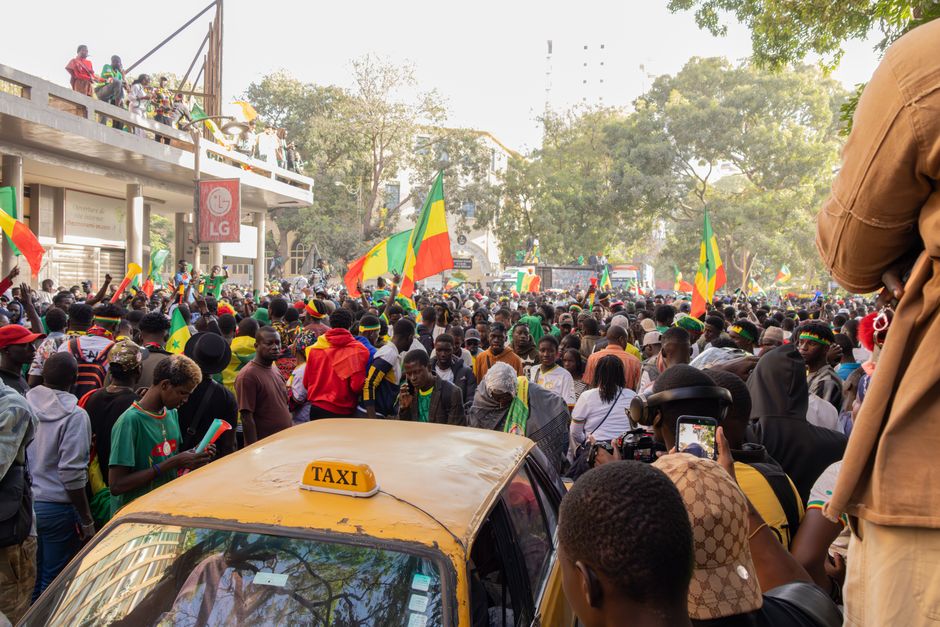
Public holidays vs community ceremonies
Senegal’s “festivals” range from events with formal schedules to ceremonies organised by local communities for music, dance, religious observance, harvest, or life-cycle milestones. The atmosphere can feel festive even when the purpose is spiritual or social rather than tourist-focused.
A helpful approach is to treat every event as a living local moment: you’re visiting a community ritual, not an attraction. That mindset shapes where you stand, how long you stay, and how you handle questions like “Is it okay to photograph here?”
When dates move (lunar calendar) and how to confirm
Some of the biggest celebrations in Senegal follow the lunar calendar, meaning the dates shift year to year. If your trip is built around one of these events, confirm timing closer to travel using reputable local announcements or guidance from your accommodation and local contacts.
For events that happen on a fixed civic date or a consistent seasonal schedule, you’ll still want to verify the exact festival dates for your travel year, since programme lengths can vary.
Regions to focus on: Dakar, Saint-Louis, and Casamance
For first-time festival planning, it helps to think in regions:
- Dakar and the Atlantic coast often host large public celebrations and major arts events.
- Saint-Louis is known for high-energy music gatherings and strong historical atmosphere.
- Casamance (the southern region separated by The Gambia) is where many visitors find especially distinctive village welcomes, music, and community rhythms.
Best Cultural Festivals in Senegal: Where to Go and When
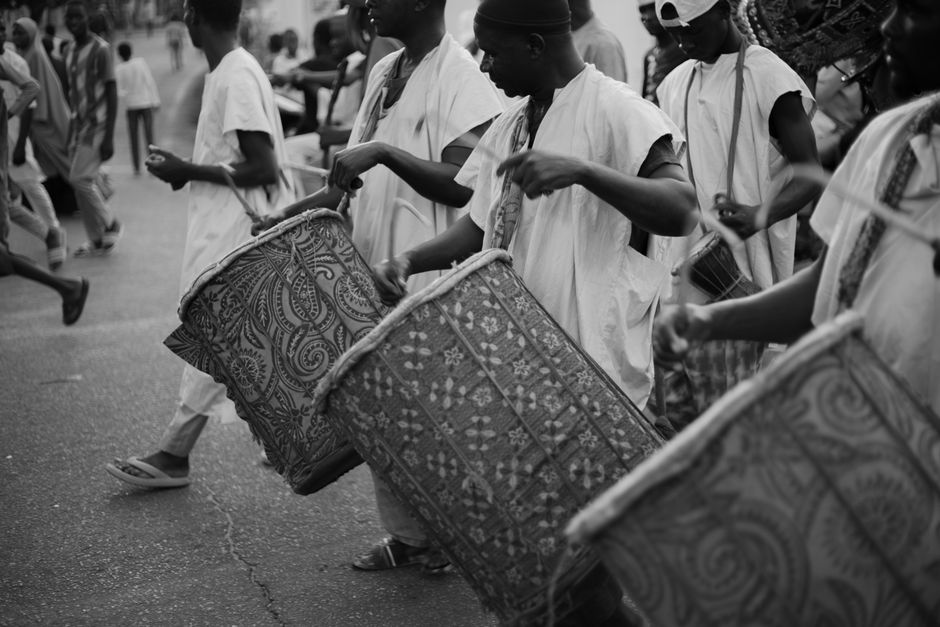
Big-city energy on the Atlantic coast
Dakar’s celebrations can be vibrant and high-profile, but you’ll still want to observe the same respect you would in any religious or community setting. Expect crowds, street life, and performances that move quickly, so leave extra time for transport and follow local instructions.
Casamance celebrations and village welcomes
In Casamance, festival energy often comes from participation: singing, drumming, dance, and greeting visitors in ways that vary by locality and community. Plan for slower, more human interactions, and aim to attend with a local guide when possible—especially in smaller villages.
Pilgrimage and national moments you’ll feel in the streets
Some events bring major national or religious attendance. Even when you’re not there for worship, you’ll feel the structure of daily life, prayer rhythms, and crowd flow.
Here are festival windows and where they usually happen (always verify the exact dates for your year):
- Grand Magal de Touba (Touba, Mouride pilgrimage): October (lunar/annually varying exact days) — large gathering; plan for crowd management and follow on-the-ground guidance.
- Saint-Louis Jazz Festival (Saint-Louis): April (often spanning late April into early May) — concerts, street atmosphere, and popular performances.
- Dakar Biennale (Dakar): Spring (often around May; occurs every two years) — contemporary arts, exhibitions, and cultural programmes.
- Independence Day celebrations (Dakar and national venues): 4 June (fixed date) — parades, performances, and civic ceremony.
- Eid al-Adha (Tabaski) (nationwide): Late spring to early summer (date shifts each year) — family visiting, special prayers, and shared meals.
- FESAC (Festival des Arts et des Cultures de Casamance, Ziguinchor region): Dry-season window (often late year into the following year, but confirm your travel date) — dance, music, and arts showcases rooted in Casamance culture.
- Casamance harvest celebrations in rural villages (Casamance, region-wide): Typically November to March — local music nights, community meals, and traditional performances that may not always be branded as a single “festival” with a fixed ticketed schedule.
What to Expect at Each Festival

Music, dance, and performance etiquette
Across Senegal, live music and dance are at the heart of festival life. When performances begin, people often form circles or move with the rhythm. Keep a respectful distance from dancers and drummers, avoid blocking sightlines, and don’t interrupt someone mid-routine.
If you want to join a dance moment, do it in a low-profile way: watch how others participate, follow the lead of local participants, and step back if you’re nudged away. In many settings, the “right” participation is about respect rather than dominance.
Food markets and craft spaces
Festival days often bring market stalls selling local food, spices, textiles, and craft items. This is a good place to connect with community vendors—just remember that festival bustle can make people feel pressured.
A gentle approach is to browse at a relaxed pace, ask brief questions, and accept that some sellers may be busy coordinating with family or performance schedules. If you’re unsure whether photography is welcomed at a stall, look for cues first and ask before raising your camera close to someone’s hands and workspace.
Joining respectfully, even as a visitor
The best festival experiences tend to come from being steady and considerate: arrive calmly, keep your group together, and stay alert to where processions are moving.
If someone offers guidance or asks you to reposition, treat it as part of the ceremony. Your goal is to blend in as a respectful guest, not to “collect” moments while making people uncomfortable.
Photography, Dress, and Safety Around Local Ceremonies

Ask before you shoot, and know when not to
Photography can range from warmly welcomed to sensitive or restricted, especially in religious or ceremonial contexts. Even when general photography is visible, close-up portraits can be more personal than crowd scenes.
Practical etiquette that usually works well:
- Ask first, especially for portraits or filming.
- Avoid shooting through people’s faces at close range; let participants choose their comfort level.
- Watch for cues: if someone gestures away, steps back, covers their face, or turns their body, treat it as a clear boundary.
For religious moments such as pilgrimage days or prayer periods, be extra cautious. If the environment feels solemn, focus on respectful observation rather than actively recording.
Dress for comfort and respect
Senegal is a warm, often sunny destination, but festival clothing should still align with local comfort and modesty norms. Loose, breathable fabrics help you stay cool and reduce the chance of drawing unwanted attention.
For women, many visitors choose longer skirts or dresses, or trousers with a light top. For men, a lightweight long-sleeve shirt or a modest traditional style is often appreciated. In both cases, avoid overly revealing outfits in religious or community ceremonies.
If you’re unsure, carrying a light shawl or wrap can make it easier to adjust quickly when entering a more sacred space.
Staying safe in crowds and on village roads
Crowds can change quickly at large events, and Casamance village roads may be uneven or less predictable. Choose safe movement habits: keep your phone and valuables secured, avoid stepping into processional paths, and stay aware of where vehicles are turning or where people are gathering.
In smaller communities, it’s also wise to avoid wandering alone. Travel with a trusted local contact, keep a clear meeting point for your group, and let someone know your route if you’re heading beyond main event areas.
If you’re carrying camera equipment, manage it safely. Use a secure strap, don’t leave gear on the ground, and keep batteries and memory cards protected in a pocket or day bag.
Practical Planning for a Smooth, Respectful Trip
Build your route around festival logistics
Start by mapping festival dates to geography. If you’re combining Dakar, Saint-Louis, and Casamance, build in travel buffers, because timing can be unpredictable on peak days.
Also consider what you want most from each event: some are best for street-level atmosphere, while others are more meaningful when you plan for guided entry and longer observation.
Accommodation and transport basics
For major celebrations, rooms can fill quickly and transport can become congested. For finding places to stay in advance, many travellers use Booking.com to check availability and location, then confirm details directly with properties when possible.
When choosing accommodation, prioritise safety and practical access: well-lit areas at night, easy routes to main event locations, and a host who can advise on local etiquette and crowd patterns.
Working with local guides and community contacts
Local guides aren’t just about navigation; they’re also about context. They can help you understand what a ceremony is for, who to ask about photography, and where it’s respectful to stand.
If you’re visiting Casamance, aim to connect with community organisers or a guide familiar with that specific area. That reduces the risk of accidentally arriving at the wrong time, stepping into restricted spaces, or behaving in a way that conflicts with local dress or social expectations.
Overall, your best Senegal festival trip comes from matching your planning to the rhythm of the community: confirm moving dates, choose routes that reduce last-minute stress, ask before photographing, dress with modest comfort, and move through crowds with patience and care. When respect is built into the plan, the cultural experience becomes richer for everyone involved.
Leave a Reply