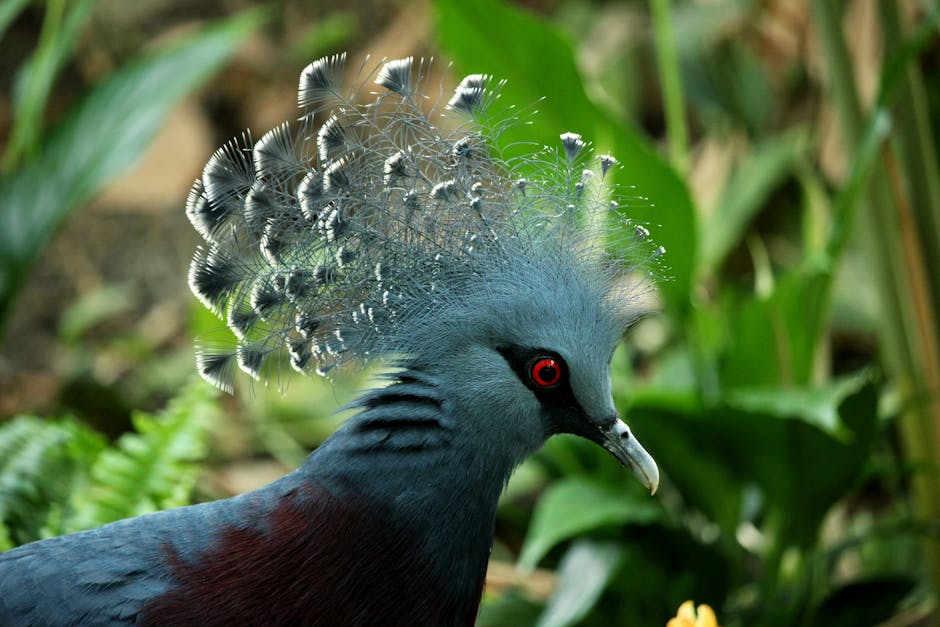
If you're a birding enthusiast, then you know that Africa is a paradise for birdwatching. On the Zimbabwe side of Victoria Falls, you can stack great wildlife and bird sightings into easy day trips without losing time on long transfers.
This guide helps you plan short drives, river activities, and viewpoint experiences, with seasonal notes that explain what tends to be most visible when. The focus is on places and activities around Victoria Falls (Zimbabwe), where local operators and guides can help you stay safe and respect the environment while you look for birds and animals.
Planning Your Day Trips from Victoria Falls (Zimbabwe Side)
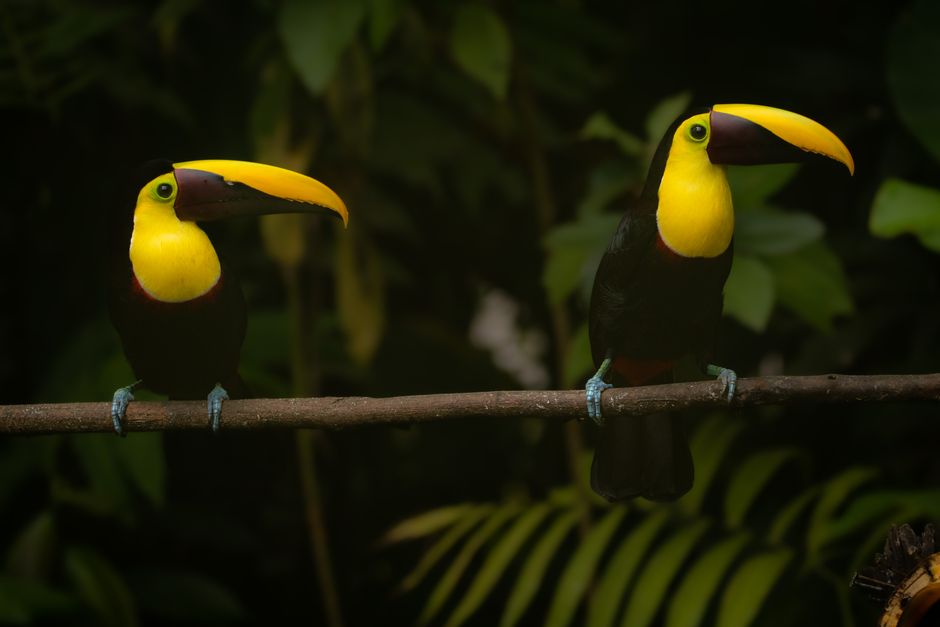
Day-trip viewing also depends on how you move: short game drives are best for mammals and raptors, while river-based activities usually deliver the highest chance of kingfishers, herons, and other water-associated birds.
Use the “short-drive” logic
From Victoria Falls town, some areas are practical for an early start and a full morning drive, with a second block of time for a river activity or viewpoints. That rhythm works well for birding because the best light and most active bird calls often come early.
If you want to confirm timing and pick-up for specific activities, Viator can be a convenient way to compare options offered through local operators.
Choose guides for accuracy and welfare
For wildlife, a good guide matters because it’s about more than spotting: it’s knowing where animals are likely to be, keeping distance, and avoiding stress around sensitive areas like riverbanks and nesting sites. With birds, experienced local knowledge helps you interpret movement—especially when the weather changes quickly over the Zambezi.
Short-Drive Wildlife and Birding Stops (Best for Mornings)
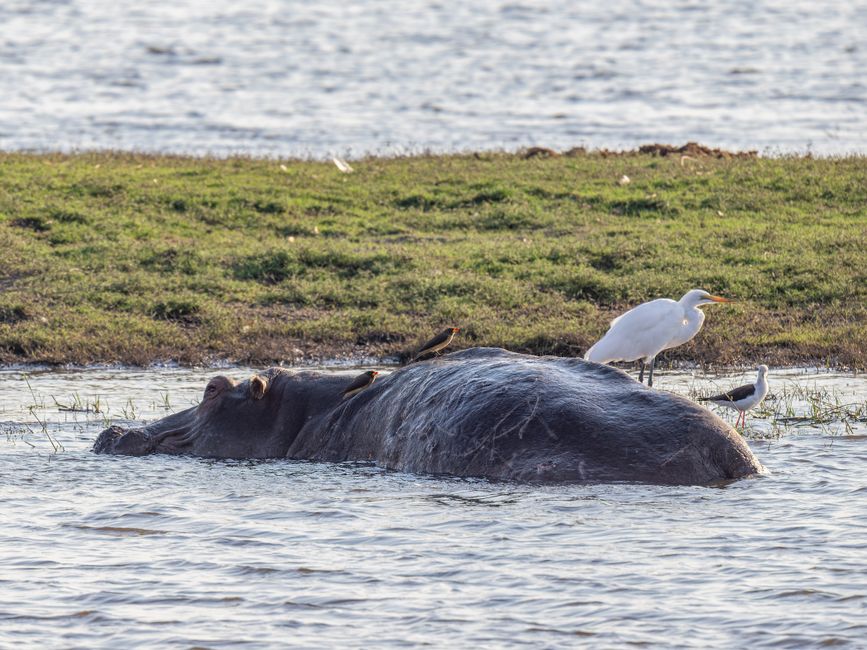
For wildlife viewing, keep an eye out for species that use the park’s edges and watering points when the light is good. Even when the bigger animals are quiet, the park can still be productive for bird activity along sheltered trails.
Zambezi National Park: big-game sightings by the river
Zambezi National Park is your best “wildlife-first” short drive when you want more than birds. The Zambezi River and its associated habitats attract mammals throughout the day, and that steady animal presence often means birds are also active.
Birding highlights tend to cluster around river edges, where fish-eating birds hunt and raptors patrol. Expect a higher chance of sightings like African fish eagle and kingfishers when the water movement and light are favourable.
Kazuma Pan National Park: pans, waterlines, and fan-out birding
Kazuma Pan National Park is known for its wet-and-dry dynamics, which directly affect what you’ll see on a given date. In wetter periods, water can shift across the pan and feed zones; in drier periods, exposed areas can make wading and edge-feeding birds easier to spot.
This is also a good option when you want a “birding landscape” day: the open feel helps spotting, and movement around waterlines often reveals additional species beyond the obvious water birds.
River Activities That Boost Your Birding Chances
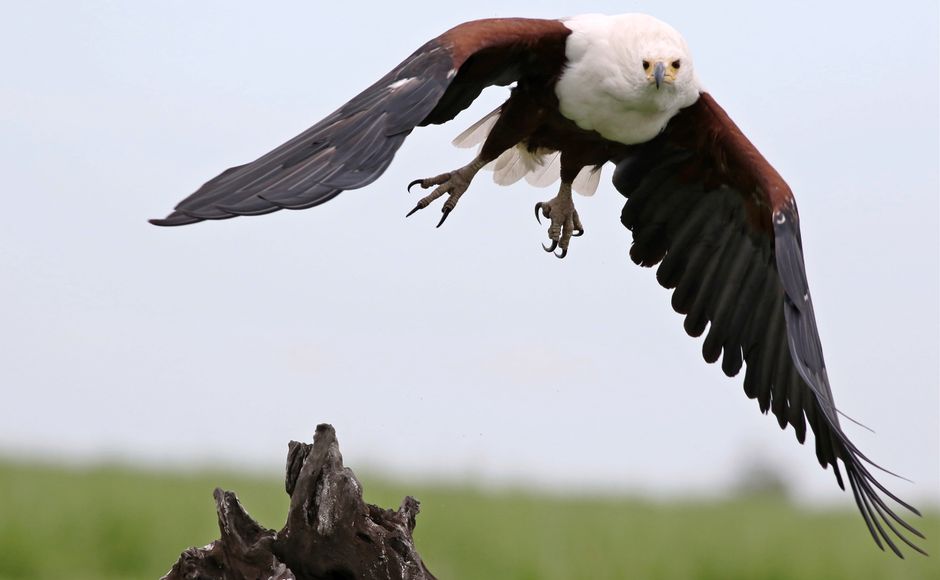
Look for fish-eating and aquatic hunters and scan for movement along shorelines. Over the course of a cruise, it’s common to see herons, egrets, cormorants, and kingfishers working the edges. If conditions are calm, it’s also easier to track flying birds as they react to fish beneath the surface.
Viewpoints near the falls: spotting raptors and forest-edge movement
The Victoria Falls viewpoint circuit and nearby forest-edge routes can be more productive for birding than many expect, because airflow, perching sites, and insect activity concentrate life around sheltered areas.
Seasonally, the spray and humidity can influence what birds become active. On some days, the area around the falls will bring a burst of movement from small birds, while clearer air at other times can reveal raptors riding thermals. Treat it as a “slow birding block” between faster activities.
Batoka Gorge rafting and related river experiences: seasonal timing matters
Batoka Gorge-based river activities can add excitement, but for wildlife and birding the key is season and conditions. When water levels and weather are appropriate, gorge environments can still produce wildlife sightings at river edges and along lookout points.
Even if birds are less obvious during more active water conditions, the experience can still complement a wildlife-focused morning drive. The important part is that your day-trip schedule should include time for quiet scanning at calmer viewpoints, rather than relying on animal sightings happening only during the most intense parts of an activity.
Leave a Reply