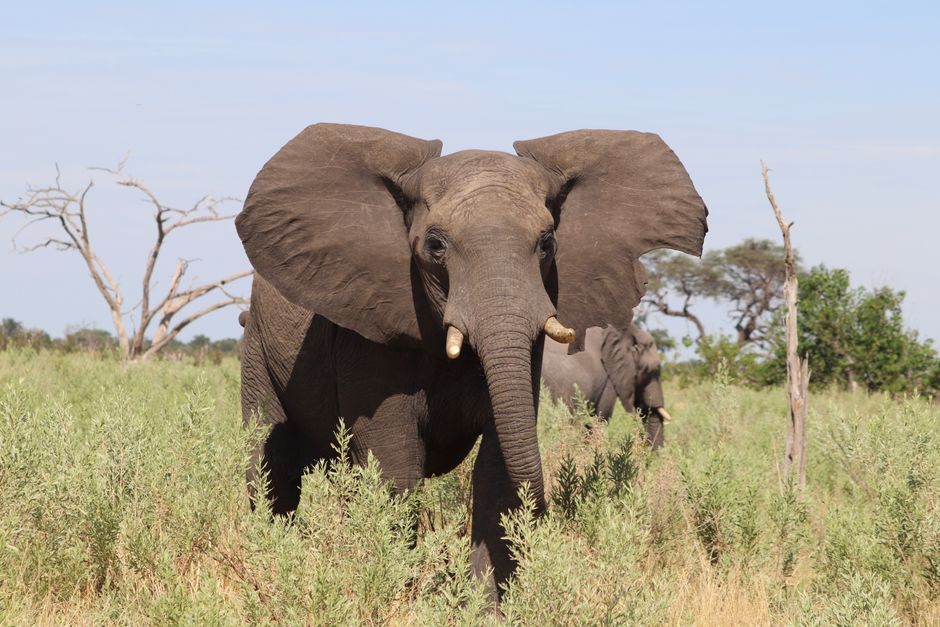
If you're planning a safari trip, you might be wondering how you can make your experience more sustainable. The good news is that picking the right destination from the start helps you travel well, see more wildlife, and keep disturbance low.
This guide walks you through the best first-safari parks in Botswana, focusing on Okavango Delta, Chobe National Park, Moremi Game Reserve, and Central Kalahari Game Reserve. You’ll also learn what to expect in each place, when to go, and how to stay safe and respectful while you’re out on drives and guided walks.
You don’t need to be an expert. With a few smart choices, Botswana’s ecosystems can feel tailor-made for first-time visitors, from classic big-animal encounters to quieter, more remote wildlife viewing.
Picking the Right First Safari in Botswana
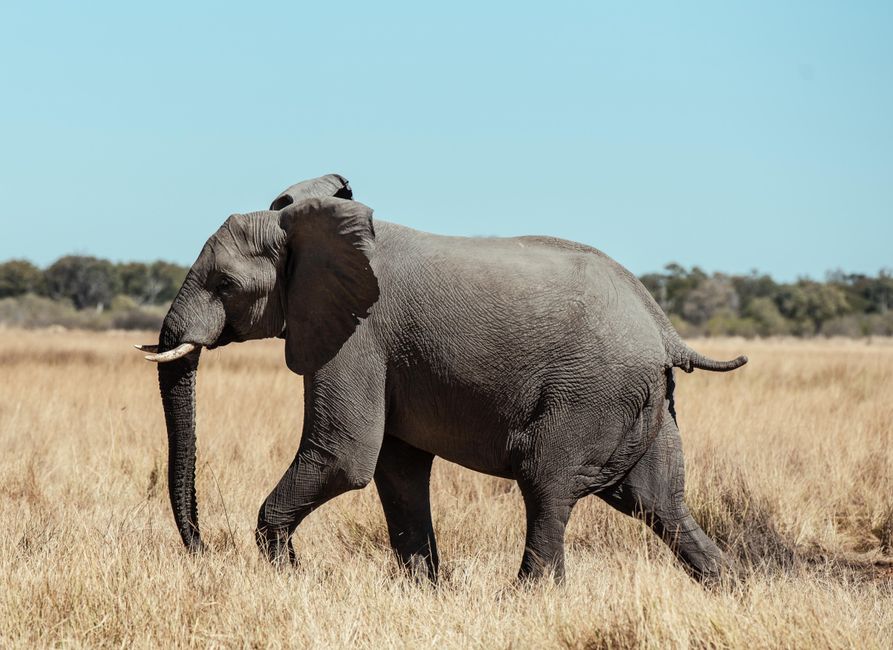
What “best” means for first-timers
“Best” is usually about the right balance of wildlife density, predictable road and boat access, and an experience style that fits your comfort level. For a first safari, you’ll typically want:
- Plenty of opportunities to see animals without long, exhausting days
- Habitats where wildlife gathers (waterholes, rivers, floodplains, open dunes)
- Easy-to-follow safari etiquette with clear rules from your guide
When these factors align, you spend less time searching and more time observing naturally behaved animals.
How to match your interests to habitat
Botswana’s strength is variety. Instead of thinking only in terms of “parks”, think in terms of landscapes:
- Water landscapes (the Okavango Delta and the edges of Moremi) tend to bring strong birdlife, varied viewing from land and water, and seasonal movement of animals.
- River landscapes (Chobe) often deliver dramatic, repeat sightings, including large herds at predictable times.
- Drier, open landscapes (Central Kalahari) reward patience with a wider sense of wilderness and species adapted to heat and sand.
This approach also supports wildlife welfare. When you understand why animals are where they are, you’re less likely to push for sightings at the wrong time.
Why these four areas work for beginners
Okavango Delta and Moremi are famous for biodiversity and for “slow watching” that still delivers memorable predators and large mammals. Chobe is one of the easiest places for first-time visitors to understand safari rhythms, thanks to regular sightings along the river system. Central Kalahari offers a different kind of magic: open views, distinctive desert wildlife, and a sense of space that many travellers find refreshing.
Together, these destinations cover the main safari styles most newcomers want to try.
Where to Go: Okavango Delta, Chobe, Moremi, Central Kalahari
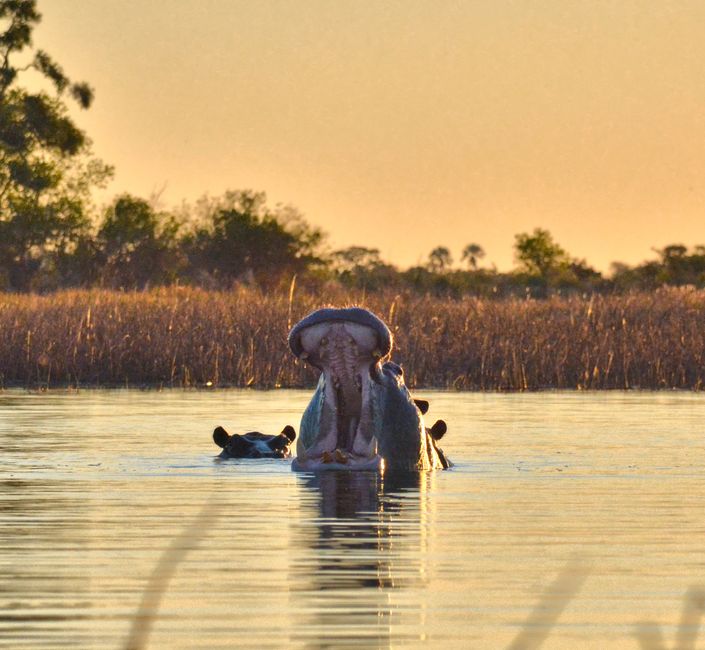
Okavango Delta and Moremi: Best for water-based safari days
The Okavango Delta is a labyrinth of channels and seasonal floodplains. Moremi Game Reserve lies within this broader system, with a mix of woodland, grassland edges, and islands of habitat shaped by flooding.
Who it suits:
- Travellers who enjoy birdlife, photographic detail, and watching animals in varied water-and-land settings
- People who want a mix of land drives and calm, guided water activities (when offered by your operator)
- Anyone comfortable with seasonal change as part of the experience
In flood and post-flood periods, animals may spread out and the scenery looks different from dry-season conditions. That’s not a downside; it’s part of the ecosystem’s story.
Chobe National Park: Best for classic big-game sightings
Chobe National Park is strongly associated with the Chobe River and its surrounding floodplains. This concentration of water and grazing draws animals repeatedly, especially during drier periods.
Who it suits:
- First-time safari-goers who want straightforward, high-probability sightings
- Families and groups that prefer a predictable daily rhythm of land and river viewing
- Photographers who want dramatic riverfront scenes and large herds
If your goal is to see elephants early and often, Chobe is usually the easiest match.
Central Kalahari Game Reserve: Best for open-land, far-from-everything safari
Central Kalahari Game Reserve is defined by sandveld, pans, and wide horizons. Wildlife here is adapted to heat and scarcity, and sightings often reward stillness rather than constant movement.
Who it suits:
- Travellers who prefer a wilder atmosphere and fewer “dense crowd” moments
- Guests interested in unique Kalahari species and behaviour, not just the biggest animals
- People who can stay flexible when tracks, weather, and wildlife distribution affect where drives happen
For first safaris, it’s worth approaching Central Kalahari with patience: visibility can be excellent in open country, but animals are not always close.
What You’ll See: Wildlife Viewing Style by Region
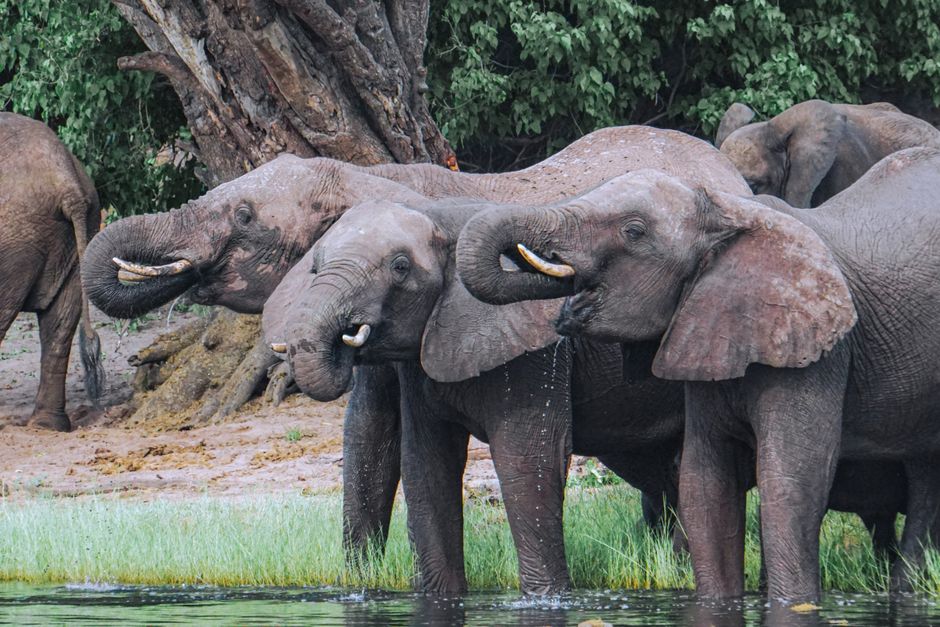
Okavango Delta and Moremi: Birds, predators, and varied encounters
In the Okavango Delta and Moremi, expect wildlife viewing that changes with water levels. Birdlife is a highlight, and your guide can often interpret activity by reading where food and perches concentrate.
Predators are present, too, but the viewing style is often about careful searching and patience. Large mammals may appear along channels, in woodland edges, or at times when animals travel between resting and feeding areas.
How it feels:
- More time spent quietly watching animals approach natural water sources
- Opportunities for close, grounded observation of behaviour (drinking, feeding, resting)
- Seasonal variation that keeps repeat visits interesting
If you’re hoping for an “easy to spot everything” safari, this region still delivers, but it rewards people who are happy to watch closely rather than chase.
Chobe: Riverfront elephants and a lively daily pulse
Chobe’s reputation comes from how often animals are visible, particularly around the river system. Elephants are a standout, but you’ll also have chances to see other grazers and predators that follow the movement of prey.
What makes Chobe beginner-friendly is how easy it is to build a routine: morning and late-afternoon are often productive for wildlife activity, and your guide can position you for views that limit disturbance.
How it feels:
- Regular sightings that build confidence for first-time safari watchers
- More frequent opportunities to compare animal behaviour in different lighting and distances
- The “classic safari” atmosphere, with less guesswork about where animals are likely to be
Central Kalahari: Desert-adapted wildlife in wide-open spaces
Central Kalahari is often where first-time visitors appreciate Botswana’s diversity beyond grasslands and rivers. The reserve can be excellent for seeing species adapted to dry conditions, including gemsbok (oryx) and springbok. With patience and good tracking, other desert-adapted animals can also appear.
Large predators, including lions, can be part of the story, and the landscape can make sightings feel especially memorable because there are fewer trees and less visual clutter.
How it feels:
- A quieter, more spacious safari tempo
- Strong opportunities for long-range observation when animals are on open ground
- Watching for signs of activity: tracks, dust movement, and changes in bird behaviour
For many travellers, Central Kalahari provides the most “wilderness” feeling of Botswana’s major first-safari areas.
Responsible Safari Etiquette for Botswana
Keep a respectful distance and follow vehicle rules
The most important safety and welfare rule is simple: don’t crowd animals. Your guide should handle approach distances and positioning, and you should follow instructions on when to stop, when to move on, and when to avoid certain directions.
If you’re unsure, watch what other vehicles are doing nearby and let your guide set the pace. In areas with frequent wildlife sightings, responsible operators are consistent about keeping space.
Protect predators, nesting birds, and sensitive habitats
Botswana’s wildlife includes animals that are easily affected by disturbance. Even when animals seem calm, short-term pressure can change their feeding, resting, and movement.
Key practices:
- Limit time lingering at kills or areas where predators are hunting
- Keep noise and phone/camera distractions down, especially in quiet water and bird-rich areas
- Don’t bait animals or try to “help” them come closer
In bird-heavy habitats like the Delta and Moremi, your guide may use observation points to reduce disturbance while still giving you clear views.
Respect local people and support the right kind of guiding
Botswana’s safari experience is strengthened by local knowledge, and that knowledge includes awareness of land use and community expectations. Choose an operator that values local guides and works within permit rules.
On the ground, basic respect goes a long way: follow cultural boundaries, ask before taking photos of people, and treat community interactions as part of the safari rather than an optional extra. When tourism is handled responsibly, benefits are more likely to stay with local communities.
Planning Your First Safari: A Smooth, Low-Stress Route
How many nights to start with
For a first safari, it’s usually better to do fewer regions well rather than trying to “collect parks”. Multi-park itineraries can work, but tight schedules often reduce time spent with wildlife and increase travel strain.
A practical starting point for most first-timers is:
- Choose either one main region for a deeper experience, or two regions if you want variety
- Plan longer stays where you’re most likely to enjoy the habitat style (water time in the Delta/Moremi, river time in Chobe, open-country time in Central Kalahari)
Your guide and lodge team can help refine this once you know your pace, mobility, and whether you’re prioritising photography, big cats, elephants, or birds.
Timing your trip with seasonal rhythms
Botswana’s seasons influence where animals concentrate and how easy travel feels. In general terms:
- Dry, cooler periods tend to concentrate animals near reliable water sources
- Warmer, wetter periods can change water levels in the Delta system and affect access routes and viewing patterns
Rather than chasing a single “best month,” decide what viewing style you want most. If you want predictable riverfront movement, plan with the dry season in mind for Chobe. If you’re excited by water-and-bird habitat variety, the Delta and Moremi can be especially compelling when seasonal conditions reshape the landscape.
Transport, logistics, and booking wisely
Botswana is a big country, and distances can surprise first-time visitors. Many itineraries use a mix of road travel and short flights to connect key areas efficiently.
For planning safaris and adding guided activities that match your interests, Viator can be a practical place to compare options alongside direct lodge and operator recommendations. The key is to read carefully what’s included and confirm that guides follow responsible wildlife protocols.
Overall, the most successful first safari planning comes from aligning your route with the landscapes you want to experience, then choosing an operator that prioritises welfare and safe guiding. By following these…
Leave a Reply