
Are you interested in experiencing the vibrant culture and forest knowledge of the Bwindi Batwa responsibly? This guide covers how community-led tours work, what respectful behaviour looks like, and how to pick operators that share benefits locally.
Bwindi Impenetrable National Park is famous for gorilla trekking, but the area’s greatest value also comes from people: the communities who know the forest and the Batwa (often spelled “Batwa”) communities who have long lived alongside it. A responsible visit helps ensure that cultural sharing supports livelihoods and conservation, rather than turning local life into a performance for visitors.
Below is a practical, visitor-friendly guide so you can enjoy the experience, protect community dignity, and travel in a way that supports long-term benefits.
How Community-Led Batwa Experiences Work

In good setups, the “tour” is not a one-way briefing. You are invited to ask questions, listen, and observe at a respectful distance, while hosts explain the meaning behind songs, craft techniques, or forest knowledge. If your group is large or rushed, the experience can shift toward entertainment, so smaller groups are often more respectful and more meaningful.
Benefits should stay connected to the community
A responsible experience is built around benefit-sharing: fees should translate into community income and support for local priorities (for example, education, health needs, community projects, or conservation-linked work). The best operators can clearly explain how community members are employed, how payment is structured, and how contributions are allocated.
If an operator cannot explain where the money goes, or if visitors are encouraged to give cash directly in ways that bypass local systems, it can increase pressure on vulnerable people and reduce fairness. Clarity is a form of protection.
Park-linked activities should be separate and transparent
Because Bwindi is a national park area, different parts of a trip may involve different responsibilities. For example, community experiences may happen near the park edge, while other activities may require separate arrangements. A trustworthy operator explains what is included, what is paid to the community, and what relates to park or guiding requirements—so you understand what your fee actually supports.
Where to Go and When to Visit Around Bwindi

Choose timing that suits culture and comfort
Bwindi’s weather influences comfort, especially if there is any walking involved. During wetter months, trails and paths can be muddy, so clothing and footwear matter for safety and dignity. During drier periods, it’s usually easier to move around and spend longer listening and learning without feeling rushed by discomfort.
It’s also worth considering your energy levels. Cultural sessions can be emotional and thought-provoking, so planning a relaxed schedule afterward helps you stay present and respectful rather than treating the experience as a quick stop.
What you might do on the visit
Responsible operators describe the activities in advance, with clear expectations and consent-based photography. The most common components include:
- Bwindi Impenetrable National Park (the surrounding community area where many visits take place)
- Cultural storytelling and songs shared by Batwa hosts
- Community craft demonstrations (such as basketry and other handmade items)
- A guided walk focused on forest knowledge and local ways of observing the environment
- Engagement with community-led projects connected to education, health, or conservation-linked work
What a Respectful Batwa Community Visit Feels Like
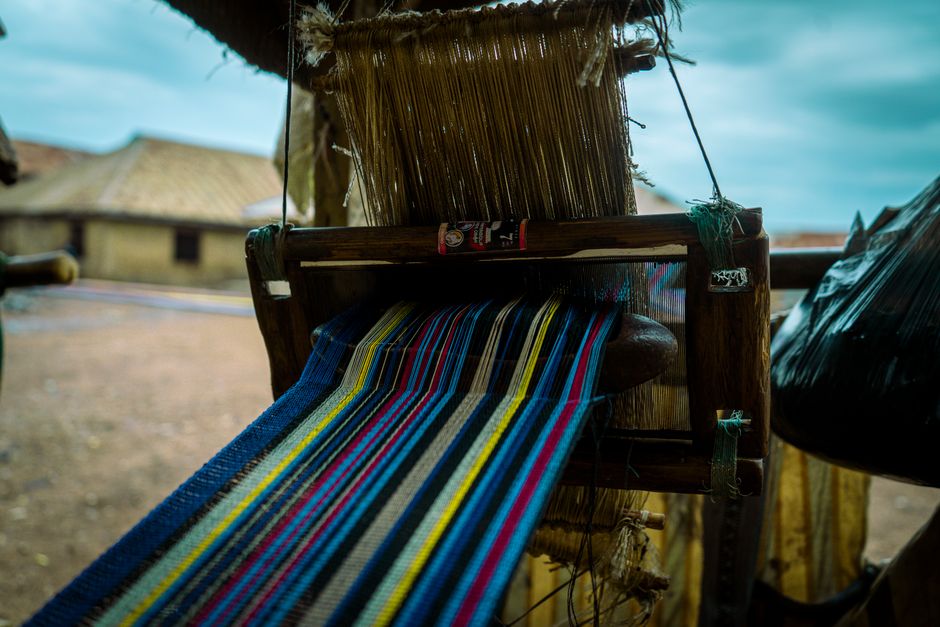
Good hosts also manage boundaries. They may explain that certain cultural practices should not be photographed, that some topics are sensitive, or that storytelling has context. Respecting that guidance protects dignity and helps keep the community relationship healthy.
Photography and filming: ask first and stay discreet
Cameras can easily shift the tone from respectful learning to voyeurism. Responsible guides typically ask permission before photographing or filming, and they may offer photo times during demonstrations where consent is clear.
When permission is granted, keep behaviour considerate: avoid intrusive close-ups, do not photograph children unless explicitly welcomed by the host and guardians, and do not block movement or interfere with teaching. If permission is refused, accept it calmly.
Use questions that show respect
Thoughtful questions can deepen understanding, but “spotlight” questions that focus on poverty, stereotypes, or “before and after” trauma can cause harm. It’s better to ask how people learned, what a craft item means, how forest knowledge is passed on, or how community projects support everyday life.
A respectful visit acknowledges that hosts are not obligated to educate or entertain on demand. If the conversation naturally moves away from your expectations, follow the host’s lead.
Choosing Operators That Share Benefits Locally

Avoid operators that market the experience in dehumanising ways (for example, implying that the value is in “poverty entertainment” or using language that reduces people to stereotypes). Ethical partners speak respectfully about Batwa culture, emphasise consent, and focus on mutual exchange.
Watch group size, timing, and “pressure tactics”
Even a well-intentioned operator can create harm if logistics are too tight. High-pressure sales language, forced upsells, or fast photo stops can encourage disrespect. A responsible operator keeps time for listening, allows breaks, and ensures hosts are comfortable.
Smaller groups also reduce stress on hosts, improve conversation quality, and make it easier for you to notice and follow boundaries.
Ask the operator clear questions before you go
You do not need to be an expert to check whether your money stays local. These questions help:
- Who are the guides and hosts—are they community members, and how are they engaged?
- What portion of the fee supports community work, and how is that benefit shared?
- Is photography and filming permission-based, and are there no-go areas?
- What happens if a host asks a visitor to stop filming or changing behaviour?
If an operator answers vaguely, avoids direct questions, or discourages transparency, it’s a sign to look elsewhere. Good operators are used to responsible visitors asking how things work.
Make the Most of Your Experience (Without Taking More Than You Give)
Prepare so you can behave well on the day
Responsible behaviour starts before arrival. Wear clothing that suits the area and respects comfort, with covered arms and legs where appropriate (especially if walking). Carry a small amount of water and keep your phone handling calm and quiet.
If you plan to buy crafts, treat it as fair payment for skills and time. Ask about the item’s meaning or how it’s made, rather than shopping only for souvenirs. Purchases should complement respect, not replace it.
Support dignity through your interactions
Treat community members as people with agency, not as characters in a documentary. That means avoiding intrusive questions, waiting your turn, and following instructions from the hosts.
It also helps to be mindful with tips or extra payments. If you want to give more, ask the operator how contributions are handled, so money flows through local systems rather than creating unfair pressure on individuals. In many responsible setups, hosts can suggest appropriate ways to support community priorities.
Plan logistics that reduce stress and improve outcomes
Travel planning can make a real difference. Build in time to arrive early, settle, and settle expectations before the experience begins. If you’re arranging transport and accommodation, choose options that are practical for the route to Bwindi’s community areas.
If it helps with arranging stays and transport timing, Booking.com can be used to check availability, but the key responsibility still sits with choosing a community-fair operator for the Batwa portion of the trip.
Overall, the most rewarding Bwindi Batwa community experiences happen when you arrive as a considerate guest: you listen first, ask permission for photos, follow the host’s boundaries, and choose operators that can clearly show how your fees support community members and local projects. By following these… you help keep culture meaningful, tourism benefits fair, and conservation-linked living spaces supported for the long term.
Leave a Reply