
If you're a birding enthusiast, then you know that Africa is a paradise for birdwatching. This is a practical guide to planning wildlife-focused transfers from Cape Town to the Cape Winelands and the best Western Cape reserves, with an emphasis on comfort and time.
You will learn how to choose the most efficient route structure, whether to pre-book a driver or rent a car, and how to build transfers into a smooth itinerary that respects animal welfare and keeps things safe on mountain and coastal roads.
Plan Your Route: Cape Town, Cape Winelands, and Reserve Hubs

A helpful approach is to group stops into clusters. For example, the Cape Peninsula and Table Mountain National Park work well as one cluster; West Coast National Park is another; and the Overberg and south-coast reserves sit well as a third cluster. The Cape Winelands then becomes the mid-trip experience that breaks up long drives.
Use a simple base-and-day-trip rhythm
Many travellers find the most comfortable pace is one accommodation base in Cape Town (or the Winelands) and day trips from there. If you want more time in the reserves and less time packing and unpacking, you can also do a “two-base” plan: spend several days with wildlife days from Cape Town, then switch to the Winelands base for a calmer stretch and better access to the southern reserve corridor.
This rhythm matters because wildlife viewing is rarely “just a drive.” Gates, check-in times, guided activity start times, and sunrise conditions can all shift your day. A transfer plan should protect your earliest departures.
Match drive time to your viewing windows
In the Western Cape, time efficiency is not only about distance; it is about predictable arrival. Morning light and feeding rhythms are often strongest early, especially for coastal wildlife. Plan transfers so you are at the reserve gate before activity starts, with buffer time for traffic on the N1, N2, and local connectors.
If you are building an itinerary around early starts, schedule the road legs the evening before where possible, or choose a driver option that can handle a very early pickup without last-minute friction.
Transfer Options That Keep Wildlife Days Smooth
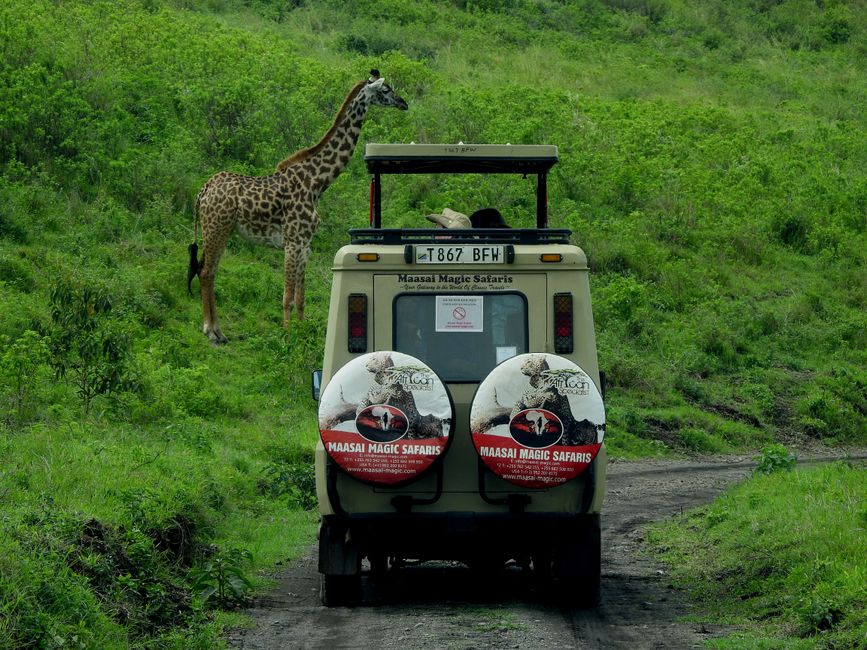
For door-to-door pickup from Cape Town to the Cape Winelands and beyond, GetTransfer can be a practical way to lock in timing when your itinerary is tight.
Car rental: best when you want flexible in-between time in the Winelands
Renting a car can be comfortable and cost-effective when your wildlife days are fewer and your middle days are about flexibility. The Cape Winelands are ideal for this style of travel because you can adjust your schedule around tasting rooms, lunch, and scenic pull-offs.
However, keep the “handover” in mind. If you are switching from Winelands driving to reserve driving, make sure your rental plan includes adequate buffer time for gate checks and any park entry procedures.
When shared transport makes sense, and when it does not
Shared shuttles can be a good fit for straightforward routes, but wildlife-focused days often require more control. If your viewing plan includes early morning starts or specific guided slots, shared transport can create stress that reduces enjoyment and increases the chance of rushing at the wrong time.
If you do use shared transport for part of the route, keep your most timing-sensitive wildlife activities on the side of the day you control, with a pre-arranged pickup for the reserve.
When to Pre-Book Drivers vs. Use a Rental Car

Strong examples include morning drives to coastal viewing areas, days when you are moving from the city to a reserve that requires specific check-in windows, and any route that involves multiple stops. In these cases, pre-booking reduces decision fatigue and helps you arrive calmer—better for both wildlife viewing and road safety.
Use a rental car when you are batching flexible activities
A rental car is a good fit when you are stacking activities that can shift, such as a Winelands day with a few scenic choices and lunch timing. It is also a good option when your wildlife day is later in the day and you do not need to be at the gate at dawn.
A useful strategy is to alternate controlled and flexible days. For instance, pre-book for a sunrise wildlife day, then use a rental for a mid-morning-to-afternoon Winelands itinerary, then return to a scheduled driver for the next reserve move.
Build in a buffer for check-in, gates, and weather
Weather in the Western Cape can change quickly, especially along coastal routes and when moving between valleys. That means transfer planning needs a buffer that covers slow traffic, temporary road delays, and the time it takes to switch from “driving mode” to “wildlife etiquette mode.”
Consider confirming these points before you commit:
- Exact pickup location and time window (not just a general time)
- Whether the vehicle can wait at gates or accommodation (and for how long)
- Arrival target time for the reserve, including buffer for check-in
If your itinerary expands beyond the Western Cape corridor—for example, adding a reserve area closer to George—flight timing can influence your whole road plan. Aviasales can help align those flight dates, after which a reliable local transfer plan completes the connection.
Wildlife-Focused Stops Where Comfort Affects the Experience

For this area, comfort matters because you may be taking short walks, managing camera setups, and returning to the vehicle at irregular times. A scheduled transfer helps you avoid rushing between viewing points and keeps parking and navigation stress low.
West Coast National Park for wetlands and open-air viewing
West Coast National Park is a different “pace”: more open landscapes and long horizon viewing, with wildlife often best observed when light is even and visibility is good. Transfer planning should focus on arriving early enough for calm viewing, then staying flexible about where you pause.
In practical terms, this is where pre-booked transfers can shine if your day includes multiple viewpoints. If you are driving yourself, make sure your route is rehearsed before you travel with a camera bag, and plan for a realistic return window so the experience does not end in a hurried dash.
De Hoop Nature Reserve and Kogelberg Nature Reserve for fynbos country
If your itinerary moves into the southern reserve corridor, De Hoop Nature Reserve and Kogelberg Nature Reserve deliver fynbos scenery, waterways, and scenic wildlife drives. These areas reward a transfer plan that reduces fatigue: long road segments become much easier when you are not also navigating and parking.
A good rule is to choose the transport mode based on how many “transition moments” your day includes. If your plan involves driving, check-in, and then a guided or self-guided route, a private driver can help you arrive ready rather than trying to reset your headspace on arrival.
Optional add-on: private reserve drives for concentrated wildlife time
For travellers who want to maximise wildlife viewing time with less uncertainty, a private reserve can be an efficient add-on. Aquila Private Game Reserve is one example in the broader region where you can structure a day around organised game drives or guided activities.
This is where comfort and timing become tightly linked. Your schedule is often built around specific start times, and a transfer plan that protects those windows makes the day feel effortless.
Ethical, Safety-First Travel Between Cape Town and the Reserves
Keep distance from wildlife and follow gate and viewing rules
The most important ethics are simple: treat viewing as a privilege, not a pursuit. That means following reserve instructions, keeping to designated roads, and not pressuring animals for photos. If your transfer includes coastal areas and viewing platforms, respect any marked walkways and avoid stepping into restricted habitat.
When wildlife is close to roads, resist the urge to idle and stare. Let animals move naturally, and keep your vehicle stable and quiet. The goal is to see behaviour without creating disturbance.
Prioritise road safety on mountain and coastal routes
The Western Cape can present wet patches, wind, and sudden changes in road conditions. Safety is not only about speed; it is also about fatigue and attention.
If you are driving yourself, avoid long “one-more-stop” decisions late in the day. If a driver is part of your plan, clarify whether they are comfortable with the specific reserve road access pattern and whether the vehicle is suitable for the route conditions (especially on gravel or uneven surfaces).
Respect communities and property while you move through landscapes
Between Cape Town and the reserves, you pass through working landscapes and community areas. Keep windows up where appropriate, do not block access roads, and avoid taking shortcuts through private land. If you pass farm buildings or community entry points, treat them as part of the journey’s responsibility, not as an inconvenience.
Overall, the most comfortable and time-efficient transfer plan is the one that protects your viewing windows, reduces last-minute navigation stress, and keeps you calm enough to follow reserve etiquette. Choose pre-booked drivers when your itinerary is schedule-critical and early starts matter most, and use a rental car when your Winelands days need flexibility. With the right structure, your Cape Town to Winelands to Western Cape wildlife route becomes a smooth, respectful journey built around what you actually came to see.
Leave a Reply