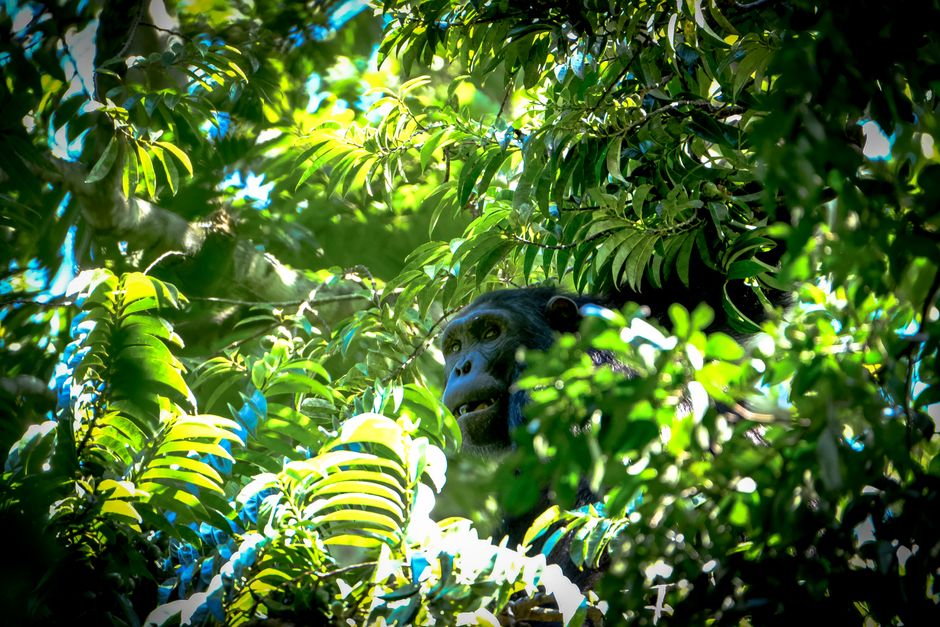
If you're planning a chimpanzee trekking safari, you know that Uganda’s Kibale Forest National Park is one of Africa’s best places to track chimpanzees in the wild.
This guide covers permit rules, which trail is most likely to be used on the day, when to arrive for your briefing, and how to choose a reputable operator so your experience stays safe, ethical, and conservation-minded.
Kibale’s chimp tracking works differently from a typical “walk and see” activity. Rangers locate a specific habituated chimpanzee community, then lead you through changing forest routes based on where the animals are at that moment. Planning well helps you manage timing, expectations, and your behaviour in the forest.
Permit Rules and Booking Like a Pro
Know what a chimp trekking permit covers
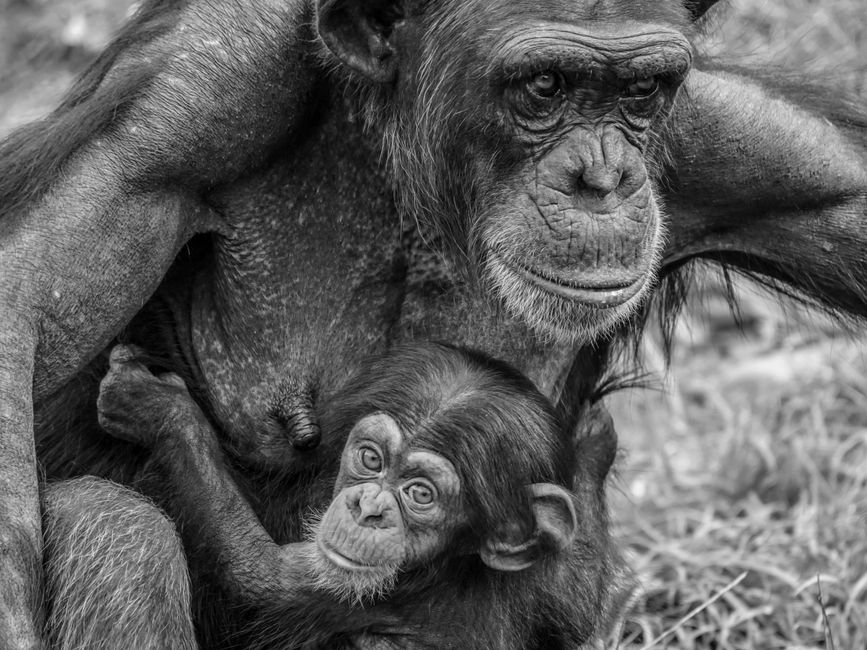
A chimpanzee trekking permit is the key requirement for entry into the chimp-tracking experience in Kibale. In most cases, the permit is tied to a specific date and participant, and it typically covers your ranger-led tracking activity within the park for that day’s scheduled sessions.
Because permits are limited, it’s not something to treat as flexible. If your travel dates shift, confirm what your permit can and cannot be changed into before making other bookings.
Plan around daily availability
Chimp trekking is run with capacity limits to reduce disturbance to chimpanzees and to keep the group manageable for safety. That means the “best” time to book is usually as early as your trip planning allows, especially if you’re travelling in peak periods when demand is highest.
When you book through a tour operator, check that what you’re paying for clearly includes the chimp trekking permit (not just “a day in the park”). If your operator says they “arrange permits,” ask them to explain how that process works and what documentation you’ll receive.
Expect a rules-focused briefing
Before you start tracking, expect a short but serious briefing from park staff. This is where chimp trekking rules are explained in plain terms, including hygiene expectations, how to behave if you hear or see chimpanzees nearby, and what to do if the tracking pace changes.
If anything is unclear, ask before you enter the forest. Once you’re out on the trails, the ranger instructions are your priority.
Getting to Kibale and Finding the Most Likely Trek Trail
Most treks begin at the main ranger trailhead
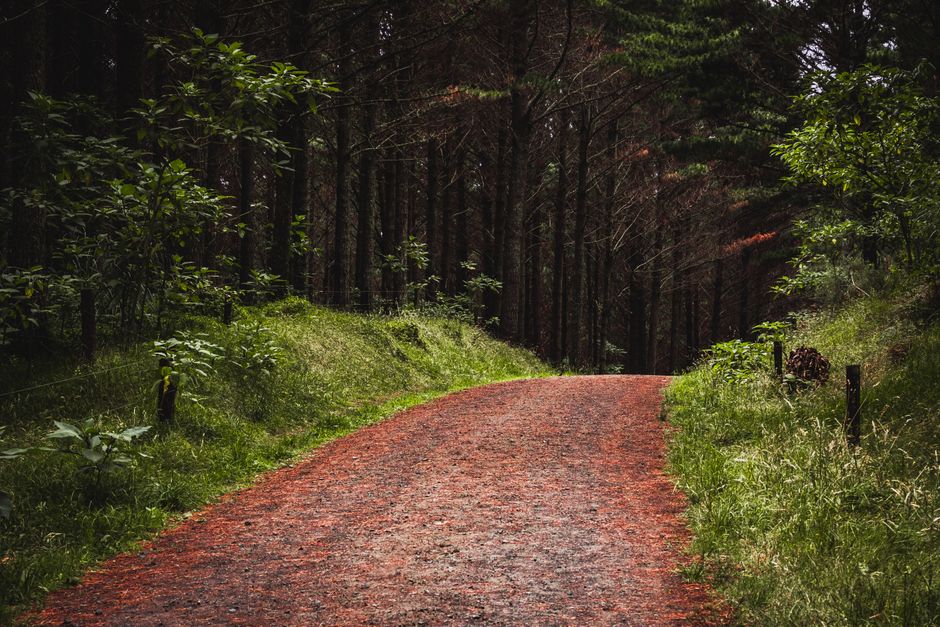
In Kibale, you generally start from a designated visitor area (often referenced as the Kanyanchu area) where rangers collect your group and begin tracking in earnest. From there, the trek route is not fixed like a numbered hiking trail. Instead, rangers follow signs and movement patterns from the chimpanzees, then lead you along ranger-approved paths that match where the animals are at the time.
So the “most likely trail” on a chimp day is best understood as the ranger-led track sequence that begins at the main trailhead and then shifts according to the chimpanzee community’s location.
Why the route changes from day to day
Even though you’ll be in the same national park, the chimpanzees may be feeding, travelling, or resting in different forest compartments. That means the walking route can vary in distance and terrain.
On many days, you can expect a mix of narrow paths, forest edges, and deeper interior tracks, with pauses as rangers interpret calls and movement. Your job is to follow the group, keep noise low, and be ready for short stretches of faster walking.
What weather changes the trek
Rain can make paths slippery and slow the pace, which affects how quickly rangers can move and how the group stays together. If it has rained recently, plan for uneven ground and take your time over roots and mud.
Similarly, if visibility is lower (for example, due to mist or thick cloud cover), rangers may spend more time tracking by sound before the group gets close enough to see chimpanzees clearly.
On-the-Day Chimpanzee Trek Experience
Arrive early for briefing and check-in
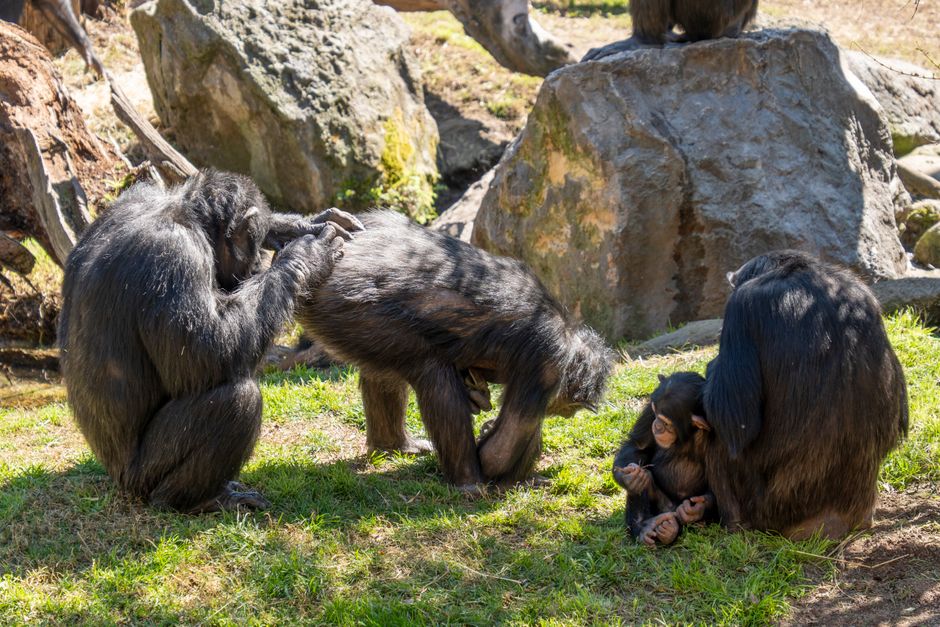
For chimp trekking, arriving on time is not just courteous—it helps the day run safely. Arrive at least 30–60 minutes before your scheduled briefing so you can check in, use the restroom, and be ready when the rangers call your group.
If you’re coming from nearby lodges, factor in road conditions and the time it takes to move through check-in procedures. Starting early is normal for forest tracking because it gives rangers more flexibility to locate the chimpanzees.
Safety and distance are non-negotiable
Chimpanzee trekking is one of those experiences where the best viewing is also the safest viewing. Expect strict rules around staying calm, not touching wildlife, and maintaining the minimum distance set by rangers.
For chimpanzee treks in Kibale, you should be prepared to keep at least 8 metres from chimpanzees and to follow immediate instructions if the animals approach, change direction, or show signs of agitation. If you’re feeling unwell, tell the team during check-in and follow their guidance—forest disease transmission prevention matters for both people and chimps.
Tracking pace: patience beats speed
Chimpanzee treks can be physically demanding, but the biggest challenge is mental patience. Chimpanzees may move quickly, pause to feed, or change direction multiple times.
To have a smoother experience: keep your group spacing consistent, avoid sudden movements, and focus on ranger signals. When you do reach viewing distance, stay quiet and allow others to see too. Photography is welcome, but keep your behaviour controlled—no blocking rangers’ line of sight and no crowding to get a better angle.
Ethics, Safety, and Why Your Behaviour Matters
Treat proximity as a privilege, not a right
Getting close to wildlife should never feel like entitlement. Your actions influence how long chimpanzees remain calm and how likely it is that rangers can keep the group in line with safety rules.
That means no calling to chimpanzees, no attempts to “lure” them, and no efforts to reach around other people for a better view. If the group needs to move, move as instructed, and maintain your distance even if an incredible sightline appears.
Hygiene and health rules protect chimpanzees
Chimpanzees are highly sensitive to human illness. That’s why trek participants are usually asked to follow hygiene protocols before and during the trek.
Common expectations include using hand sanitiser when directed, avoiding the trek if you have symptoms of infectious illness, and keeping your face clear of the animals’ space. If you wear a mask or other protective item, follow ranger guidance on how to use it properly in the forest.
Your trip can support conservation beyond the trek
Responsible chimp trekking also means thinking beyond the moment of viewing. Choosing a trek operator that respects park rules helps reduce off-trail pressure, keeps group size in check, and supports the wider conservation effort that allows Kibale’s habitats and chimp communities to persist.
If your operator discusses community engagement—such as employment, training, or local sourcing—ask how that work is structured and whether it aligns with park priorities.
Choosing a Reputable Operator and Building the Right Itinerary
Operator credibility checks
A reputable chimp trekking operator does more than provide transport. It helps you navigate permit realities, respects ranger authority, and plans logistics so you arrive calm and prepared.
Use these checks when comparing operators:
- Confirm that chimp trekking permits are included, not “optional add-ons.”
- Ask who provides the guide/ranger coordination and whether your group stays under the operator’s control throughout.
- Look for clear written expectations on arrival time, what to bring, and what happens if the trek is delayed.
- Choose an operator that emphasises safety rules and behaviour around wildlife, rather than focusing only on marketing.
If an operator can’t clearly answer these points, it’s a sign to keep looking.
Plan your day around realistic timing
Chimp trekking is influenced by how chimpanzees move and how trail conditions are in the forest. That means your schedule should include buffer time before and after the trek.
Build in time for check-in and travel to the trailhead, then allow flexibility for the trek duration. Avoid tightly packed plans that assume you’ll be back at a precise hour, because rangers may need extra time to locate chimpanzees or manage the group safely.
Pair Kibale with Bigodi for a fuller nature day
If you want to extend your nature experience without losing focus on chimp trekking, Bigodi Wetland Sanctuary is a popular add-on near Kibale. It’s a great way to continue wildlife watching and learn more about the broader ecosystem around the forest.
A well-paced itinerary often works like this: prioritise your chimp trek for the early morning session, then use the later part of the day for calmer activities such as wetland walks and bird-focused sightings.
If you’re also arranging accommodation near Kibale, Booking.com can be a practical way to shortlist lodges and check which properties are well placed for early-day starts.
Overall, the best chimpanzee trekking safari plan in Kibale is the one that aligns permits, timing, and operator quality. By following these… you’ll arrive early for briefings, trust ranger-led routes as the “most likely trail” for the day, keep strict distance and hygiene rules, and choose a trekking operator that prioritises permits, safety, and ethical wildlife viewing.
Leave a Reply