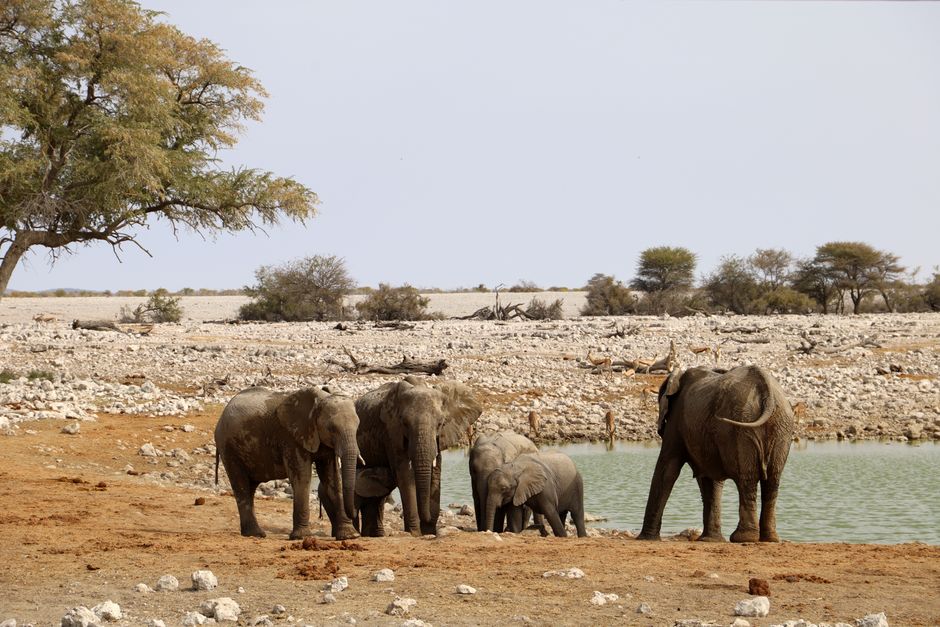
If you're planning a safari trip, you might be wondering how you can make your experience more sustainable.
Staying close to the waterholes in Etosha National Park can reduce long drives, lower disturbance, and help you build a simple rhythm of sightings around the times animals naturally gather to drink.
This guide maps the best areas to stay for waterhole access, focusing on the park’s main camps and nearby conservancy options, plus practical tips for turning your base into a full game-viewing day.
Where Etosha Waterholes Shape Your Stay Plan
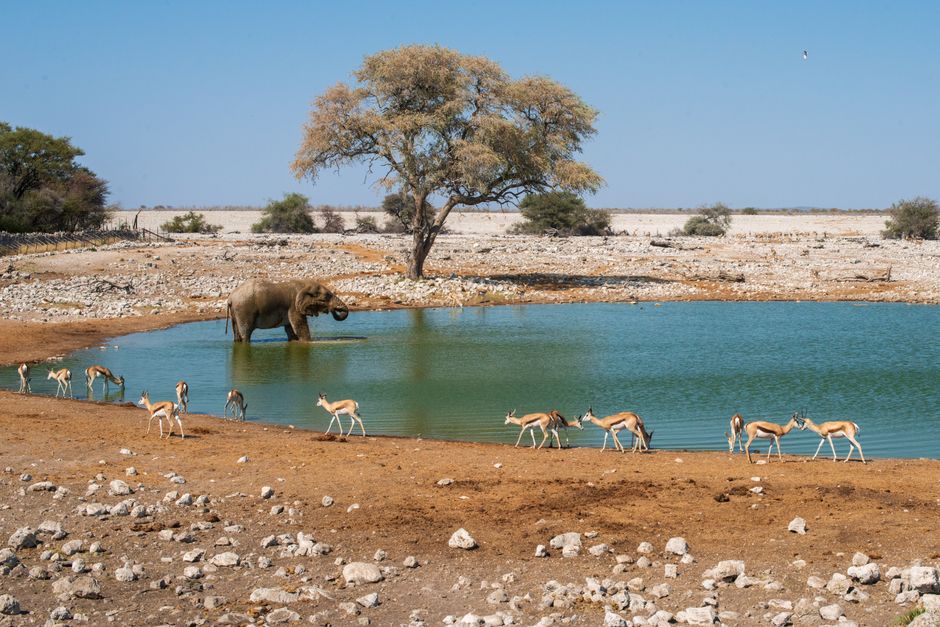
The three main waterhole zones you’ll plan around
Most safari days in Etosha revolve around where animals converge to drink, especially during drier periods. The most reliable “anchor” areas for planning are the waterhole setups associated with the park’s main visitor bases: Okaukuejo Camp, Halali Camp, and Namutoni Camp. These locations give you straightforward access to night and early-morning viewing, which is when animals are often most active around water.
Outside the park, the most useful add-on zone is the conservancy landscape around Ongava Game Reserve, where guided game drives can slot neatly into a broader Etosha itinerary.
Why proximity matters more than you might expect
Choosing a base close to your target waterhole zone helps in two ways.
First, it makes it easier to follow a calm routine. You can spend more time observing animals and less time relocating, especially when roads slow down with dust or sand.
Second, staying nearer to the action supports wildlife welfare and park rules. It reduces the temptation to rush between sightings, which often leads to unnecessary stopping and louder vehicle behaviour.
How to think about drives without overplanning
Rather than forcing every sighting into a strict timetable, build your day around two viewing windows: one closer to sunrise and one later in the day. When your accommodation is near the waterhole zone you’re targeting, it’s easier to return for that second window without cutting your viewing short.
Aim for flexibility. If the waterhole is busy, plan to watch calmly and avoid “chasing” animals across the landscape. If activity is quieter, you can use the same base to explore other parts of the same region.
Best Lodge Areas for Okaukuejo Waterhole Viewing
Okaukuejo Camp: a classic base for predictable waterhole time
If your goal is to spend meaningful time watching elephants, giraffe, and zebra move between feeding areas and a dependable drinking point, Okaukuejo Camp is often the most straightforward choice within Etosha National Park.
Staying here suits travellers who like their viewing sessions to start and end close to their door. It’s particularly helpful if the itinerary includes a slower mid-day break, followed by another attempt at late-afternoon and evening waterhole activity.
Extending your day from nearby private conservancy country
Even if most of the “main event” waterhole viewing is inside the park, many visitors appreciate the option to extend game-drive time into adjacent conservancy areas.
Practically, that means you can plan longer drives on the days when conditions are right and keep shorter drives on days when heat reduces movement. This approach helps you stay consistent with rules around vehicle behaviour and animal disturbance.
What you’re most likely to notice around this zone
From a waterhole-centred perspective, the Okaukuejo area tends to bring a mix of large herbivores into view at the same time. When sightings align, the result is often a busy, layered waterhole scene: elephants arriving, giraffe feeding nearby, and zebra taking turns to drink. Patience matters here, because the most satisfying moments often happen when you wait for animals to move into clear view rather than when you reposition repeatedly.
Halali Region: A Comfortable Base for Central Water-Dependence
Halali Camp for day-to-night planning
Halali Camp is a strong base if you want central Etosha access with an easy rhythm of viewing. It works well when you want to structure your safari around waterhole activity while still having the option to explore nearby areas during calmer parts of the day.
Because Halali sits in the heart of the park’s waterhole country, it can be a practical choice for travellers who prefer fewer back-and-forth drives. That makes it simpler to keep your vehicle stops controlled and your time on the road limited.
Where central stays help most in dry periods
During dry stretches, animals can become more predictable around available water. A central base like Halali makes it easier to keep your viewing focus on the same general region rather than constantly shifting zones.
That improves your experience even when sightings are uneven. When animals are spread out, having a base close to your chosen waterhole zone means you can return for the next likely wave of activity without losing the day.
Species highlights to watch for around Halali
If the trip includes a chance of seeing black rhinoceros, the Halali region is worth prioritising in your planning. Patience and quiet viewing matter most: the best sightings typically come from calm observation and time on station, rather than rapid repositioning.
Around the same waterhole cycle, you may also see giraffe and zebra using the area, with elephants sometimes moving through when conditions draw them toward water.
Namutoni Side: East-Block Waterholes and Easy Drive Days
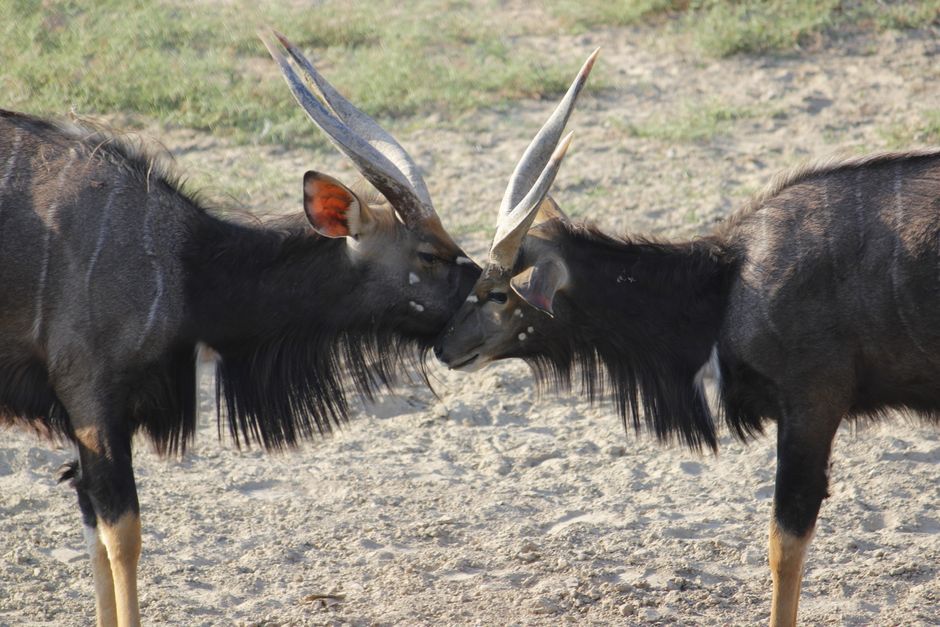
Namutoni Camp for an east-facing itinerary
Namutoni Camp is one of the most useful bases for building a waterhole-focused itinerary on the eastern side of Etosha National Park. Staying here is often ideal when you want your sunrise and evening viewing to be centred on the Namutoni waterhole area and the surrounding landscape.
This is a good match for travellers who prefer a clear “home base” feel. When the waterhole is your anchor, it becomes easier to plan the day without constant navigation stress.
Using Ongava Game Reserve to add extra viewing time
To make the most of each safari day, many travellers pair a stay in the Etosha zone with conservancy viewing beyond the park boundary. Ongava Game Reserve is particularly helpful for travellers who want additional game-drive time while keeping logistical effort reasonable.
This approach can also support wildlife welfare. Guided drives typically follow established routes and viewing etiquette, helping reduce unnecessary vehicle movement and disturbance compared with trying to cover everything independently.
How predators tend to fit in around waterhole cycles
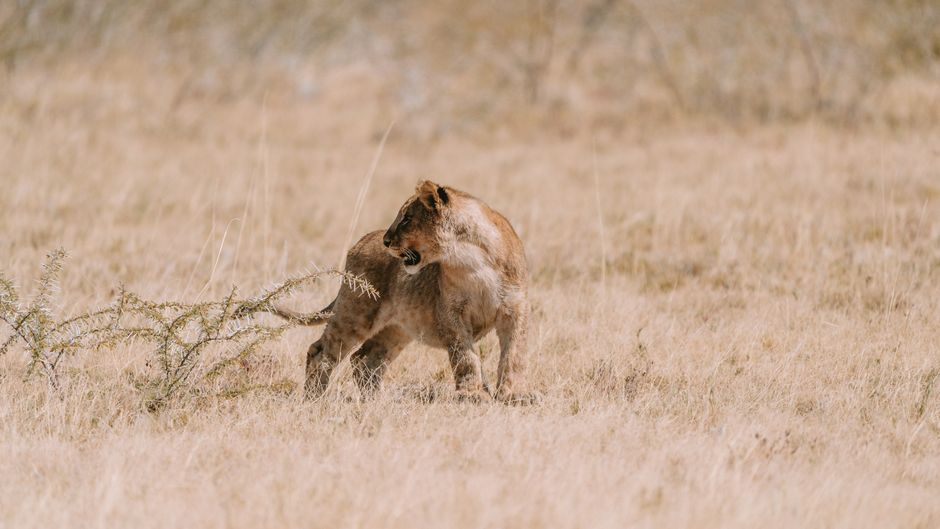
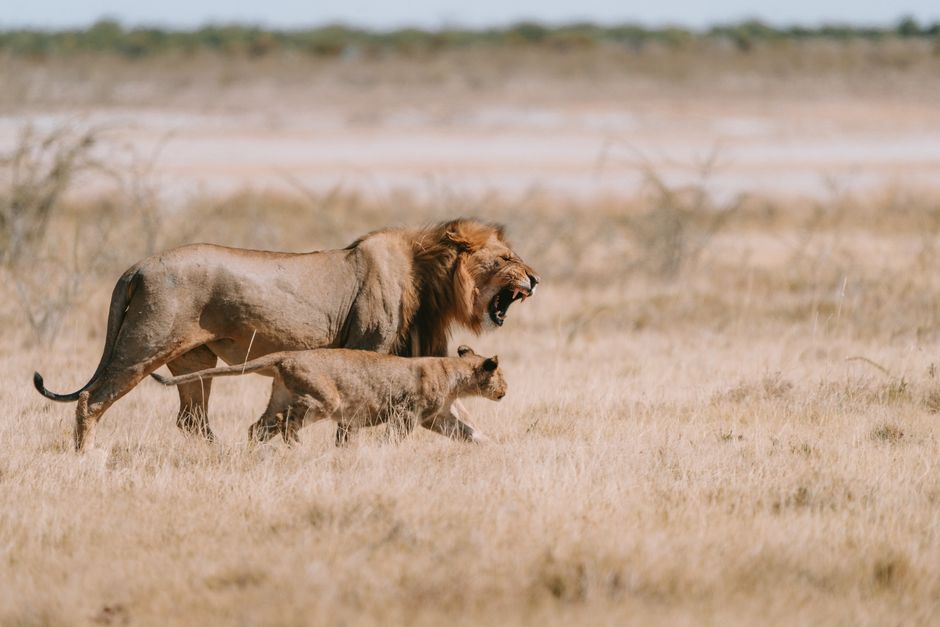
Waterholes do more than draw grazers and browsers. They also help draw larger animals into the broader area. If lion sightings are on your wish list, prioritising a base like Namutoni can improve your odds through simple consistency: you’re more likely to be in the right place at the right time when you can return easily for the next viewing window.
Focus on behaviour and spacing. If animals approach the waterhole calmly, it’s usually a sign that maintaining quiet observation is the best strategy.
Planning Game-Viewing Days Around Waterholes
Build your itinerary around two viewing windows
A waterhole-centred itinerary works best when you treat sunrise and the evening period as your “core sessions,” then use the middle of the day for rest, meal time, and repositioning only if it genuinely improves your viewing.
When you base yourself near the relevant camp zone, it becomes easier to avoid long, stressful transitions. That keeps the safari calmer for wildlife and more comfortable for you.
Respect distance, lights, and animal behaviour
Good waterhole viewing is about reducing impact. Even when the action is close, keep your vehicle behaviour disciplined:
- Stay within the areas and rules set by your lodge and park staff.
- Keep a steady viewing distance and avoid surrounding animals.
- Minimise bright lights and sudden engine noise, especially at night.
If animals change direction repeatedly, slow down, or show signs of discomfort, that’s your cue to give them space. The goal is to observe natural behaviour, not to create it.
Choose accommodation using proximity and drive simplicity
When deciding where to stay, prioritise proximity to your chosen waterhole zone and how easily you can return for the next session. Even when lodge facilities are similar, the viewing rhythm changes dramatically once you shorten the drive and reduce the number of relocations.
If planning independently, Booking.com can be a practical way to check availability and confirm which camps and nearby options match your dates.
Use this quick checklist to match your style to the right base:
- Do you want night-time waterhole viewing as a main activity?
- Are you planning sunrise sessions, or do you prefer late starts?
- Will you keep a mid-day rest, or do you prefer long drive days?
- Do you want one camp as your anchor, or a blend of park and conservancy stays?
Overall, the most successful Etosha waterhole safaris come from choosing a base that lets you build a simple, repeatable routine around the main waterhole zones: Okaukuejo Camp for straightforward central viewing, Halali Camp for central water-dependence and potential black rhinoceros encounters, and Namutoni Camp (with Ongava Game Reserve as an excellent add-on) for easy east-side drive days that can also boost opportunities for lion sightings. By matching your accommodation to proximity and keeping vehicle behaviour calm, you’ll see more of what matters while respecting wildlife welfare and park guidelines.
Leave a Reply