If you're planning a safari trip, you might be wondering how you can make your experience more sustainable. A thoughtful packing list helps cut waste, reduces clutter in remote areas, and makes early morning game drives more comfortable.
This guide walks you through a first safari packing list you can actually use: what clothing colours work best, how to layer for cold starts and warm afternoons, which binoculars to prioritise, and why soft bags make bush flights easier. It also includes a destination-aware planning section with examples from Maasai Mara National Reserve, Amboseli National Park, Serengeti National Park, Ngorongoro Crater, Chobe National Park, and Okavango Delta.
Whether this is your first wildlife trip or your first time travelling with light, mobile kit, the goal is the same: travel respectfully, stay safe, and enjoy the day without wrestling luggage at every stop.
Choose Safari Colours and Simple Layers

Stick to earthy colours that blend in
Most safaris run on vehicles and short walks, with lots of time spent watching animals from a distance. Clothing that’s neutral and muted tends to look natural in photos and helps you avoid startling wildlife when you’re moving around.
Aim for colours like olive, khaki, sand, brown, navy (in darker shades), and light grey. Save bright patterns and strong neon colours for daily life off the reserve, not for sightings and guiding moments.
Plan layers for early drives
Early starts are part of the rhythm: mornings can feel chilly before the sun climbs, while afternoons may warm up quickly. Layering keeps you comfortable without carrying bulky coats all day.
A practical layering approach is a light base layer (that wicks moisture), a mid-layer such as a fleece or warm shirt, and an outer layer that blocks wind or light rain. When the day heats up, you’ll shed the top layer and keep moving.
Use fabrics that handle heat and movement
Safari days include long sitting sessions in vehicles, quick climbs in and out, and occasional bush-walk situations depending on your itinerary. Choose breathable fabrics for most of the day and quick-drying materials so you’re not stuck with damp clothing after a wet patch.
If your kit tends to wrinkle, opt for fabrics that recover easily. That way, you spend more time watching and less time ironing in lodges where laundry may not always be available on the same day.
Pack Binoculars and Photo-Friendly Essentials

Binoculars: prioritise comfort over gadgetry
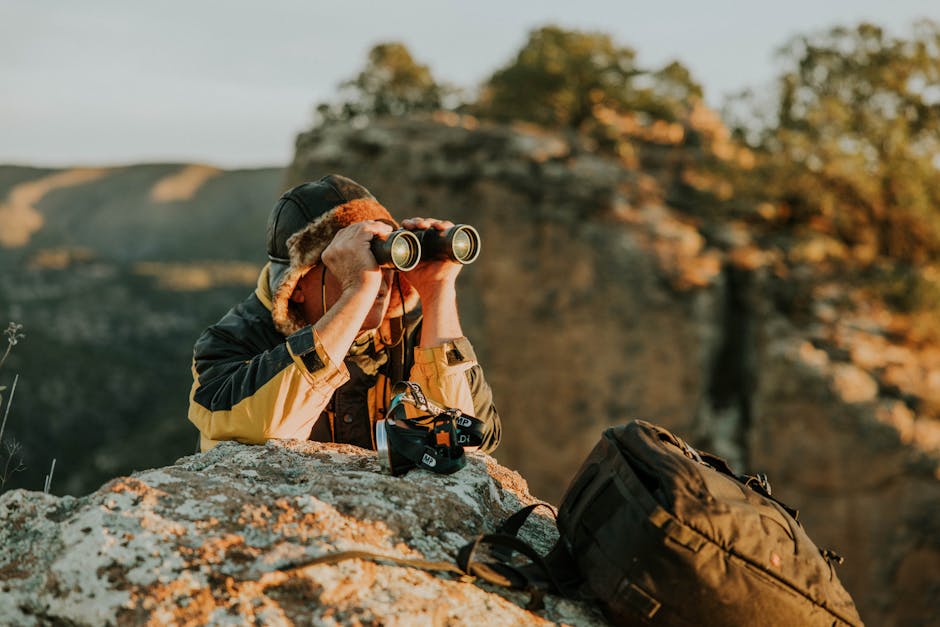
Binoculars are one of the best upgrades for first-time safari viewing because they bring behaviour into focus without needing to approach animals. For many travellers, the “right” binoculars are the ones that feel steady and comfortable in-hand for long periods.
Look for a model that balances image clarity with manageable weight. If you’ll be using them from vehicle seats, consider whether you prefer a wide view for scanning or higher magnification for detailed watching. Bring your neck strap so you can keep your hands free for photos or camera adjustments.
A small binocular case helps keep dust and moisture under control, especially on roads with fine dust. If you wear glasses, check that the binoculars are compatible with your eyeglass fit.
A camera setup that stays protected
If you’re bringing a camera, protect it like it’s part of your wildlife kit: dust will be your biggest enemy more often than rain. Use a simple rain cover (even if storms are unlikely) and a way to keep lenses clean.
Keep a microfibre cloth in an easy-to-reach pocket. When you pause for sightings, you don’t want to be digging through a bag while the moment passes.
Don’t overpack tech—think backup habits
Remote areas are not the place to rely on one fragile assumption. Bring a charging plan that matches your itinerary length, and keep power accessories together in one pouch.
If you need connectivity for maps, messaging, or emergency check-ins, consider a data solution such as Airalo when it suits your travel plan and device compatibility.
Choose Soft Bags for Bush Flights and Easy Transfers

Why soft bags matter on internal flights
Many safari itineraries include light aircraft or small aircraft transfers, and the handling style is usually different from big airports. Soft bags generally travel better because they can be arranged in tight spaces and are less likely to cause problems when staff need flexible packing.
A practical approach is to use a duffel-style bag or a soft-sided travel backpack for items you’ll access during the day. Keep something sturdy for the essentials so you can move quickly between vehicle, lodge, and briefing areas.
Pack so staff can stow and re-stow quickly
The safest way to make transitions smoother is to pack for quick stowing: keep heavy items lower, avoid fragile stacks, and use compression packing cubes or simple organisers.
This is also part of wildlife respect. When movements at lodges and at airstrips are efficient, it reduces lingering clutter and keeps attention on guest briefings rather than on unpacking stress.
Keep a small “day kit” separate
Instead of carrying your whole luggage every time you step out, assemble a small daily kit. It should hold what you’ll use repeatedly: water bottle, sunscreen, a light layer, a cap or hat, insect protection, binoculars, and any small camera essentials.
If your lodge has a common area where staff handle laundry or housekeeping, keeping a day kit together helps you keep your possessions under control without constantly rummaging.
Comfort, Health, and Respect in the Field

Wear sun protection you’ll actually use
Safari sun can be intense, especially when you’re stationary for long periods. Bring sunscreen and reapplication tools, and choose a hat that stays secure in wind.
For clothing, long sleeves made of lightweight, breathable fabric can be more comfortable than relying only on sunscreen. Consider sunglasses with good coverage so your eyes stay comfortable during scanning.
Insect protection and safe habits
Even when insect activity varies by season and location, it’s wise to be prepared. Pack insect repellent suitable for daily use and follow the product label instructions.
Keep your routine consistent: apply before you head out, especially around dawn and dusk when many insects are more active. If you have sensitive skin, bring any moisturiser you rely on so you’re not forced to choose between comfort and protection.
Safety rules start with your gear
A good packing list supports safer behaviour. Carry a small first-aid kit with basics you know you use, and bring any prescribed medication in its original packaging.
Also think about footing. If you plan walking safaris, supportive shoes are part of responsible viewing because they reduce the risk of slipping and help keep you from wandering off your route.
Tailor Your Packing List to Your Itinerary
How destination weather shapes layers
Even within Africa, conditions change by season and by region. The packing strategy that works best is the one that gives you flexible options rather than a single “perfect” outfit.
For example, travellers visiting Maasai Mara National Reserve often experience cooler early mornings followed by warmer afternoon temperatures. Amboseli National Park can also bring a mix of cool and warm conditions depending on the time of year and cloud cover.
Pack for big drives and long sighting sessions
Serengeti National Park and Ngorongoro Crater itineraries typically involve long hours spent watching from vehicles, with occasional adjustments for timing. That means your kit should keep you comfortable in sun and shade, and your layers should be easy to remove and store.
In Chobe National Park and the Okavango Delta, boat days or water-adjacent activities can mean damp air and occasional mist. Bring a lightweight outer layer that’s quick to dry and consider how you’ll protect your day kit from splashes.
Make sure your kit supports respectful wildlife viewing
A first safari is also about learning pacing: moving quietly, following vehicle or guide instructions, and keeping viewing respectful. Your packing list should support calm behaviour—comfortable clothing reduces fidgeting, binoculars reduce the temptation to crowd for a closer look, and soft bags make transitions smoother for everyone.
By following these layering, gear, and packing-transfer principles, you’ll arrive with a calm, functional kit that supports long viewing sessions. You’ll spend less time organising and more time noticing: subtle movement, changing light, and the steady rhythm of wildlife spotting across places like Maasai Mara National Reserve, Amboseli National Park, Serengeti National Park, Ngorongoro Crater, Chobe National Park, and Okavango Delta.
Leave a Reply