
If you're planning a safari trip, you might be wondering how you can make your experience more sustainable.
This guide shows you how to choose an ethical safari lodge, with a focus on community ownership, conservation fees, waste and water, and the red flags that often show up in animal interaction programmes.
Use it as a checklist for shortlisting lodges across Africa, whether your travels take you to classic wildlife areas like the Maasai Mara National Reserve, the Serengeti National Park, or the Okavango Delta.
What Ethical Safari Lodges Stand For
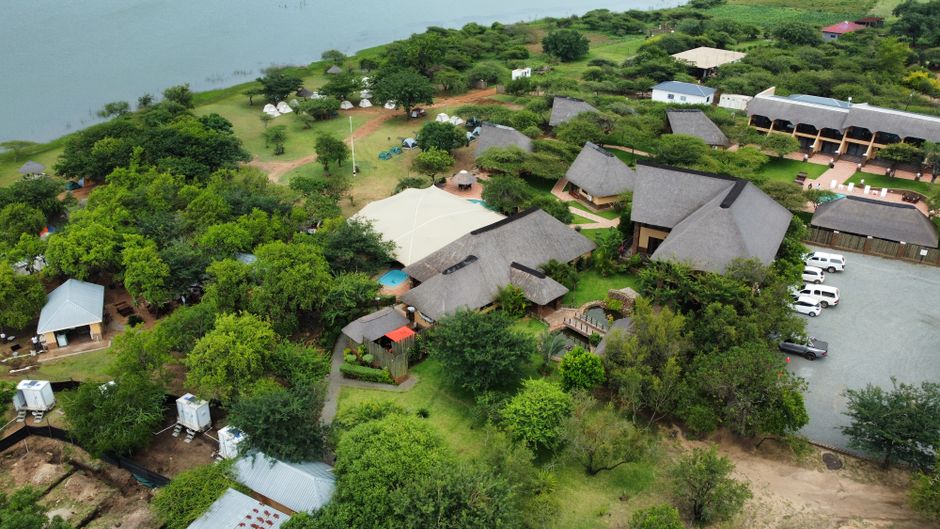
Community-first ownership and local decision-making
An ethical safari lodge is designed so that local people are not just nearby residents, but key stakeholders. In practice, this often means the lodge supports local employment and leadership, and that community representatives have a genuine voice in how operations are run.
When community ownership exists, it should be clear and verifiable. Avoid vague statements such as “we support the community.” Instead, look for evidence of structured benefit: locally held equity, community trusts, or documented partnerships with community organisations.
Conservation that is funded and measurable
Conservation is not only a concept; it should be backed by responsible financial planning. Ethical lodges work with wildlife authorities and conservation programmes, and they help ensure that conservation fees and park requirements are properly paid.
Good signs include transparency around what fees cover, and how lodge revenue (or partner revenue) contributes to conservation priorities in the landscape. The goal is long-term protection, not short-term PR.
Staff welfare, training, and responsible guest conduct
Another ethical marker is how the lodge supports its people. Ethical operators invest in training for guides and lodge staff, promote fair working conditions, and maintain a culture where wildlife is treated with respect.
Just as importantly, an ethical lodge sets expectations for guests. That means clear rules about staying in vehicles, keeping distance, not using flash in wildlife areas, and following guide instructions around animals.
How to Assess Community Ownership and Benefit
Ownership models you can verify
Community ownership can take different forms, but the lodge should be able to explain the model clearly. You’re looking for specifics such as who owns what, how benefits are shared, and how decisions get made.
If a lodge can’t describe the ownership structure beyond general goodwill, that’s a clue to ask deeper questions. Ethical claims get more credible when they come with details you can confirm.
Community-led guiding and cultural standards
Ethical cultural experiences avoid turning people into “entertainment.” Look for cultural programmes that are community-led, time-respecting, and guided by local hosts rather than scripted for dramatic effect.
Be especially cautious of cultural performances that require visitors to cross personal or sacred boundaries. If the lodge encourages photo habits that disrespect privacy, that’s a red flag.
A reliable ethical lodge will also explain how communities benefit from these activities and what safeguards exist to protect people, traditions, and community authority.
Local employment that goes beyond front-of-house
A lodge that claims community benefit should also show it in hiring and training. Ethical operators typically recruit locally, then develop skills through training for roles such as guiding support, guiding, kitchen work, maintenance, and administration.
Ask whether staff have access to professional development and whether there are policies that prevent a “locals only for basic roles” pattern. The more consistent and long-term the jobs are, the more ethical the impact is likely to be.
Checking Waste, Water and Energy Practices
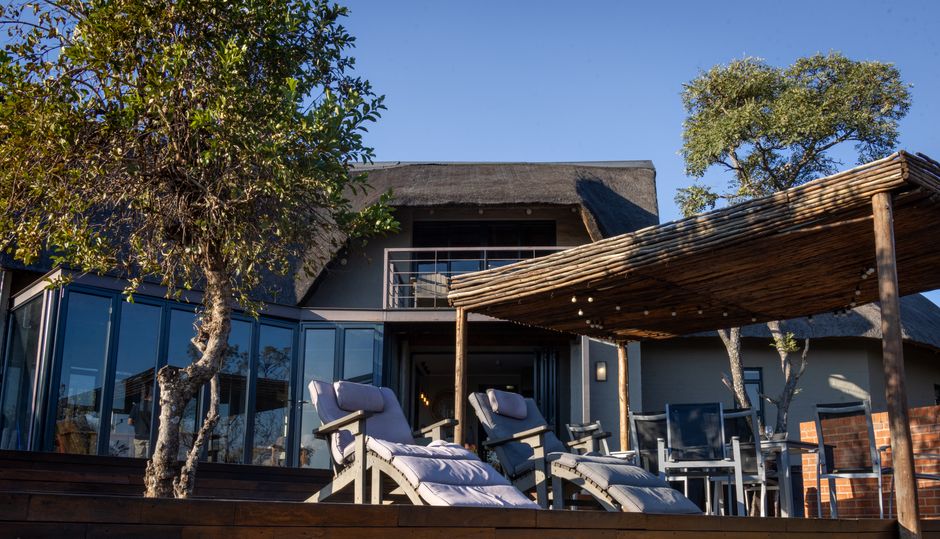
Water use in remote settings
Water ethics matter on safari because many lodges operate far from municipal infrastructure. Ethical lodges plan for low-impact water use and reliable systems for greywater and sewage.
When talking to a lodge, listen for practical details: how showers and laundry are managed, whether water is recycled where appropriate, and what happens to wastewater. Avoid lodges that can’t explain how they handle sewage and greywater.
Even in wildlife-rich areas like Chobe National Park, water protection protects both the ecosystem and guest comfort over time.
Waste handling and wastewater treatment
Waste should be managed systematically, not casually. Ethical lodges typically reduce single-use packaging, separate recyclables, and manage hazardous waste responsibly.
Look for information on how waste is stored safely, how it is transported or processed, and how often disposal happens. A lodge that relies on “the environment will take care of it” is not a lodge you want to support.
Waste systems matter in all regions, including heavily visited areas such as South Luangwa National Park and Etosha National Park.
Energy, lighting and night-time impacts
Energy choices can be ethical too. Solar power and other low-impact energy strategies reduce pressure on local resources. Night-time lighting is also part of wildlife welfare: overly bright lights can affect nocturnal animals and disrupt natural behaviour.
Ethical lodges design lighting with wildlife in mind, using shields or lower-intensity options where possible. If the lodge doesn’t mention its approach to lighting and power, it’s worth asking.
Animal Interactions and Wildlife Welfare Red Flags
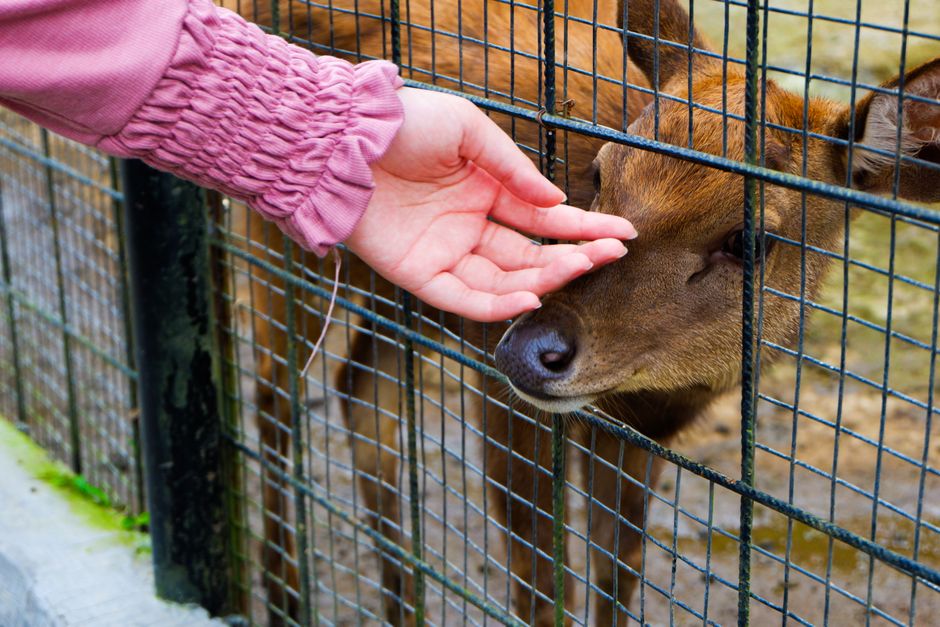
Ask what wildlife is wild and what is managed
One of the biggest ethical misunderstandings is mixing “wildlife viewing” with “wildlife entertainment.” An ethical lodge should make it clear when you are observing wild animals in their natural range versus when animals are kept in managed settings.
Be cautious if a lodge advertises frequent animal encounters that seem inconsistent with how free-ranging wildlife typically behaves. That can be a sign that baiting, crowding, or unnatural routines are involved.
This matters across safari landscapes, including Kruger National Park and the wider regions where lions and elephants are often targeted by inappropriate interaction offers.
Avoid hands-on, baited or captive-contact programs
Animal welfare red flags usually involve physical contact, forced proximity, or interventions that train animals to approach people. For example, be wary of programmes involving elephants that are marketed as “interactive” beyond safe, observation-based viewing.
Similarly, if you see promises that you can get close enough to touch or handle animals, treat it as a serious warning sign. Ethical lodges prioritise distance and respect, because it protects both wildlife and guests.
For lions in particular, avoid operations that normalise human handling or pressure animals into repeated contact. Wildlife should not become a tool for predictable entertainment.
Vehicle and viewing etiquette that protects animals
Even within ethical viewing, how you watch matters. The best safari lodges build a viewing culture based on established wildlife etiquette: drivers position vehicles responsibly, staff avoid blocking animal movement, and guests follow strict rules.
Ask how guides handle common stress signals, such as repeated vehicle repositioning, revving engines, or chasing. Ethical operators respond quickly when animals show discomfort, and they adjust plans to reduce disturbance.
Your Shortlist: Questions to Ask Before You Book
Use lodge documents and staff answers to confirm claims
Ethical lodges are usually straightforward when asked direct questions. If a lodge provides policy summaries, conservation partnerships, or clear explanations of waste and water systems, that’s a strong sign.
When information is missing, you don’t need to accept it. Ask follow-up questions until the answers become specific.
Also pay attention to consistency: marketing claims should match what the lodge staff describe in conversations, and descriptions of animal viewing should align with actual on-ground practices.
Ask about conservation fees and where the money goes
Conservation fees can be part of park requirements, concession arrangements, or lodge-linked contributions. An ethical lodge should be able to explain what’s paid, what it supports, and whether those fees go through official channels.
If a lodge only says “we help conservation,” keep asking until you understand the mechanism: Is the money part of official park/concession fees? Does the lodge contribute to a named conservation partner? Does the lodge track outcomes in a way that can be shared?
Make your final choice with realistic expectations
It helps to set expectations before you book. Ethical safari lodges don’t guarantee animal encounters, because wildlife behaviour can’t be controlled without harm. Instead, they offer safe, responsible viewing in areas where animals live naturally.
For practical comparison and to check which lodges list details clearly, many travellers find it useful to review options on Booking.com alongside the lodge’s own website and published policies.
By following these checks, you’ll be able to choose a lodge that protects wildlife, supports communities, and operates responsibly in the real world—so your safari experience feels meaningful for you and safer for the animals and people who share the landscape.
Leave a Reply