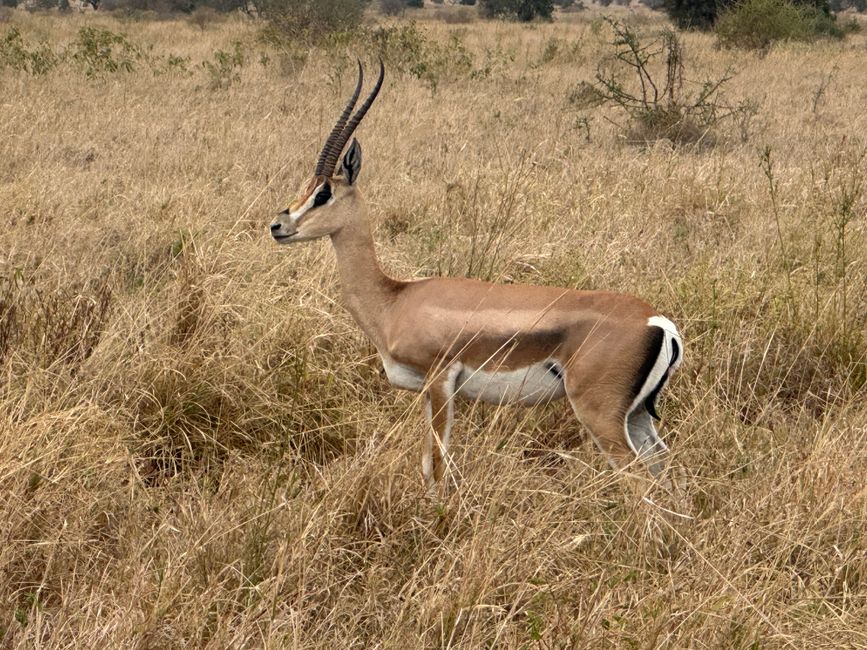
If you're planning a Gorongosa National Park safari, then you know Mozambique is where wildlife, landscapes and history meet.
This guide walks you through what to expect across the seasons, how to choose the best mix of drives and walks, and the safety rules that keep you safe and wildlife undisturbed. It also covers where to overnight to catch early starts, so your days in Gorongosa flow smoothly.
When to Go: Seasonality in Gorongosa
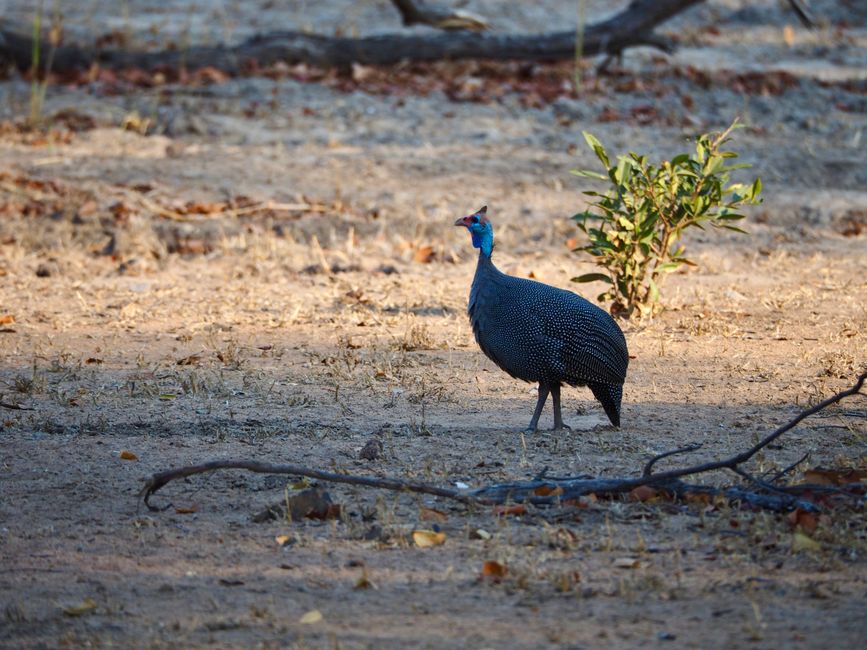
Dry season for concentrated wildlife viewing
Dry months typically run from around May to October. As water levels drop across the park and surrounding floodplains, animals gather around the remaining water sources. That’s when game drives often feel the most productive, especially in areas where the landscape funnels wildlife toward river edges, pans, and watering points.
If your priorities are seeing large mammals well and enjoying clear visibility for photography, planning around the dry season usually makes life easier. You’ll also tend to get more comfortable driving and walking conditions, with less mud on secondary roads.
Wet season for birds, lush scenery, and bigger water
Wet months are usually from around November to April. Wildlife doesn’t “disappear” in the wet season, but it spreads out as fresh water becomes available across a wider area. The upside is that birding can be excellent, with more insects and new growth supporting a wider variety of species.
Expect warmer temperatures and more water on tracks, so vehicle access and timing become even more important. A good ranger team will adapt the route plan to what the roads and wildlife conditions allow.
Road conditions and flexible expectations
In both seasons, remember that conditions can vary across regions inside Gorongosa and between the main park and floodplain areas. Build flexibility into your plan: if a road is too soft after heavy rain, your guide will shift to the nearest reliable viewing route. Planning with that mindset helps you avoid stress and increases your chances of wildlife sightings.
Where to Safari: Park Regions and Best Routes

Central Gorongosa for classic game drives
Most visitors base their sightings around the central parts of Gorongosa, where drives connect habitats, water sources, and open woodland. This region works well for a first-time itinerary because it’s ideal for seeing large mammals with manageable travel times.
A useful way to frame your planning is to focus on the key areas that shape your sightings:
- Gorongosa National Park
- Mount Gorongosa
- Marromeu Reserve
- Zambezi River floodplains (Marromeu area)
Marromeu Reserve for floodplain wildlife
Marromeu is one of the best zones for understanding how Gorongosa changes through the year. During the dry season, animals tend to concentrate where water remains. During the wet season, wildlife can disperse across floodplain habitats, and rangers often refine routes to follow tracks, bird activity, and fresh signs.
If you’re aiming for species that favour water or river edges, Marromeu is a strong choice. Even when visibility fluctuates, floodplain landscapes can reward patience.
Mount Gorongosa for higher-elevation variety
Mount Gorongosa and its surrounding habitats offer a different feel from the lowland floodplains. As elevation increases, you’ll often find cooler temperatures and more montane habitat, which can mean different birdlife and distinct vegetation.
This is also the zone where guided walking can make more sense for people who want a slower pace and close-up habitat interpretation. Keep your plans in line with local guidance, especially where terrain is steeper or where weather affects trail safety.
How the Safari Runs: Drives, Walks and Optional Water Time
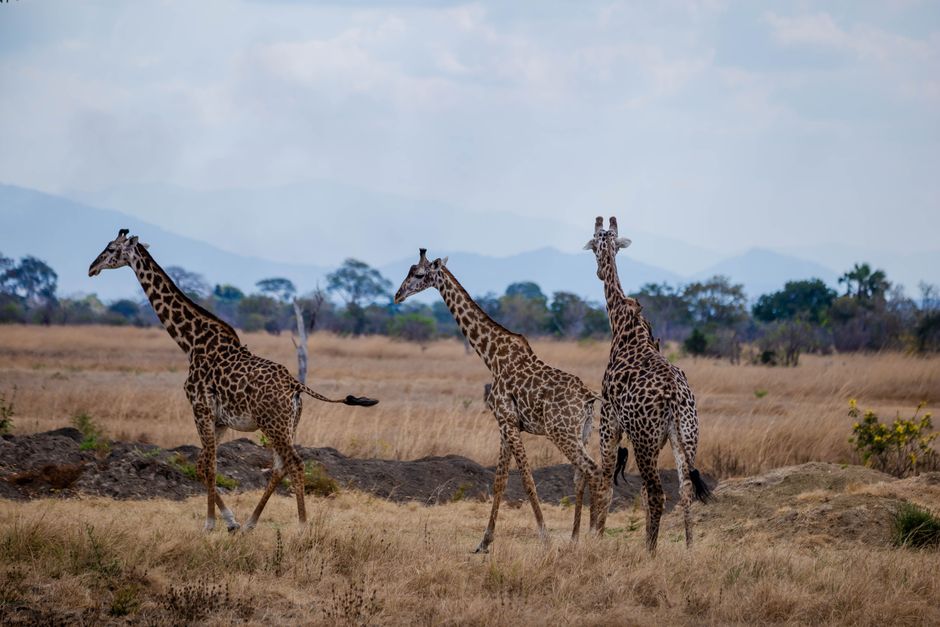
What a typical day looks like
A classic safari rhythm in Gorongosa is to start early, when animals are more active and temperatures are more comfortable. Expect an early departure for the morning drive, then a midday pause or lighter activity, followed by another game drive in the afternoon.
That structure matters for both wildlife and safety. It reduces the time you spend on roads in the hottest hours and helps rangers manage where vehicles are allowed to go.
Walking safari expectations
Walking safaris, where offered and permitted by the managing team, are usually short, guided, and focused on safe viewing rather than “getting close.” You’ll stay with your guide and ranger at all times, follow instructions about stepping carefully, and keep your group formation to avoid startling animals.
Walking can be great for learning how ecosystems function on a human timescale: tracks, dung, feeding sites, and bird calls become part of the experience. It’s also where respect for boundaries matters most, because a walking group can unintentionally move animals off their preferred routes.
Birding and photography add-ons
Gorongosa is rewarding for wildlife photographers and birders because you can mix large-mammal focus with quieter wildlife moments. Plan for short stops when rangers spot birds, and use your time at vehicle viewing points to scan slowly rather than rushing.
If you’re bringing a camera setup, remember that heavy gear can slow down both driving and walking. Lightweight support and patient framing tend to produce better results than trying to shoot constantly while moving.
Safety and Wildlife Respect: Rules That Keep You Welcome
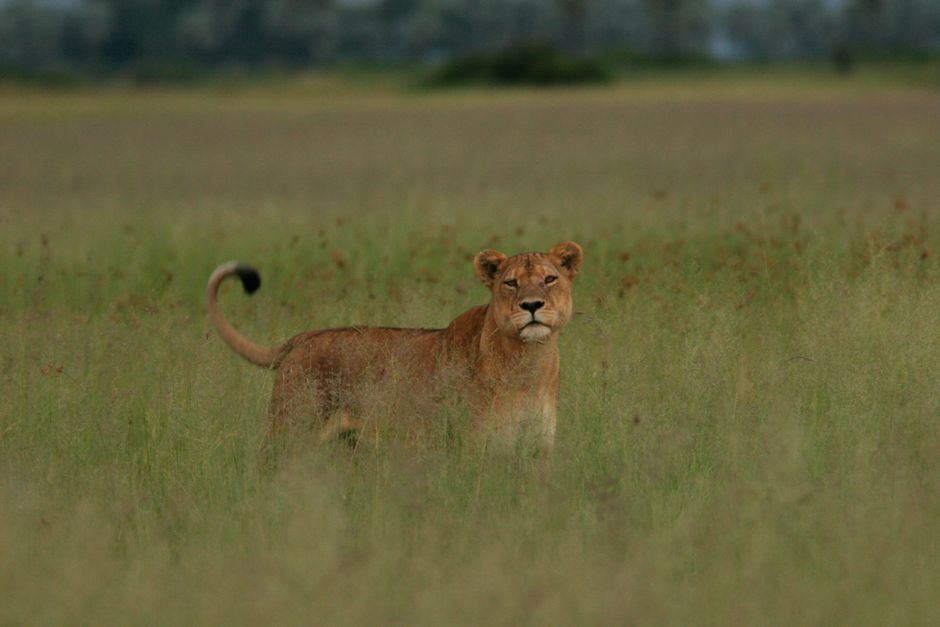
Distance, positioning, and calm behaviour
Gorongosa safaris depend on the same principles you’ll find across Africa: wildlife should be observed, not approached on human terms. Your ranger will set the distance, angle, and vehicle positioning. Follow that guidance closely.
As a practical baseline, keep these behaviours consistent:
- Stay with the group and obey ranger signals immediately.
- Don’t try to “beat” another vehicle to a sighting; wildlife decides where it goes.
- Avoid sudden movement, loud voices, and flash photography near sensitive animals.
Water, insects, and health basics
Water crossings and river-edge viewing deserve extra care because of wildlife presence and uneven ground. Even when an area looks manageable, rangers know where the ground is stable and where animals are likely to be.
Insect management is also part of safe wildlife viewing. Use appropriate protection, especially in vegetated areas. Carry a basic first-aid kit and follow local health guidance for the region.
Working with rangers and respecting local communities
Safety is never just “about you.” In Gorongosa, rangers help manage both wildlife welfare and human behaviour so that communities and wildlife can coexist. Listen when they explain the reason behind a rule, whether it involves where vehicles can stop, how to behave near villages, or why certain trails are limited.
Where community-run experiences are offered, treat them with the same respect as any wildlife encounter: ask questions, follow instructions, and keep the focus on learning rather than taking shortcuts.
Where to Overnight and How to Organise Early Starts
Base yourself near the park for smoother mornings
For early starts, overnight locations matter more than people expect. If you want sunrise viewing with minimal driving, aim for accommodation that keeps you close to the access point most relevant to your morning route.
A commonly used option is Gorongosa Lodge, which helps many travellers keep the day’s first drive efficient, especially when the plan focuses on the central park circuits.
Choose the Marromeu side when mornings focus on water
If your itinerary prioritises floodplain habitats and water-dependent sightings, plan at least one night in the Marromeu area. That reduces the need for long transfers before the first drive and makes it easier to start quickly when rangers spot signs.
In practice, this can be the difference between arriving after animals have moved on and reaching viewing points while conditions are still favourable.
A simple planning flow for a first-time itinerary
A Gorongosa safari becomes easier to manage when the wildlife targets guide the structure of your days. Start by deciding what you most want to see, then build around the best-matched habitats.
Here are strong species targets that often shape where rangers focus your route planning:
- African elephant
- lion
- Cape buffalo
- painted dog
- hippopotamus
- Nile crocodile
For many travellers, the easiest way to organise dates and transfers is to use a planning platform to compare multi-day safari options, for example Viator. The key is to ensure the itinerary reflects your priorities and that the safety approach aligns with ranger instructions.
Overall, planning a Gorongosa National Park safari comes down to three choices: match your travel dates to the kind of wildlife you’re chasing, choose routes that fit the park regions you want to explore (central habitats, Marromeu floodplains, or Mount Gorongosa), and treat safety rules as part of good wildlife etiquette. With that foundation, your days in Gorongosa are far more likely to feel relaxed, respectful, and rewarding.
Leave a Reply