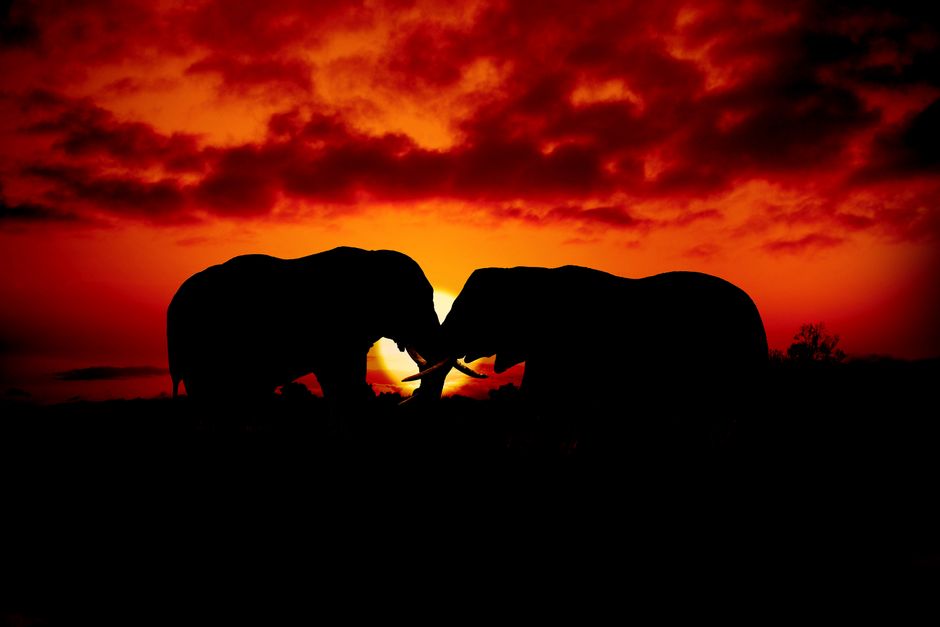
If you're planning a safari trip, you might be wondering how you can make your experience more sustainable. In Hwange National Park, one of the simplest ways is choosing a base close to where animals and guides naturally move in the early morning.
This guide helps you pick where to stay for sunrise game drives and safari walks. It focuses on areas nearest key water sources and the morning loop routes, plus which camps and lodges commonly arrange guided walking safaris with proper ranger oversight.
The goal is a better wildlife experience for you and safer, calmer conditions for the animals. That means moving efficiently at dawn, following guide instructions closely, and staying respectful of local people and park rules.
Choosing the Right Base for Sunrise in Hwange
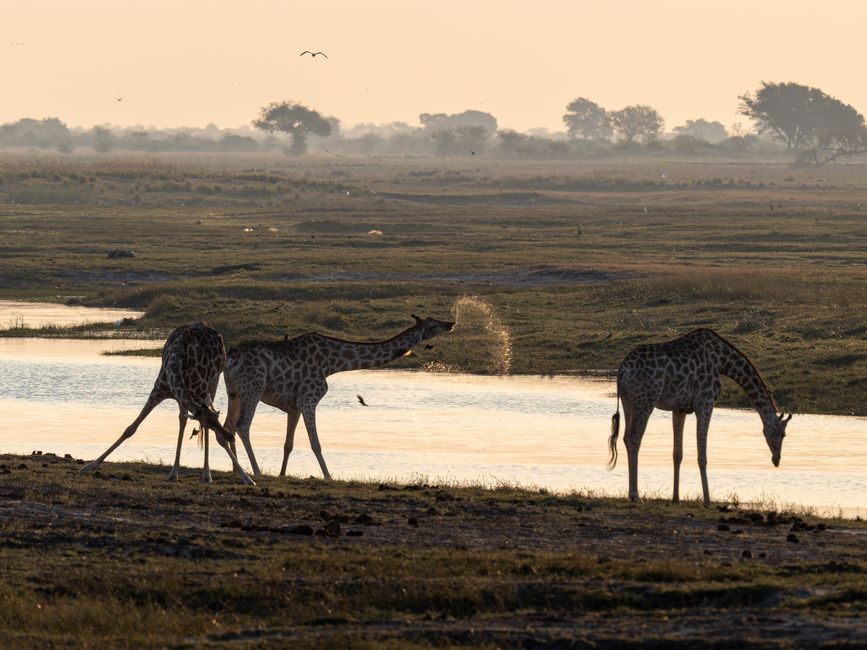
Main Camp waterholes and the first light circuit
Staying around Hwange’s Main Camp area usually makes sunrise planning straightforward. Morning routes tend to funnel toward nearby water sources, where animals often return between night-time foraging and early drinking. Because you’re closer to that “first light” movement, you typically spend less time on the road and more time watching.
This is also a good area if you’re aiming for consistency. The Main Camp vicinity is designed to support early departures, and it’s where many visitors start their day with short driving times, helping wildlife guiding stay flexible when animal sightings change.
Sinamatella: an early-drive option when you want variety
Sinamatella is another sensible base for dawn game viewing. The approach roads and morning departures can differ from the Main Camp side, and that can matter if your priority is variety across the day, rather than repeating the same waterhole loop.
If sunrise in Hwange is your focus, Sinamatella can work well because animals often move toward water shortly after low light. A stay here can also make it easier to align later activities with the way the park’s guided routes flow.
How morning drive routes shape where you should book
In Hwange, the “best” lodge for sunrise is often the one that reduces friction in the schedule. Longer transfers to your departure point can mean slower exits at first light, fewer sightings when animals shift quickly, and a higher chance of rushed decision-making.
When evaluating a stay, use this practical filter: ask how early they can depart, how far their morning route typically runs, and whether their team has a clear plan for when animals stay at water versus when they disperse. A reliable early drive is usually about local routing knowledge as much as it is about the lodge itself.
Stays That Typically Offer Guided Safari Walks
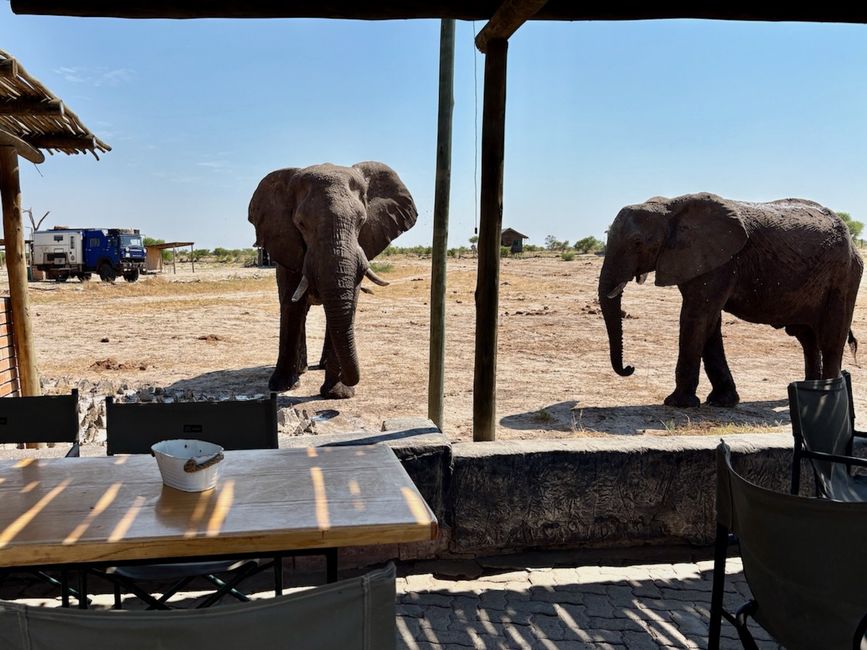
Somalisa Camp: ranger-led walking safaris in the dry season
Somalisa Camp is a well-known base for travellers who want both vehicle time and a more immersive safari walk. Walking safaris, when they run, tend to be guided by experienced rangers who manage the encounter carefully and adjust plans depending on animal movement.
For many visitors, the dry season is when walking days feel most productive because tracks and vegetation sightlines can be clearer. Still, operations depend on daily conditions, so a lodge that walks consistently is one that can communicate whether the route will be active that morning and how they’ll handle wildlife proximity.
The Hide Safari Camp: structured walks with close monitoring
The Hide Safari Camp is another option that commonly supports guided walking experiences. The key is that walking safaris should not feel improvised. A responsible setup includes briefings before you step out, a clear “who leads” structure, and a plan for what happens if the group closes distance with wildlife.
When you’re choosing a camp for walking, focus on details such as how the ranger team explains track reading, how they brief you on movement and silence, and how they decide whether a walk is safe that day. Those practical choices make the difference between a calm, educational walk and a stressful one for everyone.
Main Camp and Sinamatella: walking safaris through park guides
If you’re staying at Hwange Main Camp or Sinamatella Camp, walking safaris are often arranged through camp/ranger-led processes rather than being sold as a separate, lodge-exclusive activity. That can still work very well, especially if you like a safari rhythm anchored in the park’s own guiding structure.
The important thing is to confirm logistics early: ask how walking days are selected, whether you’ll be walking with trained rangers, and what the group size usually is. Good walking safari providers also explain what you may or may not be able to do, depending on wildlife activity and ground conditions.
Picking a Lodge for Elephants, Buffalo and Predators at Dawn
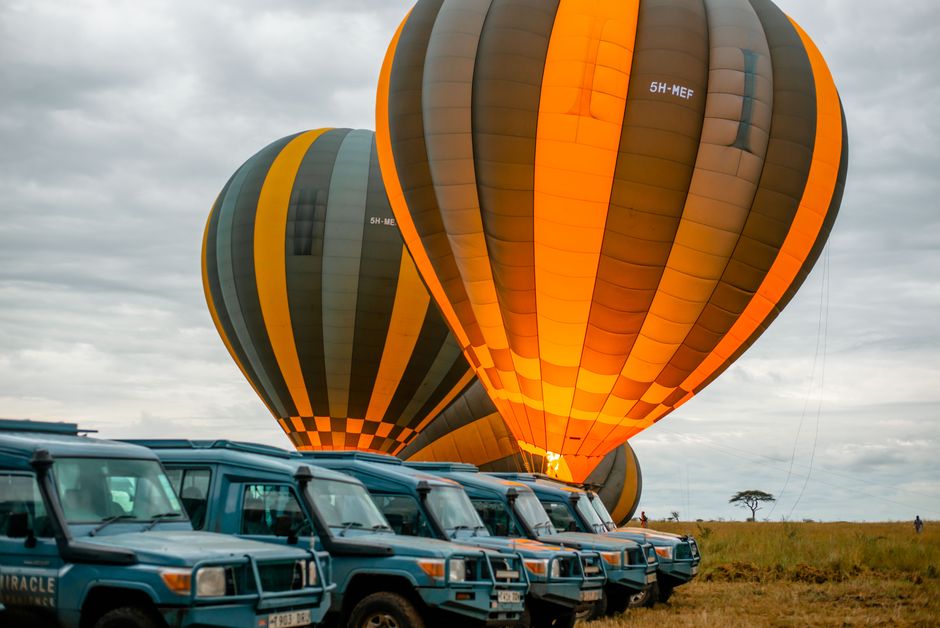
Hwange Safari Lodge for big-game density near water
Hwange Safari Lodge is a strong choice if your sunrise goals include large mammals at water. Early morning is prime time for elephants to drink and for buffalo to reposition, and staying in the right area can help you catch those moments without losing time.
A lodge like this also tends to be well set up for dawn schedules. That matters because the best sightings in Hwange often come from arriving before the day’s movement pattern fully spreads out. With a reliable start, your drive can focus on reading animal behaviour rather than chasing distance.
Timing your drive with waterhole visitation patterns
Even when a lodge is well located, dawn wildlife viewing becomes much easier when you understand the pattern: animals usually cluster at water when temperatures and foraging pressures shift. That means your best viewing windows can be short, especially when the herd dynamics change quickly.
A good morning strategy is to be at the right place early enough to observe how animals arrive, settle, and then move on. Your guide’s experience will shape whether the drive becomes a slow, observational session or a more mobile search.
What to look for on foot versus from a vehicle
On foot, you’re usually in a more learning-focused mode. You may notice tracks, browse signs, fresh dung, and the subtle changes in wind direction that affect where animals feel comfortable. That kind of detail is hard to get from a vehicle.
From a vehicle, you gain time on the landscape and can cover more ground, which helps for spotting predators, especially when they’re moving between cover and open areas. If you want both, aim for a day structure that balances walking with at least one longer vehicle drive so your sightings include both close-up natural history and broader big-game movement.
When to Go for Sunrise Sightings and Walker-Friendly Conditions
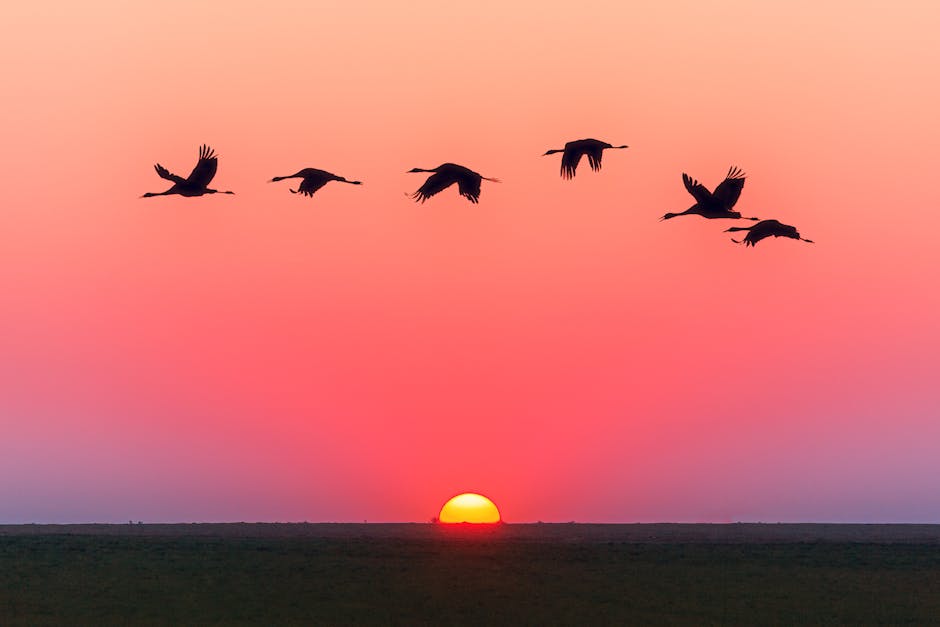
June to October: crisp mornings, strong tracks, steady sightings
June to October is a common period for sunrise-focused safaris because the weather can be cooler and mornings often start dry and clear. That improves comfort on early drives and can help with walking safari conditions such as visibility of tracks and less overgrown paths.
During the dry season, water is a stronger magnet for wildlife. Elephants and buffalo may spend more time near water sources, while predators often use the same movement corridors as prey. In short, a well-timed base near morning water access can pay off.
November to March: heat shifts, rain resets and route changes
In hotter months and during the rainy season, dawn remains valuable, but the safari rhythm may change. Animals can adjust their daily timing, and rain can affect ground conditions for walking. That doesn’t mean fewer sightings; it means your guide may alter routes and walking schedules.
For walking safaris, the question isn’t only “is it wildlife?” but “is it safe terrain?” and “is it manageable visibility?” A responsible camp will make the call based on what the rangers see on the day.
The role of waterholes in every season
Across the year, waterholes remain the anchor of early viewing. Sunrise is particularly important because animals often begin to move in response to temperature rise and the day’s foraging opportunities.
Because your lodge’s location affects how quickly you can reach those water areas, the same safari plan can feel very different depending on your base. That’s why choosing areas close to morning drive routes matters as much as choosing a lodge brand.
Safety, Respect and Practical Planning for Walks
Distance rules, call-and-response safety and vehicle protocols
Walking safaris require discipline, and the best guides make safety feel clear and structured. Expect a briefing before you step out, and be ready to treat the ranger’s guidance as the only priority.
From a vehicle perspective, the same principle applies: animals should not be pressured. Your guide should position the vehicle for observation, keep vehicle movement measured, and avoid crowding at water.
Community and conservation: how responsible guiding supports Hwange
Reliable walking safari operations contribute to conservation outcomes in practical ways: they reduce chaotic movement, help ensure wildlife is not habituated to risky behaviour, and maintain a more respectful interaction style.
You can also support local communities by choosing lodges that invest in ranger training and that follow park rules for employment and resource use. The most responsible stays will explain how guiding and operations tie into broader land stewardship.
Booking strategies for early starts (and a calm walking day)
For sunrise success, it helps to plan backwards from the day’s schedule: confirm the earliest possible departure time for game drives, then ensure the walking safari is not placed so late that you’re rushing or overheating.
Using Booking.com can be practical for checking availability and confirming cancellation terms when you’re matching lodge schedules to your travel dates. When you contact the lodge, ask whether walks run that week and how they handle wildlife conditions.
If safety and animal welfare come first, it often also means fewer compromises on the day. Stick to these core walking safari reminders:
- Keep quiet and follow ranger signals immediately.
- Never separate from the group, even to get a better view.
- Expect plan changes if animals move, especially with elephants.
Overall, the best way to enjoy Hwange’s sunrise magic is to stay close to the morning water access points, choose camps or lodges with credible walking safari guidance, and let your schedule support calm observation rather than rushed chasing. When the logistics are efficient and the rules are followed, you get more meaningful sightings and a safer experience for the wildlife and the people who protect it.
Leave a Reply