
If you're planning a safari trip, you might be wondering how you can make your experience more sustainable. A well-planned Kruger National Park self-drive is one of the easiest ways to do that: you follow the rules, reduce disturbances, and focus on responsible wildlife viewing.
This guide walks you through the practical essentials for driving in Kruger, including which gates to use, how rest camps work as a base, what speed limits to expect, and the park rules that keep you safe and protect wildlife. You’ll also get clear guidance on where to look for the Big Five across different habitats.
With a bit of patience and a steady pace, Kruger rewards careful self-drivers with excellent sightings. Use this as your planning checklist, then adapt day-by-day to road conditions, weather, and the animals you actually find.
Planning Your Kruger Self-Drive Route

Choosing the right entry gate
Kruger is big, and choosing your entry gate affects how long you spend on the road and how naturally you can build a day-by-day route. Gate selection is also a sustainability decision in practice, because it helps you avoid unnecessary backtracking.
These are common options if you’re planning a self-drive itinerary through the park:
- Malelane Gate (often used for routes reaching the southern and central areas)
- Phabeni Gate (a popular access point for people heading into the central/southern parts)
- Orpen Gate (frequently chosen for circuits that work toward the central region)
- Paul Kruger Gate (a convenient entry for routes aligned with the southern/central focus)
Gate hours and entry procedures can change seasonally, so confirm timing and requirements directly with the gate office or the official park information before you travel.
Rest camps as your daily base
In Kruger, rest camps are more than places to sleep. They provide a practical rhythm for your self-drive: a place to refuel (where available), rest, access basic services, and often pick up the latest guidance on road status and sightings.
Many self-drivers choose camps that sit near different habitat types, so their route naturally covers more of the park’s variety without excessive driving.
Here are six well-known rest camps that can anchor a self-drive route:
- Skukuza
- Lower Sabie
- Satara
- Olifants
- Mopani
- Berg-en-Dal
When planning, map your drive days so you’re not crossing the same corridors repeatedly. Wildlife movement is rarely “on schedule,” so it’s usually better to allow longer blocks for searching than to rush between viewpoints.
What you need at check-in and before you enter
Before you drive in, make sure you can handle the basics smoothly. You’ll typically need valid IDs for all passengers and proof of booking or park entry arrangements, plus your vehicle details. Keep essentials accessible in the cabin: permits/receipts, your reservation confirmation, and any emergency contact information.
It also helps to mentally separate your trip into two phases: pre-park admin (settling in, refuelling, last checks) and in-park driving (slow, attentive, and rules-based). The best self-drive safaris feel unhurried because you’re prepared.
Driving Rules, Speed Limits, and Road Safety
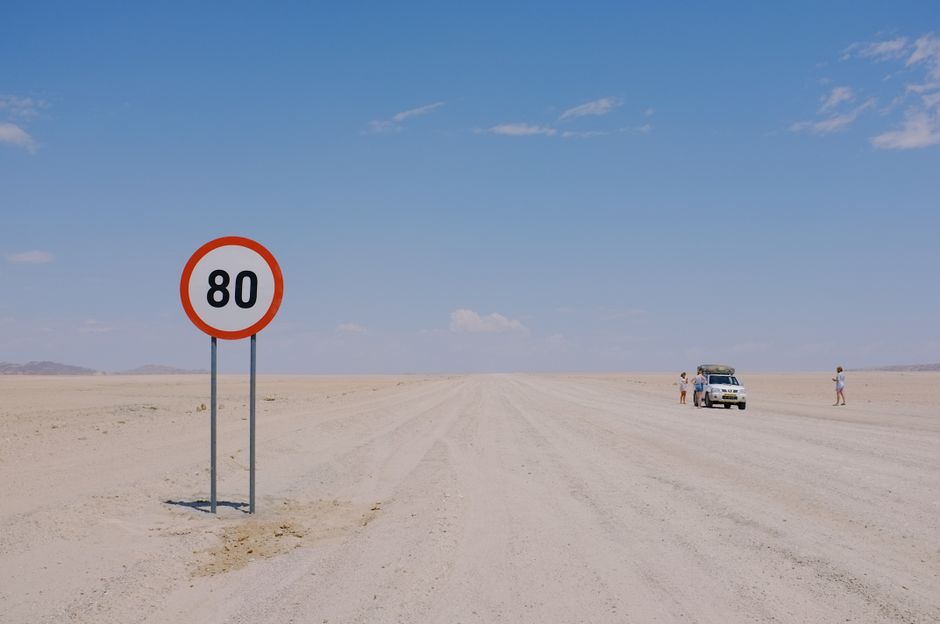
Speed limits: follow posted signs first
Kruger’s roads vary, and speed limits depend on road type and conditions. The key rule is simple: follow the posted limit at all times. In practice, many sections are driven at conservative speeds, and you’ll often see lower limits where pedestrians, congestion, or frequent animal activity is expected.
A useful self-drive mindset is to drive as if every animal could step onto the road at any moment, because eventually it will. Speed control is also a welfare measure: slower driving reduces stress for wildlife and gives you time to stop safely.
Staying on the road and overtaking safely
Self-drive safaris are about control, not shortcuts. Stay on roads and follow marked boundaries. Off-road driving can damage sensitive vegetation, and it also increases the risk of vehicle problems (including getting stuck) in remote areas.
When approaching vehicles stopped for animals, do not squeeze past too closely. Create space and allow people to view from a safe distance. If you’re moving slowly, overtaking becomes less important than patience.
If you do need to pass, only do so where you have excellent visibility, adequate road width, and no wildlife is near the edge of the road. Sudden movements and aggressive driving can interrupt animal behaviour and compromise everyone’s safety.
Night driving, stop rules, and wildlife safety
Avoid driving at night. Kruger’s night atmosphere is unpredictable, and animal movement is more likely to be sudden and hard to track. If your schedule means you’ll be out after dark, plan to be at your rest camp or accommodation well before sunset.
When you stop for wildlife, keep your vehicle steady and respectful. A good rule is to avoid blocking the road for long periods unless the situation clearly requires it (for example, an animal is crossing). Never rev your engine, shine lights directly into animals’ eyes at close range, or crowd a scene.
Also keep an eye on road obstacles like fallen branches, loose gravel, and low-visibility bends. Vehicle safety is part of wildlife safety: fewer sudden stops and smoother driving helps everyone stay calm.
Where to Find the Big Five (and How to Increase Your Odds)

Big Five basics: plan for habitats, not guarantees
Searching for the Big Five is partly about luck, but it’s also about choosing the right habitat and timing your drives. Kruger’s animals use different areas depending on water availability, grass growth, and cover. That means your route should follow habitat logic rather than only “famous” locations.
The Big Five are:
- Lion
- African elephant
- African buffalo
- African leopard
- Rhino
Think of sightings as a probability game. You improve your odds by covering the right habitats at the right times of day, keeping your eyes scanning consistently, and responding appropriately when animals appear.
Elephants and buffalo: rivers, roadsides, and open feeding areas
Elephants can be seen across much of Kruger, but they often show up where there’s consistent food and water. River-adjacent routes and areas near watercourses can be especially productive, particularly around camps like Skukuza and Lower Sabie, where the landscape encourages both foraging and frequent movement.
Buffalo are similarly adaptable. They commonly appear in open areas that support grazing and where they can use nearby cover to rest. Routes that take you through varied grassland and woodland edges, especially around central regions such as Satara and into the broader central corridor, often deliver good chances.
To increase odds without pressure: drive slowly, keep a safe distance when you stop, and let vehicles spread out so animals do not feel hemmed in.
Lions and leopards: grasslands versus cover
Lions are most often detected when you scan for them early and late in the day, when they are more likely to be moving or active. Grasslands and areas with visibility can help you spot them sooner. Central habitats around Satara are a common starting point for lion searches because the surrounding country supports both hunting opportunities and resting cover.
Leopards are harder because they rely on dense cover and can stay hidden for long periods. Look for signs rather than expecting fast results: broken branches, fresh tracks, and sightings of prey species moving into thick bush. Areas with more cover and rocky or vegetated edges, including routes linked to Lower Sabie and Satara, are often where leopard viewers have the best experiences.
Remember that leopard sightings can happen suddenly. When you see movement that could indicate a cat, pause, observe, and avoid repositioning rapidly.
Rhino: focus on bushier sections and recent sightings
Rhino sightings can be frequent for some visitors and elusive for others. That variation is normal in large parks. A practical strategy is to focus on bushier vegetation and areas where browse is available, and to align your route with the most recent reports available at your rest camp.
If your itinerary includes central and southern segments via Olifants and Mopani, you’ll naturally cover habitat where rhino are more likely to appear. Patience matters: give your search time, scan both the open ground and the edges, and respond calmly when you find signs.
Wildlife-Respectful Viewing and Conservation-minded Behaviour
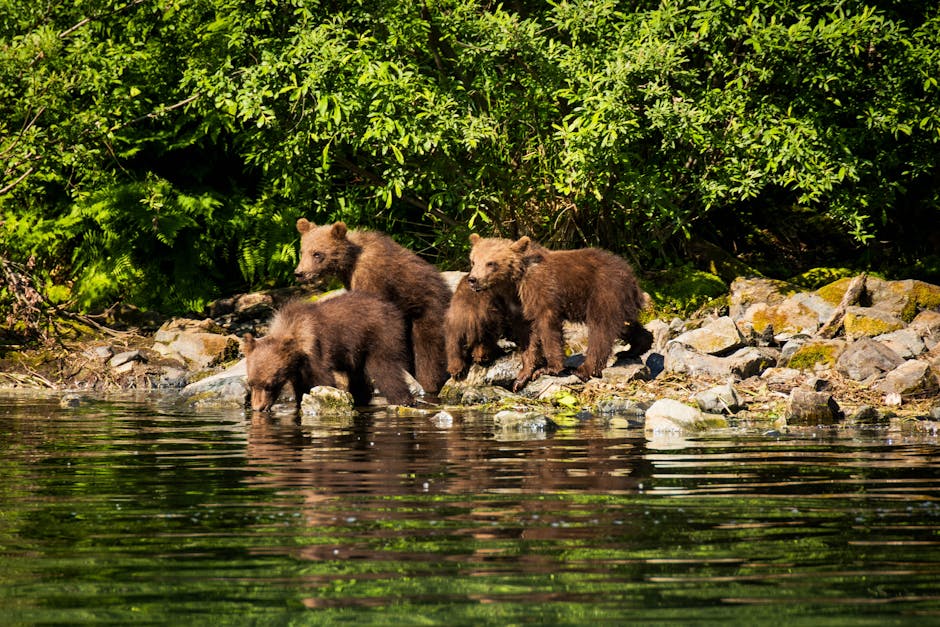
Stay back and let animals set the pace
The single most important behaviour for self-drivers is controlling your distance and your impact. Stay far enough away that animals remain calm and continue their natural routine. If an animal changes behaviour because of your presence, you are too close.
This applies to every species, but it’s especially important for predators and sensitive animals. For example, if a lion walks away more quickly or repeatedly, or if a rhino shows agitation, move on when it’s safe to do so. The goal is observation, not interaction.
Don’t feed wildlife or block natural movement
Feeding wildlife changes behaviour. It can increase aggression, cause animals to approach vehicles more confidently, and disrupt feeding and breeding patterns. Never offer food, and never encourage animals to come closer.
Also avoid parking in ways that block movement corridors. When animals cross, give them space and let the crossing complete without interruption. Your respect helps protect wildlife welfare and supports long-term conservation.
Use report-and-help behaviour when something seems wrong
If something dangerous is happening, like a vehicle behaving irresponsibly or an animal in distress, follow park guidance. Do not try to intervene directly. Responsible visitors report concerns so staff can respond appropriately.
Similarly, keep your own behaviour consistent with conservation: don’t litter, avoid off-road driving, and treat every vehicle encounter as a chance to demonstrate safe, calm viewing.
Making the Most of Your Days in Kruger
A practical pace for self-drive safaris
A common self-drive challenge is trying to “cover everything” each day. That often leads to rushed driving and missed sightings, because animals are unpredictable.
A better pace is to plan a route block and then spend enough time searching within that block. Early morning and late afternoon drives are often the most productive for wildlife activity. Midday can still be worthwhile, but animals may retreat into cover, so switching to a slower, more scanning-focused style helps.
Give yourself buffer time for roadworks, slower traffic around animal sightings, and vehicle checks.
Pair self-drive with guided help when you need clarity
Self-drive safaris work brilliantly when you already know what you’re looking for, but guided options can add big value when you’re new to Kruger. A short guided session can help interpret tracks, identify birdlife or small mammal signs, and understand how different habitats connect.
This doesn’t replace self-drive. It complements it, and it often improves decision-making on the days you’re driving alone.
Booking camps and planning around sightings
If you’re staying inside Kruger, rest camp availability can shape your route. Build your plan around what’s confirmed first, then fit your drive days around that base. Many self-drivers find it helpful to keep at least one “flex day” where the route can adjust based on recent reports.
For accommodation options near the gates, Booking.com can be a practical way to compare stays outside the park when you’re planning an easy start to your Kruger entry day.
Overall, a successful Kruger self-drive comes down to good planning, calm driving, and wildlife-respectful behaviour: choose a sensible gate and rest camp base, follow speed limits and road rules, search by habitat for the Big Five, and adjust in real time based on what you see. When you do that, your safari becomes both safer and more rewarding for you and for the animals that call Kruger home.
Leave a Reply