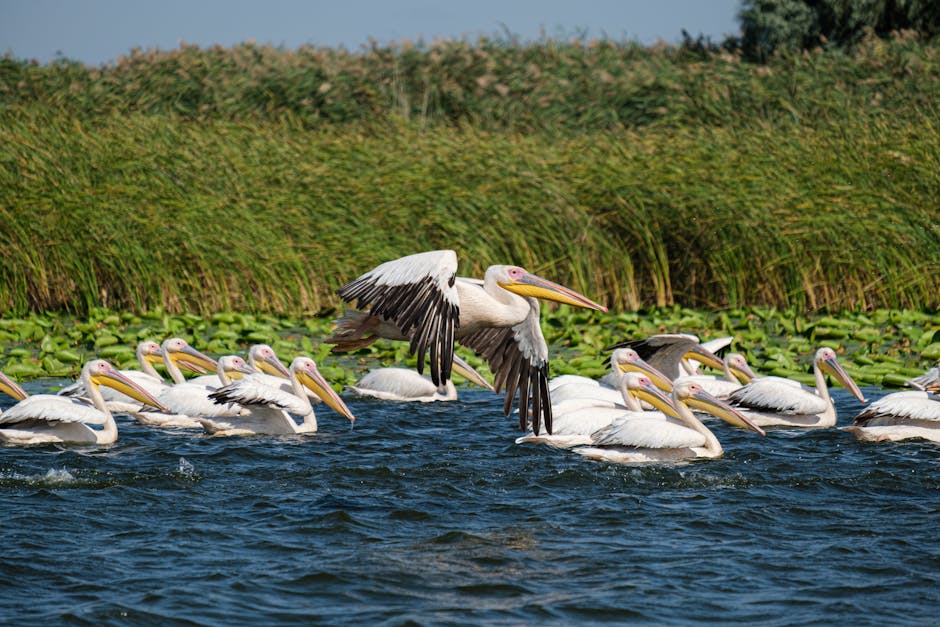
If you're a birding enthusiast, then you know that Africa is a paradise for birdwatching. Lake Victoria delivers that promise in a very specific way: huge waterbirds and migrating shorebirds concentrate along the same edges where fish and invertebrates are easiest to catch.
This guide focuses on the best birding areas near Uganda for pelicans and migrant waders. You’ll learn where the most productive shore zones are, how to use shoreline-view platforms (and boats safely) to your advantage, and how weather and seasonal water changes typically affect what you see.
Birding here is also about respect. Large lakes attract many species, but the shoreline is where nesting, feeding, and roosting overlap with people and boats. Good viewing means keeping safe distances, avoiding fragile habitats, and letting local guides set the pace.
Why Lake Victoria Delivers Pelicans and Migrants
The shoreline food chain (and why birds commit to it)
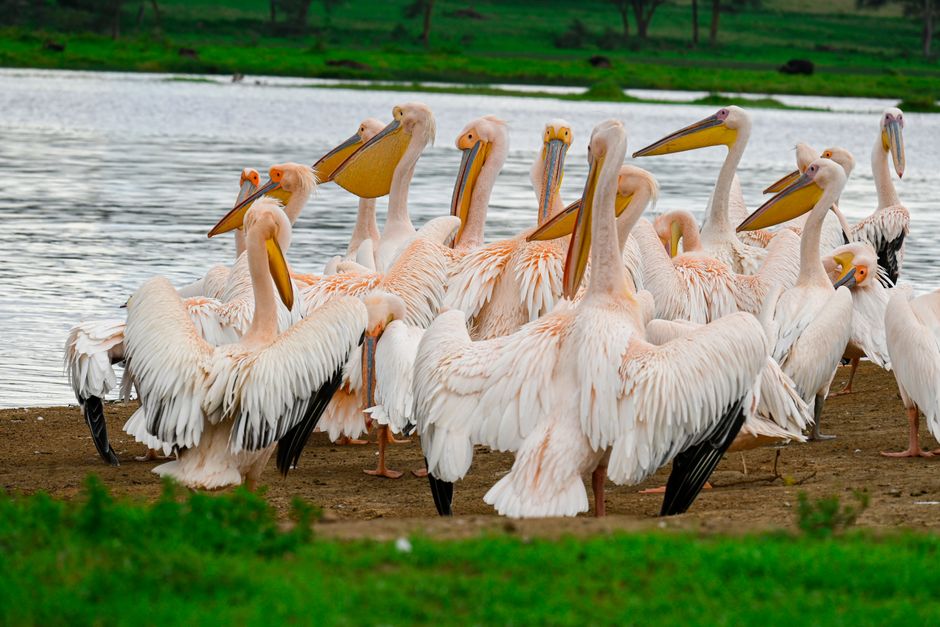
Pelicans and many migrant waders depend on the same basic ingredients: reliable fish or small aquatic prey and shallow margins where that food is reachable. On Lake Victoria, shorelines concentrate food because currents, wind-driven mixing, and shifting water levels bring prey closer to land.
When you’re scouting, the goal isn’t just “finding water.” It’s finding edges where food becomes accessible. Look for combinations like sheltered inlets next to open water, reed or grass margins near open shallows, and areas where waves or boat wakes repeatedly disturb the water surface.
Habitat types that reliably hold waterbirds
You’ll usually see the best birding when the shoreline includes a mix of habitat types—open water nearby, plus a narrow band of shallow feeding grounds or exposed wet mud after water levels change. Common productive zones include:
- Reeds and grass margins bordering open water
- Mudflats that appear or expand as conditions change
- Gentle bays where birds can roost without constant wave action
Even if the water looks calm from a distance, birds often exploit micro-conditions: slight differences in depth, wind direction, and the presence of bait near the surface.
The viewing challenge: birds move, but patterns repeat
Lake birds can look unpredictable until you start reading repeated patterns. Pelicans often shift between feeding and roosting sites over the day, while migrant waders tend to “stage” in the best available shoreline before moving on when water conditions change.
A useful mindset is to treat each morning and each weather shift as a reset. If the wind changes or the waterline moves, give the shoreline a fresh scan rather than assuming yesterday’s hotspots will still be best.
Top Lake Victoria Shore Zones Near Uganda

Uganda’s most reliable shore zones
Use Uganda as a strong starting point because access is often easier and shoreline habitat can vary quickly around the lake.
- Mabamba Swamp
- Entebbe Peninsula lakefront
- Ssese (Kalangala) Islands’ eastern shores
- Buvuma Islands’ sheltered bays
For pelicans, focus on the edges where sheltered water meets feeding shallows. For migrants, prioritise exposed or easily accessible wet ground, especially where shallow water creates foraging patches.
Kenya’s bays and mudflats
Kenya’s Lake Victoria shoreline is especially good for scanning flocks moving between feeding and rest.
- Winam Gulf mudflats near Kisumu
- Homa Bay wetlands
- Rusinga Island shoreline lagoons
In these areas, mudflats and lagoon margins often provide the clearest “runway” for migrant waders. The trick is to bird from stable, respectful vantage points so you can observe without disturbing feeding flocks.
Tanzania’s Mwanza lakefront
On Tanzania’s side, Mwanza’s lakeshore can be productive when conditions concentrate birds near the shore.
- Mwanza Gulf lakefront
Here, shoreline viewpoints and boat access points matter. Choose vantage spots with a clear line of sight across shallow feeding zones, and avoid areas where access would require crossing fragile wet ground.
How to Bird the Shore Like a Local
Choose shoreline-view platforms that reduce disturbance
Great birding doesn’t always require a boat. In many Lake Victoria zones, the best results come from using elevated or stable positions that let you scan and confirm without stepping into feeding areas.
Good shoreline-view platforms usually have three qualities:
- A clear view across shallow water or open bays (not just the immediate edge)
- Stable footing, so you can pause long enough for birds to settle
- Minimal interference with people, fishing, or habitat
Practical examples include lakeside roads and paths where they exist, raised causeways, watchful points near calm inlets, and viewpoints from the shore where birds come close during feeding.
Work the “scan → confirm → reposition” rhythm
On a lake, birds often move faster than you can walk. The most productive approach is to adopt a rhythm:
- Scan wide first: start with open-water or bay edges to locate pelican roosts or clusters of movement.
- Confirm with optics: once you see a cluster, use binoculars to pick out behaviour (feeding, resting, preening) before trying to narrow down individuals.
- Reposition carefully: move only if the birds’ behaviour suggests they’re feeding closer to your position or if the wind shifts, making another shoreline edge more productive.
This rhythm also helps with migrant waders. For many species, feeding activity rises and falls with subtle changes in tide-like water movements, wave action, and disturbance levels.
Use boats when they add information (not when they chase birds)
Boats can be excellent on Lake Victoria because pelicans and waders may feed and move along shorelines in response to wind and prey distribution. The safest and most respectful boat strategy is simple: keep the boat steady, reduce engine time near birds, and let your guide approach only if birds are already displaying natural feeding or roosting behaviour.
Avoid pressuring birds into take-off. If birds change behaviour repeatedly due to disturbance, stop repositioning and focus from a stable shoreline or from farther out.
Safety also matters more than comfort here. Lake conditions can change quickly. Wear a proper life jacket, keep weight distributed safely, and follow local guidance about where the water is calm enough for observation.
Timing Your Visit: Weather, Wind, and Migration Signals
Pelicans and wind-driven feeding opportunities
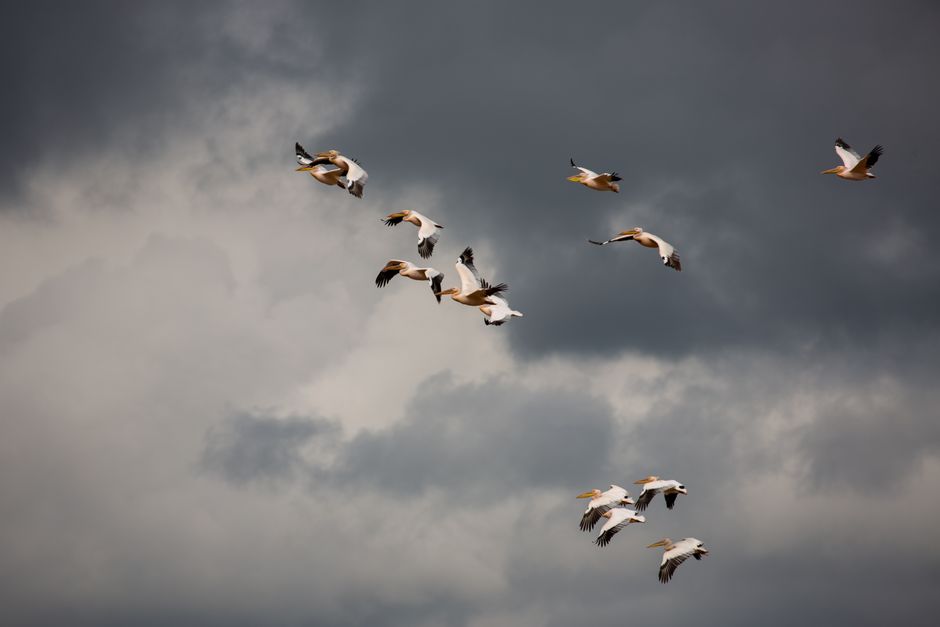
Pelicans respond strongly to where fish and aquatic prey concentrate. Weather that changes surface conditions often changes feeding opportunities.
- When the wind has pushed surface activity and creates more mixing, look for pelicans turning toward shore edges where prey may be stirred into shallows.
- On calmer intervals, pelicans may feed farther out but return to protected coves or sheltered roosts, giving you better viewing from stable shoreline points.
If pelicans appear to be “working” a stretch of shoreline, treat it as temporary. Move laterally (not directly into their route) if you need a better view.
Migrant waders: staging around shoreline water levels
Migrant waders often arrive when there’s a predictable shoreline feeding surface. In practice, that usually means:
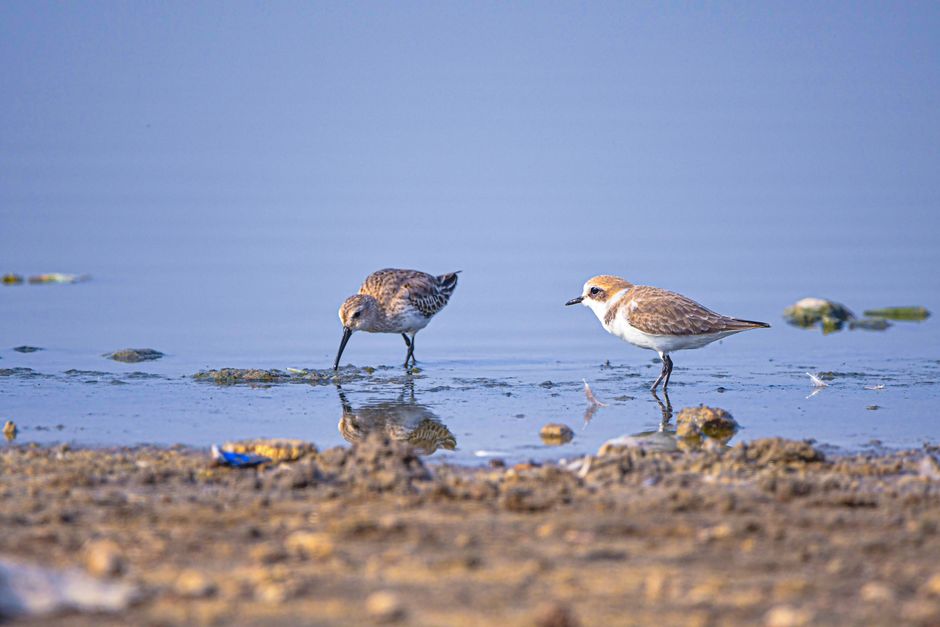
- Exposed or lightly flooded mudflats that allow pecking and probing
- Shallow wet ground where small prey remains accessible
- Minimal human disturbance in the hours they choose to feed
During weather transitions (especially moving from wetter to drier periods or after rain systems), the shoreline can shift. Birds may respond by increasing feeding activity where mudflats appear or by moving to a different bay edge when the waterline changes.
A practical species guide for what to look for
While individual days vary, these species are common targets for pelican-focused birding and migrating shorebird watching on Lake Victoria. Use the weather logic above to decide where to stand or boat-route.
- Great White Pelican
- Pink-backed Pelican
- Ruff
- Whimbrel
- Common Greenshank
- Marsh Sandpiper
For pelicans, prioritise open-water views near shore and watch for changes in feeding behaviour around wind shifts. For migrants, focus on exposed wet ground and scan for small, deliberate feeding movements rather than just flight arrivals.
Birding Responsibly and Safely
Keep wildlife welfare first: distance and patience
On Lake Victoria, it’s easy to drift into “getting closer” because birds are large and often appear tolerant. Still, welfare comes before convenience. Pelicans and waders can stop feeding if they’re repeatedly startled, and trampling wet ground damages the very shoreline they depend on.
Stick to a respectful distance, avoid blocking fishing routes, and keep conversations quiet near active feeding flocks.
Boat and shoreline safety that protects you and the birds
Water and wet ground add risk. Lakeshore birding can also involve boats landing in busy areas where visibility, footing, and navigation need attention.
- Wear a life jacket on any boat, and follow the guide’s safety instructions on boarding and movement.
- Avoid stepping into mudflats or reed edges; use established paths and shoreline-view areas.
- Do not chase birds for closer views; if birds flush repeatedly, stop repositioning and wait.
- Keep engines and sudden movements minimal near flocks; let birds return to feeding.
Planning for the best experience (without over-promising sightings)
Even with the right areas, migration timing and day-to-day conditions can shift what’s present. The best planning approach is to prepare a flexible route rather than relying on one “guaranteed” location.
A strong itinerary pattern near Uganda is to start early on a shore zone known for open-water viewing and then add a second stop where wet ground and shallow feeding are likely to hold migrants. If weather changes mid-day (especially wind direction), shift your focus to the shoreline edge that now offers calmer roosting or more accessible feeding.
Overall, if you pair the right shoreline zones around Uganda and Lake Victoria’s neighbouring shores with careful observation from stable platforms, and you let weather guide where to look next, you’ll maximise your chances of seeing pelicans in action and migrant waders staging along the water’s edge—while keeping both wildlife and local communities respected.
Leave a Reply