
If you're a birding enthusiast, then you know that Africa is a paradise for birdwatching. Lamu Island in Kenya delivers that magic alongside Swahili culture and classic dhow trips.
This guide helps you decide where to stay by grouping options based on three things: access to Lamu Old Town (for heritage days and evening atmosphere), proximity to dhow departure points (for smoother sailings), and closeness to mangrove birding areas (so you can go early, when birds are most active).
Use it as a practical planning tool when choosing your base, whether your schedule is packed with culture stops or focused on creeks, channels and tide rhythms.
Stay Near Old Town for Swahili Culture on Your Doorstep

Walkable heritage lanes and courtyard houses
If your priority is Swahili culture, staying inside or right beside Lamu Old Town is the most straightforward way to keep your days flexible. You’ll be able to wander between landmark streets, carved wooden doors, and sea-facing views without relying on long transfers.
This matters because Lamu’s best cultural moments often happen in the gaps: a quiet moment before lunch, an afternoon visit that runs slightly longer, or an evening pace that suits your energy.
Evening atmosphere and respectful visits
For cultural days, plan a loose routine around daylight and local norms. Dress modestly when moving through Old Town, ask before photographing people, and keep noise low near homes and places of worship.
Even if your main mission is birding or dhow trips, Old Town proximity makes it easier to return in time for dusk, when many streets feel especially alive and the air cools.
Best stay bases for heritage access
Target areas like these, grouped by how easily you can reach Old Town on foot or by a very short transfer:
- Lamu Old Town (inside the UNESCO heritage lanes)
- Waterfront guesthouses in Lamu Town (steps from the quay)
- Shela village (near the beach and quieter courtyards)
- Hindi area (local streets with faster access to the northern creeks)
- Manda Bay edges (for mangrove morning outings)
Choose a Base That Makes Dhow Departures Simple
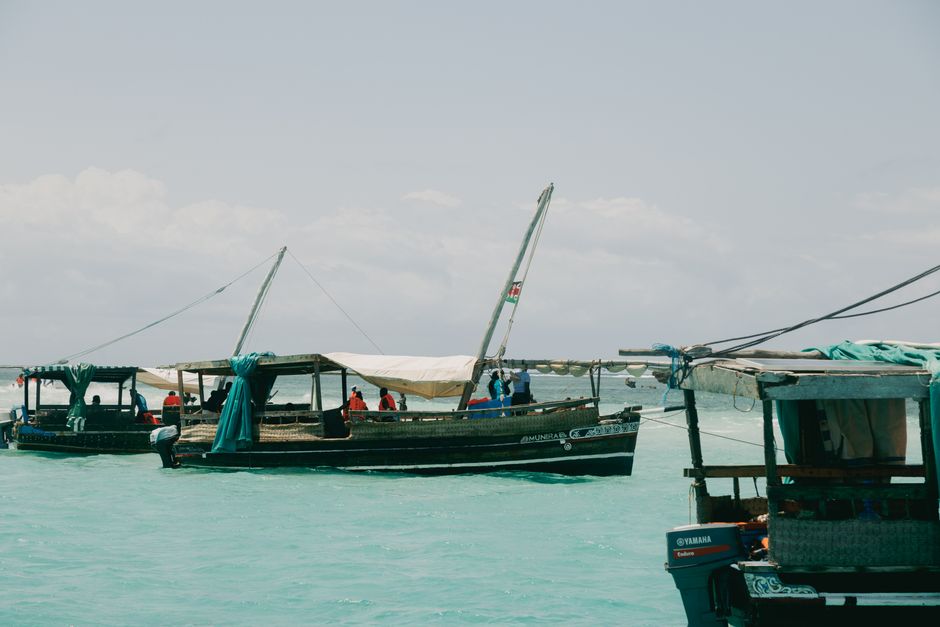
Waterfront locations and early sailing logistics
Dhow trips work best when you can reach the departure area without stress. When your lodge is close to the waterfront, you can be ready well before the boat is due to leave, which helps if your operator plans around tides, wind, or passenger changes.
For you, that means fewer “rush hours” and more time to enjoy the setting—sea breezes, bird calls on the shoreline, and the slow shift from town life to ocean rhythm.
Match your lodge to your ideal day length
Dhow trips range from short culture-focused outings to longer sails with more time for creeks and island stops. The easiest schedule is one where your accommodation allows you to return before evening fatigue sets in.
If you’re planning both birding and dhow time, consider a morning birding session on the mangroves, followed by lunch and a midday departure.
Classic dhow destinations to plan around
These are common trip themes to match to your interests, especially if you want Swahili culture and coastal wildlife on the same itinerary:
- Manda Island for culture, boat rides and shoreline birding
- Pate Island for Swahili heritage and reef-edge sightings
- Mainland Kipini area for mangroves and estuary life
Go Mangrove Birding From the Right Side of the Island
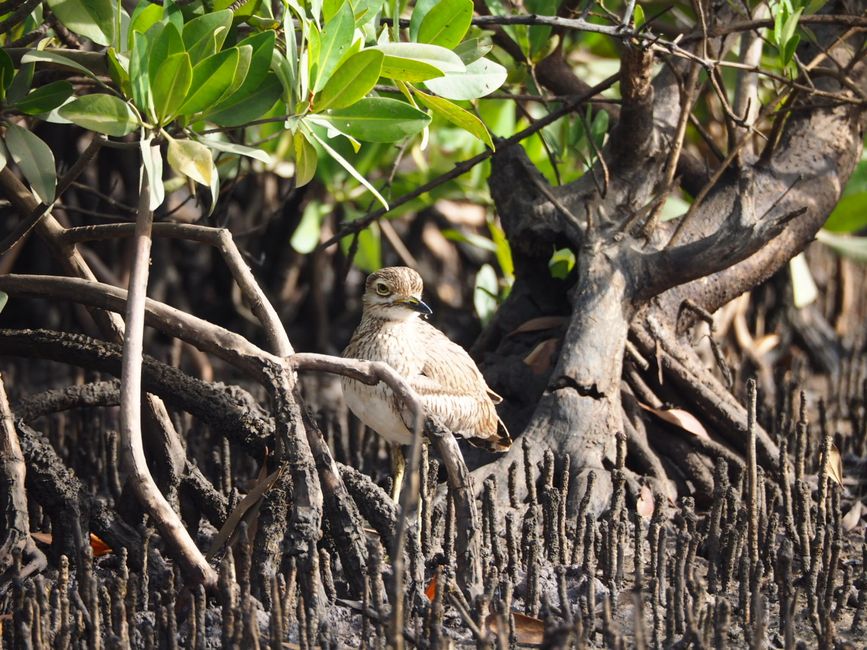
Why mangroves reward early starts
Mangrove birding is most productive in the early hours, when birds are active and visibility is good. Staying close to mangrove edges reduces the time spent commuting and gives you more time for patient watching.
Look for routes that work with local tide patterns. Many birds concentrate along creeks and channels where movement in the water brings food closer to the surface.
Walkable channels and low-tide viewpoints
When conditions are right, low-tide exposes small channels and muddy edges that attract waders, herons and other coastal specialists. Even if you don’t cover long distances, short walks along safe edges can produce better sightings than a hurried trip far from your base.
Bring a calm mindset: mangroves are dynamic, so bird activity can shift as water levels change.
Mangrove birding zones near Lamu
Use these zones as a guide to where your day starts should be, based on the kind of sightings you want:
- Shela mangrove channels
- Manda Bay creek fringes
- Lamu Island low-tide channels
- Kiunga Marine National Park (day trip for deeper mangrove birding)
Plan Culture, Dhow Time and Wildlife in a Smooth Day Schedule
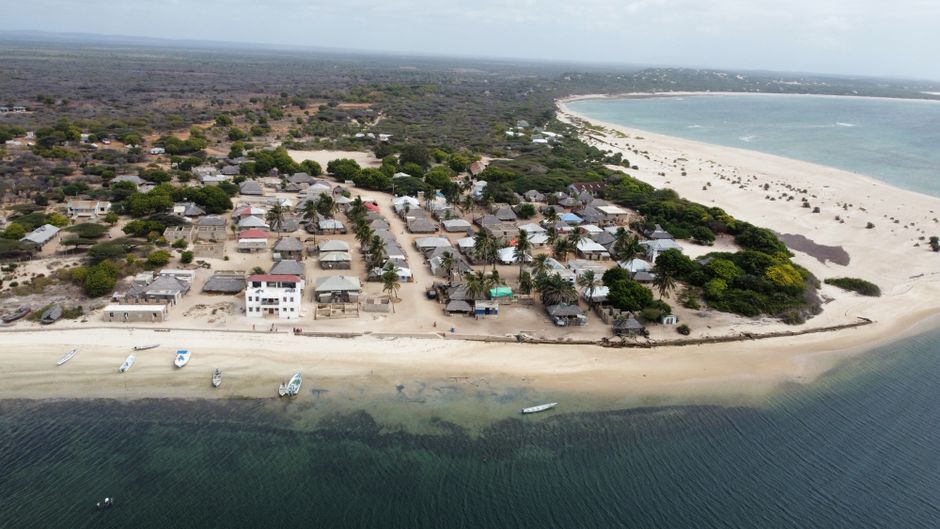
Build day plans around access, not just wish lists
The most enjoyable Lamu itineraries balance movement with breathing space. A practical way to plan is to choose one “anchor” per day—Old Town heritage time, a dhow departure, or a mangrove birding block—and then let the rest of your schedule flex.
If you’re staying near Old Town, your culture anchor might be a late-morning heritage walk, followed by a relaxed lunch, then a dhow departure that starts later in the day. If your lodge is closer to mangroves, swap it around: start birding early, then move into town.
Respect wildlife and habitats as you move through creeks
Birding in mangroves is not only about what you see—it’s also about how you travel. Avoid pushing off established paths, don’t disturb nesting areas, and keep group spacing so you’re not crowding birds or drivers.
On water, stay mindful of prop wash and sudden movements that can stress wildlife and small shoreline ecosystems.
Balance longer day trips with recovery time
For longer outings, such as mangrove-heavy day trips toward Kiunga Marine National Park, plan a relaxed evening back at your base. That gives your eyes time to rest and your body time to recover, which makes the next day’s birding and culture more enjoyable.
Pick a Stay That Supports Comfort, Safety and Community Respect
Ask the right questions before booking
When choosing where to stay, focus on practical details that affect your day-to-day. Things like reliable water access, mosquito control, and safe, well-lit paths matter more than “luxury” when you’re moving between Old Town streets, waterfront areas and early birding routes.
If it helps you compare options quickly, Booking.com can be useful for checking room locations and recent reviews before you confirm.
Safety on water and in crowded Old Town areas
For dhow trips, confirm meeting times clearly and carry a small bag for essentials. Wear footwear that works on uneven surfaces and boardwalks, and keep valuables secure.
In Old Town, practice the same awareness you would anywhere busy: watch where you step, be cautious with narrow lanes, and follow guidance from your host or local team about where access is appropriate.
Wildlife welfare and community-first etiquette
Sustainable travel in Lamu starts with everyday habits. Keep voices low near people’s homes, ask before photographing individuals, and treat wildlife encounters as observation—not interaction.
If birding draws you toward mangroves or creek edges, remember that you’re a guest in habitat. Stay patient, respect distance, and let birds choose the pace.
Overall, the best “where to stay” decision on Lamu Island comes down to matching your base to your daily rhythm. Choose an Old Town-ready location for Swahili culture, position yourself near the waterfront for smoother dhow departures, and stay close to mangroves if birding is a central goal. When access is easy, your schedule gets calmer—and that’s when culture, wildlife and community respect all fit together naturally.
Leave a Reply