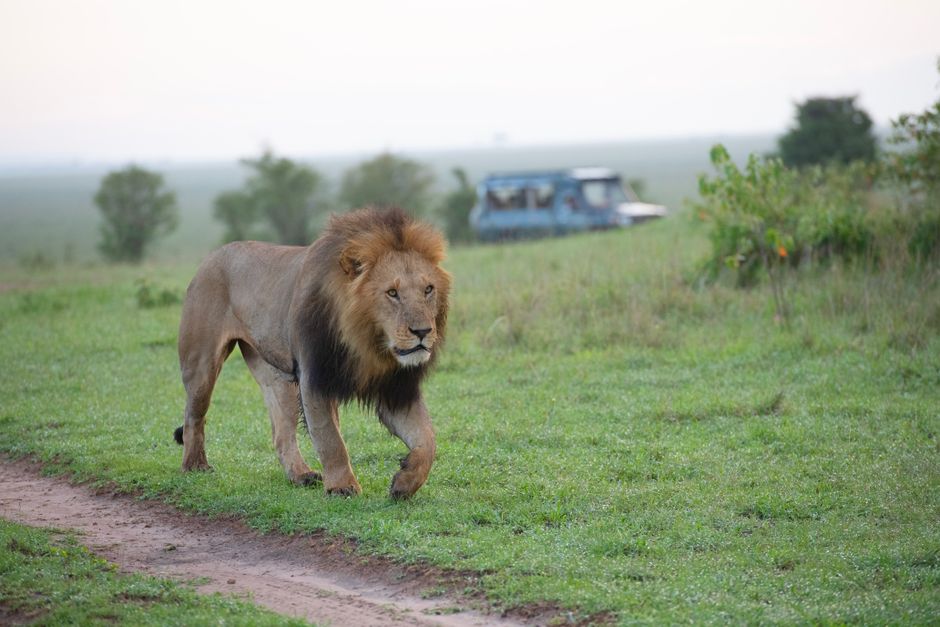
If you're planning a safari trip, you might be wondering how you can see the Big Cats of the Maasai Mara without private vehicle stress.
This guide walks you through group vs private driving options, what ranger briefings usually cover, what a realistic day schedule looks like, and how to keep both your costs and your safari’s impact down.
The goal is simple: help you enjoy frequent wildlife sightings with a well-organised plan, while keeping respect for wildlife and local communities at the centre of every decision.
Group vs Private Game Drives: What Changes on the Road

When a shared safari works best
A group safari is often the easiest way to experience the Maasai Mara for big cat viewing without the admin that comes with arranging a private vehicle, guide, and itinerary. In practice, shared drives usually mean:
- Your vehicle joins a schedule set by the operator or lodge.
- You follow a ranger-guided approach for where to look next.
- You accept that you may not always choose the exact “route” in the way a private vehicle could.
For big cats, that trade-off is usually worth it. Lion activity can shift as prides move, and cheetah and leopard sightings often depend on tracking changes in prey movement and where the light and terrain offer good viewing. A well-run group drive still prioritises time on the ground with sightings, not just “driving time.”
What private driving buys you
Private driving can be useful when you want maximum flexibility: longer or shorter stays at a sighting, a faster change of plans, or a more tailored rhythm for comfort. It can also help if you have specific accessibility needs.
However, private does not automatically mean “more sightings.” Big cat encounters depend on where the cats are, not on who arrives first. Also, in the Maasai Mara, good wildlife etiquette applies to every vehicle type: keeping safe distances, limiting unnecessary engine revving, and avoiding pressure on animals.
How to choose the right shared setup
The difference between a relaxing shared safari and a stressful one comes down to how the group is managed. Before booking, look for clarity on:
- Vehicle style (open-sided versus fully enclosed) and how the seating works for your comfort.
- How many vehicles are typically in a viewing area.
- Whether the operator uses a ranger system (or a specific guide-led spotting plan) rather than “everyone freelances.”
If you’re comparing shared-drive packages, Viator can be a practical place to read what’s actually included, but always confirm the itinerary details directly with the operator.
A Realistic Maasai Mara Schedule for Big Cats

Typical day timings and why they matter
A big cat safari works best with a schedule built around animal behaviour and visibility. Many days follow a pattern with early morning game viewing, a mid-day break, and late afternoon viewing. That gives you:
- Cooler temperatures for comfort and longer observation.
- Better light for spotting and photography.
- Time for wildlife to move and for guides to reposition intelligently.
Instead of expecting cat sightings on-demand, plan for “time on the look-out.” Lions can be active across the day, but you’ll often find more consistent viewing during the cooler hours. Cheetahs may show up when prey is moving and conditions allow them to hunt effectively. Leopards can be harder to find, so the value of a structured day and a skilled tracking approach becomes even more important.
Ranger briefing and spotting expectations
Your ranger or guide briefing is more than a checklist. It sets expectations for how sightings will be handled, where to focus, and how the group will stay safe. Be ready for guidance on:
- What behaviour to watch for (resting posture, hunting signs, sudden alerts).
- How to position your vehicle so you’re not blocking other viewers.
- How to respond if the ranger calls for movement quickly.
A good briefing also explains “quiet rules” that keep wildlife calm. Even in a group, the tone should be purposeful, not chaotic.
Managing meal breaks and back-up plans
The mid-day break is not wasted time; it’s built around your comfort and the need to let animals settle without extra vehicle disturbance. Still, you should ask how the operator handles day-to-day changes, such as a shift in animal movement or weather.
To reduce stress, choose an itinerary that includes sensible buffers: enough time between drives, clear meeting points, and a plan for how your group is notified if a sighting requires a change of route.
Staying Comfortable Without a Private Vehicle Stress

Packing and comfort planning for shared rides
On a shared safari, you’ll spend more hours together in the same vehicle, so comfort decisions matter. Think about what makes a long day easier for your body and for respectful viewing.
Bring clothing you can layer, wear footwear with reliable grip for getting in and out, and keep essentials dry and easy to access. If you use binoculars, have them ready, since stopping for a sighting in the bush can sometimes be quick.
Because shared vehicles can vary in airflow and shade, it helps to have a lightweight sun protection plan (hat or cap, sunglasses, and a layer for breezy afternoons).
Communication with your group and tracking sightings
Group driving is smooth when everyone follows the same rhythm. You’ll usually benefit from arriving with the mindset that the guide is tracking the bigger picture, not just responding to one random sight.
If you want to reduce stress further:
- Keep your camera and small essentials within arm’s reach.
- Wait for the guide’s instructions before moving positions in the vehicle.
- Treat sudden roll-outs as part of the plan, not a problem.
If you’re with a mixed-interest group, remember that big cat viewing often depends on patience. Agreeing to pause and observe can be the difference between a brief look and a meaningful sighting.
Cost-saving choices that do not cut safety
Keeping costs down is not about shortening time on the ground or squeezing in unsafe driving conditions. It’s about choosing an efficient itinerary design.
Look for packages that:
- Use shared drives on most days rather than only offering expensive “private add-ons.”
- Include park entry details clearly, so there are no surprises.
- Build your trip around fewer transfers, which reduces fatigue and logistical friction.
A well-designed shared itinerary can feel “busy” in the best way: your day has structure, the guide handles the route changes, and you’re not expending energy managing vehicle arrangements.
What to pack for low-stress shared drives
A short, practical packing approach helps you focus on wildlife, not searching for missing items.
- Binoculars (if you use them) and a camera with extra batteries
- Neutral-coloured clothing and a light rain layer
- Sunscreen, hat/cap, and sunglasses
- Closed-toe shoes with grip
- A small water supply and simple snacks for the vehicle
Wildlife Welfare and Low-Impact Viewing in the Mara

Distance, vehicle limits, and wildlife behaviour
Low-impact viewing is not optional in big cat country—it’s how you keep animals calm and reduce long-term stress. Your guide should steer you toward respectful behaviour that follows ranger guidance.
As a general rule, your focus should be on watching wildlife without forcing it to react to you. If the big cat changes posture, stands defensively, or seems to be “performing” for attention, that’s a sign the situation needs a reset.
For lions, cheetahs, and leopards, the same ethics apply: slow down, minimise noise, and keep engines steady and quiet. Let the animal decide where it wants to be.
Respectful waiting at sightings and kills
Sometimes big cats return to the same spot repeatedly, and sometimes they move suddenly. When a sighting involves ongoing feeding or close observation, the temptation is to park and watch for as long as possible. The better approach is to let your guide manage timing and vehicle positioning.
Good ranger-led safaris also include a “handover” mindset: if another vehicle arrived, or if the situation needs to change for welfare reasons, the guide should explain what’s happening and why.
Supporting conservation and local communities
Ethics extend beyond wildlife behaviour to the way tourism operates around the reserve. Choose operators that emphasise ranger-led driving, respect for rules, and clear expectations for visitors.
When you’re paying for a safari, you’re supporting livelihoods connected to wildlife tourism. The most meaningful difference you can make as a traveller is consistency: follow instructions, avoid confrontational behaviour, and treat guides and community members with the respect you’d want for your own home.
Planning Costs and Logistics: Keep It Affordable and Low-Impact
Where to base yourself in and around the reserve
Your base affects your daily energy levels and how well you can stick to a sensible schedule. Many travellers choose accommodation that reduces long transfer times so you can get more productive hours of viewing.
If you also plan a pre- or post-safari break, Nairobi National Park can be a practical add-on for day viewing without derailing the main Maasai Mara plan. It’s especially helpful for travellers who want an early “safari start” before heading out to big cat country.
Getting around: joining groups vs reserving flexibility
A key advantage of planning without private vehicle stress is that you can outsource route decisions to an experienced guide system. But you still need to plan how your group connects:
- Ensure you know where and when you meet.
- Confirm whether your vehicle stays consistent across drives.
- Ask how the itinerary adapts if the group splits temporarily due to sightings.
Flexibility is still valuable. For example, if the weather shifts, an operator should have a sensible adjustment plan rather than forcing rushed driving.
If you prefer clear, low-work planning, it can help to search broadly for options and then narrow down based on itinerary clarity. Booking.com is often useful for comparing accommodation availability around your chosen dates, but always verify the safari drive details through the safari provider.
Choosing dates and managing rainfall
Big cat viewing is possible in many seasons, but planning around weather can reduce discomfort and improve your odds of spotting animals in busy habitat.
- Dry seasons often bring clearer ground conditions and better visibility, which helps with searching for leopards and following lion and cheetah movements.
- Rainy periods can mean thicker vegetation and more variable road conditions, so your guide’s tracking skill matters even more.
Instead of chasing a “perfect date,” focus on matching the season to your priorities: comfortable viewing, manageable travel, and time on the ground. When you choose your dates, also consider how long your safari should be. Two or three well-structured days in the right area can often feel more valuable than trying to pack in multiple long drives.
Overall, the easiest way to plan a Maasai Mara big cats safari without private vehicle stress is to choose a reliable shared-drive setup, expect ranger-led briefings and realistic daily timings, and keep decision-making tied to wildlife welfare and comfort. When the itinerary is structured, the driving logistics become background noise, and you can spend your attention where it belongs: watching lions, cheetahs, and leopards with patience and respect.
Leave a Reply