If you’re planning an Okavango Delta trip with mokoro days, you know that mornings matter. This guide helps you pick the best place to stay near Maun so you can manage early departures, comfortable park transfers, and respectful wildlife viewing in the right style.
You’ll learn which parts of Maun suit different transfer patterns, how lodge vs guesthouse setups affect early starts, what a realistic day flow looks like from your base, and the key safety and ethics points for time on the water.
Where the Maun Gateway Stays Fit Best

Airport-side convenience for quick departures
Staying near Maun Airport is ideal when your safari plan includes light aircraft connections, or when your first transfer needs to happen early and on schedule. In practical terms, it means you spend less time crossing town before the day begins, which helps if your guide wants a quick briefing and a ready-to-go breakfast.
Even if your route is road-based, airport-adjacent areas can still work well because they tend to reduce the “traffic uncertainty” of a central town start. Look for properties that can offer a simple, consistent wake-up routine and packable breakfasts for early exits.
Central Maun for flexible logistics
Central Maun can be a strong option when your safari team arranges pickups from a common meeting point, or when you expect to do a mix of activities (for example, arrival day admin and a relaxed morning before a transfer). Staying near the main roads and services also makes it easier to handle last-minute needs such as cash, SIM cards, medical basics, and laundry.
For mokoro-focused trips, the key is not “being central” as a concept, but being central to the exact pickup plan your operator uses. Ask how far the drive is from your lodging to the departure point and whether pickups run strictly early-morning.
River-adjacent and calmer lodge bases
Some lodges and guest-friendly properties on the edge of town offer a quieter base atmosphere, often with views or a calmer feel after long travel days. This can be useful when your schedule includes a long day on the water and you want an easier wind-down at night.
The trade-off to consider is transfer time. A serene setting is only helpful if it still keeps you close enough to reach early mokoro launch points without last-minute stress. When in doubt, prioritize a practical travel radius over scenery.
Accommodation Styles for Early Mokoro Starts
Lodges with scheduled breakfasts and tight timing
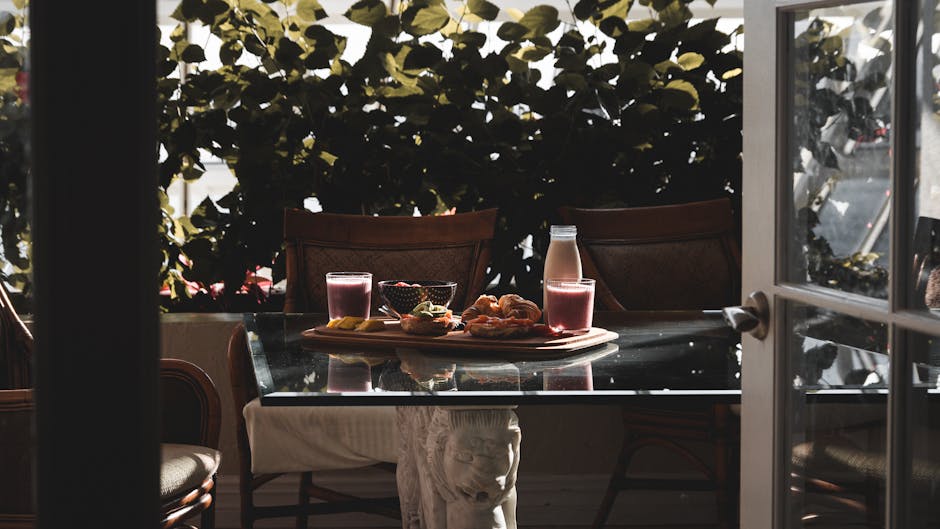
A lodge setup is often best for early mokoro departures because it tends to run on safari-style timetables: wake-up calls, breakfast service that can happen early, and staff who understand structured itineraries. Many lodges also have policies for packing, storing items securely, and helping guests get on the road quickly.
When choosing a lodge, check whether breakfast can be arranged as a proper early sitting or as an easy “grab-and-go” option. For mokoro days, you want a meal that won’t leave you hungry but also won’t feel heavy before you’re in a boat or canoe.
Guesthouses and self-catering flexibility
Guesthouses can work well too, especially if your route allows a slightly less rigid pickup time or if you’re comfortable building your own early routine. This style can suit independent travelers who prefer control over breakfast and packing, but it does require more planning.
Before confirming, clarify whether your host can reliably manage early breakfast access, and whether someone can be present for departure coordination. It’s also worth asking where you can keep valuables and damp gear between days.
Match the style to your transfer plan
The right accommodation style isn’t just about comfort; it’s about reducing friction between “room time” and “on-water time.” If your mokoro starts are typically very early, choose a place known for organized mornings and proximity to your pickup.
If your trip includes at least one slower day or a later departure, you can mix styles: for instance, use a lodge for mokoro-heavy days and a guesthouse for arrival or downtime. That approach often keeps energy high across the whole itinerary.
What Your Day Plan Looks Like from Maun
Morning briefings and mokoro launches
On mokoro days, the schedule often follows a familiar pattern: a briefing, a transfer to the launch area, then time on the water with your guide. The best bases near Maun support this flow by making your morning predictable.
Ideally, your lodging provides a calm wake-up and helps you arrive with time to settle, use facilities, and get briefed without rushing. Rushing tends to increase forgetfulness, which can lead to lost items or uncomfortable transitions.
Transfer options: road, air, and charter-style planning
Some safaris combine different transfer methods depending on where you’re staying inside the wider Okavango Delta region. Road transfers are common for many itineraries, while light aircraft may be used for longer distances or for getting closer to specific water channels.
The easiest staying choice is the one that aligns with your transfer style. If your first movement is an early road pickup, a location close to the route your operator uses matters most. If your plan uses air connections, being near Maun Airport can reduce the risk of delays.
Buffering time for water conditions and wildlife
On the water, timing is sometimes shaped by water levels, currents in channels, and wildlife activity. That’s normal, not a problem, but it does mean your accommodation needs to support flexibility.
Pick a base where staff can handle minor schedule changes without confusion, and where you can store damp clothing and gear easily. This helps you return feeling practical and ready for the next day, rather than distracted by drying issues or missing items.
Respect, Safety, and Welfare on Mokoro Days

Behave respectfully around guides and local routines
Mokoro guiding is skilled work, and your best experience comes from steady cooperation. Listen closely during briefings, keep voices and movements calm, and follow your guide’s instructions about boat handling, landing areas, and how to behave near wildlife.
Respect also extends beyond the water. Support the people who manage the channels and know the land, and avoid pressuring for closer encounters. The goal is a shared, safe experience, not a “bigger moment” at any cost.
Health and safety on the water
Even on calm days, mokoros can involve splashes, movement, and changing conditions. Wear clothing suitable for sun and wind, and use any provided life-jacket guidance. If the guide requests particular behavior for safety, treat it as non-negotiable.
Hydration is important, especially in warmer months, and it helps to carry essentials your operator allows. If you’re prone to motion discomfort, ask your safari team what they recommend before departure so you can plan appropriately.
Leave no trace and protect the delta environment
The Okavango Delta is a living system with sensitive habitats. Keep your belongings secured, avoid littering, and respect rules about where you can land or step. If there’s a wildlife sighting, give space and avoid sudden changes in direction.
Conservation is strengthened when visitors understand that the ecosystem’s rhythms matter. By treating the water like a workplace for local guides and a habitat for wildlife, your trip supports the long-term health of the area you came to enjoy.
Planning Your Booking and Trip Flow
Questions to ask before confirming your stay
Choosing where to stay is simpler when you confirm the practical details with your operator and lodging in advance. Use these questions to match your accommodation to early starts and transfer realities:
- What is the earliest pickup time from the lodging to the mokoro launch area?
- Can breakfast be served or prepared early (and can it be packed if needed)?
- How long is the transfer from my room location to the meeting point?
- Is there secure storage for valuables and damp gear between activities?
A quick email or call before booking can prevent avoidable stress once you’re in Maun.
Best room choices for smooth mornings
For mokoro-heavy itineraries, favor rooms that make mornings efficient. Ground-floor access can be helpful when you’re carrying bags or stepping out early. Also consider whether the property offers quiet rooms away from noise so you can sleep properly after a travel day.
If you’re changing lodgings during the trip, coordinate timing carefully. The days leading up to water activities are when you want fewer moving parts, not more.
Using online listings to check availability
Availability in Maun can change with seasons and group sizes, so it helps to cross-check dates early. Booking.com is one practical way to compare property locations and reviews while you confirm transfer details with your safari team.
When viewing options, prioritize location clarity. Ideally, choose a stay described in relation to the key transfer points used by your itinerary (airport access, main roads, and your operator’s pickup meeting plan). That reduces the odds of discovering too late that a “short drive” is actually a longer one at dawn.
Overall, the best place to stay near Maun for Okavango Delta mokoro days is the accommodation that keeps your morning routine predictable: a location that matches your transfer method, an accommodation style that supports early departures (often a lodge for tight schedules, a guesthouse when you can manage early routines), and staff who can handle minor timing shifts smoothly. With that foundation, you’ll be free to focus on respectful, safe mokoro experiences and the wildlife encounters that make the delta so special—whether your day ends on the water, with a boat cruise, or with a game drive in the wider region.
Leave a Reply