If you're planning a safari trip, you might be wondering how you can make your experience more sustainable. This guide explains how community conservation camps work around Mole National Park, what to verify before you go, and how to visit in a way that protects wildlife and supports the people living closest to it.
You will also learn how to match the right camp to your travel style, what your on-the-ground experience should include, and what responsible visitor behaviour looks like in Ghana’s savannah landscapes. The aim is simple: better wildlife moments for you, and better outcomes for communities and conservation partners.
Mole National Park is known for its wildlife variety and for the way conservation links to local livelihoods. When tourism is done responsibly, it can help fund habitat protection, reduce pressure on wildlife, and strengthen community roles in monitoring and enforcement.
How Community Conservation Camps Work at Mole
What “community-linked” should mean
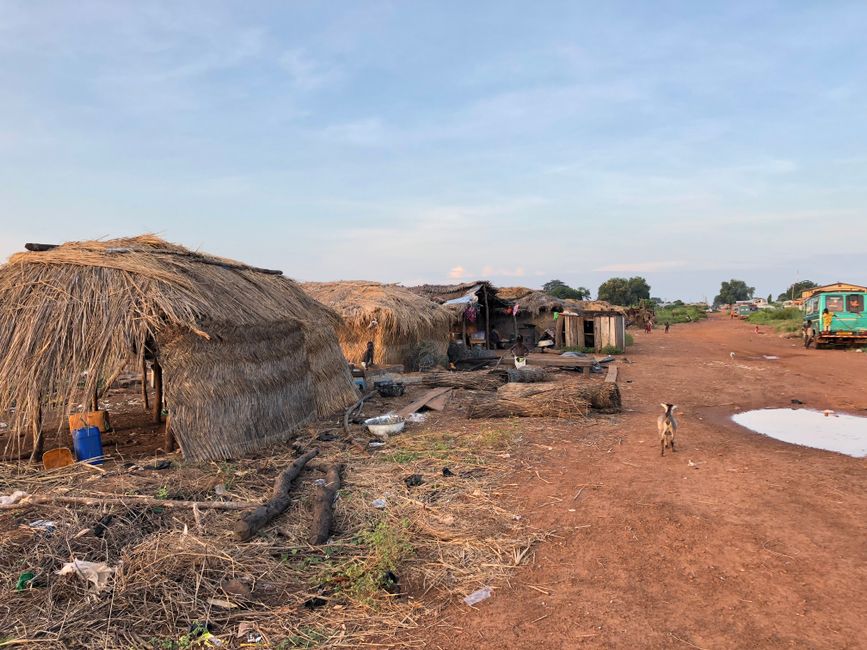
Community conservation camps are lodges, tented camps, or small guest setups that are connected to local villages through ownership, employment, guiding roles, or community-led conservation agreements. At Mole, the most credible options are those where local people are involved in decisions and benefit from tourism beyond just a short-term wage.
Look for partnerships that are transparent about who receives tourism revenue and how conservation activities are funded. A camp can advertise “community involvement” and still have limited local benefit, so it helps to know what to check.
Where camp partnerships are typically based
Many community-linked tourism services operate through gateway towns and nearby villages that support access to the park. Planning routes through the Damongo area, for example, often connects you to community experiences that sit alongside standard safari logistics.
Because community partnerships are local and can change over time, the most useful approach is to treat each camp as an individual case study: verify how it works, who benefits, and what wildlife-protection standards it follows.
What conservation looks like beyond the lodge
The best community-linked camps tie everyday hospitality to conservation outcomes. That might include sharing information from community wildlife monitoring, supporting ranger and anti-poaching efforts through agreed fees, or funding community priorities that reduce incentives for harming wildlife.
If a camp cannot explain what conservation support it provides, or how it tracks results with partners, it is a red flag. Responsible tourism should be able to point to practical actions, not just slogans.
When to Go and How to Choose a Well-Reviewed Camp
Matching your timing to wildlife viewing
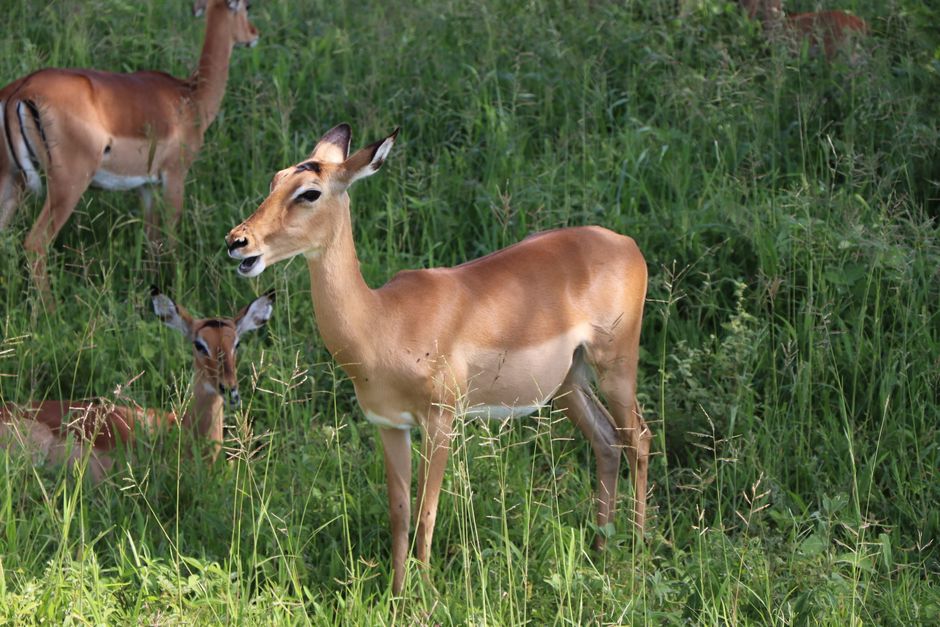
Mole’s wildlife sightings are influenced by seasonal water and food availability. During drier periods, animals often concentrate around reliable water sources, which can improve the odds of seeing larger mammals. In wetter periods, the park landscape can be greener and birds and insects become more active, which changes the feel of drives and walks.
Instead of chasing a single “perfect” month, aim for the time window that fits your priorities: big mammals and predictable sightings, or birds and a softer, greener landscape.
Shortlist responsibly: reviews that matter
Well-reviewed camps are not only judged by comfort and service. For community-led conservation, the most meaningful reviews mention local employment, respectful wildlife behaviour, and an emphasis on protection and rules.
A practical way to shortlist options is to use Booking.com to compare ratings while reading the text of recent reviews. Then, shortlist only camps that you can verify directly before paying.
Verify before you book: the checklist
Use the following verification points to assess whether a camp is truly community-linked and responsible.
- Benefit-sharing: Ask who benefits from your booking (community association, household groups, staff recruitment) and how conservation fees are handled.
- Local employment: Confirm that guides, trackers, cleaners, cooks, and security roles are filled locally where possible, and ask what training the camp provides.
- Anti-wildlife-trafficking rules: Request details on how the camp discourages wildlife harm and what procedures exist if guests observe illegal activity.
- Conservation transparency: Look for a clear explanation of how support reaches conservation partners and how the camp communicates rules to staff and guests.
If a camp can answer these questions confidently and consistently, it’s a stronger sign that the “community” part is real.
What Your Stay Should Look Like on the Ground

Daily routines that support conservation and respect
A community-linked camp should feel organised around wildlife respect, not just guest convenience. That often includes disciplined vehicle etiquette on safari, clear guidance for photography and behaviour, and staff who understand why rules exist.
During drives, good practice usually shows up in small details: quiet driving where wildlife is calm, controlled spacing between vehicles, and no encouragement of animals approaching people. On-site, responsible camps set expectations early so visitors understand what is acceptable.
Community guiding and cultural exchange, done right
One of the best parts of Mole-area community conservation is learning alongside local guides. Responsible cultural exchange focuses on informed storytelling, consent, and fairness. It should not be performative, exploitative, or based on pressuring guests for tips.
When community guiding is done well, it adds real value to wildlife viewing. Guides interpret tracks, call patterns, and habitat signals more effectively because they understand the landscape and the conservation priorities attached to it.
Wildlife viewing etiquette you can follow immediately
Ethical wildlife viewing is not complicated, but it does require self-control, especially around large mammals. At Mole, you are likely to encounter species that can move quickly and react unpredictably if stressed.
Treat these guidelines as non-negotiables:
- Keep a respectful distance and avoid trying to “get closer for a better photo.”
- Do not block animal movement paths, especially at water and feeding sites.
- Follow the lead of your guide and tracker; they decide when it is safe and when it is time to move on.
A camp that trains visitors to behave this way is doing more than hosting. It is helping wildlife survive longer and safer lives.
Wildlife you can reasonably expect
Species sightings vary by season and luck, but Mole is known for the possibility of:
- African elephants
- Lion
- Roan antelope
- Kob
- Hartebeest
- Warthog
If your camp consistently offers meaningful tracking, patient guiding, and respectful observation practices, your odds improve without compromising animal welfare.
Ethics, Safety, and Anti-Trafficking Standards
How anti-trafficking rules should show up
Anti-wildlife-trafficking commitment is not just for rangers. In a responsible community-linked camp, staff should be clear on what to do if they hear rumours of illegal wildlife activity or see suspicious items.
Ask whether the camp has a policy about wildlife products (such as animal trophies or untreated items), what guidance it gives to guests, and how it discourages any behaviour that could support trafficking networks. The strongest camps explain this calmly and practically.
Safer interactions around wildlife and vehicles
Safety is also wildlife welfare. If guests behave in ways that increase stress for animals, the result can be dangerous for everyone. Your guide should manage how vehicles approach, how long you stay, and where you position yourselves.
Avoid stepping outside designated areas on foot unless your guide confirms it is appropriate and safe. Around large mammals, “quick” movements by people can escalate risk. The safest experience is the one where everyone stays calm, follows instructions, and moves only when directed.
Respect for local communities, not just animals
Responsible tourism includes how money moves and how people are treated. A community-linked camp should support fair work, not only casual volunteering. If you want to contribute beyond your booking, do it through the camp’s agreed community programs rather than informal “side payments” that can undermine local systems.
It also helps to respect local customs with the same seriousness you apply to wildlife rules. Simple behaviours—asking before photographing people, dressing appropriately in village contexts, and listening more than assuming—create the kind of trust that makes conservation partnerships last.
Planning a Responsible Mole Itinerary You’ll Feel Good About
Build a low-impact schedule
A responsible itinerary balances wildlife time with community time. That means planning drives with rest in mind, avoiding unnecessary long commutes when better options exist, and keeping activities realistic.
If a camp offers early departures, late returns, or extended drives, ask how decisions are made. Good camps explain trade-offs and prioritise animal welfare and safety rather than squeezing in extra sightings.
Choose activities that strengthen local conservation
In addition to game drives, community-linked camps often offer conservation-adjacent experiences such as supporting monitored trails, learning from local conservation education, or participating in structured activities that have clear local benefit.
A quality camp will describe what the activity is, what it aims to achieve, and what the boundaries are. If an “experience” encourages reckless behaviour, ignores wildlife stress signals, or pressures you into paying informal fees, skip it.
Ask follow-up questions before departure
Before you travel, send or request a short list of questions in advance. Even in a relaxed setting, a responsible camp should be able to give clear answers about:
- how it connects guest fees to local benefit-sharing
- how staff are trained and supported
- what anti-trafficking and wildlife-respect rules are in place for guests
Doing this work upfront protects your trip quality and reduces the chance of unintentionally supporting tourism that looks good on paper but fails on the ground.
Overall, choosing community conservation camps at Mole National Park comes down to verification and behaviour. Prioritise camps that can explain benefit-sharing, demonstrate local employment, and outline anti-wildlife-trafficking standards. Then support that model during your stay by following wildlife viewing rules, respecting local people, and focusing on conservation outcomes that last beyond your visit.
Leave a Reply