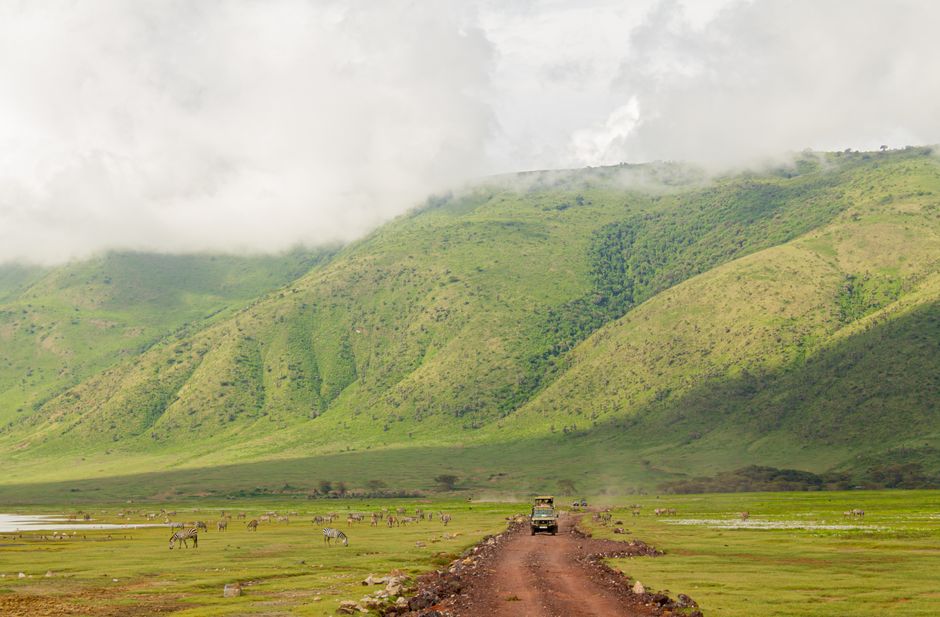
If you're planning a safari trip, you might be wondering how you can make your experience more sustainable. A big part of that is getting the logistics right so you spend more time watching wildlife and less time rushing.
This guide walks you through planning a Ngorongoro Crater safari with Karatu as your base. You’ll learn how to structure your days, what to expect from the crater ecosystem (with a focus on black rhino), and how descent and vehicle choices affect the quality and safety of your viewing.
Throughout, the emphasis stays on respectful wildlife watching, practical comfort at altitude, and working smoothly with your guide so the experience supports conservation goals.
From Karatu to the Crater Rim: Timing and Setup
Why early starts matter (and when they don’t)
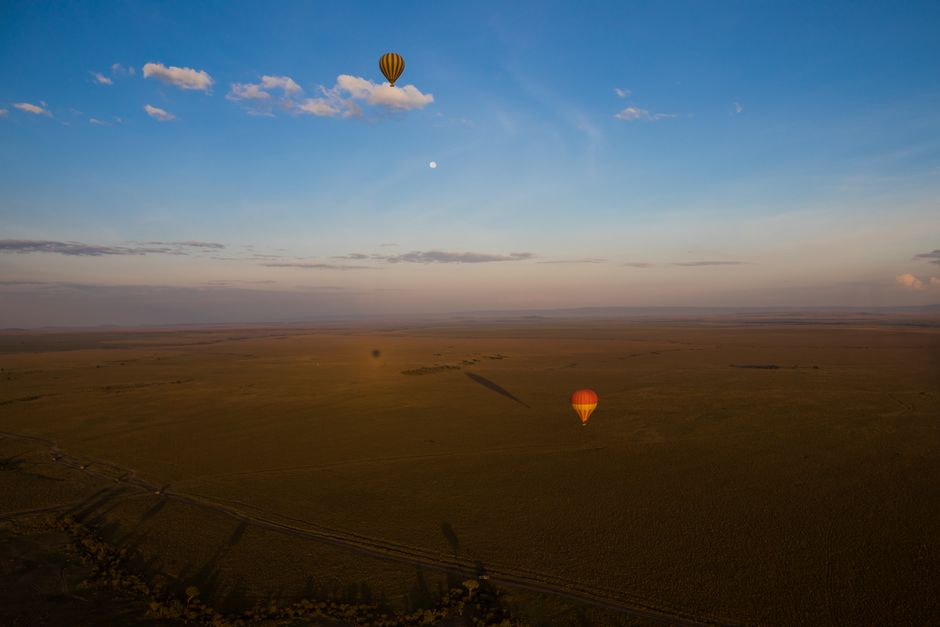
Ngorongoro Crater wildlife viewing is all about visibility and comfort. Starting earlier in the day typically means cooler temperatures, fewer dust clouds, and more stable conditions for spotting animals at distance. It also helps you reach the rim with time to settle in before the crater landscape “warms up” for the day.
That said, a good plan also respects rest. If the safari involves an early descent followed by a long drive back to Karatu, it can be worth arranging your timing so the day does not turn into an exhausting rush that drains energy for careful scanning.
Typical day flow from Karatu
Most itineraries based in Karatu are built around getting to the crater rim early enough to begin viewing shortly after you descend. Your guide’s timing will depend on permits and local operational flow, but the structure is usually straightforward: meet and depart from Karatu, reach the rim, descend with your guide, spend several hours inside the crater, then return to Karatu for dinner.
If your travel days include long transfers, plan to avoid “tight” schedules. A small delay on the road can steal your best viewing time, so buffer time is not a luxury.
Descent and vehicle options to ask about
How you descend shapes what you can see and how comfortable it feels. In most cases, visitors view the crater from a safari vehicle during the main wildlife sightings period, with movement controlled by the guide to protect animals and reduce disturbance.
Before departure, ask your operator about:
- Whether the crater roads and viewing routes require a specific vehicle type (usually a capable safari 4x4)
- Whether the same vehicle will stay with you throughout, or whether operations sometimes involve vehicle swapping at the rim
- Whether viewing will be from a vehicle with open sides or enclosed protection (open-sided can improve sightlines, while enclosed comfort can help if weather changes)
Sticking with the rules that are in place for the crater is part of ethical viewing, and it also makes the day run smoothly.
Building a Simple Itinerary: One Crater Day and a Real Karatu Buffer

A classic structure for a single Ngorongoro day
If a single crater day is the priority, the easiest way to keep it enjoyable is to build the day around a “core viewing block” and protect everything around it.
A comfortable structure often looks like:
- Early departure from Karatu so you are on the rim before the crater heats up too much
- Several hours inside the crater, with multiple short moves rather than one long chase
- A return that gets you back to Karatu with enough time to relax and eat properly afterward
This approach supports both wildlife welfare and your own ability to spot animals carefully. Quick stops, long scans and patient positioning tend to pay off more than trying to cover every possible sightline.
When to add a second crater day (and when not to)
A second crater day can be helpful if wildlife viewing is a high priority or if the first day is affected by weather, heavy dust or visibility issues. It can also allow you to slow down more, revisit areas at different times of day, and react to what you learned the first time.
If energy is limited, though, a better “value” choice can be a rest-focused Karatu day with shorter activities. Not every safari needs to be packed. When the crater day is the main event, Karatu rest and recovery can improve how much wildlife you actually enjoy spotting.
The Karatu buffer principle
Karatu works best as a base when the safari schedule allows for real meals, sleep and a calm morning. In practice, that means:
- Confirming where you will have breakfast on safari day
- Knowing whether your lunch is provided as a picnic-style meal or as a stop later
- Planning an early return evening so the next day is not compromised
A buffer is also a practical kindness to wildlife: fewer rushed decisions inside the crater means less unnecessary repositioning.
Crater Ecosystem Expectations: What You’ll Really Be Looking For
Wildlife in context, not in a checklist
Ngorongoro is often described as a natural amphitheatre, and that matters for how animals behave. The crater ecosystem is shaped by the balance of grassland, woodland edges and the crater’s interior conditions, which influence where different species choose to feed, rest and move.
Rather than expecting one “perfect” moment, plan to scan continuously. Many sightings come after patience: an animal becomes visible only once dust settles, or a group appears when they shift from shaded cover into open areas.
To anchor expectations, here are the core areas and wildlife you may focus on:
- Ngorongoro Crater
- Ngorongoro Conservation Area
- Karatu area
And inside the crater ecosystem:
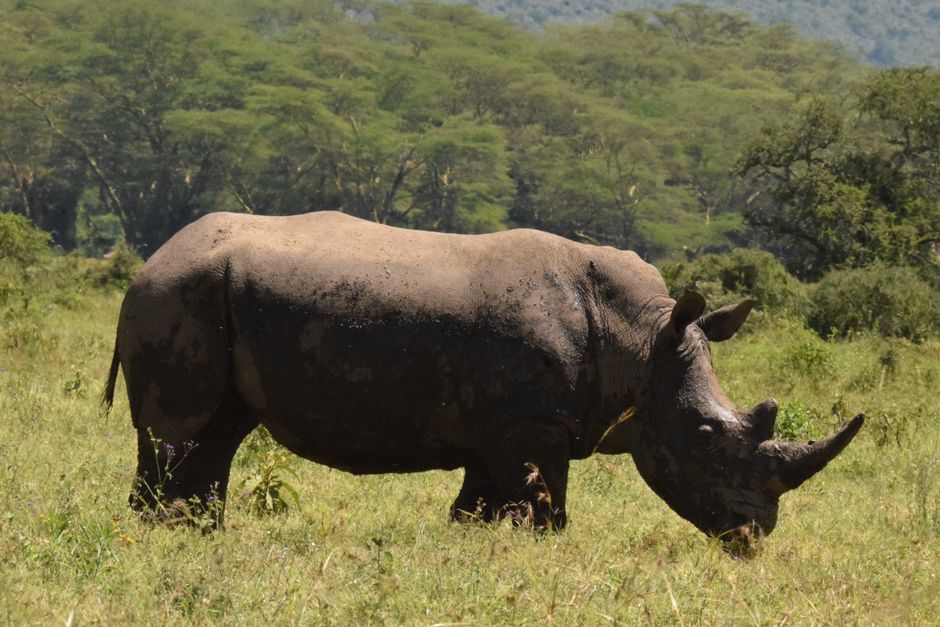
- Black rhino
- Lions
- Elephants
- Hippos in the crater lake area
- Zebra and wildebeest
Black rhino viewing: what to expect and how to interpret it
Black rhino in Ngorongoro are part of a protected conservation context, and seeing them is understandably a top goal. It’s also important to calibrate expectations: rhino sightings can be sporadic compared with species that travel in large groups.
Good viewing usually comes from a mix of the guide’s tracking/observation and your willingness to wait without crowding. Rhinos may be feeding, resting, or moving slowly through more vegetated sections where they are naturally harder to spot.
Instead of thinking only “will we see one,” it helps to think “where is the best place to observe responsibly right now?” That mindset encourages calm, cooperative viewing and reduces the chance of disturbance.
How landscape features affect sightings
Within a single crater day, the landscape “reads” differently depending on where animals are feeding. Open grazing areas tend to attract grazing species and predators that hunt along travel routes. Vegetated patches and shaded edges can hold browsing animals and make sighting more subtle.
If the crater lake area is active during your visit, it can draw in species that use water and wallow habitats. Even when sightings feel inconsistent, changes in animal movement often follow water availability, cover, and time of day.
Descent Rules, Vehicle Etiquette, and Safety Inside the Crater
Vehicle behaviour that protects animals (and your experience)
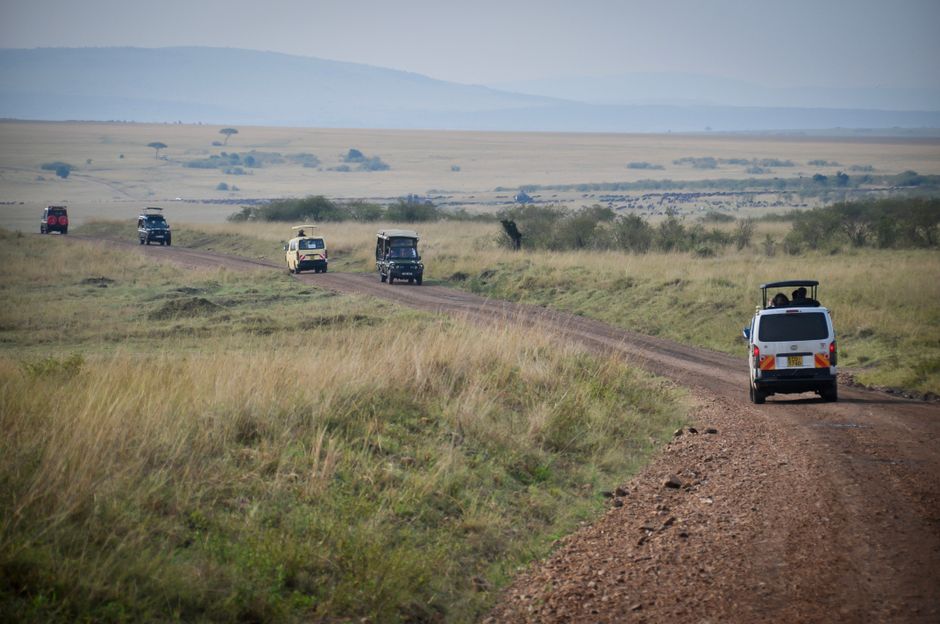
Crater rules are designed to limit stress and maintain safe, respectful distances. Even when you spot something exciting, the best viewing comes from following the guide’s instructions about positioning, speed and when to stop.
Common etiquette points:
- Stay seated and keep noise low while the guide is assessing where animals are and how they’re reacting
- Avoid sudden changes in vehicle angle when animals are moving close by
- Let the guide handle repositioning rather than leaning forward or shouting for a better view
When the group moves together calmly, your chances of a good sighting improve. Stress increases when vehicles bunch up or when there’s constant repositioning.
The descent environment: comfort and altitude awareness
The crater rim and crater interior can feel dramatically different in temperature and air movement. That means layering is useful, even if you start the day in mild conditions.
Also consider that the safari experience includes long periods scanning in one position. Bring whatever helps you stay comfortable: warm layers, sun protection and a plan for hydration. If weather turns, ask your guide how to adjust vehicle behaviour and viewing time.
Safety basics that prevent avoidable trouble
Safaris can be safe and relaxed when routines are clear. Use seatbelts where fitted, keep hands and gear inside the vehicle, and resist the urge to try to photograph through open windows when the vehicle is moving.
Most importantly, treat “wildlife distance” as a non-negotiable rule. The goal is watching behaviour without pushing animals to react. If a sighting requires moving closer to be “worth it,” it usually isn’t worth the risk.
Structuring Your Karatu Stay for Smooth Days and Better Wildlife Time
Choose a base that matches your safari rhythm
Karatu lodging works best when it supports your schedule rather than fighting it. If your crater day starts early, staying closer to the areas where you’ll begin the journey can reduce the chance of delays that compress your viewing time.
Look for lodging that offers:
- An easy, reliable breakfast arrangement on safari mornings
- Comfortable rooms that allow proper sleep after a crater day
- Calm access to parking and pickup areas so the day doesn’t start with last-minute scrambling
Before committing, Booking.com can be a straightforward way to compare Karatu lodging options based on location and practical reviews.
Meals, hydration and rest planning
A good Karatu stay is not just about where you sleep. It’s also about how you fuel the body for altitude and long scanning sessions. Make sure breakfast timing aligns with your pickup, and confirm where and when lunches will happen if they’re part of the plan.
Hydration matters because safari days often include dry air, sun exposure and movement at the rim. If you tend to carry snacks, focus on easy-to-eat options that do not require refrigeration.
For evenings in Karatu, keep it simple: a warm meal, a short walk if weather allows, and an early night are often the most effective “preparation” for a second day of wildlife watching.
Managing expectations across the stay
A crater safari can be emotionally intense, especially when the aim is black rhino. One day inside Ngorongoro can be unforgettable, but it can also feel variable depending on how animals move.
To manage this well, think of your Karatu stay as the part of the trip that keeps the experience grounded. If the crater day brings great sightings, Karatu becomes the place to decompress. If sightings are quieter, Karatu still gives you the chance to rest, review photos and prepare mentally for another wildlife-focused morning.
Overall, a successful Ngorongoro Crater safari from Karatu is built on steady timing, calm vehicle etiquette during descent and viewing, and a realistic understanding of how rhino and other wildlife appear in the crater environment. With that foundation in place, Karatu stops being just a stopover and becomes the comfortable base that makes wildlife watching in the crater feel unrushed, respectful and genuinely rewarding.
Leave a Reply