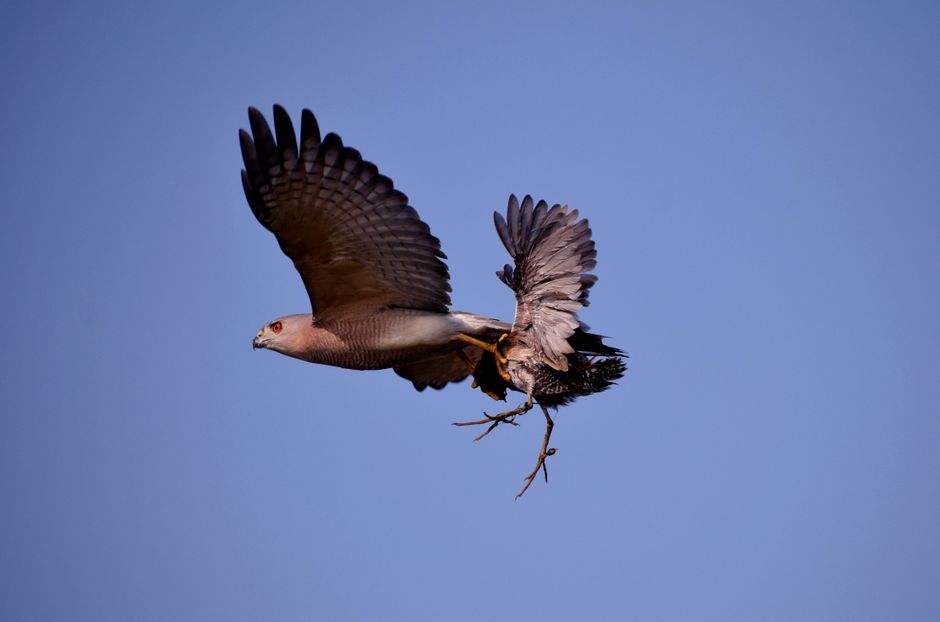
If you're a birding enthusiast, then you know that Africa is a paradise for birdwatching.
In Niokolo-Koba National Park, you can build a day around two parallel quests: fast, rewarding raptor watching over savanna woodland, and slower, more intimate forest-bird listening along rivers and seasonal thickets. This guide focuses on where to go (habitat-led viewpoints), when to try them (time-of-day patterns), and how to move quietly and safely so you see more while respecting wildlife and the people who protect and live with it.
Raptors Over Savanna Woodland: Viewpoints That Pay Off
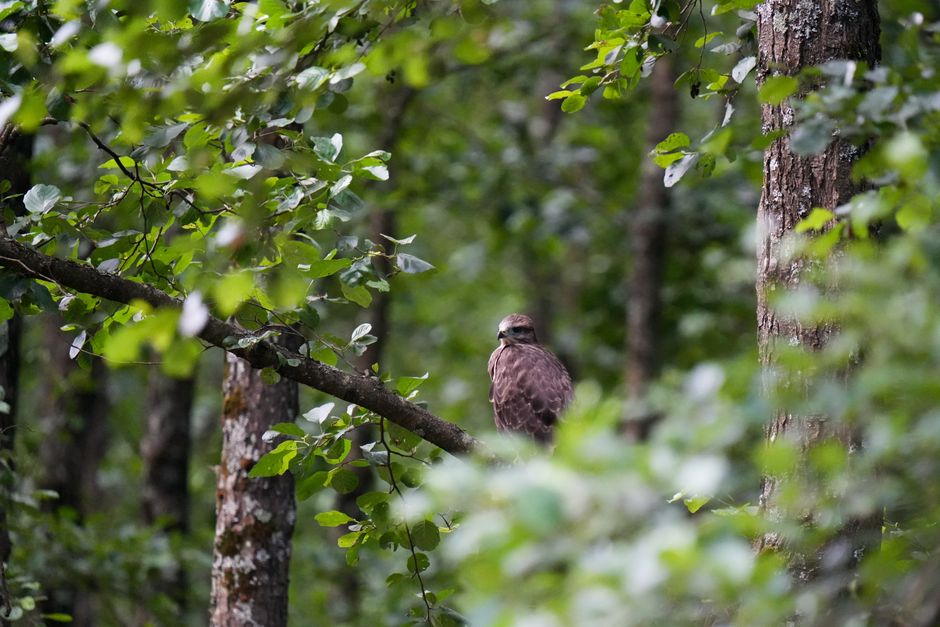
To maximise results, prioritise the edges: the first tree line beyond open grass, the margin where shrubs give way to scattered tall trees, and any dry seasonal “breaks” where visibility improves. These are the same places where prey movement concentrates, which brings raptors in to hunt.
Use a slow-pace scanning rhythm
On game tracks, rushing leads to missed wings and over-focused binoculars. Instead, pause every short distance, scan systematically from near to far (and back again), then check the ground for movement between bushes. Woodland raptors often swing between lookout perches and short drops, so changes can happen quickly.
If you’re with a guide, agree on a simple rhythm: a quiet scan on the move, then a longer stop when a bird is suspected. This keeps you alert while avoiding loud chatter or repeated repositioning that can flush other birds.
Top habitat viewpoints for raptor and woodland bird success
Niokolo-Koba’s best raptor moments come from matching the habitat to the hunting behaviour. Use these as your “go-to” stops when planning your route:
- Open woodland clearings near park tracks (good for kites, eagles, and other soaring hunters)
- Tall-tree lookout perches along woodland edges (ideal for patient sitting birds)
- Savannah grass patches that dry out early (often hold prey movement that draws raptors)
- Rocky or raised ground with a wide view (helps you scan without constantly changing position)
- Shrub-to-tree transition zones (useful for fast fly-through hunters)
- Stream-side openings where visibility breaks into the gallery forest (excellent for hunting lines)
- Vehicle-stopping points with long sight lines (reduces missed detections when birds cross)
- Dusk approach areas where birds commute between perches (productive near the end of the day)
River-Edge Forest Birds: Find the Shade and Listening Zones
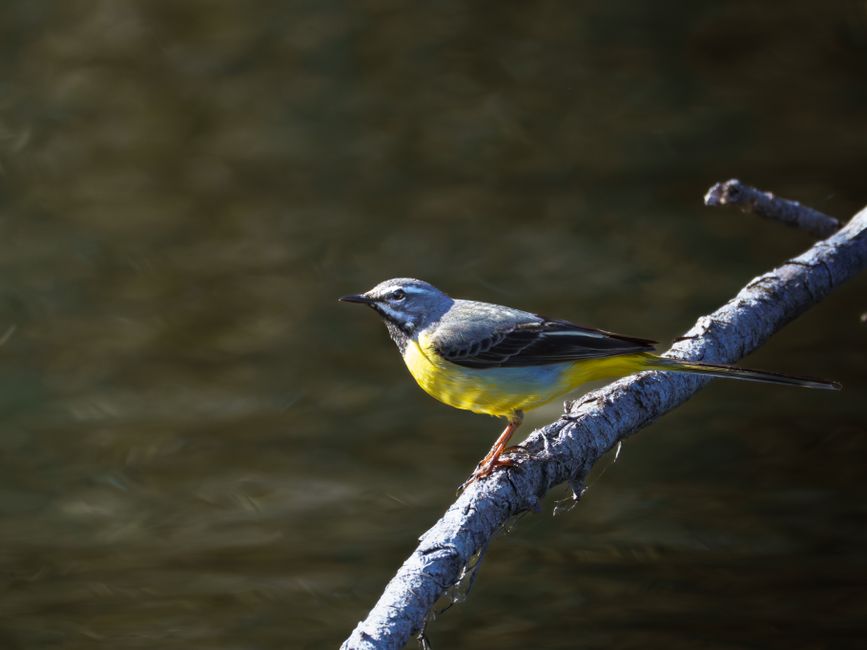
At a river edge, spend time where branches overhang water but you can still see through gaps. These openings let you read movement cues: a flicker of tail, a quick hop along a trunk, or a sudden pause where a bird stops feeding.
Let your ears lead your eyes
Forest birds can be quiet, and many species announce themselves with calls before they show well. Use short listening sessions between scans—especially when the light is flat under canopy. If the forest goes silent, pause longer rather than stepping forward immediately. Often the bird resumes feeding once you stop adding pressure.
A practical approach is to pick one “listening line” (for example, a stretch of overhanging branches) and keep returning to it rather than constantly drifting. Consistency improves detection.
Forest-bird behaviour cues to watch for
Even without naming every species, you can apply the same behaviour logic: woodland and forest birds cluster around food edges and travel lanes. Look for movement patterns like hopping along understory stems, short flights between treetops, and repeated foraging in the same patch. When you find an active micro-zone, slow down and reduce your silhouette against the background.
Curated Day Routes: Morning–Midday–Late Afternoon Loops
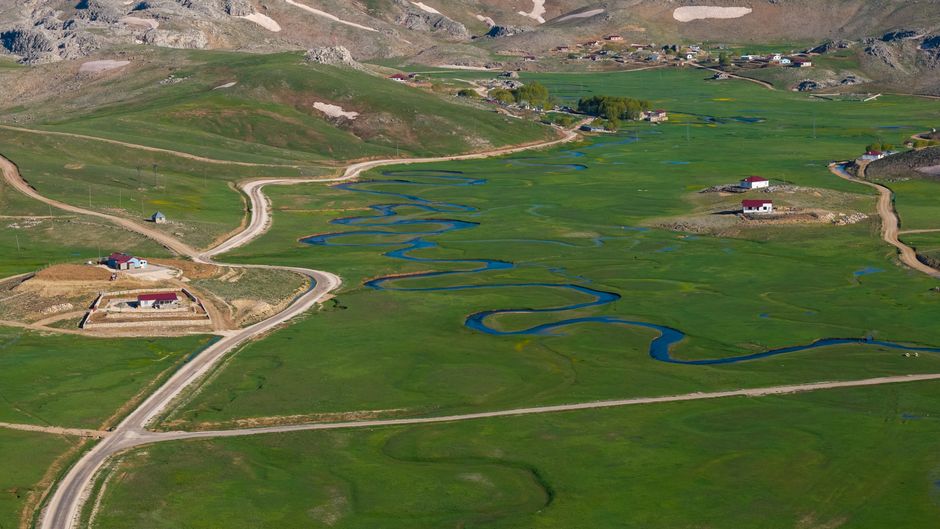
After your first raptor detections, shift slightly toward habitat edges: raptors may circle higher later, but you’re also likely to pick up woodland specialists that become active as insects start moving.
Midday circuit for calmer movement in thicker cover
Under canopy, midday can be challenging because heat reduces bird motion in some areas. The solution is to adjust the habitat focus: return to river-edge shade and look for birds that keep feeding despite the light shift.
Use fewer moves and more listening. Many forest birds continue short, repeated foraging trips that are easier to notice when you remain still. If you must reposition, do it slowly and only when you’ve confirmed the area is quiet.
Late-afternoon return for commuting and feeding
As temperatures soften, both raptors and forest birds often become more active. Late afternoon can bring renewed soaring over woodland and fresh movement along edges. If your day plan has a “final scan” point, choose a location with long sight lines—so you can watch birds travel in and out.
When possible, leave time for longer pauses. Dusk behaviour changes quickly: some raptors move toward communal perches, while others drop into hunting routines near edges.
Viewing Ethics and Safety: See More by Disturbing Less

Distance rules are simple: if a bird changes position because you’re there, you’re too close. The goal is “presence without pressure”, especially around any potential nest area or concentrated feeding patch.
Avoid risky attempts to draw birds closer
Playback and imitating calls can be harmful if used thoughtlessly, and it can also mask your ability to detect birds naturally. If a specific technique is ever suggested, follow ranger and guide advice and use it sparingly, with the bird’s welfare as the priority.
For raptors, avoid sudden movements that force them to change direction repeatedly. For forest birds, avoid pushing into dense cover purely to “get a better view”—it usually disrupts more than it reveals.
Wildlife welfare and personal safety in a large park
Birding doesn’t remove the need for standard safari safety. Wear light, protective clothing to reduce insect bites, keep water accessible, and be aware that river-edge terrain can be uneven or slippery.
Also remember that Niokolo-Koba is a living landscape with local livelihoods nearby. Move respectfully, park responsibly where permitted, and support community rules rather than treating them as optional.
Planning Your Trip for Maximum Raptors and Forest Birds
Pick the right season for the habitat you want
Niokolo-Koba’s birding changes with seasons because habitat visibility and food availability change. In drier months, open woodland edges often become easier to scan for raptors, while river edges may hold more concentrated activity as humidity and insects persist near water.
During wetter periods, forest structure can become denser and sight lines shorter, but birds may feed more frequently in shaded corridors. Build your expectation around habitat type rather than assuming the same strategy works year-round.
Choose a guide who understands birding routes
A good birding guide does more than drive. They read the landscape like a map: where raptors should hunt, where forest birds are likely to travel, and when to pause for calls. When talking through your plan, ask how they structure the day around habitat edges and time-of-day movement.
If you’re arranging logistics beyond your local base, Viator can be a practical option for finding reputable transfer and tour formats that match an early-morning, wildlife-respecting schedule.
Pack for long scanning and quiet listening
Plan for two styles of birding: scanning overhead and staying still under canopy. Bring comfortable binoculars, a reliable rain cover, and clothing that keeps you protected without overheating. A notebook or phone notes app helps you track which habitats produced what, so the next day’s route can improve.
Most importantly, bring patience. Forest birds often reveal themselves through persistence rather than sudden “discoveries”, and raptors rewarded by a calm presence can be easier to track than those you chase.
Overall, the best results in Niokolo-Koba come from treating the park like a set of linked habitats: open woodland for raptors, river-edge gallery cover for forest birds, and a day plan that follows the changing mood of light and movement. Focus on viewpoint habits, move quietly and deliberately, and let wildlife lead your route. By following these… you’ll increase your odds of memorable sightings while keeping the experience ethical for the birds and respectful for the people who help protect this place.
Leave a Reply