
If you're planning to track gorillas and chimps, then you know that Congo rainforest viewing requires permits and careful preparation.
This guide walks you through how wildlife tracking permits work at Odzala-Kokoua National Park in the Republic of Congo, including what you can realistically expect, how ranger teams run the process, and how to prepare your body and plans for thick, humid forest conditions.
You'll also find practical advice on staying safe, respecting primates at close range, and building contingencies so a slower trail or reduced visibility does not derail your day.
How Wildlife Tracking Permits Work in Odzala-Kokoua

Permit limits and why they exist
In Odzala-Kokoua National Park, tracking permits are used to control how many people enter a tracking area at once. This helps reduce stress on wildlife, limits disturbance in sensitive habitat, and gives rangers more control over group movement when forest visibility is low. It also supports safer tracking for you, because ranger teams can brief everyone thoroughly and adjust pacing to the terrain.
What your permit usually covers
While the exact details depend on how your visit is organised, permits for primate tracking generally cover:
- Access to the park tracking programme for a set species on a specific date
- Ranger-led locating and interpretation during the tracking session
- Time on the trail and (when successful) a guided viewing window after the primates are found
A permit is not a guarantee that animals will be sighted. In dense rainforest, gorillas and chimpanzees move, feed, and travel unpredictably, so the ranger’s job is to follow signs and make safe, ethical choices about whether and when a viewing encounter is possible.
Confirming requirements before travel
Permits can also be tied to administrative requirements such as participant details, age or fitness expectations, and compliance with park or public health rules that may be updated seasonally. Before you arrive, make sure the name on your travel documents matches the participant details used for your booking, and ask what the ranger team expects from you on the day (for example, how long you might be walking at a steady pace).
Where and When to Request Gorilla and Chimp Tracking
Where tracking starts in the forest
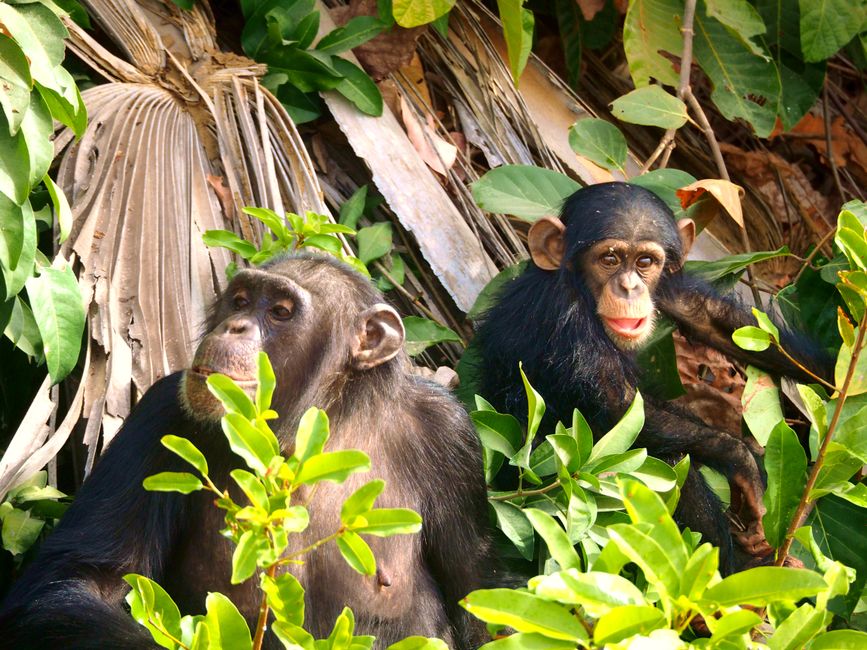
For gorilla tracking and chimpanzee tracking, the “where” is guided by recent signs, ranger knowledge of habitat, and the park’s management plan. You may hear about tracking starting points or sectors, but keep expectations flexible: dense forest can funnel movement, and rangers choose routes based on safety, weather, and the likelihood of following fresh trails.
Scheduling, time windows, and rainforest rhythms
Most primate tracking experiences work within a daily time window, commonly tied to morning activity levels and daylight for safer navigation. Rain impacts tracking conditions in a big way: muddy ground slows movement, wind and rain can affect sound cues, and visibility may drop under thick canopy.
Instead of planning around a fixed “arrival time equals primates guaranteed,” build your schedule around the idea that tracking can be slower or rerouted. If you have other activities planned the same day, keep them buffer-friendly.
Working through authorised channels
In practice, permits are often arranged through your accommodation or an authorised organiser who coordinates with park authorities. For visitors who prefer to compare dates and trip structures, Viator can be a useful place to check what is being offered, though the final permit conditions still depend on the operator and the park’s current procedures.
Inside the Tracking: Ranger-Led Protocols for Primates
Finding signs, then moving quietly
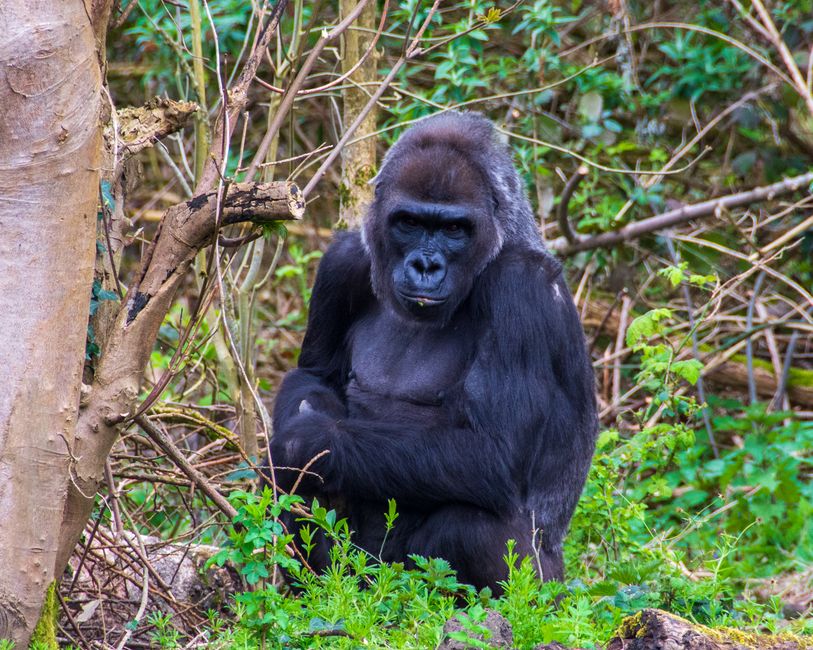
Ranger-led tracking typically starts with careful searching for signs: calls, nests or feeding indicators, footprints, broken vegetation, and other evidence of recent activity. Once signs are found, the group moves at a pace set by rangers. In rainforest, silent movement matters because you want to avoid forcing primates to retreat or change direction repeatedly.
Expect frequent pauses. Pauses are not “dead time”; they’re part of listening, scanning for movement, and ensuring the route stays safe and ethical.
Maintaining distance and following instructions
When primates are located, your position and behaviour matter as much as the animal itself. Rangers will set viewing boundaries that you must follow, including where you stand, how quietly you move, and when you need to step back.
A simple way to keep it clear is to treat your viewing like a conservation rulebook:
- Stay behind the ranger’s guidance and never try to “move closer for a better view.”
- Keep noise low; avoid sudden movements or blocking routes.
- Follow guidance immediately if rangers call for retreat.
Because gorillas and chimpanzees can move quickly and unpredictably, rangers may change plans on the spot to avoid crowding or unsafe proximity.
What you might see once you locate gorillas or chimps
Once gorillas or chimps are found, the viewing window can vary. Sometimes you’ll get clear sightlines and calm feeding or social behaviour; other times you might see brief movements through vegetation before the group changes position. Rangers interpret what’s happening—why the animals are stopping, moving, or calling—and they manage the group so you can observe without turning the experience into an ongoing disturbance.
Respect, Safety, and Welfare in the Forest
Health precautions on the trail
Even when you feel fit, rainforest tracking is a close-proximity activity in humid conditions. You should plan for hygiene and basic disease prevention:
- Carry hand sanitiser and use it before handling food or drinks.
- Avoid eating with hands after contact with shared surfaces.
- Follow ranger advice around any illness symptoms—if someone is unwell, rangers may adjust proximity and group movement.
Also consider that some public health guidance can change over time. Check official travel and health advice close to departure and follow what is current for the Republic of Congo.
Footing, heat, and emergency readiness
Dense forest travel is physically demanding: roots, slippery patches, narrow paths, and steep or uneven ground are common. Your safest approach is to match the pace and not rush when visibility is limited.
If you feel faint, overheated, or unable to keep up, tell a ranger early. Better to step back or slow down than to risk a fall. Rangers typically carry a first-aid kit and plan for emergencies, but the best prevention is steady movement and honest communication.
Protecting forests and communities
Responsible tracking is also about respect beyond wildlife. In and around forest areas, the way you behave affects local conservation outcomes and community relationships. Stick to ranger-designated routes, keep your group compact, avoid litter, and do not leave the “viewing zone” to explore.
If you encounter signs of local livelihoods—pathways used by community members, small areas cleared for practical reasons—treat those as part of the landscape. Your goal is to observe wildlife without creating extra disturbance for people living near the forest.
Fitness Prep and Rainforest Contingency Planning
Medical checks and training for uneven terrain
Even though you are “only” tracking, the experience can involve hours of movement over uneven ground. A realistic prep plan focuses on endurance, leg strength, and joint stability.
Start with a medical consult at least a few weeks before travel. A travel clinic can advise on vaccination and malaria prevention based on current guidance and your itinerary. In addition, discuss any conditions that affect mobility or breathing. If there’s a chance you might struggle with sustained walking, make sure your organiser understands it before the permit date.
Training that tends to help most:
- Builds cardiovascular stamina (brisk walking or cycling)
- Strengthens legs for hills, steps, and repeated uphill/downhill effort
- Improves balance and ankle stability
Bring a mindset that the forest decides the schedule. If you train for steadiness rather than speed, tracking feels more manageable.
Gear that supports safe movement
You do not need complicated equipment, but you do need the right basics for thick rainforest conditions. Prioritise comfort, durability, and hygiene.
- Sturdy, broken-in walking shoes with good traction
- Lightweight rain protection that does not restrict movement
- A small daypack with essentials, plus a water plan
Wear neutral-coloured clothing if advised by your ranger team, and keep straps and loose items secured so nothing catches on branches.
Contingencies when trails are slower or visibility drops
Dense rainforest is not an environment where “backup plans” are optional. A good contingency plan is about protecting your safety and keeping expectations grounded.
Before your tracking date, ask your organiser how contingency decisions are handled, such as:
- What happens if tracking is delayed by weather or slower progress
- Whether the viewing window can be shortened for safety
- How rangers communicate changes to the group
Then plan your own side accordingly. Keep the rest of the day flexible, pack for wet conditions, and avoid committing to hard timing for flights or transfers immediately after tracking.
If you go with a calm, cooperative attitude, you’ll handle contingencies better. Rangers may choose not to continue if conditions make it unsafe or likely to disturb wildlife. That outcome is frustrating, but it can be the most responsible one, and your permit and preparation are part of why the system can work.
Overall, tracking permits in Odzala-Kokoua are designed to balance your desire for a memorable gorilla or chimpanzee encounter with the realities of dense rainforest, wildlife welfare, and safety on the ground. By following these… and staying guided by rangers from the first briefing to the final return, you help ensure that primate tracking remains ethical, enjoyable, and respectful for the animals and the forest communities that protect them.
Leave a Reply