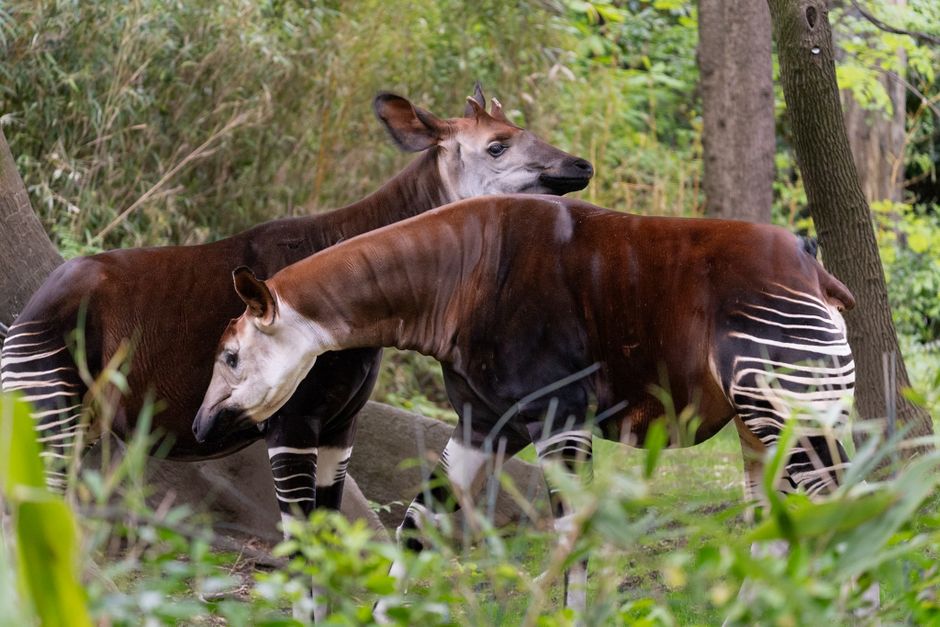
If you're planning an okapi trek in the Ituri Rainforest, then you already know it is not a simple day hike. This guide explains what access and permits look like, who you’ll trek with, how long the trek usually lasts, and when the rainforest wildlife is most likely to be active.
You will also get practical, on-the-ground advice for reading the forest, keeping safe, and respecting both animals and the communities that help protect the reserve.
Understand the Okapi Wildlife Reserve Experience
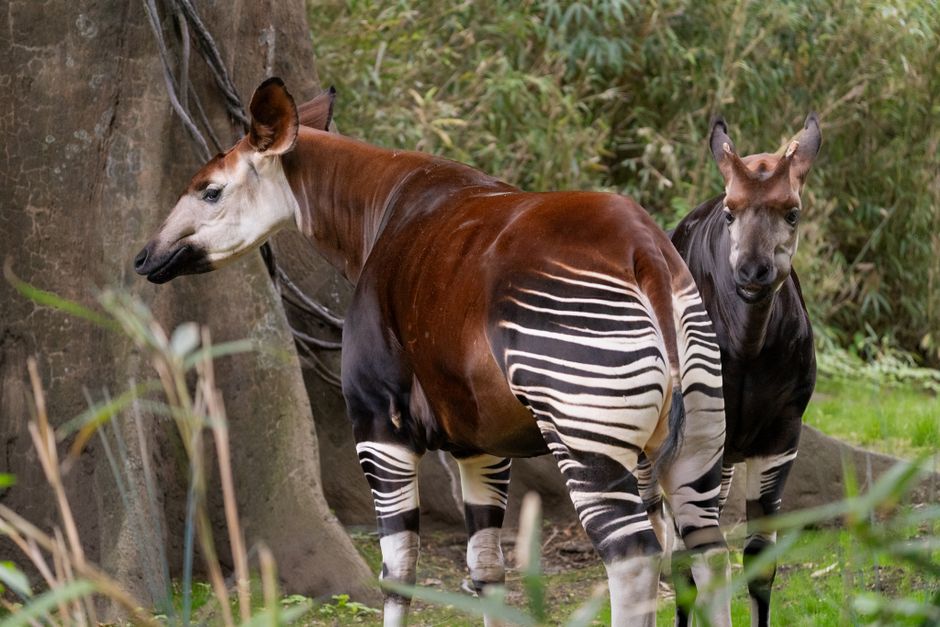
Why an okapi trek is different
An okapi trek in the Okapi Wildlife Reserve is built around tracking in dense, humid rainforest rather than “search-and-scan” wildlife viewing. Instead of waiting for animals to appear like they might on open savannah, you are usually moving slowly with a team trained to read signs: fresh tracks, feeding remains, droppings, and the subtle indications that an animal is nearby.
Just as important, the trek is designed to minimise disturbance. The more quietly you follow guidance and the more you allow your trackers to lead, the better the chance you have of seeing okapi or other forest wildlife without pushing animals away.
What the Ituri forest changes for wildlife viewing
In the Ituri Rainforest, visibility is often limited by vegetation, and sounds carry differently under thick canopy. That means your “viewing window” is not only about the time of day, but also about where the team has found fresh signs and how quickly conditions allow safe, low-impact movement.
Expect the experience to feel more like careful tracking and patient waiting than a guaranteed wildlife spotting event. When the team signals that the forest is quiet and movement is safe, you will have the best chance to confirm activity visually.
Key names you’ll hear before the trek
You will come across a few essentials in almost every itinerary:
- Okapi Wildlife Reserve
- Okapi
- Forest elephants
- Forest duikers
- Forest primates
Permits and Access: What to Expect Before You Go

Permit expectations and planning lead time
Access to the Okapi Wildlife Reserve is controlled, and permits are typically required in advance. Rather than being a last-minute “buy on the spot” situation, planning usually starts with confirming your dates, your guide allocation, and the administrative approvals connected to entry.
Because the reserve is remote and the number of people entering the forest is managed to reduce pressure, you should build flexibility into your schedule. If weather or access conditions change, your trek may be adjusted to protect both visitors and wildlife.
In practical terms, expect passport checks and a formal pre-trek briefing. Bring the exact documents your operator or the reserve team requests, because missing paperwork can delay entry or change your trek timing.
Authorised guides and ranger-led tracking
A good okapi trek is led by people who know the forest. Typically, you will trek with a trained guide and trackers who can interpret signs and understand where and when it is appropriate to pause. This is not just about “finding animals”; it is also about safety, minimising disturbance, and keeping the group together.
Your guide should explain how close you can get, when you should stop moving, and how to behave if animals are seen. If the team asks for silence, it is because your behaviour directly affects the chance of an okapi remaining calm enough to be seen.
If a proposed itinerary does not include an authorised guide-and-tracker team, treat it as a warning sign. Okapi trekking depends on structured access and local expertise.
How the Trek Works on the Ground
Typical duration and day structure
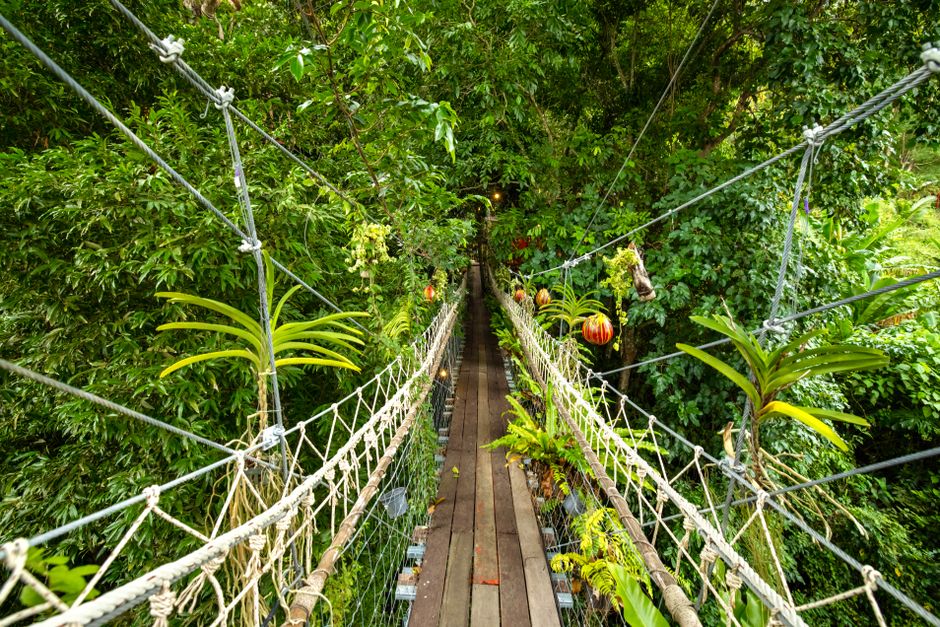
There is no single “one size fits all” timetable, because rainforest conditions and the team’s tracking opportunities vary. Still, most okapi treks are structured around a focused forest outing of several hours, often described as a half-day to full-day trek.
In many itineraries, the day starts with orientation and safety instructions, followed by the forest walk at a pace set by the trackers. When fresh signs are found, the group may spend time moving incrementally, then pausing quietly for a better chance of visual confirmation.
If your trip includes more than one trek day, that is usually to increase the odds of contacting fresh signs on different routes and at different times.
Tracking signs: what “progress” looks like
In the rainforest, progress is often measured by evidence rather than sightings. Your guide might show how to read the ground, where tracks or feeding remains suggest recent activity, and why certain areas are approached slowly.
When the team decides the timing is right, you may be asked to stop and listen. Okapi and other forest species can be present without being immediately visible, because foliage blocks sightlines and animals may move cautiously.
To support the tracking process, you will generally need to:
- Stay close to the group and follow the guide’s spacing
- Avoid stepping on tracks or over-disturbing leaf litter
- Keep noise to a minimum, especially during pause periods
Conditions that affect your comfort and timing
Rain, humidity, and uneven ground can quickly change what “an easy walk” feels like. Expect slippery patches, standing water in low areas, and thick understory that slows movement.
Your guide may adjust pace to balance tracking effectiveness with group safety. If visibility drops because of heavy rainfall, it may be harder to spot wildlife, but it can also bring activity closer to pathways and reduce sound carry unpredictably—another reason the guide-led plan matters.
When to Look for Okapi and Other Wildlife
Realistic wildlife-viewing windows
Okapi are often most associated with low-light activity patterns, which means the best chance of a sighting is rarely “midday sunshine.” In practice, your realistic viewing windows tend to fall around early morning and late afternoon, when the rainforest is calmer and animals may be more active.
That said, the most important predictor of wildlife contact is not only the clock—it is the presence of fresh signs that indicate local activity. If trackers find indications of recent okapi presence, the team may adjust your schedule to maximise the chance of seeing an animal during a calm, appropriate moment.
How patience works in dense forest
In open habitats, you might watch for movement at a distance. In dense rainforest, your chance comes from quiet waiting at the right point. That is why you may move, pause, and reposition in small increments rather than walk continuously.
During pause periods, look and listen in the way your guide suggests: focus on near-ground cues, scan through gaps in foliage, and avoid “rushing” your eyes. Wildlife often reveals itself as brief changes—an ear twitch, a shift behind a trunk, or a pause in feeding.
Respecting animals, and how that affects what you see
The quickest way to reduce your chances of seeing okapi is to pressure the animal. If the guide indicates an approach is unsafe, that is not a “missed opportunity”; it is part of ethical wildlife viewing.
Use quiet movement, keep a respectful distance, and avoid calling out to other parts of the group. If photography is allowed, follow guidance closely: flash and disruptive behaviour can change how animals respond, especially in close, low-light moments.
Safety, Ethics, and Making the Most of Your Visit
Health and safety in remote rainforest
An okapi trek is physically demanding, even when the tracking distance is not extreme. The risks are typical of remote rainforest environments: insect bites, dehydration or fatigue, slips on wet ground, and reduced communication options.
Plan for basic travel health needs (such as malaria prevention and recommended vaccinations for the region) and bring protection for skin and eyes against insects and vegetation. Your guide should also brief the group on how to behave if separated, how to handle river or swampy patches, and when to stop due to safety concerns.
It helps to enter the trek well-prepared and paced. Trying to “beat” the guide’s timing can lead to gaps in the group, which is both a safety issue and an ethical issue.
Wildlife welfare and community respect
Responsible trekking protects animals and the people who help safeguard habitat. Practical ethics include keeping noise low, not feeding wildlife, and never attempting to bait or lure okapi.
Equally, community respect matters. The reserve exists through shared stewardship, and your behaviour in and around the trek affects how the area is perceived by visitors and by local families. Ask questions politely, follow guidance consistently, and support systems that employ local guides and trackers.
Planning your itinerary for a better outcome
To make the most of the experience, plan your trip with realistic buffers. Rain, trail conditions, and tracking opportunities can affect timing, and the best outcome often comes from staying adaptable rather than forcing a rigid schedule.
If you are arranging logistics through a travel platform such as Viator, treat it as a way to organise travel details, not as a substitute for confirming that your trek includes authorised reserve access and a trained guide-and-tracker team.
Overall, the best okapi treks are the ones built on preparation: secure permits early, choose an itinerary with proper guide requirements, expect a half-day to full-day forest outing, and treat wildlife viewing as something you earn through quiet patience at the right times. By following these… you improve safety, protect wildlife welfare, and give your trek the best possible chance of delivering a memorable rainforest encounter.
Leave a Reply