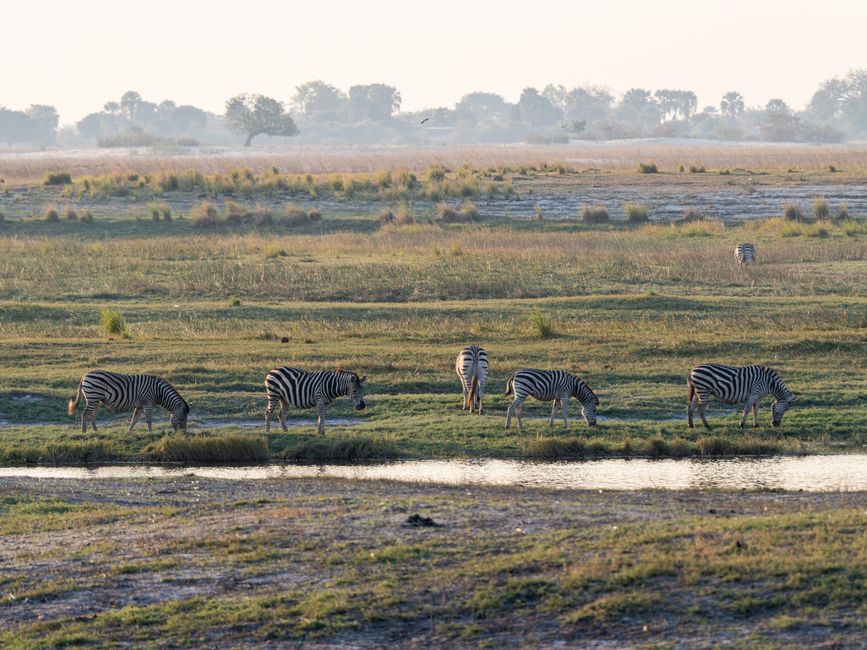
If you're planning a safari trip, you might be wondering how you can make your experience more sustainable. One of the best ways is to reduce long road transfers and spend more hours observing wildlife in the places it calls home.
This guide shows you how to visit the Okavango Delta from Windhoek using a fly-in safari plan, with curated itinerary options that minimise travel time and maximise wildlife time. You’ll also see how to add a mokoro day without losing momentum on game viewing.
You’ll get practical pointers for where fly-ins typically land, how to structure your days, and what to prioritise for safety, wildlife welfare, and respectful travel.
Route Overview: Windhoek to the Delta by Air and Water

Fly-in safaris also tend to create smoother day breaks: you arrive, settle, and start viewing sooner rather than waiting until the next day after an overland journey. When you’re adding a mokoro day, that matters even more, because you want energy and time available for calmer water and careful navigation.
Where most itineraries “turn” from air to safari
Most fly-in itineraries are built around a gateway airstrip near the Delta, followed by a short transfer to your safari area. Exactly where you land depends on the operator, seasonal water routes, and the specific region you’re targeting.
In practice, you’ll usually see a route that looks like this: Windhoek → charter flight (or scheduled flight segment) → Delta-facing airstrip → short road/boat transfer → lodge or camp access. Your ground time should ideally be measured in minutes or a short transfer window, not a full day.
Picking the right Delta region for your style
The Okavango system is large, and different regions can feel different depending on channels, flood patterns, and habitat. If you want a mokoro add-on, it helps to choose a region where water routes are reliable at the time of year.
- Okavango Delta
- Moremi Game Reserve
- Khwai Community Area
- Mokoro trip
- Game drive
- Boat safari
Fly-In Itinerary Options With a Mokoro Add-On

A typical structure is:
- Day 1: Fly in from Windhoek, transfer to the safari area, then a late-afternoon game drive (or an equivalent first viewing slot depending on arrival time).
- Day 2: Full morning and afternoon game drive timing around the light, with your mokoro trip as the main water experience (often scheduled for the calmer part of the day).
- Day 3: Morning viewing session, then fly back, aiming to depart after peak activity windows.
This option keeps planning simple while still giving you a true mokoro experience rather than a rushed “half-day” add-on.
Option 2: 4–5 Days for better pacing and water flexibility
If you can stretch your trip, this is the easiest way to balance land and water without feeling rushed.
A common pacing approach:
- Day 1: Arrival and first wildlife viewing session.
- Day 2: Full day focused on game drive patterns, with the water included through a structured mokoro trip if conditions allow.
- Day 3: Another strong viewing day, plus a boat safari slot if your itinerary supports it.
- Day 4 (and optional Day 5): A final wildlife-focused day, with your departures timed for the best viewing hours.
The advantage here is flexibility. Water levels influence where and how long mokoros can travel. With an extra day, it’s easier to adjust the plan if channels are winding, narrower than expected, or if wildlife activity is stronger in one area.
Option 3: “Wildlife first” with a dedicated mokoro day slot
This option is ideal if mokoro is a priority but you don’t want it to compete with your viewing days.
Instead of stacking mokoro and multiple water activities tightly together, plan for one clear mokoro day and keep the rest of the days wildlife-forward:
- One day as a mokoro-heavy experience.
- Other days centred on game drive sessions designed around early and late activity peaks.
This approach reduces the risk of fatigue and makes it easier to focus on spotting behaviour rather than logistics mid-day.
What the Days Look Like: Timing, Viewing Rhythm, and Mokoro
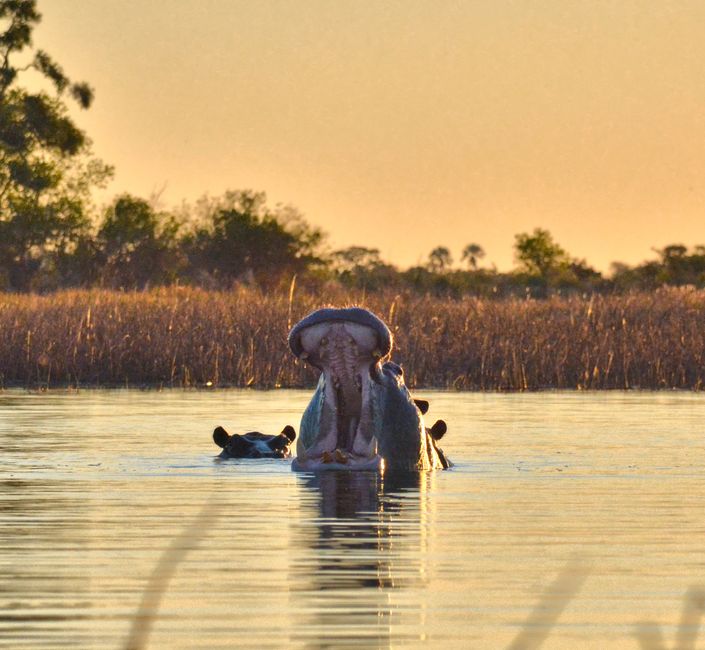
When you’re adding a mokoro day, the key is to avoid “overstuffing” the schedule. Aim for a plan where your morning and evening are protected for wildlife time, and the mokoro sits comfortably in the day’s quieter window.
Mokoro day: what to expect on the water
A mokoro day is not just a ride. It’s a careful, low-noise way of moving through channels and inlets while giving animals space.
A good mokoro day usually includes:
- A brief orientation and practical guidance for boarding, balance, and safe movement in the craft.
- Slow paddling that allows you to read the water edges and anticipate where animals might appear.
- Time for still observation, especially when channels open up.
If conditions change (wind, water depth, or route changes), a responsible guide will adapt the route rather than forcing a rigid plan.
Wildlife encounters you can plan around
While sightings are never guaranteed, a Delta itinerary often sets you up for classic large-animal viewing as well as birdlife along waterways.
- African elephant
- lion
- hippo
- African fish eagle
Safety, Respect, and Wildlife Welfare on Land and in Water

For safety, it helps to:
- Follow the guide’s instructions before moving or shifting position.
- Keep movements smooth and deliberate.
- Expect route changes if the water requires it.
If life jackets are provided, wear them properly. If you’re unsure about what’s required, ask before boarding.
Keeping distance and reducing stress
Wildlife welfare is about more than rules; it’s about how your presence affects animals’ energy and behaviour. Whether you’re on a game drive or on a boat safari, aim for calm observing rather than trying to “push” animals to react.
Practical principles to follow:
- Don’t surround animals or repeatedly cut them off.
- Avoid lingering too close to resting or feeding behaviour.
- If an animal shows signs of stress or altered movement, treat it as a cue to create distance.
Respecting local knowledge and community-led areas
Some Delta regions include community-linked land and guiding structures. Respect here is visible: listen to the guide, keep a steady pace, and avoid treating local routes or water access like tourist “shortcuts.”
Also remember that mokoro culture and water knowledge depend on trained local guides. Good operators value that knowledge, provide clear briefings, and avoid turning the experience into a performance.
- Ask what happens if routes are unsafe or conditions change.
- Confirm who paddles and who makes route decisions.
- Keep voices down and avoid sudden movements during still-water sections.
Planning the Details: When to Go, Transfers, and Booking Smart
When to visit for water and viewing balance
The Delta’s look and feel change across the seasons, driven by water levels and channel flow. This affects where mokoros can comfortably travel and where animal activity concentrates.
A practical way to plan is to choose your travel window based on your priorities:
- If you want mokoro routes to feel straightforward, aim for a time when channels are typically more navigable (your operator will guide you based on their local knowledge).
- If you prioritise dry-ground wildlife viewing, align game-drive intensity with the period when animals are more predictable around reliable water and feeding points.
Your itinerary should reflect the seasonal reality, not a one-size-fits-all expectation.
Tighten transfer time with smart scheduling
To truly minimise road time from Windhoek, look for itineraries where your flights connect smoothly and your first safari session begins soon after arrival. If there’s an overnight gap, that can be fine, but it should be deliberate so you don’t lose viewing hours.
Ground transfers around the start and end of the trip can also be streamlined. Using a reliable transfer option such as GetTransfer can help when moving between airport and departure points, especially if schedules change.
For pre-trip nights in Windhoek or in a gateway town, many travellers use Booking.com to keep the logistics straightforward.
If the flight search itself needs flexibility, Aviasales can be useful for checking workable routing options from Windhoek.
How to talk to operators about welfare, routes, and conditions
When comparing fly-in offers, it’s worth asking focused questions that directly affect your mokoro day and your wildlife time. A good operator will answer clearly and realistically.
Before you confirm, ask:
- How many hours are you likely to spend on transfers versus viewing?
- Where will the mokoro day take place, and how does your route decision work if water levels shift?
- What welfare guidelines do guides follow if an animal approaches the craft or vehicle?
- What happens if a scheduled activity is unsafe due to weather or water conditions?
These answers help ensure the itinerary is designed for comfort, safety, and respectful wildlife encounters rather than a rigid checklist.
Overall, choosing a fly-in itinerary from Windhoek with a well-timed mokoro add-on is about pacing and priorities. Aim for tight connections that protect your early and late viewing windows, select a Delta region where mokoro routing suits the season, and choose operators who adapt responsibly to water and wildlife conditions. When the planning focuses on time on the water and calm observation on land, you get the best of the Delta without trading away comfort or wildlife welfare.
Leave a Reply