
If you're planning a safari trip, you might be wondering how you can make your experience more sustainable.
A great mokoro trip in Botswana’s Okavango Delta is about more than choosing dates. It’s about matching your route to the water level so wildlife viewing stays respectful, safes, and genuinely rewarding.
This guide explains how changing flood conditions affect mokoro trip length, where you’re most likely to see hippos, sitatunga and birds, and how route choices typically shift through early flood, peak flood and the retreat.
How Water Levels Shape Mokoro Routes in the Delta
Reading the flood cycle
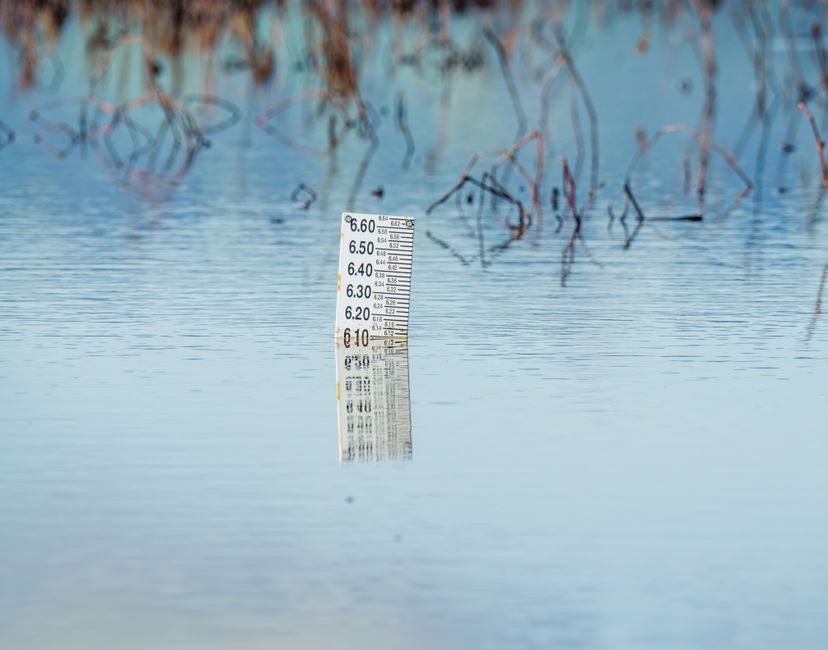
The Okavango Delta floods in a pattern that repeats each year, but the exact timing and height can vary. In many years, water arrives and spreads through the delta during the mid-year wet season, with the highest levels often occurring around late winter to early spring (commonly August to September), then slowly dropping as the system starts to drain.
For your trip, the key idea is simple: water level controls where mokoro access is comfortable and predictable. When the delta is rising, flooded paths open. When it’s dropping, channels narrow and only certain routes stay navigable.
Why depth changes trip length
Mokoro distances aren’t fixed. Higher water can create more “connections” between channels and lagoons, which can lead to longer, more varied excursions. Lower water often turns wide routes into tight bottlenecks, with paddling time influenced by how much clear water is available and whether the path is blocked by floating vegetation or shallow margins.
Depth also affects how quietly you can travel. At very high levels, water can be deeper and currents (even subtle ones) more noticeable in some channel systems, which makes safe, controlled navigation more important. At low levels, the water may be calmer in the right spots, but the shallower edges can limit where a mokoro can safely glide.
Channels, papyrus and flooded grass
Most memorable mokoro routes pass through a mix of habitat types: open water, reed-lined edges, papyrus channels and flooded grasslands. These habitats respond differently to water level.
- Papyrus and flooded grass become more extensive during the flood build-up, creating cover and feeding areas for wildlife.
- Reedbeds and lagoon edges can become more accessible from mokoro routes when water rises enough to reach them comfortably.
- During retreat, animals often concentrate along the remaining waterways and pools, and the edges become the “best seats” for viewing.
Best Route Choices for Flood, Peak and Retreat Seasons

Early flood: when channels start to link
Early flood conditions are often about opportunity and movement. As water rises, previously disconnected pools and slow channels can begin to connect, allowing guides to choose routes with a mix of open stretches and sheltered edges.
At this stage, route planning tends to focus on two things: finding navigable channels that match your comfort level, and using the expanding habitat to increase your odds of seeing wildlife feeding and moving.
You’ll typically hear route options linked to particular zones such as:
- Okavango Delta
- Moremi Game Reserve
- Xakanaxa
- Chief's Island
In early flood, those zones may offer different “stories” from one day to the next, even when they are close together. That’s why your guide’s on-the-ground water knowledge matters more than a rigid map.
Peak flood: access to lagoons and bird-rich edges
When the delta is at or near peak water, habitat expands rapidly. This often means mokoro routes can reach areas that were shallow or inaccessible earlier. It can also mean more time spent moving through papyrus edges and lagoon systems where birds and other wildlife feed.
Peak flood viewing often feels best when it’s balanced. Shorter paddles interspersed with quiet waiting at likely sighting points can outperform a “cover as much distance as possible” approach, because many animals feed in cycles and can appear briefly before settling again.
For birds, peak flood can be excellent because shallow margins and floating vegetation often increase. For mammals, the same high water can scatter animals across a wider area, so patience and good positioning are essential.
Low water: focusing on remaining waterways
As water retreats, routes become more defined. What’s accessible shrinks to key channels, edges and remaining pools. This is where many travellers get consistently close sightings without needing to push the route too far.
Low water can be especially good for hippo viewing because hippos use permanent or semi-permanent water edges and can be active in predictable areas along banks. Sitatunga, which depends on dense cover, can also become easier to spot at the right waterline because movement through papyrus and flooded grass remains visually distinct against open water.
The trade-off is that low water can make some routes slower. Shallow sections and floating vegetation may require careful navigation, and guides may reduce distance to keep the trip comfortable and safe.
Wildlife Viewing in a Mokoro: Hippos, Sitatunga and Birds
Hippos along the banks and reedlines
Hippos are among the most exciting mokoro wildlife encounters, but viewing works best when the approach is cautious and calm. Hippos typically spend time close to the water’s edge where they can graze and then submerge, and they may appear close to the bank before moving deeper.
For a respectful sighting, the goal is not to “get closer”. The goal is to arrive quietly and allow the animal to set the pace. If a hippo shows signs of discomfort, such as sudden head-up alerts or shifting aggressively, the best response is to pause and give it space.
Sitatunga in papyrus and flooded grass
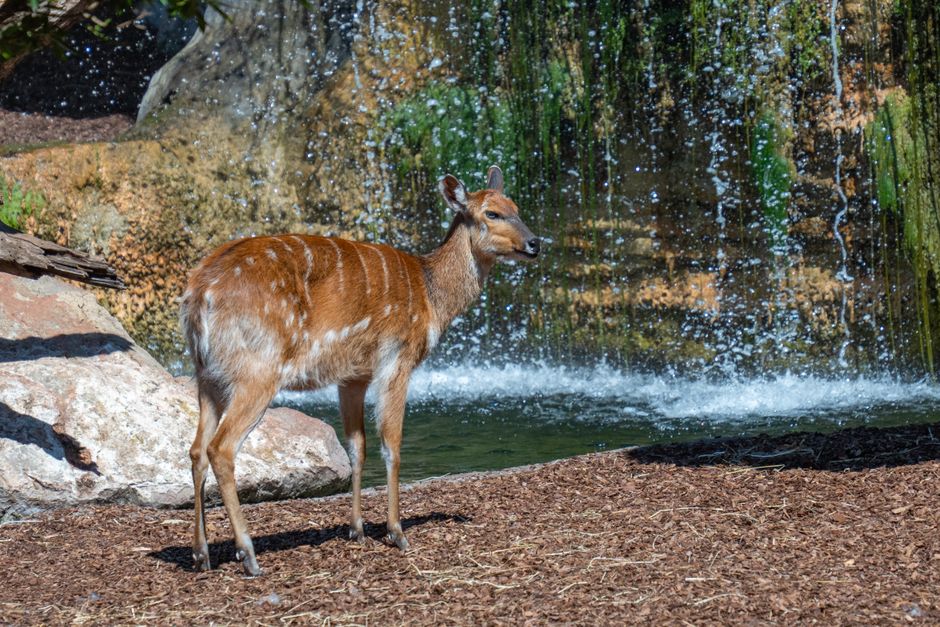
Sitatunga are masters of living where visibility is limited. In the Okavango Delta, they’re strongly associated with papyrus and flooded grass cover, which changes with water level.
When water rises, sitatunga may move more widely across flooded grass. When water drops, they often remain in the densest, safest cover near the remaining waterways. That’s why the same route can produce a different sighting experience from one season to another.
Your best strategy is quiet observation from a stable position: wait for movement at the edge of cover, scan for brief head and eye silhouettes, and avoid sudden paddling changes.
Birdlife: jacanas and kingfishers
Birding from a mokoro trip rewards calm scanning and an eye for micro-habitats, like shallow clear water next to floating vegetation, or shaded edges where small fish and invertebrates are active.
A few bird targets that often show well in the right water conditions include:
- African jacana
- Pied kingfisher
- Malachite kingfisher
Jacanas are typically linked to floating vegetation and shallow feeding edges. Kingfishers are often found where water is fish-rich and movement is visible along perches such as reeds or low branches. As water changes, those feeding edges shift, which is why your route choice and timing are so connected.
Safety and Respect on the Water

Mokoro handling and practical safety habits
Even when trips are calm, a mokoro is a simple, light craft in a dynamic environment. Safety depends on the basics: wearing the right flotation equipment where provided, keeping weight balanced, and following the guide’s instructions about where to paddle and where to stop.
Weather matters as well. Sudden wind can make narrow channels feel exposed, and storms can change visibility quickly. When the sky shifts, the safest viewing plan is usually to shorten paddles, stay near reliable access points, and avoid challenging open-water sections.
Wildlife etiquette that protects behaviour
Good wildlife etiquette is about minimising disruption. That means keeping a steady approach, avoiding loud talking, and resisting the urge to chase movement.
At the moment you spot an animal, it can be tempting to move closer for a better view. The more sustainable approach is to hold position and observe. If animals retreat into cover, it’s better to wait for them to resume normal behaviour than to increase pressure.
For nesting areas, reed-edge activity and fragile banks, staying on the guide-approved side of a channel can make a meaningful difference. Small disturbances add up over time, so the best practice is to treat each stop as if it matters.
Working with local guides and communities
Route choices in the Okavango Delta are often shaped by local knowledge: where water is deep enough, where banks are stable, and which channels hold wildlife activity on that day.
Respect for guides and communities includes arriving on time, supporting reasonable boundaries, and recognising that your viewing experience is linked to their stewardship of the water and wildlife. If a guide recommends a different route because of water conditions, that’s not a hassle; it’s part of keeping the trip safe and ethical.
Turning Your Route Plan into a Great Day
Match your pace to the day’s water reality
Because water level changes, the most effective planning mindset is flexible. Your route may be adjusted based on what the guide finds: how easily a channel can be entered, where vegetation is floating, and whether wildlife is concentrated along the banks.
A smart day-plan often uses a mix of active paddling and quiet observation stops. If wildlife is slow, it can be better to adjust position rather than paddling continuously. In many cases, a calm pause with attentive scanning improves the odds of seeing hippos, sitatunga and birds than simply covering more distance.
Sunrise, wind and photography-friendly timing
Bird activity frequently increases around low light, and many mammals move with feeding rhythms. That makes early starts useful for both sightings and photography.
Wind is another practical factor. For mokoro routes that pass through exposed stretches, a calmer morning can make paddling steadier and reduce vibrations that can disturb wildlife. Later in the day, if wind picks up, it often makes sense to stick to more sheltered channels.
If photography is a priority, remember that the best shots usually come from waiting at eye level, keeping steady body movements and letting animals approach the edge of activity naturally.
Questions to ask before you push off
To plan routes that fit flood conditions, ask your operator or guide for the most current, practical information about water behaviour on your specific dates.
You can also ask broader questions about how routes shift across the flood cycle, what they typically prioritise when water is high versus when it’s retreating, and where they expect the best chances for hippos, sitatunga and waterbirds.
If you want help organising dates and day-structure ahead of arrival, many travellers find it helpful to use Viator to line up a mokoro itinerary early, but the water-level route notes should always be confirmed with the camp or guide.
Overall, the best Okavango Delta mokoro trips come from syncing your route plan to the flood cycle: high water can open wider access for bird-rich edges, while retreat often concentrates mammals along the remaining channels. With flexible day pacing, respectful wildlife etiquette, and route guidance grounded in local water knowledge, you’ll get more sightings and a better experience for the ecosystem too.
Leave a Reply