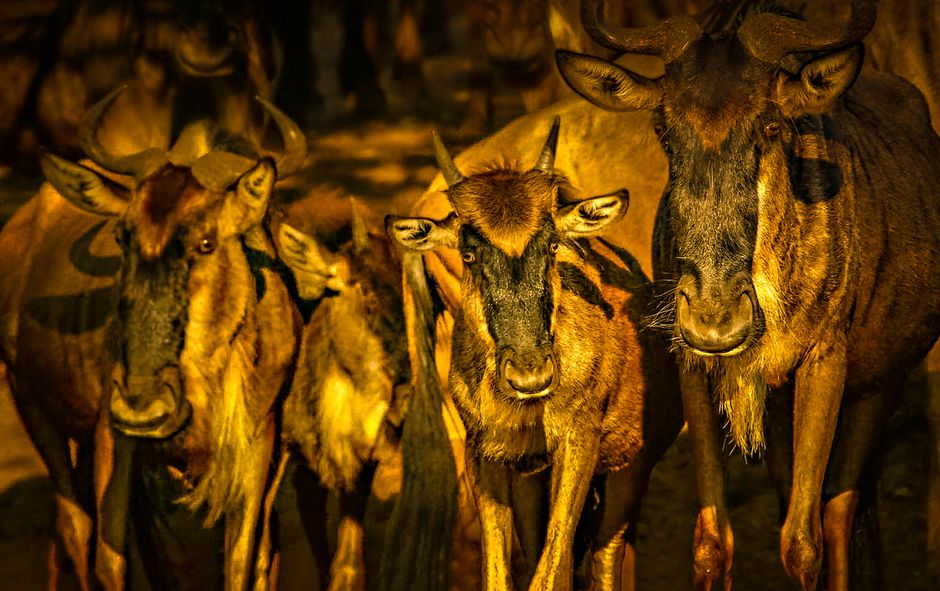
If you’re planning to see wildebeest calving in the Maasai Mara’s western corridor, you’re aiming for one of the most eventful wildlife moments on earth. This guide helps you plan the logistics so you can stay flexible, get into the right areas, and still enjoy everything that happens beyond the headline births.
You’ll learn when calving typically peaks, how to choose access routes and lodging locations that reduce wasted driving, and how to structure your day from first light to dusk. Just as important, you’ll get practical viewing and safety guidance so your group watches confidently and respectfully.
When to Plan for Western Corridor Calving in the Maasai Mara
Calving timing: the seasonal window you should target
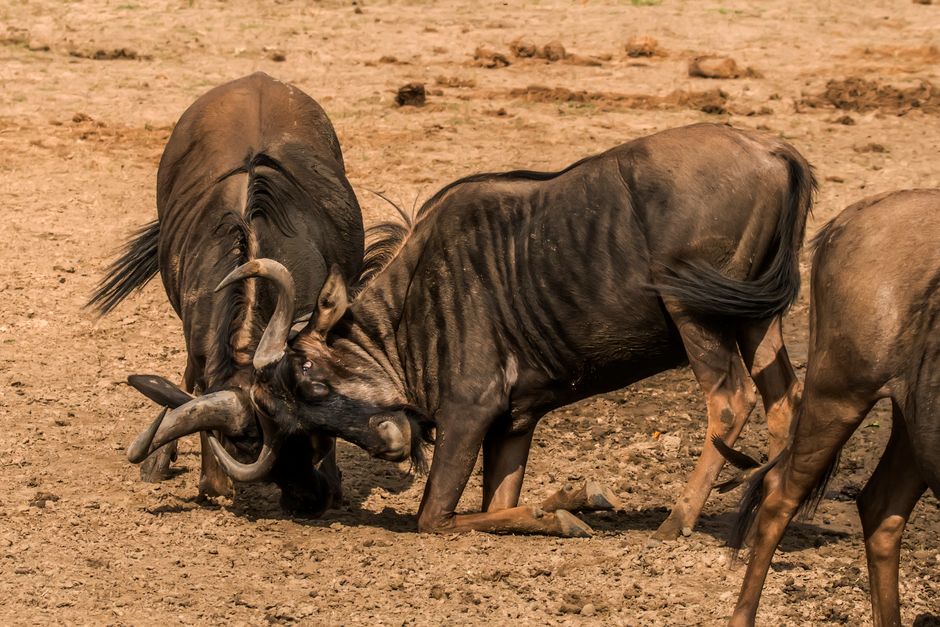
Calving in the Maasai Mara generally falls within a broad season rather than a single exact week. In most years, the most active period tends to be around the late-wet-season shift into drier conditions, when the landscape supports steady grazing and newborns can find their footing near the river systems and grasslands.
Because rainfall and river flow can vary from year to year, the most useful way to plan is to pick a range of dates that covers the likely peak and includes buffer days. If your schedule is tight, build your itinerary around the strongest probability period rather than a single “must-see” day.
What changes the peak week (and why flexibility matters)
Even in the same season, calving can move or intensify depending on:
- Rainfall patterns across the wider ecosystem
- Grass growth and water availability
- How quickly herds settle into particular grazing zones
Instead of assuming every day will deliver the same intensity, think in terms of “getting into the right herd clusters as they move.” Your ability to adjust day-to-day is what usually turns a good trip into an exceptional one.
Weather realities: heat, dust, and comfort on viewing days
Western corridor viewing often means long, early drives on open roads and tracks, with dust and heat building quickly as the day warms. Plan for the fact that shade breaks may be limited when you’re tracking herds, especially when the group is responding to fresh activity.
For comfort, focus on hydration habits, sun protection, and keeping viewing clothing that can handle both warm afternoons and cooler mornings. If you’re prone to motion sickness, bring solutions early, since the best calving periods often start before you’re fully awake.
Where to Go: Base Choices and Access Areas for the Western Corridor
Think beyond “one reserve”: the western corridor is a mosaic
To see calving in the western corridor, it helps to plan around the specific areas where herds concentrate. The most consistent results often come from combining time inside the Maasai Mara with time in adjacent conservancies that share the same wildlife movement patterns.
Key areas to consider:
- Maasai Mara National Reserve (Western Corridor)
- Mara North Conservancy
- Naboisho Conservancy
- Olare Motorogi Conservancy
Your guides should be able to explain, in practical terms, how these areas connect to where herds are feeding and where calmer spots tend to form during calving intensity.
Lodge location: reducing drive time while keeping you responsive
The “best” base is rarely the most famous; it’s usually the most useful for your actual days on the ground. Aim for accommodation that gets you onto the road quickly in the morning and allows realistic midday breaks, so you can stay comfortable while your guide adjusts the route.
If you’re comparing lodge options and want an efficient way to check availability and location notes, Booking.com can be a practical place to start your research before confirming the details with your safari operator.
Access and rules: how gates and tracks shape your plan
Conservancies and the reserve are managed differently, which means access timings and movement rules can affect what’s possible each day. Some areas may be easier to enter from particular roads, and some tracks can be busier during peak activity.
To keep plans smooth, ask your operator how they typically structure calving days in that specific zone. The goal isn’t to lock yourself into a single route forever, but to understand the constraints so adjustments don’t come as a surprise.
A Daily Drive Structure That Helps You Catch Calving Without Burning Out
Start early: what your first drive should prioritise
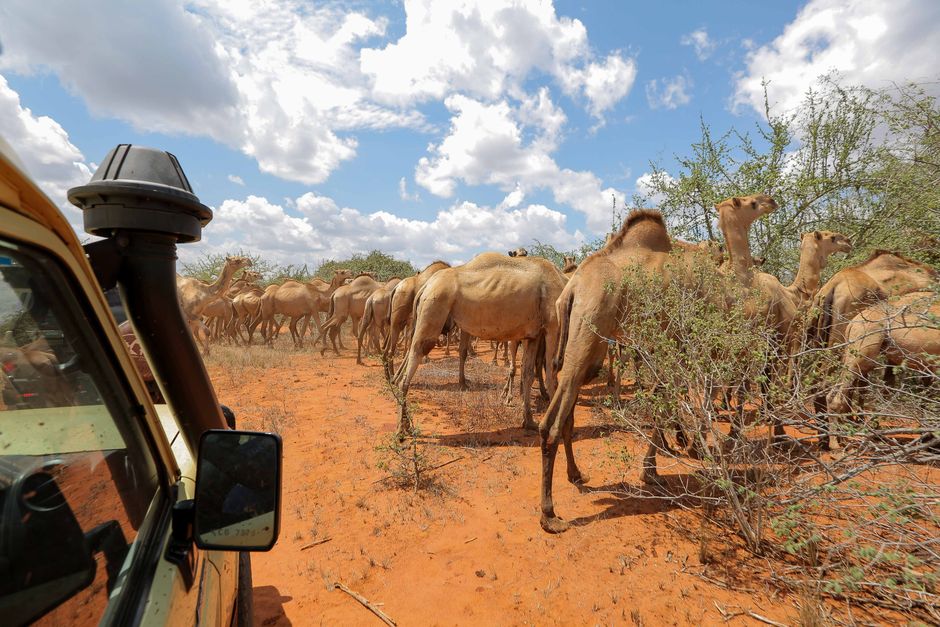
Most calving viewing is most productive in the early hours, when visibility is good and herds are actively feeding and moving relatively predictably. Your morning plan should prioritise reaching the right general zone, then using small adjustments to respond to where activity is increasing.
A strong rhythm usually includes:
- A calm approach (no sudden chasing)
- Frequent “read-the-landscape” checks (fresh tracks, herd clusters, and alert behaviour)
- Patient positioning that doesn’t force repeated repositioning
If your group arrives and the action is quiet, that doesn’t automatically mean you’re in the wrong place. Calving intensity can rise after the herd settles, so your guide should manage time and distance wisely rather than constantly changing direction.
Midday pacing: heat management while staying in the action
As the day warms, both wildlife and people can become less tolerant of stress. Midday should focus on maintaining good viewing conditions, not maximising distance or forcing constant movement.
If calving activity is intense, your guide may hold position briefly if it’s safe and allowed. If activity slows, a controlled reposition to another feeding pocket can be better than sitting too long in a location where herd movement is taking a different direction.
It’s also a good time to keep your group’s energy stable: hydration, sunscreen, and a quick check-in for anyone who feels unwell will help maintain safe behaviour for everyone.
Afternoon and dusk: what often happens after the first big flurry
The “headline moment” may come early, but the rest of the day can hold surprises. Afternoon light can make it easier to track body language, and predator activity can shift as herds change their grazing patterns.
In many western corridor scenarios, the most rewarding later sessions come from watching how herds regroup after movement and how mixed groups behave when calves are nursing and mothers are more protective.
What to Expect Beyond the Calving Moment
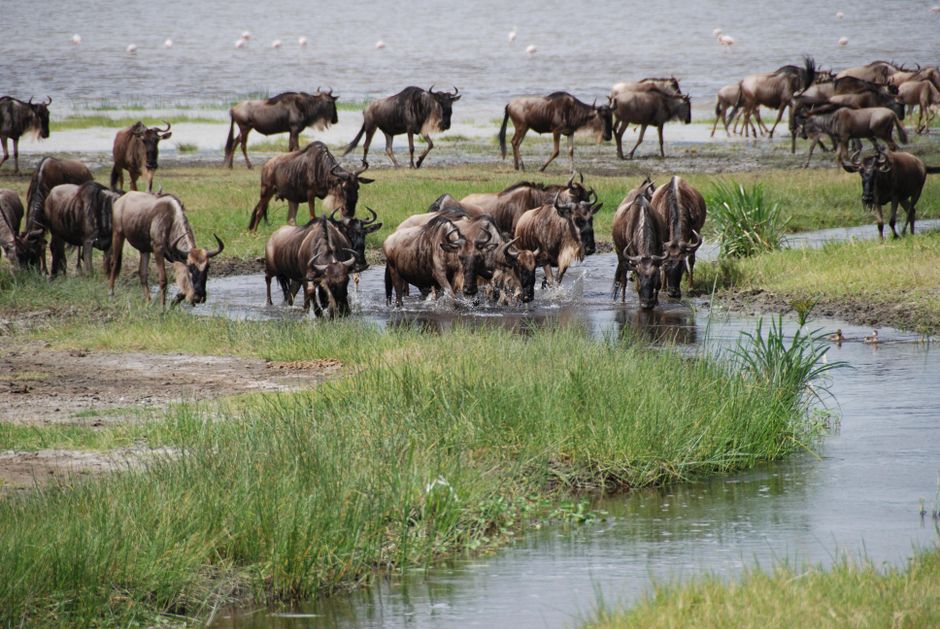
Calving isn’t a single scene: nursing, protection, and herd shifts
Once a calf is born, the rest of the scene unfolds in stages. You’re likely to see mothers lingering close, other herd members adjusting their positions, and short bursts of attention that can look dramatic but are often part of herd communication.
What helps most is managing expectations. Your best viewing can come from observing patterns rather than only waiting for the moment of birth. If the herd is settled, you may witness steady nursing and close protective behaviours that are every bit as meaningful as the first sight of a newborn.
Predators and scavengers: intensity can change quickly
Calving draws attention from predators and scavengers, particularly in areas where visibility and approach paths create opportunities. The western corridor can deliver sightings of larger predators, but what’s more consistent is the general rise in alert behaviour across the herd and a shift toward vigilance.
When predator activity increases, your guide should prioritise safe viewing distance and smooth vehicle behaviour. That means resisting the urge to “move closer for a better view” and instead trusting your position and optics.
Broader ecosystem action: the day is bigger than one species
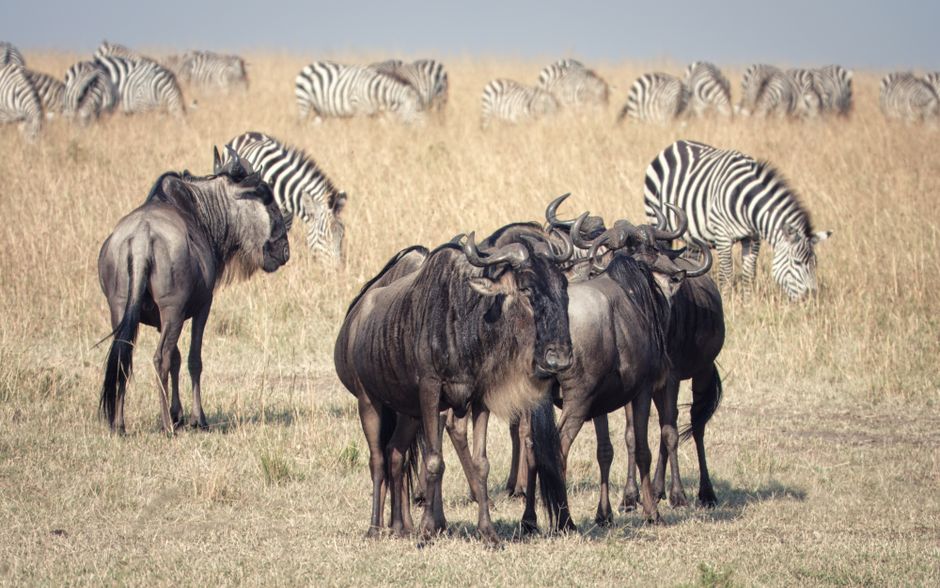
Even during peak calving, the Maasai Mara ecosystem keeps moving. Zebra and other grazers can be present near the same feeding zones, and scavengers can benefit from heightened activity around the herd.
To stay flexible and satisfied even on quieter days, plan to enjoy the full wildlife rhythm: herd movement, predator patrols, and the subtle changes in behaviour that happen as calves grow older within your viewing window.
Ethics, Safety, and Flexibility for a Successful Western Corridor Trip
Wildlife welfare: vehicle behaviour that protects animals
Respecting wildlife welfare is part of viewing well, not an optional extra. In practice, good calving etiquette includes keeping a respectful distance, limiting engine noise, avoiding blocking herd paths, and staying patient if animals move away.
Most issues arise when vehicles cluster too tightly or when groups “compete” for the perfect angle. Your best plan is to follow your guide’s lead on positioning and to treat the herd’s comfort as the priority.
Safety rules for your group during intense wildlife moments
Calving can bring emotionally charged behaviour in both animals and humans. Keep your group safe by following consistent rules:
- Stay inside the vehicle unless your guide explicitly instructs otherwise
- Avoid sudden movements and keep voices low
- Do not chase animals, calves, or predators with your vehicle
If a mother becomes highly protective or a predator begins to approach, the safest viewing choice is usually to hold steady or move away at a controlled pace. Your guide should manage this with a calm, pre-planned response.
Staying flexible: how to protect your plan when the day changes
The most reliable safari plans include backup thinking. If you expect a peak calving day and it doesn’t match the forecast, you’ll be able to recover quickly if your schedule includes:
Time buffers so you can swap from one day’s area to another without losing the whole trip.
A lodging base that supports faster morning access.
A daily drive structure where midday adjustments don’t feel like failures.
Overall, good western corridor planning is about choosing a sensible date range, building access into your itinerary, and treating each day as a live wildlife situation rather than a fixed script. When you combine patient viewing with ethical driving and room to adjust, you give yourself the best chance to witness calving and to appreciate everything that makes the Maasai Mara’s western corridor extraordinary.
Leave a Reply