
If you’re planning a safari trip, you might be wondering how you can make your experience more sustainable. Whale watching can be part of that mindset too, but only when tours put wildlife welfare and local wellbeing first.
This guide shows you how to choose a responsible whale watching tour in Mozambique’s Bazaruto Archipelago. You’ll learn what responsible operations look like on the water, the red flags that suggest poor practices, and the exact questions to ask about guides, boats, and marine-mammal protocols.
You’ll also get practical advice for planning your day so you can enjoy the experience while giving whales the space and calm they need.
What Responsible Whale Watching Means in Bazaruto
Wildlife welfare comes before “better sightings”
Responsible whale watching is about minimising disturbance. Whales are not animals designed for repeat performance on demand. A responsible operator treats sightings as a shared moment that depends on calm water, sensible distances, and patient observation.
In practice, this means the boat approach is controlled, the engine use is adjusted to reduce stress, and the guide follows the animals rather than forcing an encounter. The goal is to watch behaviour naturally, not to create a show.
Why calm water matters for whales and their calves
When tours chase whales or circle tightly, the stress can show up in the behaviour itself: changes in breathing patterns, abrupt changes in direction, longer surface times, or repeated resurfacing after an uncomfortable approach. If a tour keeps pushing for closer views, the whale may spend more energy reacting than moving and feeding.
Responsible operators plan for this reality. If whales want to move away, the tour should be ready to ease off and let that happen.
Respect for protected waters
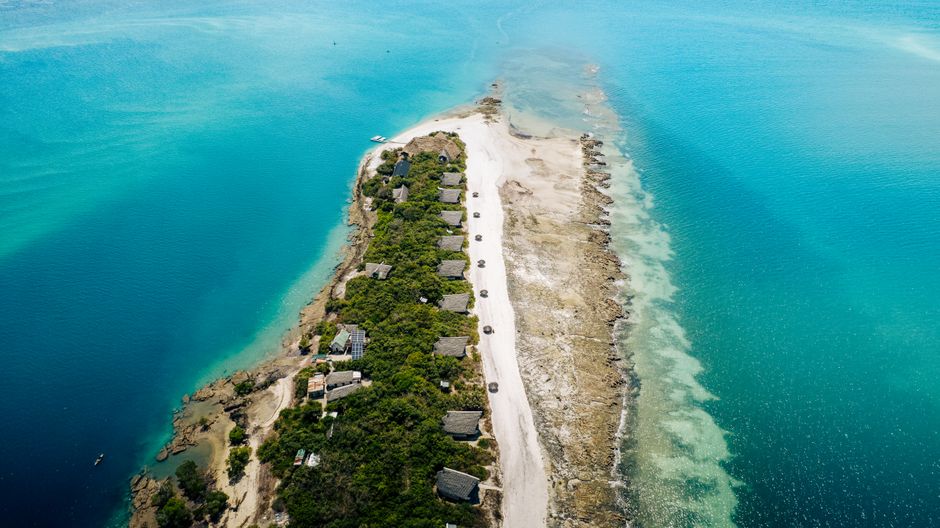
Bazaruto is a special wildlife region, and responsible operators typically understand their role within the conservation framework of Bazaruto National Park and surrounding marine areas. Even when the rules are not visibly strict, ethical guidance should still be consistent: lower-impact travel, careful handling of animals, and respect for local systems.
Where and When You’re Most Likely to See Whales
Timing the trip with migration patterns
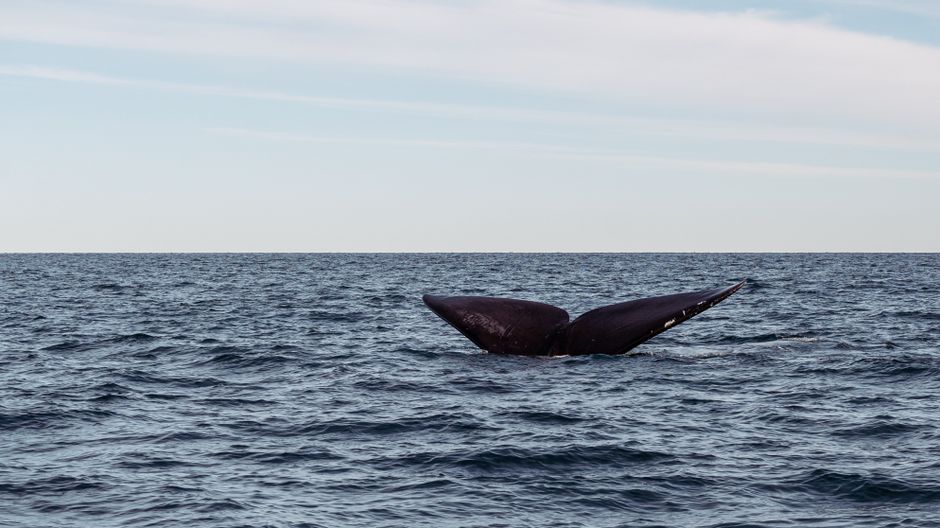
Whale presence in Mozambique is seasonal, driven by migration. For humpback whales, expect best chances during the cooler months when they’re more likely to pass along the coast. Exact timing can vary year to year, so the most responsible approach is to ask your operator what their most reliable window is and how often they actually find whales.
A good sign is when an operator discusses probabilities honestly rather than promising certainty.
Choosing a departure base and route mindset
In the Bazaruto area, boats usually depart from coastal bases that provide access to the islands and channels. Responsible operators will explain how they choose the route: based on whale reports, sea conditions, and a commitment to reduce disturbance.
Watch for this during pre-departure communication. If the plan focuses on “getting close fast” or “making whales come to us,” that’s a poor sign.
What else you may encounter besides whales
A responsible tour doesn’t only focus on a single species. If conditions are right, the same ecosystem can offer sightings such as dugongs, along with dolphins and seabirds. Operators who can identify more than one species often take marine life seriously, because they’re observing behaviour rather than just chasing a spectacle.
What the Best Operators Do on the Water
Approach style: steady, slow, and not blocking paths
On a responsible outing, the captain and guides use approach discipline. Instead of speeding up to “arrive first,” a good operator typically reduces speed and avoids cutting across the animals’ route. Whales should be able to surface, breathe, and move without being boxed in.
Pay attention to how the boat behaves when whales change direction. Responsible crews adjust course smoothly and give the animal room, rather than increasing speed to maintain a tight position.
Distance, duration, and the “pause” mindset
A key sign of responsibility is whether the crew can keep a sensible viewing time without constant repositioning. Some companies will stop using their engines or minimise them when whales are near, depending on local norms and safety requirements.
Just as importantly, the boat should be willing to leave the encounter when the whales show signs of disturbance. A responsible operator treats the end of a sighting as a normal part of wildlife viewing, not as a failure.
How guides interpret behaviour
Guides should be able to explain what you’re seeing: breathing cycles, movement patterns, and general whale behaviour at the surface. Even without complex science, a good guide connects behaviour to welfare.
If the explanation is only about excitement, photography angles, or “getting the shot,” that can be a sign the tour is optimising for crowding rather than understanding.
Leave a Reply