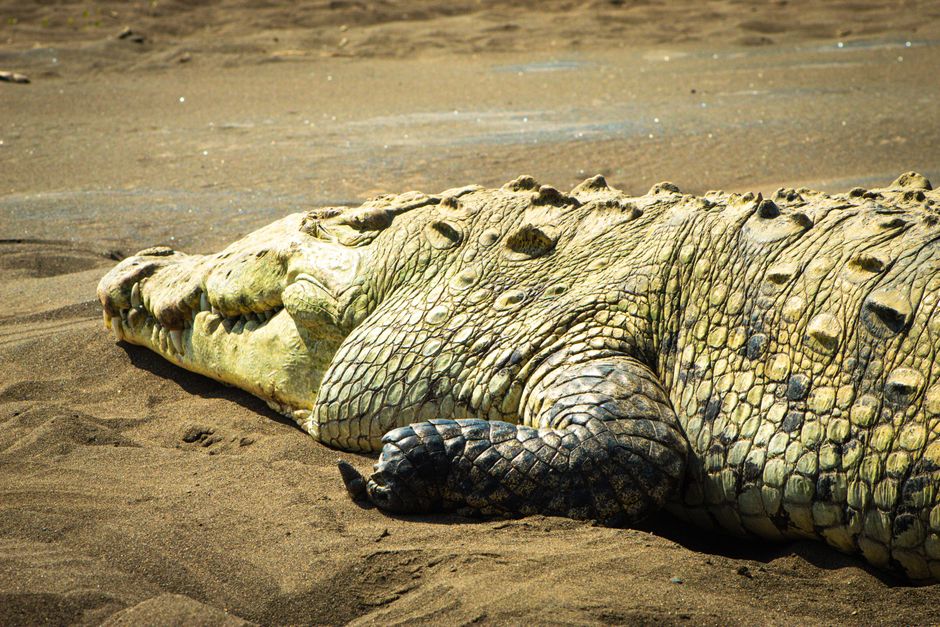
If you're planning a safari trip, you might be wondering how you can make your experience more sustainable. Choosing the right base matters, especially in Saadani where wildlife viewing and beach time happen in the same day.
This guide covers the best lodge options in Saadani National Park for coastal safari wildlife and beach access, how to match lodging location to game-drive timing and walking areas, and what to prioritise for safety and respectful viewing along the shore.
You’ll also get practical planning advice so your trip follows the park’s natural rhythm: morning and late-afternoon animal viewing, midday recovery, and beach time that doesn’t feel squeezed.
Why Saadani Works for Coastal Safari Add-Ons
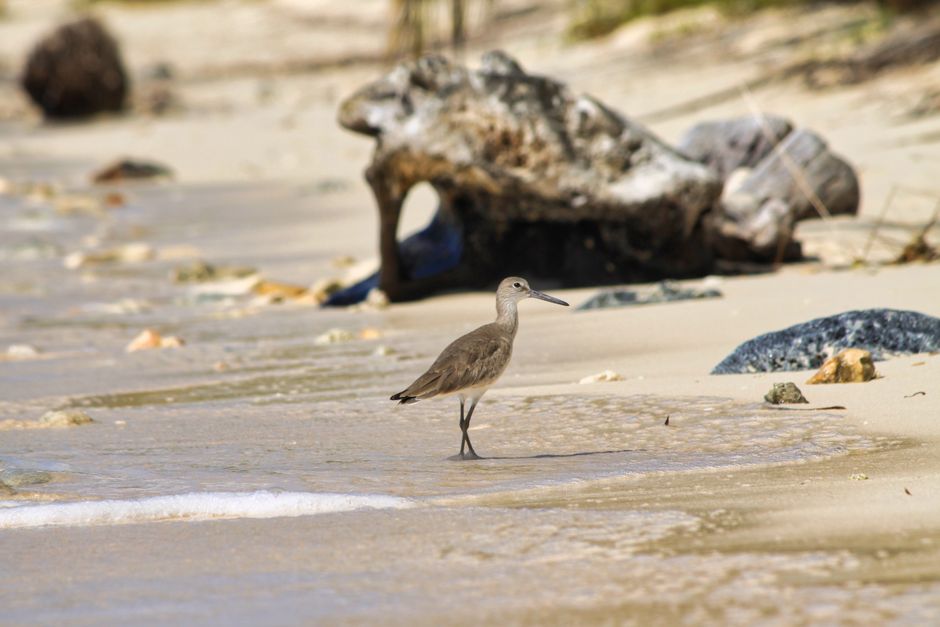
Wildlife where the forest meets the coast
Saadani’s big draw is that you’re not choosing between “bush safari” and “beach holiday”. The park’s habitats connect—woodland, grassland, river corridors, and the Indian Ocean coastal strip—so wildlife doesn’t disappear once you step toward the shore.
In practice, animal visibility often improves when the wind and heat are lower, and when you stay close to where animals naturally move between cover and water. That’s why lodge location relative to the park’s drive routes and walking access points can matter as much as the lodge’s comfort level.
Game drives and walking access in one trip
Most lodges build their days around a typical safari rhythm: early game viewing, a break at the warmest point of day, and a second viewing window when animals become more active again. Walking can add a different kind of wildlife encounter, but it only works when your lodge is placed near routes where guided walks are permitted and sensible.
On a coastal safari, walking also needs extra thought: the shoreline attracts people, insects, and sometimes animals that approach the waterline. The best setups make walks feel like part of the safari plan rather than an optional extra that competes with beach time.
Beach time that doesn’t fight your schedule
“Beach access” can mean very different things in Saadani. For some stays, it’s a short, managed transfer to safe swimming or viewing areas. For others, it’s a longer trip, or beach access is best used for sunsets and relaxation rather than full swim sessions.
To make your beach time fit reliably, you’ll want a lodge whose day plan supports it. Look for properties that can keep you near the right areas at the right times—so the beach becomes a steady part of the itinerary, not a compromise that arrives only after a late drive.
Ranked Lodge Options for Wildlife Visibility

1) In-Park Coastal Lodges (including Saadani Safari Lodge)
If your priority is wildlife visibility and a smooth transition to the coast, start your search with in-park coastal lodges. These bases tend to offer two advantages: shorter drives to game-viewing areas and a closer link between the safari day and the coastal edge.
In this category, the best options generally provide:
- Easier access to the park’s morning and late-afternoon game-drive timing
- A better chance of seeing wildlife in the same general zone over multiple days
- Beach-friendly scheduling, usually with time buffers for getting back before it becomes too hot or too dark
Saadani Safari Lodge is often referenced as a classic in-park choice in this zone, and it’s the kind of property that suits travellers who want the day to feel continuous: animals, then the sea.
2) In-Park Woodland and River Lodges
If you want strong wildlife viewing but are less focused on being right on the shoreline at all times, woodland and river-lodges inside the park can be an excellent second option. These lodges often do well for encounters because river corridors and thicker cover can support animals moving between feeding and water.
Wildlife visibility can still be very good, but your beach time tends to be more scheduled than spontaneous. For many travellers, that’s a positive: it prevents the itinerary from stretching too thin and makes it easier to follow the safari rhythm.
Choose this option when you prefer:
- More time in the park’s interior habitats during drives
- Walks and vehicle viewing that are guided by animal activity rather than coastal proximity
- A beach plan that is intentionally slotted into the day, often as a late-afternoon or sunset activity
3) Saadani Village Lodges on the Access Road
For travellers who like a quieter base and want practical access to coastal time, lodges around Saadani village can work well. Wildlife viewing is still possible and can be excellent if the lodge can arrange efficient transfers and early starts, but your “proximity advantage” is usually lower than it is for in-park stays.
This third option often shines when you’re planning a longer safari day with fewer changes in location, such as a combination of one deep drive window and one lighter coastal-focused window.
To make village-based stays feel seamless, prioritise:
- Short, reliable transfer times to morning drives and walking access
- A lodge plan that respects midday heat (so you’re not rushing back and forth)
- Clear communication on what “beach time” means in reality—viewing, relaxing, or swimming, and how it’s coordinated with the safari schedule
How to Make the Safari Rhythm Work (Drive Timing Meets Beach Time)
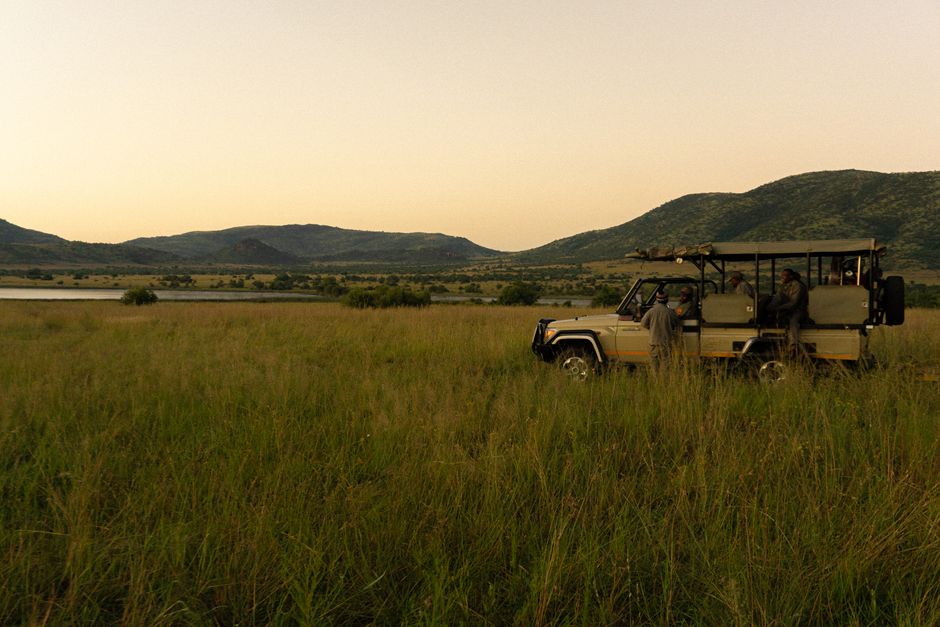
Morning and late-afternoon drives are your best “wildlife windows”
In Saadani, animal activity often makes the early and late parts of the day the most valuable. Lodges that support early departures without delays help you get into the viewing zones when visibility is best and the animals are more likely to be moving.
A well-matched coastal schedule usually looks like this: game drive first, midday rest, then a second viewing session when animals are active again. Beach time works best when it sits alongside these windows rather than competing with them.
Lodge layouts that reduce time wasted between activities
Coastal safari days can feel busy when you’re constantly travelling between viewing areas, your room, and the coast. The best lodge setups reduce friction, such as:
- Convenient meal timing that doesn’t clash with early starts
- Comfortable midday downtime so you’re not forced to “be out all day”
- Clear logistics for getting to the coast at a time that still respects the safari plan
When beach time is reliable, it’s usually because the lodge’s internal routine (meals, check-in/check-out flow, rest periods) supports it.
Beach access beyond the park: plan for extra coordination
If beach access involves a longer transfer or beach time is primarily for sunset and relaxation, it’s still possible to have a great coastal safari—just plan it with realism.
Ask how the lodge coordinates:
- Whether beach time can happen directly after a drive, or only on certain days
- The expected return time to avoid dark or unsafe travel conditions
- How guidance works if animals are near roads or pathways during the coastal segment
This matters for both your safety and wildlife welfare. A calm, coordinated plan prevents last-minute changes that can lead to vehicles idling too long in sensitive areas or walkers crossing routes without proper guidance.
Ethical and Safety Rules for Coastal Wildlife Viewing

Keep distance from animals near shoreline activity
Coastal edges can change animal behaviour. Wildlife may move toward water, forage in the margins, or pass through coastal cover. Even when animals appear calm, the safest viewing approach is to treat any shoreline encounter as fragile.
Your guiding principle should be simple: maintain the viewing space your guide requests, avoid sudden movements, and never block paths animals use between cover and water.
Respect vehicle and walking etiquette in shared spaces
On land and near the coast, safety comes from consistent behaviour. In vehicles, that means staying seated, using quiet voices, and allowing guides to position the vehicle for viewing without crowding.
On foot, walking routes should be guided and purposeful. The best lodges clearly explain what is permitted—where you walk, what you do if animals appear, and how to keep the group together.
Coastal settings also bring extra conditions: uneven sand, slippery patches near water, and more insects. Comfortable footwear and basic sun protection help you stay focused on safe walking rather than distractions.
Choose lodges that prioritise conservation and community respect
A good coastal safari is not just about what you see—it’s also about what your stay supports. Look for lodges that follow responsible viewing practices and that clearly describe how they reduce disturbance.
Also pay attention to the human side of Saadani. Respectful interactions with local communities, careful handling of photography, and adherence to park guidelines all contribute to a safari that benefits the region, not just visitors.
Planning Your Saadani Lodge Stay for Wildlife Plus Beach Access
Questions to ask before you book
A few pre-arrival questions can help you pick the lodge that best matches your priorities. These are the ones that usually clarify whether “coastal safari” will feel balanced or stressful:
- Where exactly is the lodge relative to the park’s main drive routes and any walking access points?
- How are game drives timed on typical days, and how does that affect beach scheduling?
- Is beach time usually relaxing and scenic, or is swimming practical and coordinated safely?
- What happens if a wildlife encounter requires extra time—does the lodge adjust beach plans without rushing?
- Are there clear rules for walking near the coast and around wildlife movement areas?
When you want a quick way to compare room locations and map overlays, Booking.com can be useful as a starting point, as long as lodge details about drives and beach access are confirmed directly.
When to go for calmer coast time and strong viewing
Saadani’s coast changes with weather and sea conditions. For beach time that feels comfortable and predictable, you’ll usually want to travel when local conditions support calmer water and safer walking on shore.
At the same time, remember that wildlife viewing is still the core of your safari. If the safari rhythm stays steady but beach plans become more scenic than swim-focused, the trip can still feel like a win—especially if your lodge is in the right location to avoid long transfers.
Seasonality can also affect vegetation density and animal movement. That’s why lodge placement matters: the closer you are to zones that animals regularly use, the less you depend on one specific moment.
Packing for both game drives and beach comfort
Your packing strategy should reflect the “two worlds” of Saadani: bush conditions for drives and coastal conditions for relaxation. Plan for sun protection, comfortable walking shoes, and a light layer for early or late hours when it can feel cooler.
Also think about practical items that make coastal time easier: a dry bag for phones and cameras, insect protection for evenings, and a simple way to keep sand and saltwater away from safari gear.
Overall, the best Saadani lodge choice is the one that keeps your safari rhythm intact: quick access to game-drive routes, walking areas that are guided and sensible, and a beach schedule that consistently lands after wildlife viewing rather than competing with it.
Leave a Reply