
If you're a birding enthusiast, then you know that Africa is a paradise for birdwatching.
If you're planning a Satemwa nature walk alongside a wildlife safari on Lake Nyasa (Lake Malawi), you’ll want to line up three things in advance: the right lakeshore base, the best season for what you want to see, and a realistic plan for how a guided walk fits with lake wildlife viewing.
This guide covers where to base from, the best months for sightings, what to pack for shoreline walks, and how guided nature walks work with Lake Malawi’s unique habitats and wildlife.
Plan the Route: Start With the Walk, Then Connect to Lake Wildlife

Build your day around habitats, not just driving
A shoreline-focused safari on Lake Nyasa is easiest when each half-day has a clear purpose. In the morning, your guided walk at Satemwa Nature Walk is typically your “on-foot” window for birds, insects, reptiles, and the small changes in vegetation that signal where animals may be using the habitat.
After the walk, shift your attention back to the water. Many Lake Malawi encounters are about transition zones: sheltered bays, reed fringes, rocky edges where food sources concentrate, and open stretches where birds patrol for prey. Planning your route this way keeps your wildlife sightings varied without rushing between experiences.
Let the guide set the pace for real wildlife viewing
A good guide doesn’t just “lead the way”; they manage viewing time. Expect them to pause for track interpretation, listen for calls, and choose the safest path along the shoreline. These small adjustments matter because many Lake Malawi species respond to noise, wind, and light direction.
If you’re pairing the walk with additional lake activity (such as birding from a calm lookout or time on the water), ask the guide how the day’s conditions are shaping their recommendations. On many lakefront days, a flexible plan produces better sightings than a rigid schedule.
Choose a safari style that matches your comfort level
Some travellers prefer short, frequent wildlife checks. Others want longer “wait-and-watch” periods. Either way, keep the walk and the lake viewing linked: for example, walk when the light is right for scanning vegetation and shoreline edges, then spend later time on water-related habitats when animals become more visible.
Where to Base: Picking the Right Lakeshore Lodges and Areas
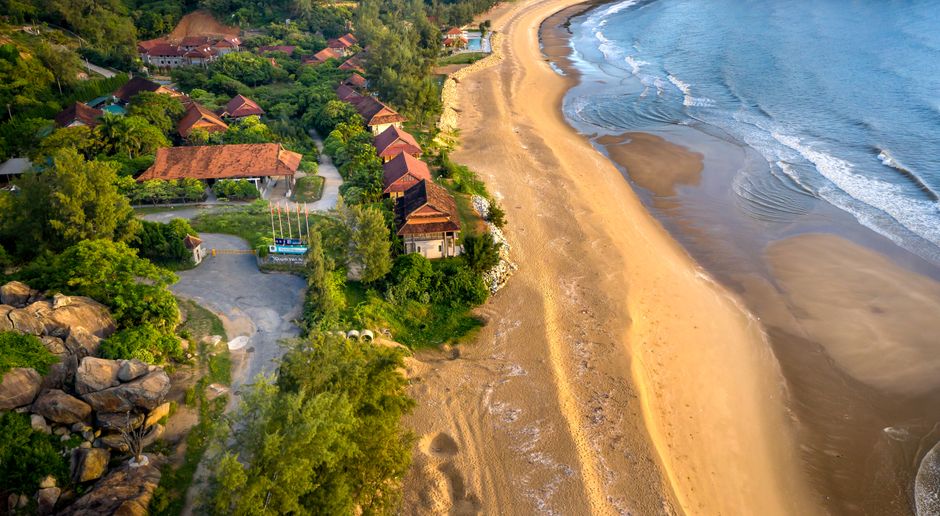
Base from the lakeside for easier access to walks and early sightings
For a Satemwa-focused itinerary, the practical advantage is being close to the shoreline habitats you’ll walk through and observe from. Look for lakeside lodges that can help with early starts, safe walk logistics, and a plan for lake wildlife viewing after breakfast.
A practical way to compare lakeside stays and check review notes about walk access (and the reliability of early transfers) is Booking.com.
Cape Maclear and Senga Bay: straightforward lakeshore days
If you want a relaxed rhythm, lakeside bases around Cape Maclear and Senga Bay are often good for shoreline walking days and birdwatching. These areas tend to suit travellers who prefer minimal transfers and want to spend more time outdoors rather than in transit.
When choosing a lakeside lodge here, prioritise straightforward access to the beach or a short track to the shoreline, plus a guide partner who understands how to route Satemwa Nature Walk time with lake viewing.
Nkhata Bay and the north: strong birding and calmer coves
In the north, bases around Nkhata Bay can work well if your priority is bird activity and quieter shoreline edges where you can observe without crowd noise. The north often offers more opportunities for scanning different shoreline microhabitats, especially during the cooler parts of the day.
Ask your lodge which trails are currently safe and comfortable, and whether the guide will adjust the walk length based on wind and water conditions.
Likoma and Chisumulu: island ecology and a “lake-first” mindset
If your itinerary can handle a little more travel, islands such as Likoma and Chisumulu often appeal to travellers who want the lake’s wildlife to be the centre of the story. Island bases can make it easier to combine shoreline walking with extended lake observation, and the different habitat mix can lead to more variety in bird behaviour.
When to Go: Best Months for Lake Malawi Sightings
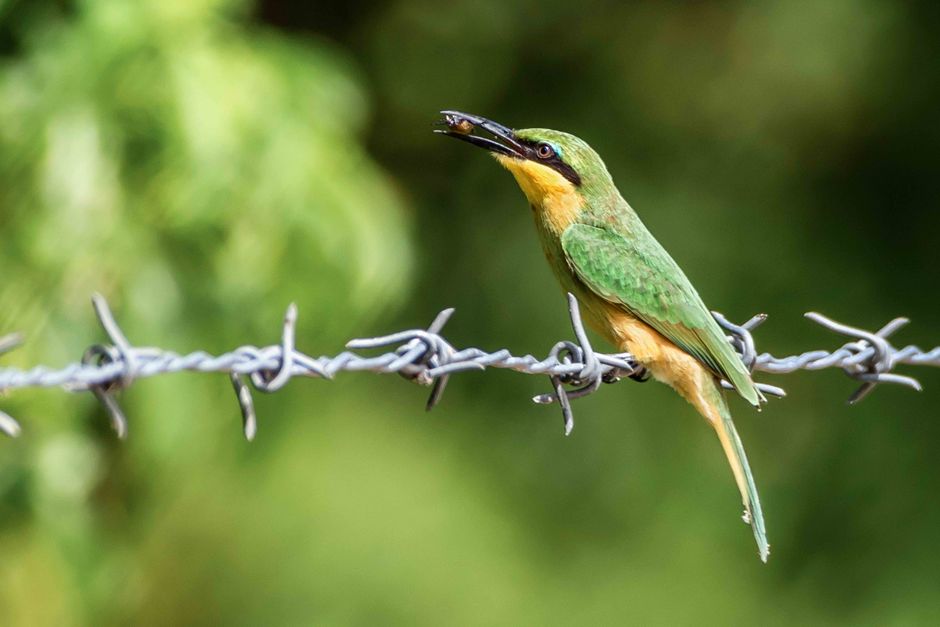
Dry season (roughly May to October): clearer views and steadier conditions
Many wildlife-focused travellers find the dry season offers the most reliable conditions for shoreline walking and for scanning birds. During this time, visibility often improves, and mornings can be especially productive because animals are more active and vegetation is less obscured by heavy growth.
If your goal is to maximise the chance of spotting larger mammals near water edges, plan your walk for early hours and keep at least one longer “quiet watching” session on the water side of your schedule.
Warm season (roughly November to April): more movement, more weather to plan for
In the warm months, the lake environment becomes busier. Expect more insects and more frequent shifts in cloud and wind, which can affect bird activity and how comfortable shoreline walks feel.
Rather than trying to force the same schedule every day, coordinate with your guide on timing. A short morning walk followed by lake viewing during calmer intervals often works better than pushing long hours in unstable weather.
Best times of day: morning for walking, late afternoon for observation
A common pattern on Lake Nyasa is that mornings are best for guided shoreline walking, because animals are easier to see and the light helps you spot movement in vegetation and along the waterline.
Late afternoon can be excellent for “watching sessions” because animal activity often increases before dusk. If your itinerary includes both, you’ll cover more wildlife behaviours without exhausting your group.
What to Pack: Shoreline-Walk Gear and Lake-Savvy Clothing
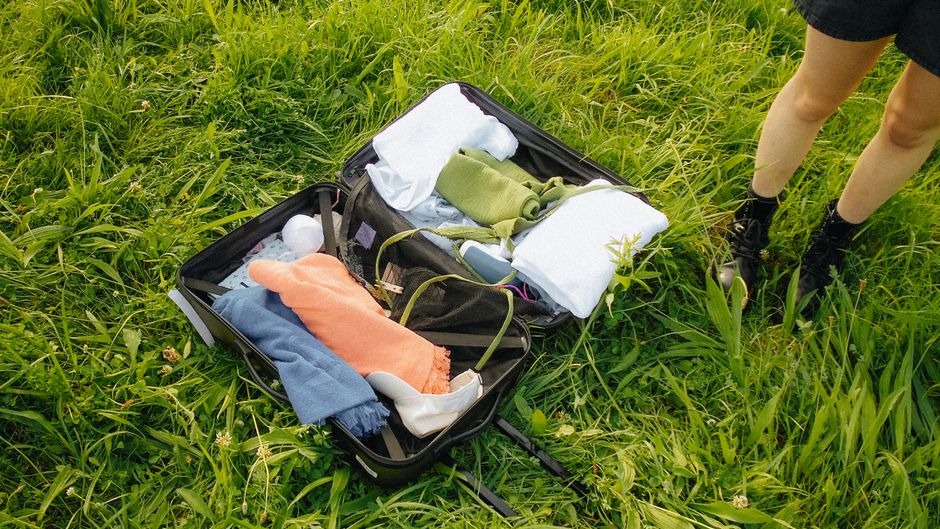
Pack for wet feet, sun, and changing wind
Shoreline days around Lake Malawi can involve shallow water edges, muddy sections, and sudden wind off the lake. Packing for comfort also improves safety: when you’re not constantly adjusting gear, you’re more attentive to wildlife and footing.
Here’s what tends to matter most for a Satemwa nature walk and a lake-focused safari day.
- Breathable long trousers and a light, quick-dry shirt (for insects and sun)
- Sturdy closed-toe shoes or sandals with secure straps and good grip
- A hat, sunglasses, and high-SPF sunscreen
- Light rain protection (poncho or compact jacket)
- Refillable water bottle or hydration system
- Insect repellent suitable for outdoor use
- Binoculars (for birds) and a basic field guide or phone app
Optional add-ons if your itinerary includes longer lake time
If you plan to spend extended time on the water (even if you’re not swimming), pack a dry bag or waterproof case for electronics. The lake can be calm early and then turn breezy later, so protecting your phone, camera, and documents pays off.
If your lodge offers swimming or snorkel time in controlled conditions, confirm safety rules with the guide first and only join if you can do so confidently.
Keep wildlife and hygiene in mind
Bring a small hand sanitiser or wet wipes kit, plus a way to store rubbish. Lake wildlife viewing is more enjoyable when you’re also practising low-impact habits along the shoreline.
Also, avoid heavy fragrance products before walking. Strong scents can attract insects and may make the environment less comfortable for both you and your guide.
Guided Nature Walks and Lake Wildlife: Ethics, Safety, and Conservation
How guided walks fit Lake Malawi’s wildlife world
A shoreline walk and a wildlife safari on Lake Nyasa complement each other because they highlight different parts of the ecosystem. During Satemwa Nature Walk, your guide is helping you read the land: vegetation structure, water access points, and signs that animals move between shoreline, cover, and feeding areas.
Back at the lake, you shift from “spotting in vegetation” to “spotting in motion”: birds scanning for prey, reptiles using exposed edges, and larger wildlife choosing predictable water access routes.
Stay safe around larger animals and fragile shoreline edges
On Lake Malawi, shoreline wildlife can include hippos and Nile crocodile, particularly where access points are natural and the waterline is calm. These animals may be closer than visitors expect, and they can change positions quickly when startled.
Follow your guide’s direction on where to step, how close to approach water edges, and when to stop walking. Give space to wildlife and avoid cutting across likely movement paths.
- Keep to the guide’s route and stop when the guide signals
- Do not approach water edges more closely than instructed
- Never block an animal’s escape route if wildlife is present
Choose conservation-minded destinations and local guidance
If you want your safari to contribute positively, look for an itinerary that includes well-managed wildlife areas such as Lake Malawi National Park and Nkhotakota Wildlife Reserve. These protected areas can also shape how guides practise ethics: slower movement, respect for breeding zones, and reduced disturbance.
When it comes to fishlife and the lake’s food web, it helps to understand that Lake Malawi’s famous cichlids, including Chambo cichlids, are part of a living system that depends on clean shorelines, responsible boating, and careful human behaviour.
Overall, the best Satemwa nature walk and Lake Malawi wildlife safari is the one built around habitat timing, a lakeside base that makes early starts easy, and guided walking practices that respect animals on land and in the water.
Leave a Reply