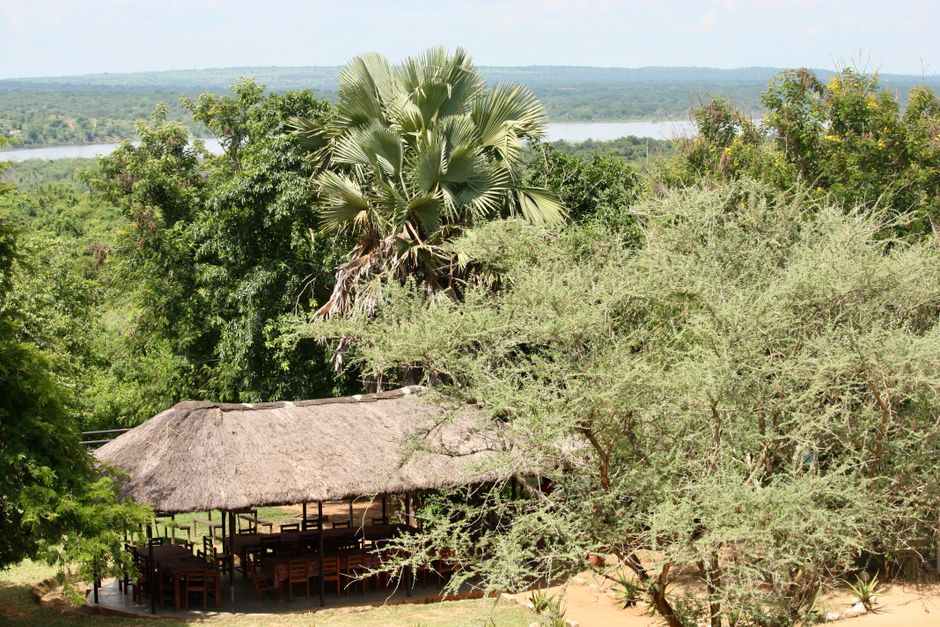
If you're planning a Serengeti safari, then you know that sunrise drives and river views go hand in hand. This guide helps you choose lodges where the landscape can deliver front-row wildlife moments, plus early access that lets you build several game-viewing windows across the day.
Below are ranked options focused on the riverine parts of the Serengeti that are most likely to reward you at first light, especially along the Grumeti system. You’ll also find practical advice on what to ask before booking, how to time your drives around animal rhythms, and how to keep viewing respectful for wildlife and the people who live nearby.
What “front-row river views” look like in the Serengeti
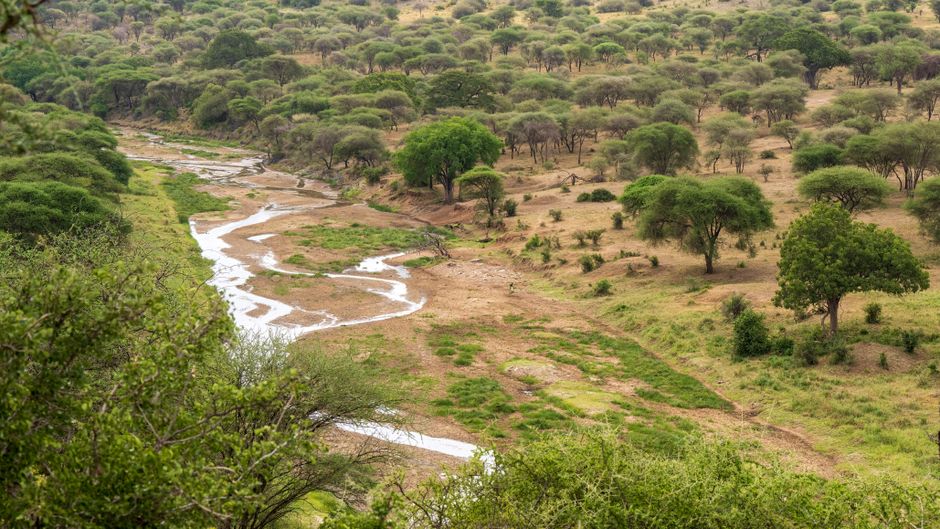
The river systems that reliably deliver dawn wildlife
The Serengeti’s best river-style viewing is usually connected to the Grumeti River corridor and its tributaries. In practice, this means camps positioned so that morning light, natural water access, and wildlife trails converge close to your lodge boundaries.
When planning around sunrise, remember that “riverfront” can mean different things: some lodges face the river directly, while others sit close enough that the best sightings happen along the lodge’s decks and nearby river tracks rather than inside a room with a glassy-water view.
Why lodge layout matters as much as location
Two lodges can be the same distance from water, yet one feels truly front-row because of viewing angles. Look for:
- Decks or verandas aligned with likely animal routes (not just a scenic view)
- Viewing points that remain comfortable during early cold mornings
- Clear sight lines from rooms to water and open floodplain edges
Even if the river isn’t visible at all times, a lodge that positions you to watch the approach paths into the river can deliver the “here comes the action” feeling more consistently than a purely scenic viewpoint.
What you can expect to see at first light
At dawn, river country often concentrates movement. Expect regular sightings to cluster around the edges of water where animals drink, cross, and pause. Depending on season and local conditions, this can include elephant, buffalo, zebra, wildebeest, hippos, crocodiles, and predators hunting along the same travel lines. Birdlife also becomes more active early, with kingfishers and other river-edge species turning up around the moment the light strengthens.
Ranked lodge picks for sunrise drives and repeatable viewing windows
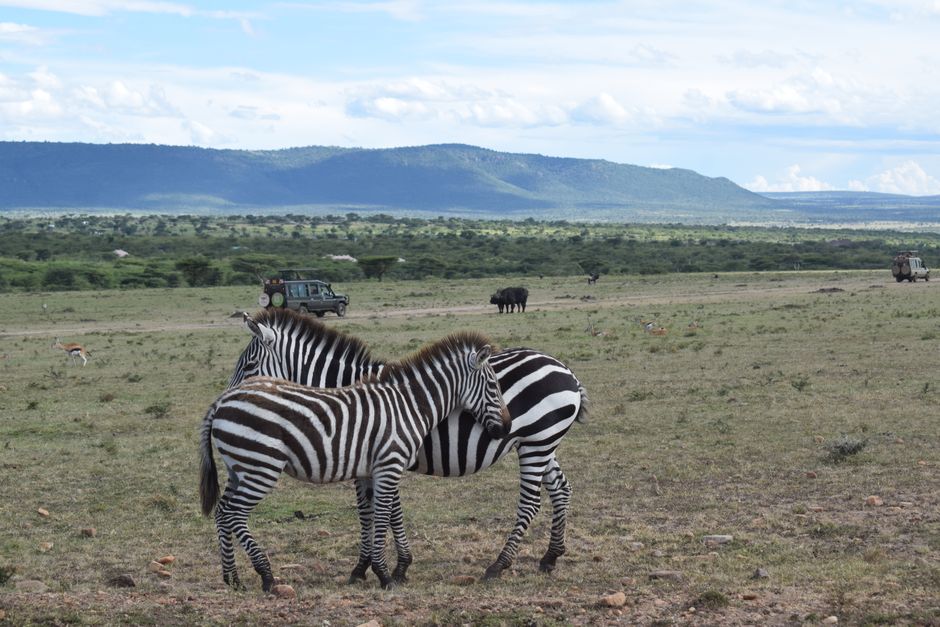
Top consistency along the Grumeti (best overall viewing potential)
1) Four Seasons Safari Lodge Serengeti
If your priority is maximum viewing potential from both river scenery and daily drive rhythm, this is one of the strongest choices in the Grumeti region. Lodges at this level typically offer well-managed schedules and an easy day structure: early departures are practical, and the lodge tends to support the idea of returning for a mid-morning break and then heading out again for another session later.
2) Singita Sasakwa Lodge
For riverfront-style atmosphere and excellent wildlife viewing days, Singita Sasakwa Lodge is a standout option in the western Serengeti. The key advantage for sunrise-focused travellers is not just the setting, but the way the lodge area supports repeated departures that can be timed to different animal behaviors over the day.
3) Singita Faru Faru Lodge
Another top contender in the Grumeti area, Faru Faru is well suited to travellers aiming for multiple “windows” rather than one long chase. It’s a good fit when you want the morning drive to matter, then still have the option to return with energy for a later drive when predators and herd movement often shift.
Best for early starts plus a “watch from camp” feeling
4) Kirawira Luxury Camp
Kirawira is often chosen for the combination of a strong wildlife calendar and a camp experience that supports staying attentive between drives. For sunrise game drives, the practical question is how smoothly the lodge can launch you early without forcing a rushed routine. When the handover between night-time rest and early viewing is well organised, the first drive becomes more than “getting up early”; it becomes a reliable highlight.
A solid choice when you want riverine scenery without overcomplication
5) Mbalageti Serengeti Camp
If your travel style is more about being close to riverine habitat than chasing a luxury-heavy routine, Mbalageti Serengeti Camp is a strong match. It’s especially appropriate when your plan includes a sunrise game drive, a calmer mid-day break, and one more afternoon or late-day viewing session where the river corridor continues to set the pace for wildlife movement.
How to build multiple game-viewing windows from one lodge

Ask about early-drive logistics before you book
Sunrise drives only deliver if the timing is realistic for the lodge, the roads, and the guide team. Before confirming, ask your lodge or safari operator these questions:
- What time does the first game drive usually start, and is that start consistent across the season?
- How long is the drive time from the lodge to typical morning viewing areas?
- Are you likely to return to the lodge mid-morning for a rest before the next session?
This is where the ranking above shows its value: the best river-focused camps are often the ones that make it easy to leave early, return safely, and then go again.
Structure your day around animal rhythms, not just daylight
In river country, animals don’t move uniformly through the day. After sunrise activity—when herds spread out to drink and predators test the edges—mid-morning can slow down. That’s the moment when a lodge break often pays off, not because you’re “resting instead of seeing,” but because you’re preserving energy and attention for the next surge.
A strong day pattern in the Serengeti usually looks like: sunrise departure, mid-morning break back at camp, then another drive session later when movement patterns change again. If your lodge has a good deck or viewing point, you can also use the gap to watch for close-by action without turning everything into a full-time chase.
Plan your sunset positioning to extend river sightings
River corridors can stay active into late afternoon and early evening. If you want “front-row” moments to last, coordinate with your guide on where to be at sunset. The aim is to place yourself where animals will cross or gather at changing light levels, while still following safe, respectful viewing rules.
If a lodge’s schedule makes it hard to align the later drive with sunset timing, it can reduce your overall number of high-quality windows, even if the river views are beautiful.
Wildlife welfare, safety, and respectful viewing on river tracks
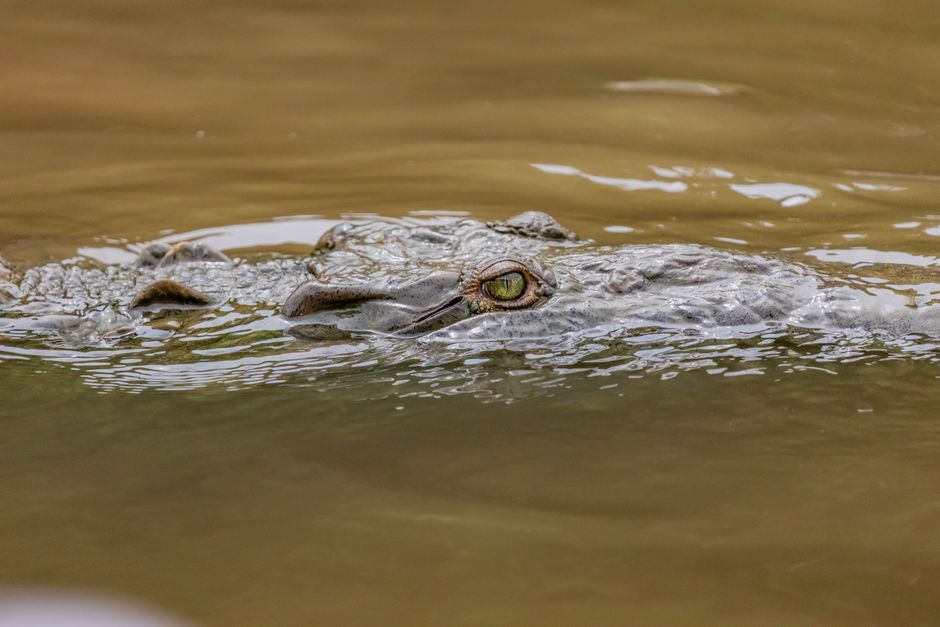
Keep distance and avoid blocking routes
River edges are where animals choose their most practical movement paths. When vehicles stop too close, too long, or across the line of travel, the impact can be immediate: stress increases, feeding stops, and crossings become riskier.
A respectful rule of thumb is to let the guide decide the stopping point based on behavior, not on sightlines alone. If animals show signs of agitation—head turning, repeated walking away, or showing heightened alertness—viewing should shift immediately.
Stay quiet, stay in the right place, and follow guide instructions
On sunrise drives, fatigue and excitement can make people forget basics. The safest way to protect both wildlife and your own experience is to keep routines calm: remain seated, avoid sudden movements, keep voices low, and follow the driver’s and guide’s cues.
Also, remember that river country can be deceptively hazardous. Tracks can be slippery, water levels can change seasonally, and animals can move fast when they’re disturbed. Good guides factor this in before you arrive at the viewpoint.
Respect local communities who share the landscape
The Serengeti’s wildlife tourism happens alongside community livelihoods. Respect looks like listening to your guide’s instructions about access and behavior, keeping belongings secure, and avoiding any interaction that encourages dependency on visitors.
If community-led initiatives are offered, treat them as a chance to learn and contribute respectfully, rather than as entertainment. The best safari memories come from the moments you witness with restraint and care.
Planning your Serengeti stay for river mornings and reliable access
Timing matters: choose seasons that match your river-view goal
Your odds of “front-row” viewing rise when you align your travel dates with periods of consistent animal movement through the river corridor. In general, the Serengeti’s migration cycle changes where herds spend time, and river crossings can concentrate activity when conditions are right.
The practical takeaway is to pick a season that matches the kind of viewing you want—river-edge drinking and predator movement for sunrise, plus later sessions for changing herd patterns.
Choose areas that make early drives practical, not just possible
A lodge can be close to a river yet still be far enough from the best early-drive starting points that sunrise viewing becomes a matter of traffic and long transfers. That’s why the ranking emphasizes not only view quality, but also accessibility and the ability to build multiple windows.
If your schedule is tight, prioritise lodges where the morning drive can reach likely viewing areas quickly, then allow a return to camp that makes the day structure sustainable.
Booking strategy that supports a smooth schedule
For the best chance of matching your dates to the right lodge and room types, it helps to plan early and confirm details around early drive timing and inclusions. When comparing options and room availability, Booking.com can be a practical way to check what’s listed for your travel window before moving into more detailed confirmation with the property or safari operator.
Because sunrise viewing depends on real-world timing, avoid assumptions. Ask what’s included (drives, guide services, park fees as applicable), then confirm the exact morning schedule for your travel days.
Overall, the best Serengeti lodges for front-row river views and sunrise game drives are the ones that combine genuinely river-connected positioning with a schedule built for repeated high-quality windows. Start by prioritising the Grumeti riverine zones, choose lodges that make early starts smooth, and time your day so sunrise is meaningful and later sessions still feel energised rather than rushed. When you pair that planning with respectful viewing habits, you get the best of what the Serengeti does naturally: movement, water, and wildlife concentrated just when the day begins.
Leave a Reply