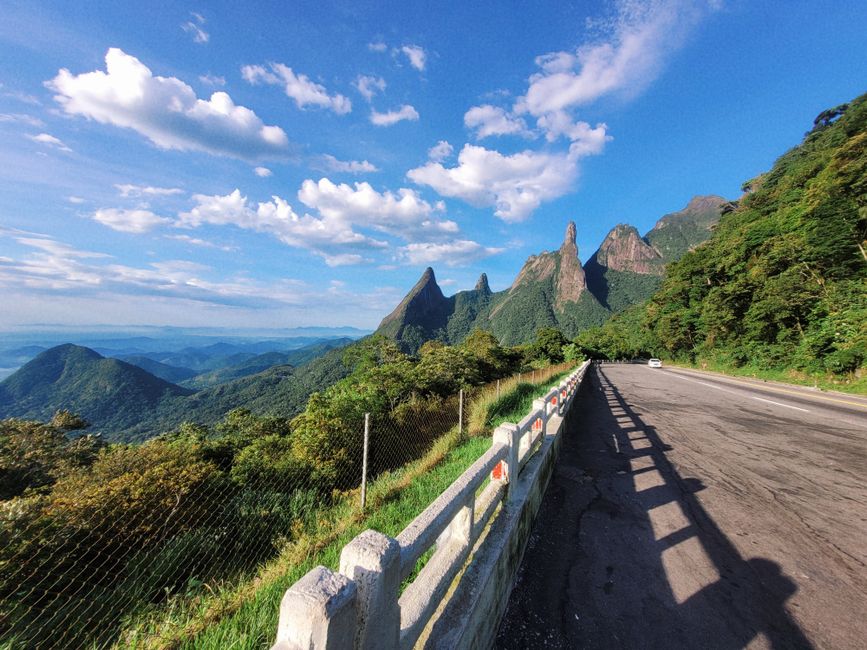
If you’re planning hikes around Serra dos Órgãos National Park, you already know that where you sleep shapes the whole trip. A good base helps you start early for quieter trails, reach trailheads without stress, and still leave time for wildlife watching in the Atlantic Forest.
This guide helps you choose between Petrópolis and the areas closer to park access, with practical drive-time guidance for wildlife-spotting mornings and hiking days. It also points out what to look for in accommodation and how to plan an easy rhythm that keeps both you and the environment safe.
Choosing Your Base: Petrópolis vs. Teresópolis
When staying in Petrópolis makes sense
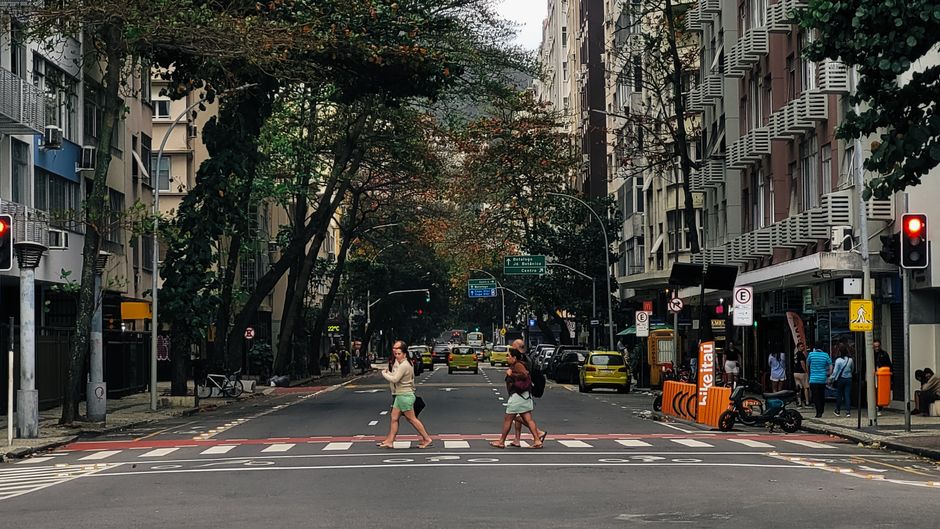
Petrópolis is often the better choice if you want a more settled town atmosphere between hikes. It’s also convenient for travellers who prefer longer evenings, comfortable dining options, and an easier walk between lodging and town conveniences.
From Petrópolis, the trade-off is that drive time to specific trailheads can vary with traffic and road conditions. On days when you’re aiming for the first light on the trails, leaving a little earlier than planned is usually the difference between a calm start and a rushed one.
When Teresópolis is the faster option
Teresópolis is typically the more direct base for Serra dos Órgãos access. If your priority is maximising time on the trail and reducing early-morning driving, Teresópolis tends to make scheduling easier.
Even then, plan for variability: weather can tighten road timing, and certain park access routes can feel slow when demand rises. The upside is that you can usually shorten your “getting there” window and use that time for a slower breakfast, a wildlife-focused stop, or a guided briefing.
How to plan drive times for trailheads and wildlife
Wildlife and birds are easiest to spot when you’re already moving gently through habitat at sensible hours. For that reason, base choice matters less for “how far” the park is and more for how much buffer you build into your day.
As a practical approach:
- If your hike is planned for morning, aim to be at the trailhead with time for final checks and a calm start.
- If you’re doing wildlife viewing first, treat driving as part of the experience. Pull over only in safe, legal places, keep vehicle speeds low when wildlife is likely, and avoid blocking access for others.
- Build a contingency day during unsettled weather so a slower start doesn’t ruin the rest of your itinerary.
Entry Points and Trail Access for Serra dos Órgãos
Where your hike starts changes everything
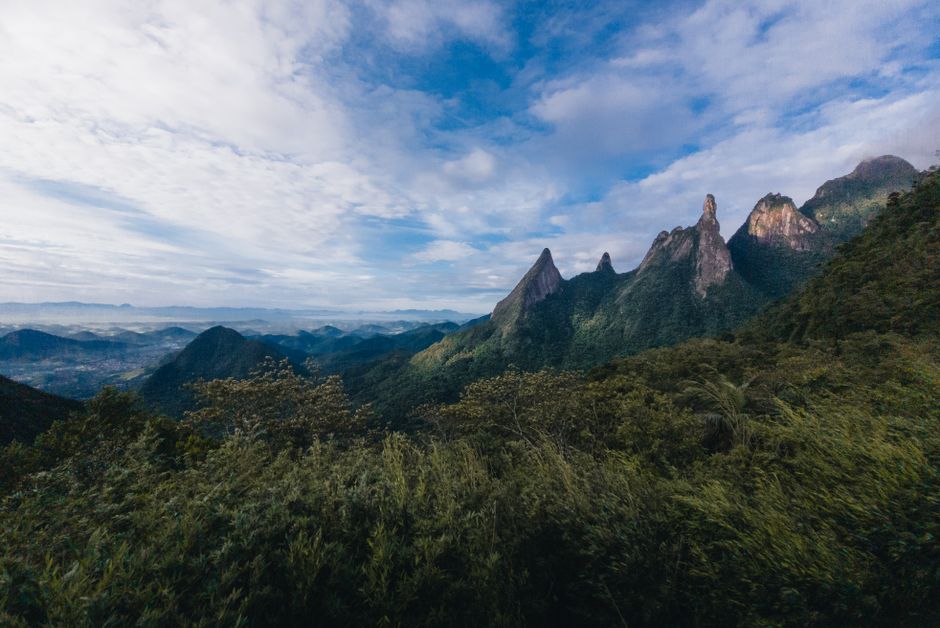
Serra dos Órgãos is a mountain landscape with multiple access routes, so the “best” base depends on the specific trails you want to do. Choose where to sleep based on what day-by-day trailhead timing looks like, not just on the park name.
If you’re mixing wildlife time and hiking, consider pairing a higher-effort hike with a later start the next day. This gives you a chance to enjoy the Atlantic Forest at different rhythms, rather than treating every morning like a sprint.
Protected areas worth factoring into your days
When planning, it helps to think beyond just one boundary. Some itineraries include nearby protected areas that support the same mountain ecosystems.
- Serra dos Órgãos National Park
- Parque Estadual dos Três Picos
If you’re staying in Petrópolis, Parque Estadual dos Três Picos can be a useful “expand the route” option for a longer loop day when conditions are stable.
Signature hikes with different logistics
Several well-known trails are popular for first-timers and returning hikers alike. The key is to match each hike to the base that gets you there comfortably, with enough time for check-in and weather awareness.
- Dedo de Deus
- Pico do Açu
- Pedra do Sino
For each hike, pay attention to how your day will feel when you’re back at your accommodation. A longer, steeper trail is still rewarding, but if your lodging requires a long drive after dark or on wet roads, it may be wiser to schedule it when you can manage the return safely.
Where to Stay for Comfort, Logistics, and a Quiet Start

Lodges and inns in Petrópolis
Petrópolis lodging can suit travellers who want a comfortable base with an easy town rhythm. Look for places that are straightforward to reach by car and that offer practical support for early departures, such as reliable breakfast timing and clear guidance about where to park.
Because wildlife spotting is often most successful early in the day, check whether the property staff understand requests for an earlier start. Even a small delay in breakfast or vehicle preparation can push your wildlife window later than intended.
Hotels, guesthouses, and access-focused stays near Teresópolis
Staying closer to Teresópolis often simplifies logistics. You may find it easier to repeat short outings, do a brief morning birding session, then return for a mid-day rest before heading out again.
If you’re planning guided hikes, it’s also helpful to choose a property that can coordinate pick-up points. That reduces confusion on busy mornings and helps keep the day calm for both you and your guide.
Self-catering options for flexible schedules
Self-catering stays can be ideal when you want control over meals, especially on days when you expect early departures. They also help if you need to pack snacks and water the night before.
One practical resource for finding availability and reviewing recent guest feedback is Booking.com, especially when you’re comparing the exact neighbourhoods and not just the star rating.
Respectful Wildlife Viewing on the Serra
Best times for watching wildlife
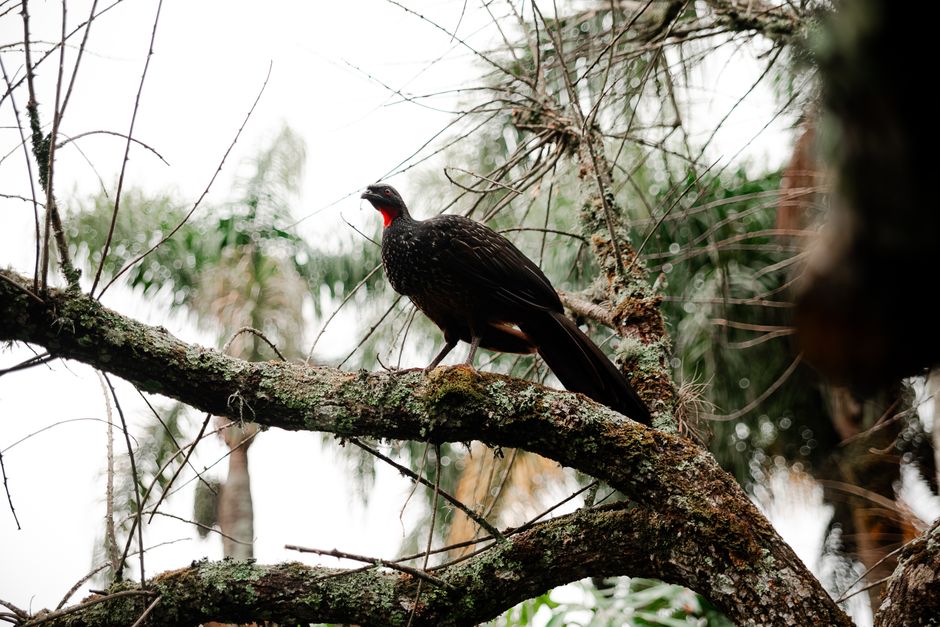
For wildlife and bird activity in mountain forests, early mornings and late afternoons are usually your best bet. This is when light is softer, temperatures are comfortable, and animals are more likely to move.
Rather than trying to “cover everything,” choose one focus per day: a short trail segment for birds, a waterfall area for general wildlife, or a viewpoint approach where you can pause quietly. The calmer the pace, the more you’ll notice.
Keep distance and avoid stressing animals
Even when wildlife seems calm, keep a respectful distance. Photos are best taken by moving slowly and letting animals keep their own space. Avoid the temptation to approach wildlife for a closer view, and never feed animals.
If monkeys, larger mammals, or birds appear near a trail, pause at a safe distance and observe. Don’t block the path for others, and don’t create a crowd. That helps keep wildlife behaviour natural.
Wildlife-safe habits that also protect hiking trails
Wildlife viewing and hiking etiquette overlap. Stay on marked routes where possible, watch your footing on steep, wet sections, and avoid trampling vegetation during brief stops.
If you’re spotting from viewpoints, remember that more time spent standing quietly often beats more time moving quickly. And always follow local park rules around access, opening times, and permitted areas.
If you want a simple safety reminder list, keep these principles close:
- Never approach wildlife for a closer photo.
- Park safely and do not block roads or trail access.
- Keep noise low and stay patient if animals move deeper into the forest.
Making the Most of Your Week: A Simple 3-Day Pattern
Day 1: arrive, settle in, and do an acclimatisation walk
On your first day, choose a shorter hike or an easier forest loop so your body adjusts to elevation and changing temperatures. This also helps you learn the local rhythm: where the trail feels busier, where it feels quieter, and what the light looks like in the morning.
Use this day to do a gentle wildlife scan rather than trying to “win” at seeing everything. A calm first walk often leads to better spotting later when you know what to look for.
Day 2: plan your signature hike with realistic timing
Use day two for one of the headline trails. Choose the hike that matches your energy and your base location, so you can leave calmly and return safely.
A common pattern is to start early, hike steadily with short breaks for hydration and breath, and avoid rushing just to reach a viewpoint. When weather changes fast, you’ll be glad you planned buffer time.
Day 3: morning wildlife window and an easier finale
On the final morning, aim for a wildlife window before your last drive. After that, close the trip with a scenic, moderate outing, or a shorter loop where you can enjoy the landscape without feeling rushed.
If you’re travelling with children or family members, this last day is often the best place to scale intensity. It also respects conservation goals: the fewer you strain the ecosystem and the trails through heavy wear, the more sustainable your impact is.
Overall, the best base near Serra dos Órgãos is the one that lets you start early without stress and return safely after your chosen hikes. Pick Petrópolis for a town-comfort rhythm or Teresópolis for tighter access and shorter drive windows, then build each day around realistic timing, quiet wildlife viewing, and trail respect.
Leave a Reply