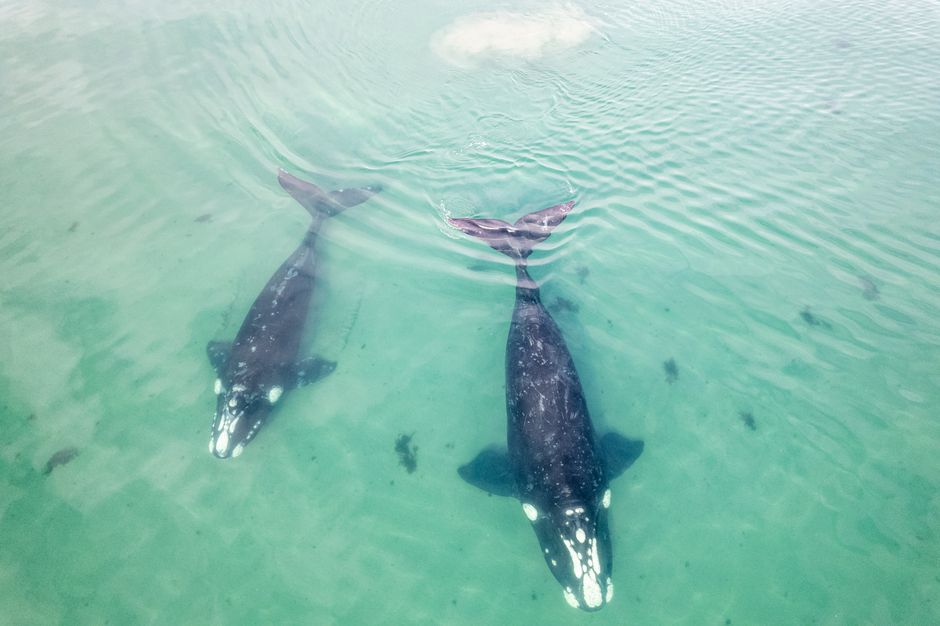
If you're planning a safari trip, you might be wondering how you can make your experience more sustainable. This guide helps you time a visit to Hermanus and South Africa’s southern coast for southern right whales, choose where to watch, and follow the key rules that protect whales and people.
You’ll also learn how to decide between whale-watching boats and land-based viewing, so you can match the experience to your comfort level, schedule, and photographic goals. Along the way, the focus stays on respectful, low-impact viewing that keeps wildlife behaviour natural.
Seasonal Timing: When Right Whales Arrive and Depart
Winter to early spring peaks on the coast
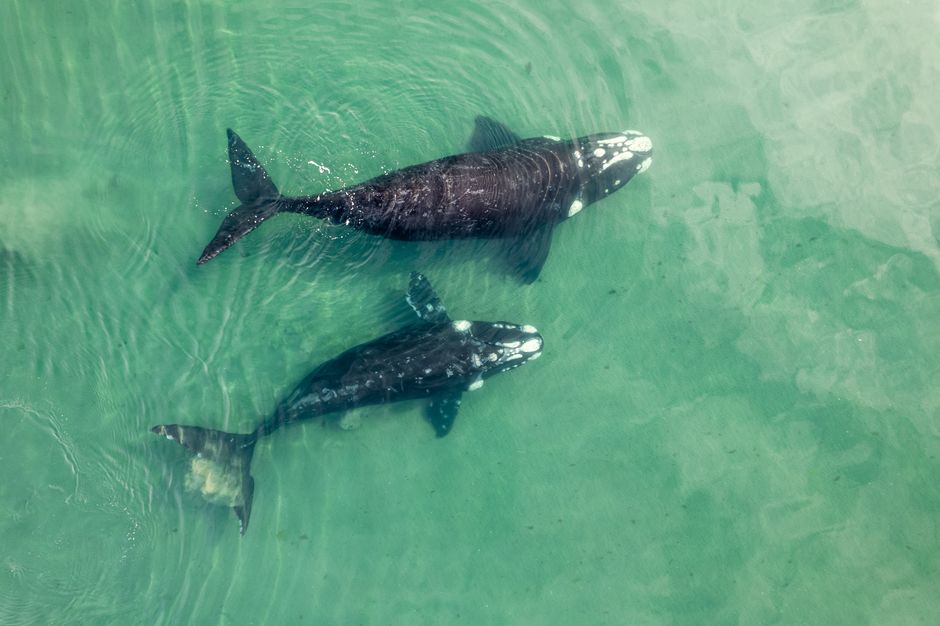
Southern right whales follow seasonal migration patterns, using South Africa’s southern coastline for calmer waters during breeding and calving. In the Hermanus area (the coast around Walker Bay), sightings are most dependable in the colder months, with the strongest likelihood generally falling in winter through early spring.
Expect activity to build as the whales start arriving, with a noticeable peak when more adults and calves are present. Then sightings gradually taper as the whales depart back toward their feeding grounds.
Month-by-month guidance for Hermanus
While day-to-day variability is normal, a practical way to plan is by treating the season as three overlapping phases:
- Arrival and settling (often from early winter): the first whales may be seen, sometimes for short windows.
- Peak months: the highest chance of repeat sightings, including calves and prolonged surface time.
- Departure and reduction (toward late spring): fewer whales overall, with sightings becoming more sporadic.
If you can travel during the peak-to-peak overlap, you typically gain the best balance of whale presence and predictable viewing conditions.
Why weather and water conditions change what you see
Southern right whale viewing is influenced by more than the calendar. Coastal wind can shift the way whales present themselves close to shore, and rougher seas can make it harder to spot blows from land. Conversely, calm conditions often improve visibility and keep whales closer to watchable areas.
Even in a “good” month, it helps to plan for variability. The best trips often include flexibility: an extra day, multiple viewing windows, and a willingness to switch between viewpoints.
Where to Watch: From Promenades to Coastal Hides

Best shore spots in Hermanus
Hermanus is well known for land-based whale watching, largely because many whales can be observed from the shoreline when conditions align. The most productive spots tend to be those where the coast offers a clear line of sight and a safe, stable viewing position.
For your planning, here are some of the most reliable Hermanus viewing areas:
- Gearing’s Point, Hermanus
- Fernkloof Nature Reserve viewpoints, Hermanus
- Onrus seafront, Hermanus
- Voëlklip and Langbaai areas, Hermanus
- Kleinmond and the Kogelberg coast
- De Kelders / Kleinbaai area (Walker Bay, Gansbaai direction)
- Struisbaai to Agulhas Lighthouse coastline (Cape Agulhas)
- Algoa Bay coastline (near Gqeberha)
Coastal alternatives along the southern coastline
Outside Hermanus, sightings can still be excellent along South Africa’s southern coast where the whales pass close enough to be observed. The key is matching location to season: some coasts are more consistently productive at specific times, depending on the whales’ movement patterns and how the nearshore environment shapes their behaviour.
When choosing a non-Hermanus base, focus on two things: (1) travel practicality (how often you can return to viewpoints during the day) and (2) access to established, legal viewing areas. Coastal whales can appear and disappear quickly, so having nearby options matters.
How to spot whales from shore (without stressing them)
From land, the most common cues are surface blows, tail slaps, and slow surfacing patterns. Right whales often spend time near the surface, and their surfacing can feel “unhurried” compared with faster species.
To improve your odds:
- Watch for the direction of moving foam lines and swell patterns; whales may surface along these movement corridors.
- Use binoculars or a zoom lens so you can observe from a distance rather than needing to approach.
- Take a steady approach: scan broad areas first, then zoom in once you’ve located a clue.
Viewing Rules and Distance: Keeping Whales Comfortable
From the shore: respect access rules and personal space
Land-based whale watching is often easier on wildlife because you are not entering the water. However, “from the shore” still requires discipline. Stick to established viewing areas, don’t climb unstable rocks or dunes, and avoid stepping into restricted zones.
Distance-from-whore rules begin with your own behaviour. Keep a buffer between yourself and any edge where people pressure the shoreline. If whales move away from groups as crowding increases, that’s a signal to widen spacing rather than follow.
From boats: approach limits and operator permits
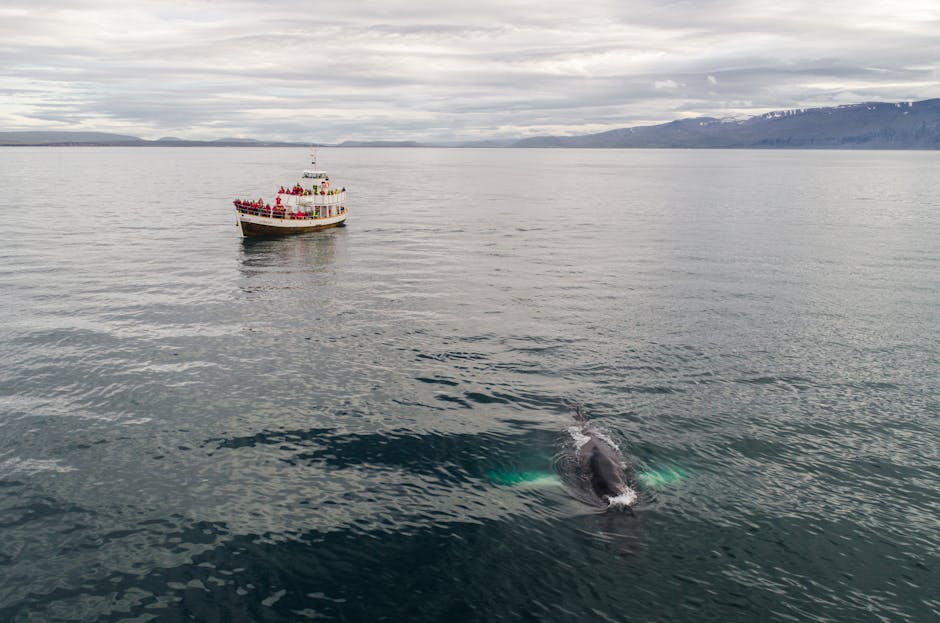
At sea, the responsibility shifts to the whale-watching operator and the vessels they manage. In South Africa, boats offering whale-watching typically operate under permits and are expected to follow national and local guidelines for how close they may approach and how they should behave around whales.
A good operator prioritises whale welfare over getting the “best view.” That means:
- Approaching only when it is appropriate and safe.
- Avoiding sudden, repeated changes in direction that can cause stress.
- Maintaining a respectful, constant distance rather than chasing the whale.
If an operator seems eager to “push closer” or encourages ignoring distance guidance, it’s reasonable to choose another outing.
Signs you are too close (and what to do)
Whether you’re on land or on a boat, the safest rule is behavioural. If the whale alters its normal patterns in response to your presence—such as repeatedly diving deeper, changing direction quickly, or showing heightened disturbance—give the whale space.
In practice, this usually means:
- On shore: spread out, step back from edges, and stop crowding toward the water.
- At sea: reduce engine activity as appropriate, allow more distance, and follow the operator’s instruction immediately.
The goal is simple: viewing should not force the whale to “work” harder to move and feed.
Whale-Watching Boats vs Land-Based Hides: Choosing the Right Experience

What boats add (and when they matter)
Boat trips can offer better angles, longer viewing windows, and clearer identification cues, particularly when whales are beyond easy land reach. On a boat, the vantage can help you track a whale’s movement and understand when it stays in an area for longer feeding or resting periods.
Boats also allow wildlife-focused guides to explain behaviour—useful for first-timers—while helping keep the group within safe, permitted viewing conduct.
When land-based viewing is the better choice
Land-based hides or shoreline viewpoints can be the most reliable option if weather is calm and whales are close to shore. Since you’re not introducing engines or propellers, land viewing is often a lower-impact choice for both whales and local coastal environments.
It’s also the easier option for travellers who want flexibility. You can start later, pause during meals, and return whenever you prefer. If the aim is simple “see the whale in comfort,” land is often the better match.
A practical way to choose for your trip
If you’re deciding between the two, think in terms of your priorities:
- Choose land-based viewing if you value calm conditions, a flexible schedule, and minimal disturbance.
- Choose a boat trip if you’re prepared for the sea state, want wider coverage, and prefer guided tracking.
Many successful whale-watchers do both: one day anchored to shore viewpoints for relaxed scanning, and another day with a boat when conditions and your timing line up.
For photography, the key is similar on land and at sea: avoid crowding the whale for a shot. Use a longer focal length and keep yourself stable so you can capture behaviour without moving closer.
Making the Most of Your Trip: Planning for Reliability and Comfort
Booking strategy around peak and shoulder periods
To maximize your odds, plan for repetition rather than a single “must-see” day. In peak season, bookings can fill quickly, so securing accommodation and any boat outings early is wise.
If your dates fall in a shoulder period—just before peak or as it begins to taper—don’t treat it as a compromise. Instead, build in an extra half day for resits to viewpoints. Whale watching is naturally variable, and extra time often matters more than switching to a slightly different month.
Timing your day for better viewing conditions
Your daily plan can improve results even when the season is the same. Consider:
- Visibility: calmer conditions often make shore scanning easier.
- Light: soft morning or late-afternoon light can help with whale detection along the horizon.
- Routine: regular scanning windows are more effective than long, uninterrupted stares from a single spot.
A realistic approach is to plan two viewing blocks per day, then use any signs of activity—such as multiple blows or increased surfacing—to decide whether to extend.
Responsible coastal travel that supports local communities
Whale watching is also a way of engaging responsibly with the people who live with these seasonal visitors. Choose licensed operators, respect staff instructions, and avoid leaving litter anywhere along the coast.
If you’re staying in Hermanus or nearby, consider spending time in local areas that support conservation and sustainable tourism. Many coastal communities depend on wildlife tourism done well, so your choices influence whether whale watching stays a positive, long-term benefit.
By following these seasonal, spot-based, and welfare-first guidelines, you can plan a southern right whale trip that’s both enjoyable and respectful. With the right timing, patient observation, and a careful approach to distance—whether you’re on a boat or watching from the shore—you give whales the space they need while giving yourself the best chance of memorable sightings.
Leave a Reply