If you're planning a safari trip, you might be wondering how to make your experience more sustainable—especially when the action happens at night in Tarangire. This guide walks you through what to expect after dark, the roles of spotters and drivers, and how to choose the right time and operator for safe viewing without disturbing nocturnal wildlife.
A good night safari isn’t about pushing for a sighting at any cost. It’s about reading the landscape, keeping vehicle and light pressure low, and following the people who understand both the animals and the park’s rules. With the right approach, you’ll get close enough for great encounters, while still giving wildlife the space to behave naturally.
What a Tarangire Night Safari Is Like After Dark
The shift from daylight behaviour to nocturnal rhythms
When night falls, animals that were out of sight during the day often become active. In Tarangire, the open savanna and river corridor change the way you experience the park: sound carries differently, eyes adjust to darkness, and movement becomes the main clue. Instead of scanning for shapes under bright skies, you’ll learn to look for silhouettes, pauses, and the brief flashes of movement that can signal a predator or a smaller mammal moving through cover.
Vehicle movement, light levels, and the pace of the drive
Expect a slower pace than daytime driving. Night safaris are designed for careful scanning and stable positioning, not long, fast tracks. Light discipline matters: guides typically aim for the minimum brightness needed to see clearly, and they’ll adjust as soon as animals are located. That means fewer sudden changes to headlights or spot beams, and a stronger focus on listening and staying still when wildlife is in view.
Staying comfortable while the park cools down
Tarangire nights can feel noticeably cooler than afternoons. The experience can last long enough for you to feel it, especially while seated and relatively still. Dressing in warm layers is practical, and it also helps you stay focused on wildlife rather than on discomfort. Good operators plan drives so you can settle in, with periodic checks on comfort and visibility as conditions shift.
Who Does What: Spotters, Drivers, and Guides

Spotters’ job: finding signals you can’t see yet
A spotter’s role is to detect signs early—movement on the edge of vegetation, eye-shine at a distance, or changes in animal activity. Spotters usually work with more than one cue: eyes trained for contrast, experience reading tracks and behaviour, and awareness of how animals typically respond at night. When they call out a potential sighting, they help translate what’s happening outside your field of view into a clear direction for the driver.
Drivers’ job: safe positioning without blocking wildlife
Once an animal is found, the driver’s job becomes about control and restraint. The vehicle needs to stop smoothly, avoid blocking sightlines for other vehicles, and keep to the most appropriate track or stopping point. Drivers also manage the practical side of safety at night—clear spacing, careful manoeuvring, and steady control—so the group can focus on observing rather than worrying about movement.
Guides’ job: interpreting behaviour and protecting animal welfare
The guide connects everything: they interpret what the animal is doing, decide how close is appropriate, and keep the group’s behaviour in line with park ethics. That includes setting expectations for noise, light use, and how long you can stay. If an animal shows signs of stress or if behaviour suggests it needs space, the guide should be ready to move on quietly.
When to Go in Tarangire for Better Nocturnal Sightings
Timing within the night: early activity vs late peaks
Nocturnal wildlife doesn’t switch on like a light. Activity often changes as temperatures drop and as the park settles. Some animals may be more noticeable earlier after nightfall, while others become active later. This is why timing matters: arriving at the start of a night safari window can help you catch early movement, while a later start can coincide with peak activity depending on conditions.
Moonlight and visibility: planning for the right kind of darkness
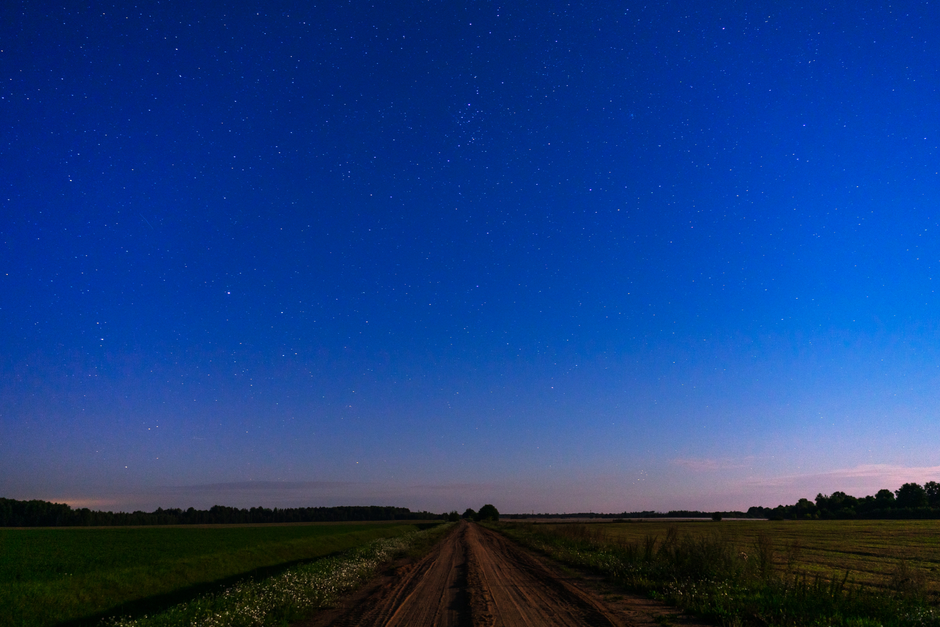
Moon phase affects how bright the landscape is and how easily eyes can detect movement. Under stronger moonlight, you may see more detail without needing heavy artificial light. Under darker conditions, a good operator relies on trained spotting and disciplined lighting rather than aggressive beam use. The goal is always the same: clarity for you, and minimal disturbance for wildlife.
Weather and ground conditions: what changes your experience
Cloud cover, wind, and humidity can affect both animal behaviour and how far you can hear movement. Rain or wet ground can also make driving and stopping more sensitive. When conditions reduce visibility, a responsible operator will adjust by slowing down, staying patient, and avoiding risky manoeuvres in the dark.
Safe, Respectful Wildlife Viewing Rules at Night
Keep distance and avoid crowding behaviour
At night, animals are often balancing feeding, moving, and avoiding danger. Crowding increases the chance that an animal changes course, pauses unnaturally, or becomes defensive. The safest and most respectful approach is to observe from a position chosen by the guide, remain calm, and avoid calling out or gesturing at animals. If you’re asked to stay still, that’s not just for your comfort—it helps animals settle into natural behaviour.
Light discipline: the difference between viewing and disturbance
Good night safari practice means using light thoughtfully. Bright beams can momentarily blind animals or make them hesitate where they would otherwise move naturally. Look for operators who control lighting rather than experimenting with it. This includes avoiding shining torches from vehicles in an animal’s direction, and following instructions about when lights are on and off.
Noise, engines, and timing your patience
Engines and abrupt sounds can travel far at night and can also make animals cautious. Keep conversation low, silence phones, and follow the guide’s cues. Patience is a skill on night drives: sometimes the best viewing happens when everyone stays quiet long enough for the animal to resume behaviour.
If you want a practical checklist for how an operator should act, consider asking:
- How do you limit vehicle time and distance when an animal is located?
- What’s your approach to headlights/spotlights so animals aren’t dazzled?
- What signals tell you when it’s time to move away?
How to Choose a Tarangire Night Safari Operator and the Right Slot
What to look for before you commit
The best operators combine experience with restraint. They should explain what a night safari includes, how they manage safety at night, and how they prioritise animal welfare. If you ask questions and receive clear, consistent answers, that’s a strong sign. Be cautious of operators that treat wildlife like a score to be chased, or that promise specific sightings without describing how they manage disturbance.
When evaluating an operator, focus on their field behaviour:
- Vehicle discipline (smooth stops, controlled positioning, and not lingering excessively)
- Light and sound management (minimal brightness, calm vehicle operation)
- Team roles (spotters actively scanning and guides actively interpreting)
Choosing the best time: align the drive with your comfort and goals
Selecting the right slot isn’t only about wildlife odds; it’s also about your ability to stay attentive and comfortable in the dark. A drive that starts at a time that fits your energy level helps you relax and observe. If you’re sensitive to noise or cold, choose an option that gives you adequate time to settle and prepare. A responsible guide will also match the drive length to conditions and not pressure you to stay through uncomfortable or unsafe situations.
A note on booking and what matters most
Many travellers organise their plans through platforms, such as Viator, but the booking method should not replace careful evaluation. Whether you book directly or through a platform, confirm key details: park permissions, the operator’s approach to viewing ethics, and the day’s conditions that can affect night visibility.
One simple way to decide is to compare two things: how the operator describes their process, and how you feel after hearing it. If the emphasis is on wildlife welfare, quiet control, and knowledgeable guidance, you’re likely choosing a safer, more rewarding experience.
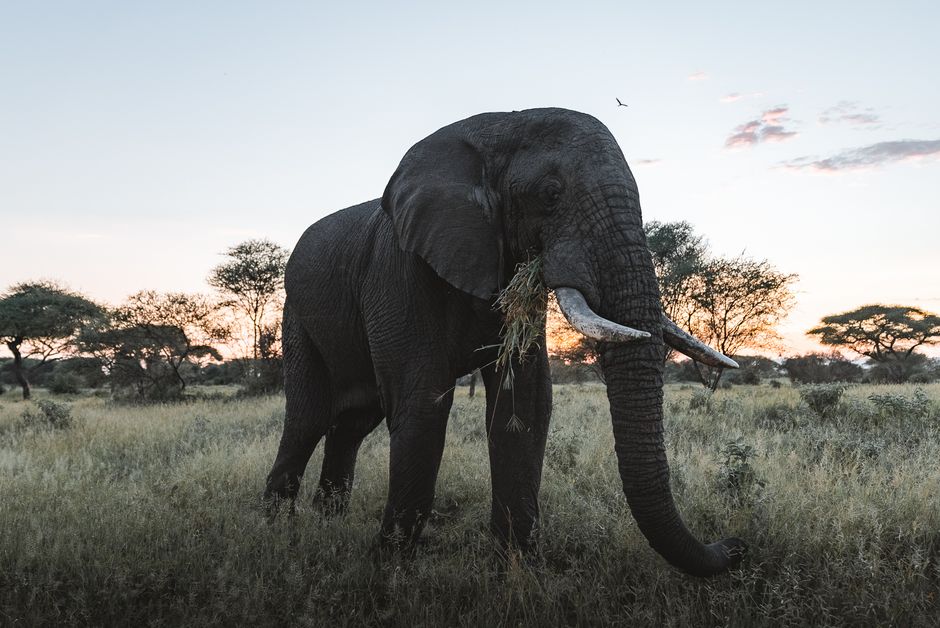
Beyond the tour itself, remember what makes Tarangire special: the chance to observe major night-active players along with the wider web of life. In Tarangire National Park, that can include African elephant, lion, leopard, spotted hyena, bushbaby, and genet. With the right team and responsible viewing habits, those encounters are more about understanding behaviour than about forcing proximity.
Overall, a great Tarangire night safari comes down to three choices: a time that supports visibility and comfort, an operator that practices disciplined vehicle and light use, and a team that uses spotters and guides to interpret animal behaviour while keeping disturbance low. When you plan with that mindset, you’ll see more, feel safer, and help protect the nocturnal rhythms that make the park worth visiting after dark.
Leave a Reply