
If you're planning a safari trip, you might be wondering how you can make your experience more sustainable.
This guide shows you how to plan a Tarangire-to-Ngorongoro safari loop designed for less driving, with wildlife time protected by sensible schedules, overnight bases, and realistic transit windows.
You’ll also get practical advice on vehicle choice, how to time morning and afternoon game drives, and how to keep the experience safe and respectful for wildlife and nearby communities.
Designing a Short-Drive Safari Loop

Start With the “Overnight Base” First
To reduce driving, the route design should begin with where you sleep, not just which parks you want. The most effective strategy is to break the loop into 2 driving days: one to reach Tarangire, and one to reach the Ngorongoro area. After that, you spend your days where the wildlife is, rather than on the road.
For this circuit, think in terms of two zones:
- Tarangire region first (for a full day, not a rush)
- Ngorongoro zone second (for a crater-focused schedule)
Once you have those zones locked in, you can shape the “inside-the-park” timings around the best light and animal activity.
Choose a Vehicle for Comfort and Control
Even when roads look straightforward, safari driving is slower than normal travel because you’re often sharing roads, navigating junctions, and occasionally stopping for wildlife or checkpoints.
A 4x4 safari vehicle is the safest default for this kind of loop. High clearance and good tyres help on graded dirt sections, and roof seating improves visibility so you don’t lose wildlife time trying to position yourself. Just as important as the vehicle is its readiness: ensure brakes feel strong, the spare tyre is serviceable, and the driver is experienced with safari driving rhythms.
Set Realistic Driving Windows (So You Don’t Chase Time)
Less driving is about avoiding marathon days. Aim to finish driving while it’s still light enough for safe approaches and smooth check-ins.
A practical rule of thumb for a wildlife-first loop:
- Keep any single “long drive” day to a maximum of one major transit block, plus short breaks.
- Prioritise early starts when entering crater areas or when you want first-light viewing.
- Build a buffer for weather and road conditions, especially in wet seasons when graded surfaces can slow down.
Tarangire National Park: Wildlife Time With Minimal Transit

Plan Your Day Around Water and Terrain
Tarangire is best approached with an expectation of elephants and strong “water-and-habitat” patterns. The park’s landscapes guide where animals congregate, and your job is to give yourself enough time to let those patterns work for you.
Instead of arriving late and driving through at dusk, try for at least one substantial game-drive block with good positioning and time to follow sightings. If your day is split between short drives and quick stops, you’ll miss the slow, rewarding moments—like repeated visits to the same feeding or watering areas.
Use Morning and Late Afternoon Like a Strategy
For wildlife viewing, timing is a tool. Mornings often provide clearer movement and more consistent sightings, while late afternoons can bring calm activity as animals move between feeding and resting areas.
A simple way to protect wildlife time is to avoid stacking multiple “must-do” activities on the same day. If you have one full Tarangire day, you can keep the schedule flexible: one early game drive, a relaxed midday pause, then another viewing window.
Keep Stops Thoughtful and Slow
To get more from each hour in Tarangire, reduce unnecessary driving within the park. When a sighting is active, give the driver permission to stay patient and reposition gradually rather than constantly chasing distance.
That approach also supports welfare: it lowers stress on animals and reduces dust and noise. It’s also safer for you—because it keeps the vehicle moving calmly rather than repeatedly accelerating, braking, and turning.
The Ngorongoro Section: Efficient Crater Access
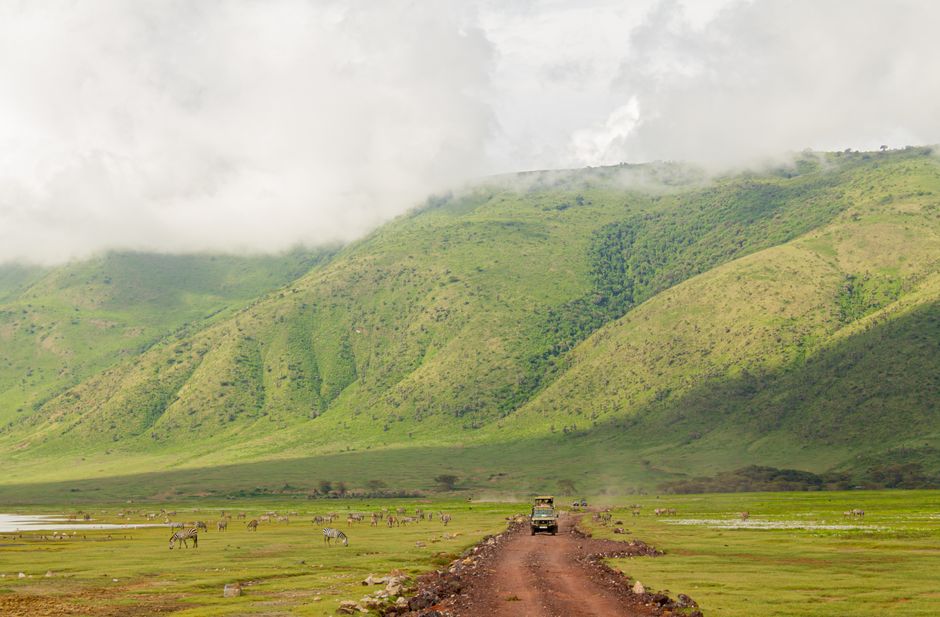
Base Yourself Close to the Action
In this loop, “less driving” mostly comes from how you manage your time around Ngorongoro. The crater is accessed via routes that are easiest when you’re already in the Ngorongoro zone the night before.
If your schedule allows, choose accommodation that reduces your need for long repositioning on crater day. Even a small change in how early you start can significantly affect how relaxed the day feels and how much time you spend actually viewing.
Time Your Descent for Better Viewing
Crater days reward early planning. Aim to be ready to go before the busiest part of the day. Cooler morning hours generally help visibility, and early starts can also mean fewer disruptions as vehicles arrive.
Once inside the crater, keep the vehicle movements controlled. Your guide should position the vehicle so everyone has a clear view, while still maintaining safe distance from wildlife. If the day becomes busy with multiple vehicles, patience matters more than pushing for another viewpoint immediately.
Add One “Minimal Detour” Experience
A compact loop works best when you add only one extra activity that doesn’t steal half a day from viewing.
Olduvai Gorge is a common pairing because it offers cultural and historical context while fitting into a transit-friendly schedule. The key is not forcing it into the exact same morning as the crater descent. Instead, pair it with an arrival or buffer day so your wildlife time stays protected.
Ethics, Safety, and Community Respect on a Compact Circuit
Follow Wildlife Distance and Movement Rules
A less-driving route shouldn’t mean less care. It should mean you can slow down where it matters.
Ask your driver/guide to explain the local viewing approach before you start and stick to these principles:
- Keep a stable, respectful distance and avoid sudden movements.
- Don’t block animal paths, especially when animals move between feeding and resting areas.
- Limit repeated long drives after a sighting starts; stay patient and observant.
If you’re ever unsure whether a vehicle is too close or an approach is disruptive, choose the safer option: pause, step back within the rules, and let your guide decide.
Drive With Safety in Mind (Not Just Speed)
Safari roads are not highways. The vehicle may be capable, but conditions can change quickly—road grading, dust, and wildlife on or near the road can affect stopping distances.
To keep the loop safe and efficient, favour steady driving, especially around gates, junctions, and areas where pedestrians or animals may appear unexpectedly. If you’re sharing a route with other safari vehicles, expect slower movement and plan your breaks so you don’t feel pressured to make up time.
Respect Local People and Avoid “Extraction” Tourism
A compact loop often passes through community-adjacent areas, and the way visitors behave shapes the experience for everyone.
Choose community interactions that are guided, transparent, and focused on respectful cultural exchange. Avoid activities that treat people as “props” or reduce traditions to a quick photo moment. Supporting ethical operators also helps ensure that the benefits of tourism are felt locally, rather than leaking away through unsafe or exploitative arrangements.
A Less-Driving Tarangire to Ngorongoro Itinerary
4-Day Loop (Good for Short Trips)
This schedule is built to protect wildlife viewing while keeping transit straightforward. It assumes you start from a base like Arusha and end back there or in the same general corridor.
-
Day 1: Arusha to Tarangire National Park
Depart early to allow a comfortable arrival and a first viewing session without racing. Late-afternoon game drives are still worthwhile if you haven’t overstuffed the day. -
Day 2: Full Day in Tarangire
Use one strong morning viewing block and one late-afternoon block. Keep midday flexible. This is where you typically gain the most from Tarangire’s elephant country and varied habitats. -
Day 3: Tarangire to the Ngorongoro area
Travel to your Ngorongoro-side base with enough daylight to settle and plan. If you want an extra stop, choose one brief option rather than adding multiple errands. -
Day 4: Ngorongoro Crater
Start early for a focused crater day. After viewing, keep the evening calm and avoid “one more drive” that would erode energy and safety.
5-Day Loop (More Buffer, Less Stress)
If you have an extra day, the loop becomes even more comfortable because you can separate crater day from any additional activity.
-
Day 1: Arusha to Tarangire National Park
Arrival with an easy first game drive. -
Day 2: Full Day in Tarangire
Two viewing windows and a slower pace. -
Day 3: Transfer + Olduvai Gorge
Travel to the Ngorongoro zone, then add Olduvai Gorge on a day that doesn’t compete with early crater access. -
Day 4: Ngorongoro Crater
Morning crater focus, with controlled vehicle positioning. -
Day 5: Ngorongoro Conservation Area time (optional) + return
If your departure is later in the day, keep a light extra session in the Ngorongoro Conservation Area rather than turning it into a second “crater scramble.”
Plan Bookings Around Transit, Not Just Dates
To keep driving lower and the experience smoother, plan around the order of movement:
- Confirm park entry timing and pick start times that match your animal-viewing goals.
- Choose accommodation that supports early departures for crater day.
- Make sure your guide and vehicle schedule has buffer time for weather and road variability.
If you’re building dates around availability, it can help to search for lodging near the Ngorongoro-side gateways and rim access areas using Booking.com, then confirm exact check-in timing with your safari provider.
Overall, a Tarangire-to-Ngorongoro loop with less driving comes down to protecting two things: your daily wildlife windows and your daylight-based transit rhythm. By basing yourself in the right zones, choosing a reliable 4x4 safari vehicle, and scheduling one focused crater day with minimal competing activities, you’ll spend more time watching and less time relocating—while staying safe, respectful, and wildlife-friendly throughout the circuit.
Leave a Reply