
Are you interested in experiencing the vibrant culture of the Maasai Mara? The right place to sleep in Nairobi can help you catch early departures comfortably and make same-day transfers feel far less stressful.
This guide walks you through where to stay (by neighbourhood), what to look for in a hotel (especially for very early starts), and how to plan your evening so your first Mara drive runs smoothly. It also covers the key safety and respect points to keep your safari experience responsible from the moment you leave your room.
Start Your Mara Trip Smoothly: Where to Base Yourself in Nairobi

Airport-friendly bases
Staying close to Jomo Kenyatta International Airport is often the simplest option for a fast, reliable transfer day. It matters most if your safari operator includes an airport-style pickup, if you’re arriving the day before, or if you want a shorter, more predictable drive.
Look for hotels with a reputation for efficient front-desk service and staff who can help coordinate an early wake-up, taxi arrangements, or a driver-led pickup. This is also a good match if you prefer not to plan multiple transport steps before you’re on the road.
City-centre and Upper Hill convenience
If you’re arriving in Nairobi earlier in the day and don’t want to travel too far from restaurants or meeting points, consider the central areas around business districts and Upper Hill. These zones can work well for an early departure because they’re typically well serviced, with plenty of accommodation choices.
The practical trade-off is that mornings can still vary depending on traffic patterns. Choose a hotel with straightforward access to main roads, and confirm the pickup point in advance so you avoid last-minute detours.
Karen and Lang’ata for a calmer pre-dawn
Karen and Lang’ata tend to feel quieter and more “residential” than the busiest central corridors. For many travellers, that means an easier night’s sleep, which can help when you’re waking early for the Mara.
This area can be a good fit when your departure time is scheduled with flexibility or when your operator has a proven pickup route. If you’re concerned about morning traffic, prioritise a hotel where your driver can reach you with minimal “search time” and where the hotel can organise assistance at reception rather than requiring you to move around for pickup.
Hotel Features That Make Same-Day Transfers Easier
Breakfast and meal planning
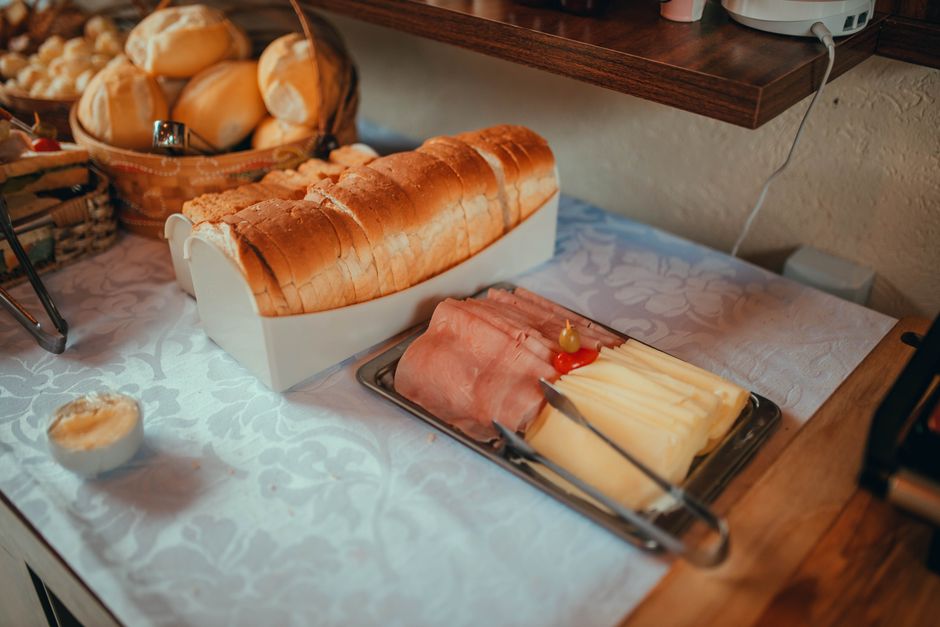
For very early starts, the single biggest advantage is a hotel that can provide breakfast earlier than usual or offer packed meals. Ask whether your room rate includes an early option, and what the hotel can do if you need to leave before breakfast service.
When a hotel confirms a packed breakfast (rather than “maybe”), it reduces the chance of delays and keeps you fuelled for the road. If you have dietary requirements, request them early so the hotel can plan properly.
Shuttle logistics and staff support
A great base is one where reception can handle the practical side quickly: confirming a driver, marking your pickup location clearly, and supporting luggage needs.
Before you settle in, check whether the hotel:
- Can arrange or coordinate an early pickup with your safari transfer
- Has a reliable, clearly communicated meeting point
- Can call a taxi or confirm vehicle access if your operator uses a third-party driver
Small details matter. For example, if your pickup is at a specific time, the hotel should know the exact plan and be able to assist if there’s a slight delay.
Quiet rooms and early wake-up systems
A good Mara morning starts with sleep. If your transfer is early, choose a room that’s designed for restful nights: away from busy roads where possible, with reliable noise insulation, and with dependable wake-up service.
It also helps if the hotel provides practical support for early departures, such as turning down lights or helping you prepare for a pre-breakfast exit without rushing through corridors or waiting at the last minute.
Top Nairobi Stays for Mara Pre-Safari Nights
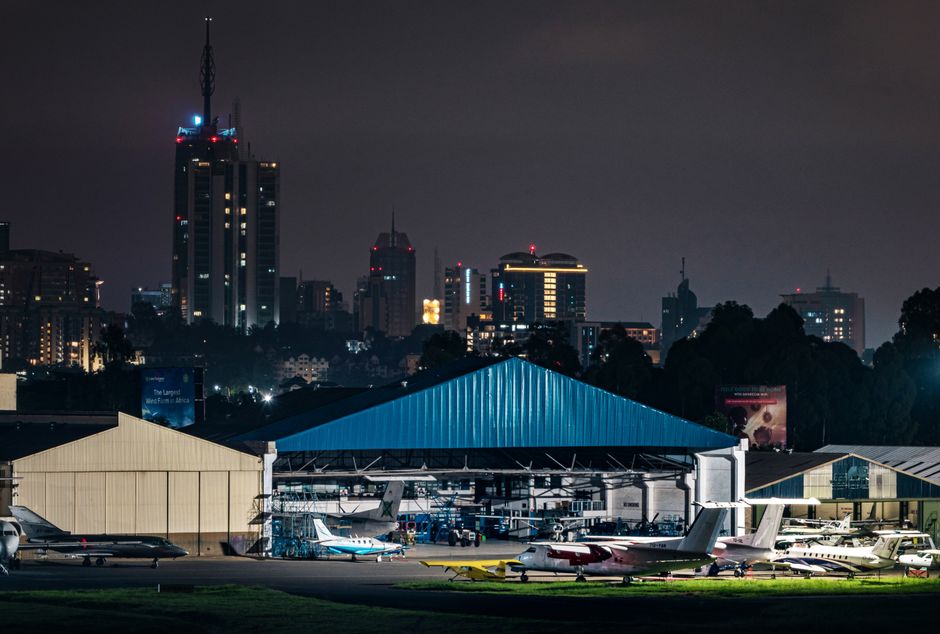
When choosing among them, match the hotel’s location to your transfer plan, then check that the staff can support early meals and a clear pickup process. If you’re comparing availability and one-night stays across areas, Booking.com can be useful for narrowing down practical options.
- Ole Sereni Hotel, Nairobi (airport area)
- Crowne Plaza Nairobi Airport (airport area)
- Nairobi Serena Hotel (city-centre)
- Fairmont The Norfolk, Nairobi (city-centre)
- Hilton Nairobi (city-centre)
- Radisson Blu Hotel Nairobi Upper Hill (Upper Hill)
- Tamarind Tree Hotel (Westlands area)
- Hemingways Nairobi (Westlands area)
Close to Jomo Kenyatta International Airport
If your departure day is meant to start fast and you’d rather minimise long drives before your first Mara kilometres, choose a base near the airport. Hotels in this zone are often better aligned with early morning logistics because the journey to common departure routes can be shorter.
Also consider this approach if you are connecting from an earlier flight or need easy access to your vehicle. Confirm the pickup details with reception so your driver can reach the correct entrance without you walking around.
CBD and Upper Hill for quick pickups
City-centre and Upper Hill properties can be excellent when your schedule is tight but you still want easy access to everyday conveniences. For many travellers, this reduces the “buffer time” needed to organise dinner, pick up essentials, or finalise transfer details.
To make early departure smoother, aim for rooms that are not dependent on long internal walks for elevators and main exits, and ensure reception understands your pickup time and luggage situation.
Westlands, Karen and beyond when traffic is manageable
Westlands is a popular area for travellers because it balances lively services with good road connectivity. It can work particularly well when your transfer plan is confirmed and your pickup is scheduled to avoid the most congested windows.
For quieter, sleep-focused stays in areas like Karen and Lang’ata, the key is verifying how your driver will access the property. If your hotel is a little farther from the main roads, confirm that the meeting point and vehicle access are clear so the morning doesn’t involve delays.
Safety and Respect on Transfer Day to the Maasai Mara
Choose responsible transfer planning
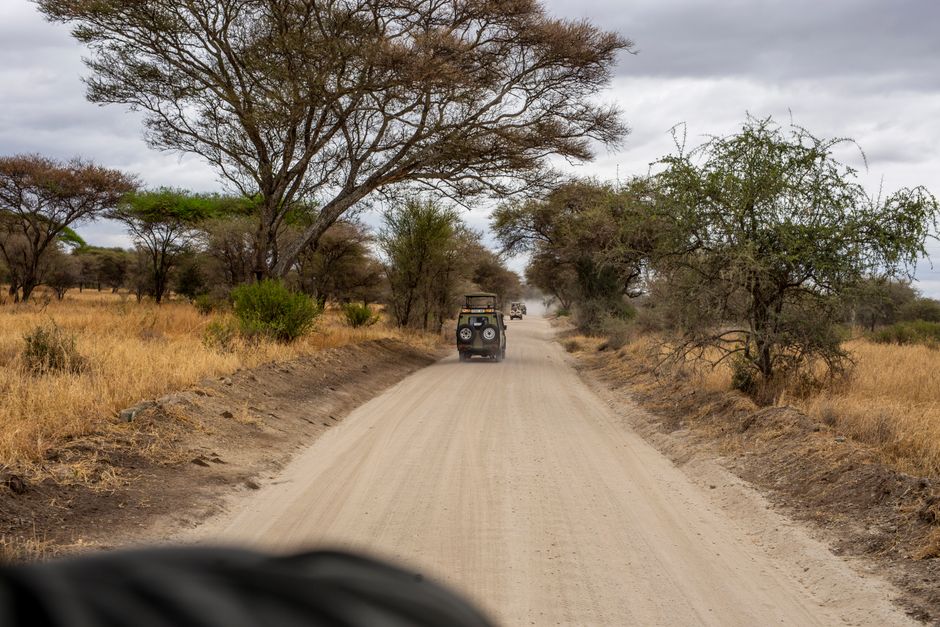
Most safari travellers use a driver or safari operator to manage the road journey. Before you depart, ensure the plan is clear: pickup time, vehicle type, and where you’ll meet if there’s a scheduling change.
If your transfer includes a guide, remember that the guide is the best source for route timing and practical rules for what happens once you reach the reserve. For animal welfare, good operators focus on predictable driving, calm behaviour around vehicles, and strict adherence to reserve regulations.
Respect wildlife and community boundaries
Even when you are not yet inside the reserve, your behaviour on the roads reflects how you travel. Avoid loud, disruptive actions near roadside activity, and don’t assume that every roadside stop is appropriate for photos.
A responsible approach includes:
- Asking before photographing people
- Keeping a respectful distance from any domestic animals you may pass
- Following vehicle rules and not jumping out for informal “quick looks”
When the Mara drive starts, maintain the same mindset: stay within the viewing instructions given by the guide, follow vehicle positioning rules, and keep noise and movement controlled.
Health, safety, and road comfort
Long road days require simple safety habits. Keep seatbelts fastened, store valuables securely, and plan for hydration. If you’re prone to motion discomfort, consider what helps most for you before the day begins.
If you’re travelling with children or anyone with mobility needs, discuss how luggage will be handled and how frequently stops are planned. A safe transfer is one where the team can stick to the schedule without rushing.
Planning Your Night Before: A Simple Checklist That Works
Even the best Nairobi neighbourhood can’t compensate for a disorganised evening plan. The goal is to remove decision-making from the morning, so you leave calmly and arrive ready.
Set the night-before schedule
Confirm the pickup time and meeting point with reception or your safari operator. If there is a chance of delays, ask what the backup plan is.
Then decide how you’ll handle last-minute needs. If you need to settle laundry, buy water, or pick up simple snacks, do it before the evening becomes too late. A calm night makes an early morning far more manageable.
Pack the essentials for the first drive
For the Mara, you’ll typically want items that help you stay comfortable during extended viewing. Pack them so they’re easy to access during the transfer, not buried deep in the suitcase.
Practical items often include:
- A light layer for early morning cool
- Sunscreen and sunglasses
- A reusable water bottle
- Your camera and any essentials for keeping it protected
If you’re relying on a packed breakfast, keep any extra items you need within reach so you’re not searching during loading.
Plan a smooth return or onward travel
Many travellers do the Nairobi-to-Mara leg as part of a longer itinerary. If you’re continuing elsewhere after the safari, check whether you’ll need an additional hotel night in Nairobi or if your return timing is tight.
Planning the final day can influence where you stay initially. For example, if you know you’ll need an early departure from Nairobi after your safari, choose accommodation that supports similar logistics in both directions.
By following these… you’ll turn your Nairobi stay into a deliberate first step toward the Maasai Mara: less stress at the start of the day, better rest the night before, and a safer, more respectful safari experience from departure to game drive.
Leave a Reply