If you're planning a safari trip, you might be wondering how you can make your experience more sustainable.
In Chizarira National Park, the most sustainable choice is often the simplest one: staying close enough to spend more time on the wildlife and on the trail, and less time on long, tiring transfers over changing road conditions.
This guide walks you through where to stay in Zimbabwe for Chizarira wildlife drives and hiking access, with an access-first ranking of practical lodge and camp areas, plus what to ask about gates, trailheads, and whether you’ll be self-driving or moving with a guide.
Understanding Chizarira access: gates, circuits, and trail start points

Know the gate-to-camp reality
Chizarira’s day starts with whichever part of the park your operator uses for entry and activities. Even when two lodges look similar on a map, the “last mile” matters: the nearer your base is to the entry point used for your permit and briefing, the easier it is to get an early drive and still have energy for a walk later.
When you’re comparing options, treat “distance to the park” as two separate questions: (1) how far you are from the gate you’ll use for entry, and (2) how far you are from where drives and hikes actually begin. Ask your lodge or operator to explain what happens on your first morning: where you check in, where the ranger briefing takes place, and how you get from there to the first activity.
Game-drive routes vs hike routes
Wildlife drives and hiking routes don’t always share the same access paths. Vehicles usually follow established viewing corridors and safer tracks, while hiking trailheads may be reached by a short drive or a transfer that feels “long” when you’re carrying water, a daypack, and trekking footwear.
A practical way to think about it is this: if your goal is to hike more than you drive, prioritize stay areas that reduce time spent repositioning. If your goal is game viewing first, prioritize stay areas that reduce time to the circuit your guide uses for morning and late-afternoon sightings.
Self-drive and guided options in practice
Chizarira-style safari days commonly involve a mix of fixed planning and flexible responding to wildlife. Many visitors prefer guided vehicles for game drives and guided hiking, because the route choices and on-foot decisions depend on animal presence, spoor, and ranger advice.
Self-drive can work as a cost and convenience advantage for getting from your accommodation to the entry area, but you should confirm what “self-drive” means for your specific itinerary. In many parks, the key constraints are (a) entry permits and check-in requirements, (b) whether you’re allowed to move independently inside the park, and (c) whether hikes require a ranger guide regardless of how you arrived.
The stay areas to prioritise for quick starts
Inside Chizarira or within the closest concession blocks
The most comfortable option for wildlife drives and hikes is usually staying inside the park’s own activity zone or extremely close to it. This tends to give you:
- Fewer road transitions between check-in, drives, and trail briefings
- Better odds of joining early-morning or late-afternoon sessions (when animal activity is often strongest)
- Less fatigue, especially if hiking is part of your plan
Because these locations usually control the logistics tightly, you’ll often have a clearer “day flow” for your activities. Still, confirm the exact meeting point for your first day and what time transfers begin, since even nearby camps can have different briefing routines.
Near the main park entry for early morning drives
If staying right at the activity zone isn’t possible, the next-best approach is choosing a lodge/camp near the main entry used for Chizarira permits and ranger briefings. This is the sweet spot for travellers who want practical access without paying for the most remote options.
Expect transfers that are typically manageable for early drives, which can matter a lot for sightings. If you’re planning hiking too, prioritize accommodation that can get you to the trailhead briefing without a rushed schedule or an uncomfortable long repositioning drive.
In practice, this stay area often works well with guided activities: you arrive, check in, and the guide/operator handles the onward game-drive route and hike planning. If you’re leaning toward self-drive, it’s still worth arranging for transfers or guided vehicles during game drives and hikes so you can focus on safe wildlife viewing and on following ranger instructions.
Base farther out: longer transfers, more flexibility
For travellers who want more variety in accommodation style, or who are combining Chizarira with other parts of Zimbabwe, a farther-out base can be a realistic choice. The trade-off is time and energy: longer transfers can reduce how many starts you can manage comfortably and may affect your ability to join the ideal morning or late-afternoon drive.
This stay strategy works best when your itinerary is planned with buffer time. A good rule of thumb is to build your schedule so that driving or repositioning doesn’t collide with briefing times, and so you still have time for rest, water, and a slow start after hiking.
If you’re self-driving from farther out, make sure the accommodation can support real-world preparation: secure parking, advice on road conditions closer to your travel dates, and clear instructions on where to meet any ranger/guide team. If you’re unsure about road suitability, guided transfers to and from the entry area can be the safer option.
What your daily schedule can look like (drives and hikes)
Wildlife drives: timing, viewing rules, and vehicle etiquette
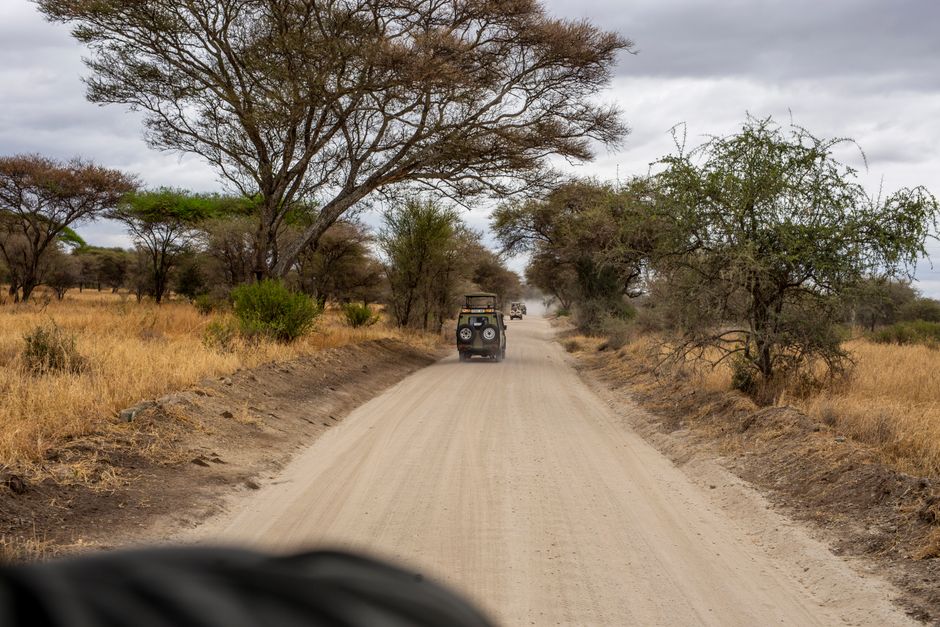
A well-paced Chizarira day often alternates between structured viewing and responsive searching. Morning and late afternoon drives are commonly the most productive for many animals, but your guide will also factor in conditions such as heat, wind, and visibility.
To make drives both enjoyable and responsible, keep your viewing habits disciplined: remain seated, avoid leaning over vehicle edges, and don’t encourage animals closer for a better photo. If a guide slows or stops, it’s usually because there’s something worth waiting for, and the safest action is to stay still and let the situation unfold.
When animals are present, expect your drive route to be guided by welfare and safety first: distance, direction of travel, and how crowded the viewing area becomes. A quieter, patient approach is almost always better than sudden movement.
Hiking access: how to match difficulty to fitness
Hiking in Chizarira is where the landscape and wildlife really connect, but the “right” trail length and difficulty depend on your fitness, the season, and ranger guidance.
Before setting expectations, ask whether your hike will include river crossings, steep sections, or longer stretches of track. Then align that to your plan for the rest of the day. If your accommodation is farther from the entry point, it may be better to schedule hikes on days when transfers are simpler and you can start unhurried.
Many hikers enjoy a rhythm of short, guided sections rather than long, uninterrupted walks. That’s partly about safety and partly about animal management: trails and routes may change depending on wildlife presence.
What you might see from the vehicle or on foot
Chizarira offers a strong mix of large mammals and antelope, and hiking can put you closer to sign and smaller species activity. During drives and on guided walks, you can often look out for:
- African elephant
- Cape buffalo
- Lion
- Leopard
- Impala
Exact sightings depend on season, weather, and where your guide chooses to spend time, so focus on staying patient and prepared rather than chasing a guaranteed checklist.
Wildlife welfare, safety, and respectful behaviour
Keeping a safe distance from wildlife
Safety isn’t only about avoiding danger; it’s also about avoiding stress. A disciplined distance protects both you and the animals, and it reduces the risk of situations escalating.
If you see large mammals on foot or close to the trail, follow ranger instructions immediately. That can include pausing, keeping quiet, or changing direction. Don’t try to “out-walk” wildlife or position yourself for photos by stepping off-trail.
For vehicles, remember that wildlife often changes direction suddenly. Guides manage spotting and stopping points for a reason, so avoid calling out to other vehicles, crowding, or blocking sightlines.
Ethical tracking on foot
Hiking is more immersive because you notice spoor, tracks, and signs of activity. Ethical tracking means you observe without disturbing. Don’t circle animals or move in ways that force wildlife to alter course repeatedly.
If you’re uncertain about the trail or the animal behaviour, stop, let the guide decide next steps, and keep your group together. On-foot safaris depend on cohesion as much as on skill.
Supporting local communities
In Chizarira itineraries, local guides and staff are often central to safety, permits, and trail interpretation. Choose stays and operators that employ and pay local teams fairly, and treat briefings as part of the safari rather than an obstacle.
Respectful behaviour also extends to community areas around where you stay and pass through: follow rules on designated areas, ask permission before taking photos of people, and keep noise low, especially early and late in the day.
Planning your trip smoothly
When to travel for better trackability
Zimbabwe’s seasons shape everything about Chizarira hiking and game viewing. In general, the drier months can mean firmer ground, clearer tracks, and easier walking conditions, while the wetter months can bring green growth, but also slippery trails and more variable travel times.
Plan around the kind of safari you want:
- If your priority is wildlife viewing and easier walking, focus on the drier season windows.
- If your priority is scenery and lush habitat, plan for warmer conditions and be ready for rain-related changes.
Ask your operator what weather trends mean for the specific trail and drive circuit they plan to use during your dates. This is one area where last-minute flexibility pays off.
How to choose rooms, tents, and transfer arrangements
Stay quality matters, but for Chizarira access it’s worth weighing three practical factors:
- How early you can realistically start the day (breakfast timing and transfer schedule)
- How you’ll get to the entry point for permits and the first activity
- Whether your accommodation supports late returns without forcing long, stressful night drives
Even if two lodges offer similar amenities, the one that reduces uncertainty around transfers often makes the safari feel smoother.
If you’re considering a self-drive component, ensure the accommodation can provide clear route guidance and advice on vehicle suitability. In remote areas, an unsuitable vehicle or unclear directions can quickly turn into wasted time.
Booking basics and what to ask before you pay
Once you have a shortlist, use your questions to confirm access rather than relying on marketing descriptions. Before booking, ask the lodge or operator to clarify:
- Which gate and briefing point your group uses
- The typical transfer times from the lodge to each drive and hike start
- Whether game drives and hikes are always guided, and what permissions apply
- What happens if weather or trail conditions change
For accommodation listings, Booking.com can be a practical starting point to compare map locations, but the most important verification step is always asking the lodge how your Chizarira activities will be scheduled around those logistics.
Overall, the best place to stay for Chizarira wildlife drives and hiking access is the base that gets you to your gate, trailhead briefing, and game-drive circuits with the least friction. Prioritize early starts, confirm whether activities are guided, build in realistic transfer time, and choose a stay zone that keeps wildlife welfare and your safety at the centre of every day.
Leave a Reply