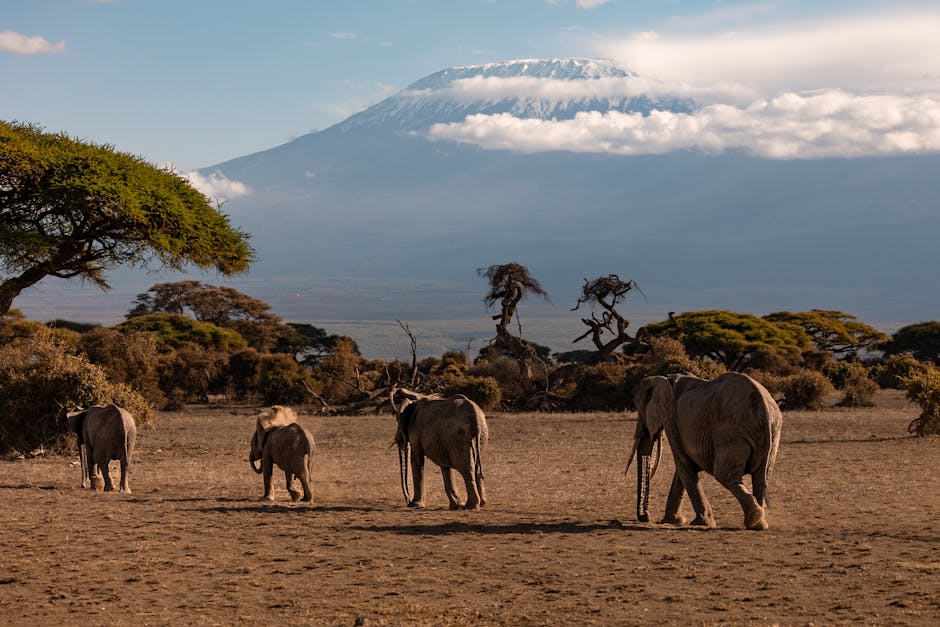
If you're heading to Amboseli for elephants and Kilimanjaro views, then you know where you stay shapes what you see first thing in the morning.
This guide shows where to stay near Amboseli National Park for elephant sightings and mountain views, grouped by park-edge access, foothills vantage points, and gate-side convenience. It also covers how to build early-morning elephant viewing days while keeping wildlife welfare and safety at the centre of every drive.
How to Pick the Right Base for Elephants and Kilimanjaro Views

Start with your early-morning routine
Elephants are most active at dawn and around water and mineral points throughout the cooler hours. If you want those quiet, low-vehicle-traffic sightings, your best strategy is to minimise transfer time and maximise time in the park.
When you compare where to stay, think in terms of “time to first sighting”: how quickly you can be ready, get to the relevant entry area, and begin driving before the light becomes harsh. The closer your accommodation is to the habitats elephants use, the more flexible your plans become when sightings are good (and when they’re not).
Choose by skyline angle and habitat
Kilimanjaro views depend on two things: line of sight and atmosphere. Line of sight improves with distance from obstructions and with higher, open viewpoints. Atmosphere improves when skies clear after rain and during cooler parts of the day.
At the same time, elephant-viewing quality depends on habitat connectivity. Properties on the park edge can reduce driving time to the areas elephants move through, while foothill locations can trade a little extra drive time for better mountain angles.
Match driving time to what you want to photograph
If your priority is elephants at water or grazing points, keep drives short and frequent rather than long and rare. If your priority is Kilimanjaro in the background of wide landscapes, build in morning and late-afternoon time for scenery, and plan at least one dedicated return-to-base window.
Park-Edge Stays for Fast Access to Elephant Hotspots

What you can expect at dawn
Staying close to Amboseli’s borderlands usually means fewer minutes on the road and more time listening for elephants before you see them. In the early hours, you’re also more likely to spot tracks, hear alarm calls from birds and smaller animals, and witness elephants moving calmly between feeding and water areas.
This is the best approach if your trip is built around early departures for “first light” elephant drives, with a relaxed mid-day break back at camp.
Best for first-time Amboseli visitors
Park-edge lodges are often where itineraries become simplest: you can step into the day quickly, return comfortably for lunch, and then head out again if you find an area producing steady sightings.
These bases suit travellers who want elephants to be the headline act, and who prefer convenience over chasing the perfect view angle.
Suggested lodge-area options
- Booking.com can help you check availability for these well-situated properties.
- Amboseli Serena Safari Lodge
- Sopa Lodge Amboseli
- Sentrim Amboseli
- Ol Tukai Lodge
- Tortilis Camp
When choosing among them, compare whether your room faces the plains (useful for Kilimanjaro chances on clear days) and whether the lodge supports early game drives with efficient pick-up procedures.
Foothills and Higher Ground for Cleaner Kilimanjaro Sightlines

Why elevation can matter
On clear mornings, a foothill or higher-ground setting can give you a wider, less obstructed view towards Kilimanjaro’s direction. That can make the difference between “a faint outline” and “a summit that sits clearly in the sky,” especially after rain when haze drops.
Elevation also influences comfort: breezier, cooler mornings can make pre-drive coffee and bird calls feel more enjoyable before vehicles roll out.
Typical viewing rhythm from the hills
A strong pattern is: late-night rest, early departure for elephants, then a slower pace back at the lodge where mountain views come into play.
That said, foothills bases may increase transfer time to certain elephant areas. The trade-off only works if your schedule is built around repeat sightings: one great early drive, plus a second drive later in the day, rather than overextending yourself with long transits.
Where to look for mountain-facing rooms
- Kilima Safari Camp
- AA Lodge Amboseli
For Kilimanjaro-focused stays, ask about room orientation and whether the deck or dining area has a good view in the direction of the mountain. It’s also worth checking whether the lodge sits in a position where clouds tend to clear first, since weather can shift quickly in open country.
Gate Access and South-Side Areas for Smooth Namanga-Route Days
Planning around entry points
If you’re using early drives for elephant viewing, “gate access” is about reducing friction. When you can reach the most relevant entry point without backtracking, you keep the schedule aligned with cooler, calmer hours.
It also helps if you’re travelling as a group and want to avoid last-minute delays. The smoother the departure process, the easier it is to respond to what the guide and drivers observe on the ground.
Kimana’s role in the elephant landscape
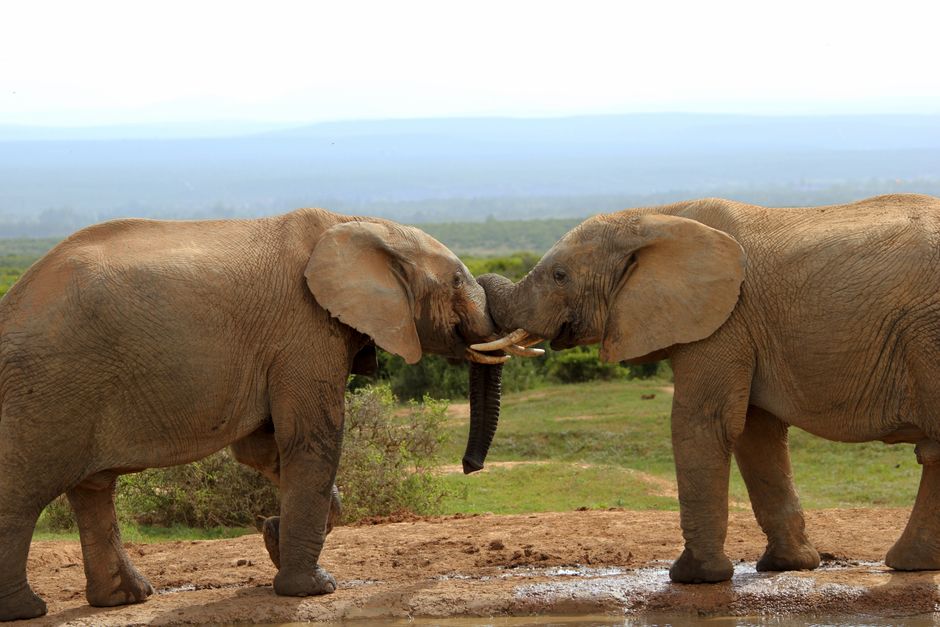
On the south side, Kimana Sanctuary is often referenced for its landscape connectivity and as part of the wider ecosystem that elephants use when moving between open areas and water.
Even if Kilimanjaro visibility is the main “wow factor,” elephants are still the reason to choose a gate-side strategy: shorter drives can give you more time in elephant-frequented country and a better chance of returning before heat builds.
Staying options by gate area
- Kimana Sanctuary (staying around this area for ecosystem access)
- Namanga Gate area (lodge-side convenience for early, direct drives)
For these locations, the key is to confirm the practicalities: how the lodge handles early departure pickup, and whether the vehicle routes typically align with the day’s elephant hotspots.
Making the Most of Your Stay: Safaris, Safety, and Responsible Viewing
Respect distances and vehicle rules
Elephants are not a “viewing prop,” and responsible behaviour is what keeps wildlife calm and tourism sustainable. Always follow park and lodge guidance on vehicle positioning, approach rules, and the moment to withdraw.
In practice, that means keeping a respectful distance, avoiding sudden stops or loud noise, and letting elephants set the pace. If elephants show signs of discomfort, the right response is to back away and give space.
Build days around water and movement, not just sightings
A successful elephant day often combines a route logic with patience. Many visitors focus on well-known water and mineral points, but the best results usually come from staying attentive: watch for dust trails, changing animal behaviour, and the way birds respond as elephants arrive.
To keep the experience enjoyable for everyone in the group, balance drive intensity with breaks. A midday rest is not just comfortable; it can also prevent decision fatigue that leads to rushed behaviour.
Plan with realistic weather windows
Kilimanjaro views are easiest when the air is clear and when clouds sit higher than the line of sight. Weather can shift quickly, so set expectations: even when you’re in the right place, visibility isn’t guaranteed.
A helpful approach is to treat mountain viewing as a daily “bonus,” not a single all-or-nothing target. Spend short, intentional windows on the balcony or deck in the morning and again later in the day, while keeping elephant drives as the anchor of the schedule.
Overall, the best base near Amboseli is the one that matches your priorities: choose park-edge locations for fast early elephant drives, foothills for clearer Kilimanjaro sightlines, and gate-side areas for smoother routing. With careful planning, respectful viewing, and room to adapt when conditions change, you’ll maximise both wildlife moments and the scenery that makes the region unforgettable.
Leave a Reply