
If you're planning a safari trip, you might be wondering how you can make your experience more sustainable. One of the most practical ways is to reduce travel time, planning churn, and vehicle idling by choosing a base that aligns with your daily routes.
This guide helps you find where to stay near Seronera for Central Serengeti game drives and river access, with a focus on morning and late-drive timing. You’ll also get straightforward tips for choosing the right property layout, interpreting water-sources for wildlife, and viewing responsibly.
If your goal is classic Central Serengeti action, Seronera is usually the most efficient starting point. From here, many routes reach the river corridor and predator-heavy areas with short drives, which matters for both wildlife viewing quality and overall comfort.
Best Base Areas Around Seronera

Staying in the Seronera core for repeatable routes
The “Seronera” area is popular because it sits close to reliable wildlife movement corridors in Central Serengeti. When your camp or lodge is positioned in or near this zone, you can schedule longer morning and late drives without constant repositioning.
That repeatability is especially useful if you’re chasing big cats and elephants, because animal presence can be patchy at certain hours. Being nearby increases the odds of catching the same groups again later in the day.
River-access viewing from the right side of the corridor
“River access” in Central Serengeti is often about reaching water sources—commonly the Seronera River watercourse and nearby seasonal channels—quickly enough that wildlife is still active. The best bases are the ones that allow you to reach these areas at drinking times and during the warmer hours when animals tend to approach water.
Rather than expecting constant river scenes everywhere, think in terms of waterholes, muddy edges, and predictable drinking routes where animals gather.
How closeness affects morning and late drives
Morning and late drives are about light, movement patterns, and positioning. A base that is closer to the routes you’ll actually use means:
- more time in the best observation windows
- less time commuting between lodge and game-drive start points
- less pressure to rush back before gates close
For many travellers, this is the difference between a “drive day” and a “wildlife day.”
Top Lodge and Camp Picks Near Seronera

Full-service safari lodges with easy departure timing
Seronera National Park access is at its simplest when your lodge is already oriented toward Central routes. Properties like Serengeti Serena Safari Lodge are well known in the area for comfortable staging and straightforward start times for drives that target the Central plains and nearby river edges.
Another reliable option in the same practical zone is Seronera Wildlife Lodge, which is often chosen by travellers who want a classic Serengeti base with good morning and late-drive logistics.
Tented camps for close-to-nature pacing
If you prefer a more “camp” feel while still keeping daily driving efficient, Kati Kati Tented Camp is a commonly recommended choice around Central Serengeti. It’s the kind of base that supports relaxed evenings, then early departures when the landscape is still cool.
A central option associated with river-corridor routes
For travellers specifically focused on Central Serengeti routines, Kirurumu Tented Camp is often considered as part of the Seronera-region mix. The key advantage to look for (when confirming in advance) is that your planned morning and late-drive routes can reach water-sources without long transfers.
A quick reality check on “where near Seronera” really means
Even when lodges mention “Seronera,” the exact distance can still change how your day runs. When comparing options, check whether the property lists start points for shared drives, whether vehicles can return for breaks, and what time windows the lodge supports for early starts and late returns.
For reference, Serengeti National Park is the landscape you’ll be working within, so lodge location relative to vehicle routes and nearby water sources matters more than maps that show straight-line distance.
How to Choose the Right Spot for Morning and Late Drives

Balance vehicle travel time with route flexibility
The most efficient bases let you chase two things: the wildlife you want and the timing you want. For Central Serengeti, that often means waking for a morning push toward movement corridors, then switching to late afternoon positioning for predators and grazers coming in and out of the river-zone.
A lodge that’s too far from the likely routes can force you into shorter drives, fewer re-position opportunities, or more “in-between” stops.
Ask about drive format and what your guide can realistically cover
Property location affects what’s practical, but so does the daily drive plan. When you confirm with your safari operator or lodge team, clarify whether your morning and evening game drives are:
- fixed start times
- shared or private vehicle formats
- able to adjust based on sightings
If private, a closer base can make “repositioning” a real advantage rather than a logistical gamble.
Choose shade, flow, and recovery as part of your viewing strategy
Late drives end after long hours in open vehicles and dust exposure. A base that supports good recovery matters: comfortable shade, clean restrooms, reliable hot water, and a calm evening pace.
This isn’t just comfort. When you sleep well and eat on time, you’re more likely to be focused and patient in the field. That improves observation, especially when you’re waiting for slow, water-dependent behaviour.
River Access in Central Serengeti: What You’ll Actually See
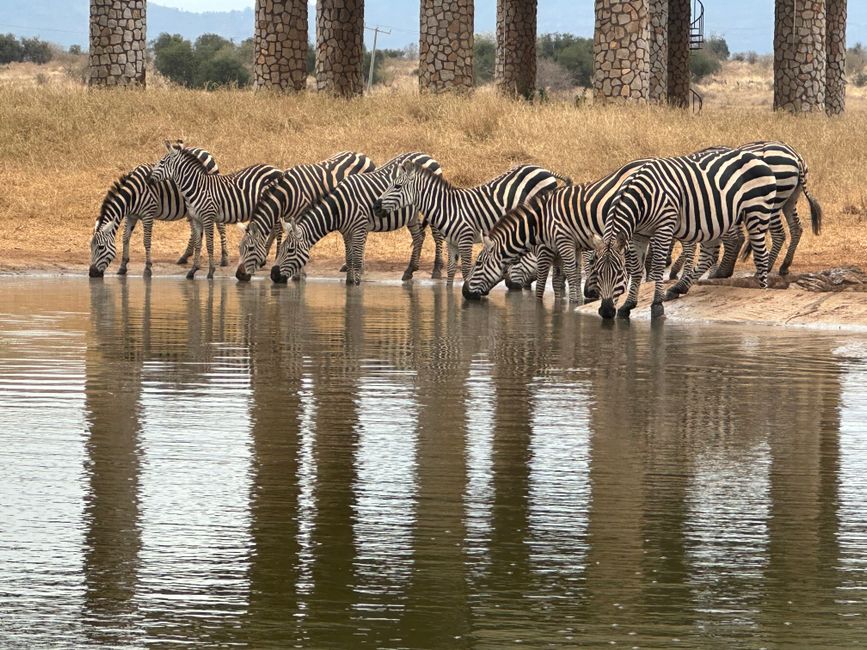
Seronera River water-sources and drinking routes
In Central Serengeti, river-viewing often revolves around water-sources that animals reliably use. The Seronera River watercourse is a key target, especially for sightings of hippo and crocodile, and for the “arrive, drink, move on” rhythm that brings predators to the edges.
Instead of looking for constant, dramatic scenes everywhere, it helps to watch the pattern: tracks, grass reduction around access points, and the timing of repeated visits by grazers.
Waterhole watching for grazers, then predators
The river corridor draws wildebeest and zebra as they move through the landscape and respond to available water. When that gathering happens, it creates a strong feeding environment for lion, and it can also bring other hunters close to cover.
This is also where African elephant movements often become easier to predict. If your lodge gives you short access to the water zone, you can spend more time watching the “approach and decision” moments rather than arriving after the action has cooled.
Night temperature shifts and when visibility changes
Late-day viewing can change how animals behave near water. Cooler air and lower glare can make it easier to scan distances, while warming ground later in the evening can bring animals back toward feeding and drinking.
For species that rely on cover and timing, like leopard and cheetah, the most productive approach is to keep your position stable once the guide confirms signs—tracks, calls, or fresh movement—then let the wildlife come to you.
Staying Respectfully Close to Wildlife and Communities
Viewing rules that protect animals and your experience
Respectful viewing is the foundation of good wildlife photography and safe sightings. In the Seronera area, that means maintaining distance, avoiding sudden vehicle changes, and following the guide’s cues about when to stop, when to move, and when to leave an animal alone.
A practical checklist helps when you’re tired after a long drive:
- Keep vehicles quiet and avoid blocking tracks or water access points
- Do not approach predators or herds on foot unless it’s an authorised activity with a trained guide
- Limit time around concentrated animals; move on when requested by your guide
- Give clear space to buffalo, giraffe, and elephant groups, which can shift unexpectedly
Safety with large mammals and dusk conditions
Dusk in Central Serengeti is beautiful, but it’s also when judgement can slip. Always follow vehicle instructions, especially around African elephant and buffalo, which may look calm until they don’t.
For safety, consider these habits regardless of your lodge location: keep doors secured when told, avoid leaning out, and trust your guide’s assessment of sightlines near rivers and steep ground.
Supporting local jobs and conservation priorities
Staying near Seronera gives you a front-row view of why community and conservation partnerships matter. Choose properties and operators that use local guides and maintain standards for waste management, water use, and respectful visitor behaviour.
It’s also worth asking how your stay supports conservation work in the area, since the Central Serengeti ecosystem depends on long-term protection for predators, grazers, and water-dependent species.
Overall, the best Seronera base is the one that aligns your lodge location with your daily routes: close enough for meaningful morning and late game drives, positioned to reach Seronera River water-sources at the right times, and run with strong welfare and safety practices. By following these principles—then confirming the exact drive rhythm before arrival—you’ll turn “where to stay” into a straightforward plan for more wildlife, less rushing, and better-respected viewing across Central Serengeti.
Leave a Reply