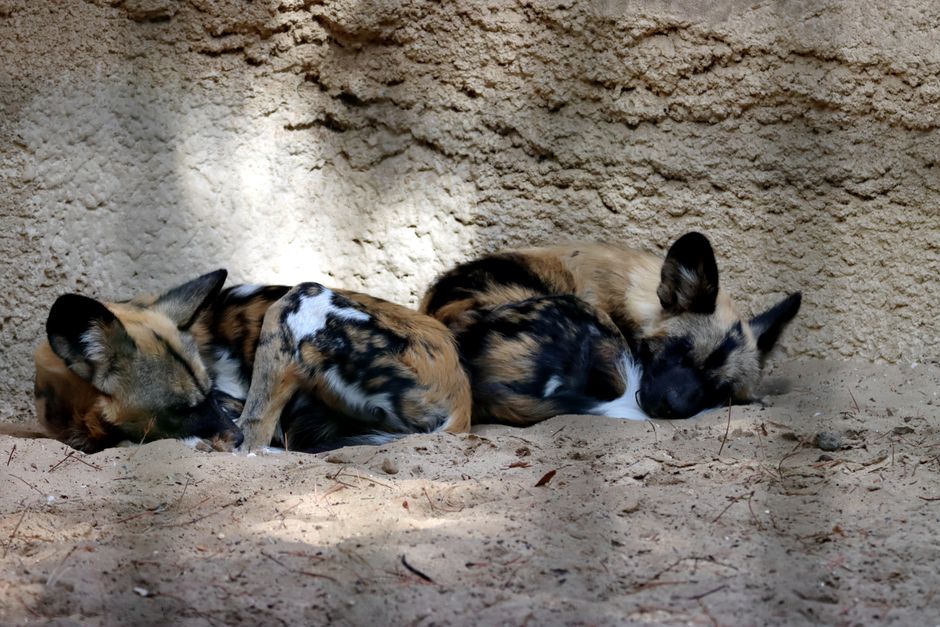
If you're planning an African wild dog safari in Botswana’s Okavango and Moremi, you know small decisions can make or break the experience. This guide covers where to go, when to travel, which camps support dedicated wild-dog tracking, and how to plan wildlife-first viewing days around den movements.
Wild dogs are not like the “guaranteed sightings” animals. Their routines shift with prey, weather, and pup-rearing demands, so planning is about flexibility, respect, and getting the timing right. The best safari days balance early, pack-warm drives with calm, ethical watching when the pack appears.
Below is a practical way to plan your route and your day-to-day rhythm in Botswana’s Okavango Delta and Moremi Game Reserve, with den etiquette and safety built in from the start.
Understanding Wild Dogs Before You Go

Why dens change the whole safari rhythm
Denning is the stage when packs are most focused on raising pups and most dependent on a reliable patch of habitat. Even when you do not see pups, dens shape where adult dogs spend time—how long they stay close together, how often they pause, and how frequently they return to shelter.
For you, that means the “best sighting window” is rarely fixed. Instead, it comes from understanding that a pack will move, forage, and then come back to the areas associated with pup rearing. When guides are monitoring den movements, they can help you position responsibly without turning a wildlife event into a disturbance.
How tracking differs from chasing
Wild-dog tracking on safari is not about driving hard to force an encounter. It’s about reading signs—recent spoor, scent, and changes in movement direction—then using radio updates (where available) and careful positioning.
A well-run tracking programme prioritises restraint: vehicles stop at respectful distances, engines are managed, and the team does not crowd the line of travel. That approach protects the pack’s stress levels and reduces the risk of habituation to vehicles.
What to realistically expect during pup-rearing
During den and pup-rearing periods, sightings can include short bursts of activity: adults moving between feeding and den-related areas, occasional regrouping calls, and sudden pauses when the pack senses movement.
Some days may feel “quiet” until the moment the pack appears. That is normal. The more your plan supports patient watching and early starts, the more likely you are to catch den-linked behaviour without pushing the animals.
Where to Find Them: Okavango Delta, Moremi, and Khwai
Target landscapes inside the Okavango Delta
In Botswana, African wild dogs are often seen in mosaics of floodplain, channel systems, and woodland edges where prey is accessible. In the Okavango Delta, seasonal water levels influence where herds graze and where predators can move.
That matters for your planning because the best wild-dog area is partly a function of current conditions, not just map geography. A tracking-focused operator will adjust within their concession boundaries instead of expecting a single “always productive” location.
Moremi’s role in a den-focused itinerary
Moremi Game Reserve is widely associated with strong predator viewing because it offers varied habitat and active predator movement routes. When wild dog tracking is operating in the north and central parts of the reserve system, guides often build sightings around what the pack is doing that day.
If you want den-linked moments, ask specifically how tracking teams coordinate around den movements and how they decide when to move versus when to wait.
Khwai: a practical corridor for pack movement
The Khwai area is frequently relevant for predator sightings because it sits in a broader wildlife movement system connected to the delta. For den-focused safaris, Khwai can be valuable when packs use routes that bring them back toward pup-rearing shelter.
When you’re building your plan, think in corridors and timing blocks rather than expecting one perfect spot for the entire stay.
Camps that commonly support dedicated wild-dog tracking
Camp operations vary year to year, but the following are examples of camps located in or near key wild-dog viewing areas where tracking is often part of the guest experience. Confirm details for your travel dates with the specific camp before you commit.
- Okavango Delta and Moremi-linked concessions: Many dedicated tracking efforts take place from within reserve or concession areas that can be repositioned as the pack moves.
- Xakanaxa Camp (Moremi Game Reserve area): Often used as a base for wider Moremi predator activity.
- Meno a Kwena (Moremi area): A common base for guests targeting predators, including wild dogs when conditions align.
- Khwai River Lodge (Khwai area): Located in a region where packs and other predators can be monitored in relation to movement routes.
When to Go and How to Plan Days Around Den Movements
Seasonal timing: aim for flexibility, not certainty
Wild dog pup-rearing timing can shift with rainfall and prey availability, so it’s safer to plan around “periods” rather than assume exact den weeks. Many travellers aim for the dry-to-wet transition and subsequent months because conditions often affect both prey movement and the feasibility of accessing key habitat.
What matters most is asking two questions:
- When is denning actively monitored right now for the pack you’d like to see?
- How does your guide manage vehicle positioning when the pack returns to den areas?
A reliable camp will talk about current conditions and tracking updates rather than promising a fixed den schedule.
Build wildlife-first viewing blocks
To see den-linked behaviour, structure your days so you can move quickly when tracking updates call for a change, but also so you don’t wear out the team and your own comfort.
A practical approach is to design your itinerary around two main wildlife-first blocks (rather than stacking many short drives). For example:
- Early drive: Use the morning when animals are more likely to be moving and when the landscape is calmer.
- Midday reset: Return for rest, hydration, and a temperature change so your viewing quality stays high.
- Late-afternoon follow-up: Use the cooler hours for renewed searching and watching.
Then add built-in flexibility time. Wild dogs can change direction, regroup, or pause unexpectedly. The more rigid your schedule, the more likely you’ll force your team to choose between “staying comfortable” and “staying present.”
Plan for pack-warm layers on early drives
Even in warmer months, dawn can feel cold in the Okavango and Moremi, and your comfort directly affects how long you can focus. Dress like you’ll be sitting or standing quietly for extended periods, often in shaded areas.
Bring layers you can adjust quickly, including:
- A warm base layer (or thermal top) you can wear against your skin
- A mid-layer (fleece or light insulated jacket)
- A windproof outer layer
- Gloves and a beanie/hat for early starts
- Closed-toe shoes you can keep dust- and dirt-ready
The goal is simple: stay warm enough that you’re not distracted, while still able to remove layers when the drive is moving.
What Your Wild Dog Day Can Look Like (Etiquette Included)
Morning searching: spoor, angles, and quiet anticipation
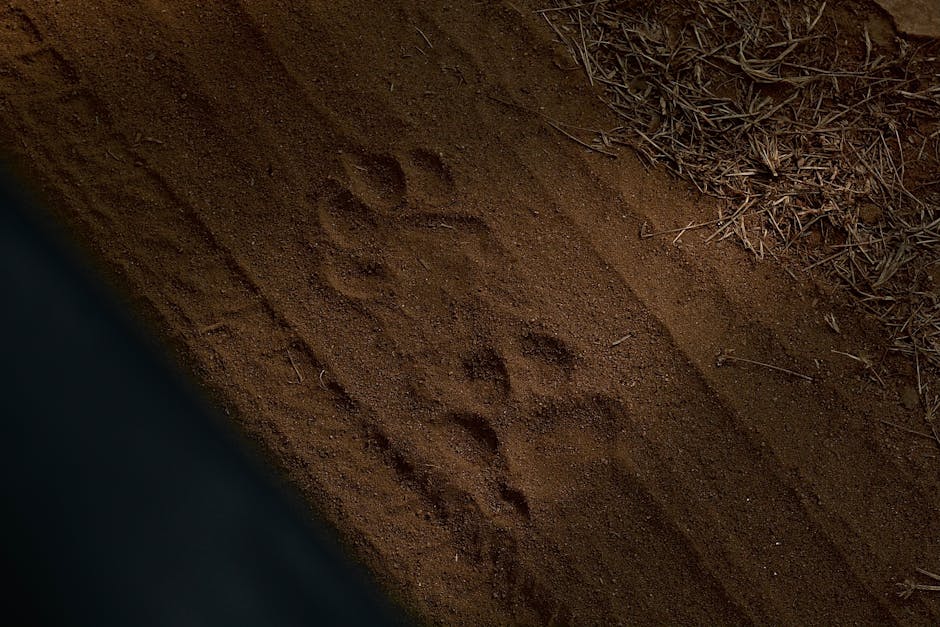
On tracking days, the morning is often about discovering recent signs and aligning your position with likely movement routes. Guides may pause to confirm the freshness of spoor or listen for cues from the pack.
For you, the key is to match the team’s pace. Sudden movements, loud conversations, and scanning too fast can interrupt attention. When the guide calls a change in direction, react calmly and follow instructions about vehicle positioning.
Den-edge watching: keep distance and reduce disturbance
When wild dogs move near den-related areas, the temptation is to chase closer for a better view. That is precisely what can cause problems—more stress for the pack, greater disruption of pup-rearing routines, and higher risk of accidents.
Instead:
- Stay where your guide places you and resist leaning forward or standing in ways that block sightlines.
- Keep noise low and avoid flash photography.
- Understand that “less time at closer range” is often better than “more time at an uncomfortable distance.”
A good tracking operator makes den-edge viewing feel controlled: vehicles manage spacing, engines are treated as noise, and the team watches behaviour rather than trying to “make” an encounter happen.
Comfort and sightlines: how to watch well without crowding
Wild dog sightings can shift quickly. Maintaining good sightlines is about body position and preparation, not about rushing.
Wear comfortable layers so you can sit still and watch for regrouping behaviour. If the vehicle stops at a viewing point, treat it as a viewing platform: keep your hands inside, avoid blocking the driver’s mirrors, and let the guide manage where others should look.
If the pack moves away and the team relocates, follow movement instructions promptly and quietly. Watching is a shared activity in the same habitat, and your behaviour influences the overall safety of the vehicle and the calm of the wildlife.
Responsible Safaris: Safety, Welfare, and Community Respect
Viewing rules that protect the pack
Wild dogs are sensitive to disturbance, and vehicle behaviour can increase stress. A responsible operator follows strict viewing principles, typically including respectful distances, controlled engine use, and a cap on how long you watch at one spot.
When you’re briefed at camp, treat the viewing rules as part of the experience. They protect the pack and also protect you, because predictable behaviour reduces the chance of risky manoeuvres.
Biosecurity and disease-awareness basics
Predators can carry and spread diseases, and human activity can unintentionally introduce pathogens across landscapes. While you’re on safari, follow hygiene routines your camp provides, especially around footwear and vehicle surfaces.
If you’re given boot-cleaning steps or asked to handle gear carefully, do it consistently. It’s a small discipline that supports conservation and reduces cross-contamination risks in sensitive habitats.
Respect the people who protect the landscape
Wild dog conservation in Botswana depends on local knowledge, anti-poaching awareness, and community involvement around wildlife corridors. Your safari should reflect that reality.
That means listening to guides, respecting boundaries near community areas, and choosing responsible partners who integrate local stewardship rather than treating the landscape like a stage.
It’s also why transparency matters: ask camps how they work within their operating areas, what training their guides receive, and how they coordinate tracking to avoid conflict with both wildlife and people.
Overall, the best wild dog safari in Botswana’s Okavango Delta and Moremi is built around den-aware flexibility: choose areas with active tracking, travel during periods when pup-rearing is most likely to be underway, pack warm layers for early drives, and trust your guide’s etiquette-led positioning when the pack returns to its den-related routine.
Leave a Reply