If you're planning a safari trip, you might be wondering how you can make your experience more sustainable.
Before you trade city streets for game-viewing roads, Addis Ababa offers a powerful, practical reset: learn local history in museums, watch (and taste) an Ethiopian coffee ceremony, and spend time with artisans rather than just browsing souvenirs. This guide helps you choose experiences that are genuinely local, ethically run, and comfortable to fit into pre-safari days.
The focus is on hands-on cultural stops you can slot in before travelling onward to safari country, with clear guidance on how to do them well and how to protect community dignity, wildlife, and your own safety.
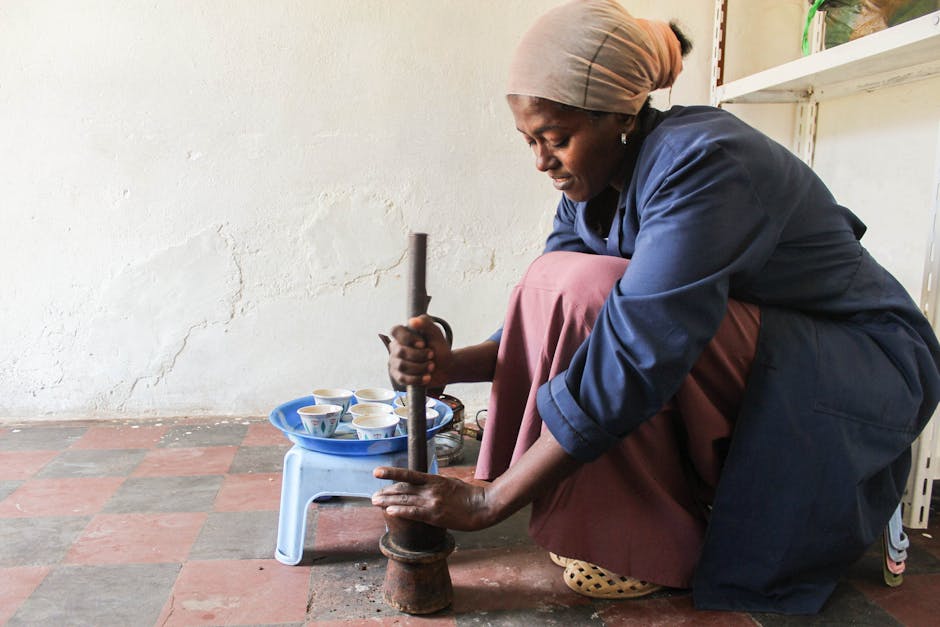
Start With Ethiopian Coffee Culture and Everyday Traditions

For a best experience, look for a host who explains each stage and invites questions, rather than a performance designed only for quick photos. Ask what you should do when the cups are passed, and wait for cues before you move, sip, or take close-up pictures of people. If you have dietary needs, mention them early so you can participate without pressure.
Learn local food rhythms without rushing
If your schedule allows, add an Ethiopian cooking or injera-making experience as a pre-safari day anchor. Injera is central to everyday meals, and learning how it is served and shared helps you understand table etiquette quickly when you eat later, whether in Addis or on the road to safari.
A respectful approach is to keep your role simple: follow the host’s instructions, wash hands when invited, and treat the shared meal as something community members have prepared for guests, not as an entertainment set.
Browse Mercato for crafts, spices, and real city life
Mercato is one of Addis Ababa’s best-known marketplaces, and it can be a cultural stop that goes beyond shopping. Used well, it’s a chance to see how people trade, taste spices, and talk about everyday crafts.
To keep it safe and respectful, go with a knowledgeable guide (or at least someone local who understands the area), plan your route before you arrive, and agree on what you’re looking for. If you want to photograph vendors or artisans, ask first and keep your camera low until permission is clear. Avoid accepting “help” that you did not request, especially if someone tries to steer you into very specific sales areas.
Leave a Reply