Category: Photography Tips
-

Telephoto Lens Choices for Safari Digiscoping and Birding in South Africa
Choosing the right telephoto lens for safari digiscoping is about more than reach. This guide walks you through focal length, spotting-scope compatibility, and practical camera settings for heat haze and low-light hides in South Africa.
-

Digiscoping Camera Settings for Safari Hides and Boardwalks: Match Shutter Speed, AF, and Stabilisation
Digiscoping through safari hides and boardwalk viewpoints demands fast, stable camera settings that suit dim shade, backlight, and sudden motion. Here’s a practical guide to shutter speed, ISO/exposure control, stabilization, and autofocus so your wildlife images stay sharp and respectful.
-
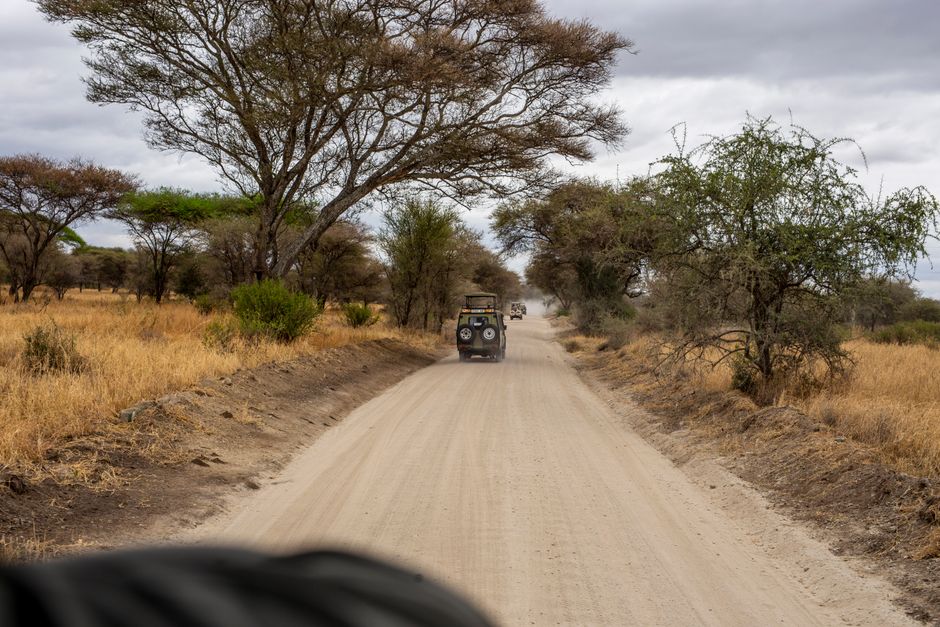
Dusty Savanna Wildlife Photography: Keep Sharp Focus
Dust and haze can turn crisp wildlife moments into soft, low-contrast frames. Learn lens-housing habits, focus strategy, cleaning routines, and exposure tweaks to stay sharp in dusty savanna conditions.
-

Spotting Scopes for Safari and Distant Birding: How to Choose and Use One
Learn how to pick the right magnification and objective size, set up a stable tripod or monopod, and align the scope with your eyes or camera. Then sharpen field techniques to cut heat shimmer and glare while keeping wildlife viewing respectful and safe.
-

Best Camera Lenses for Wildlife Safaris in Africa: What to Pack With One Lens
Choosing the right lens on safari is mostly about focal length and how fast you can track moving wildlife. Here’s a practical guide for big cats, birds, and long-range waterhole scenes, plus a one-lens decision for travel light.
-
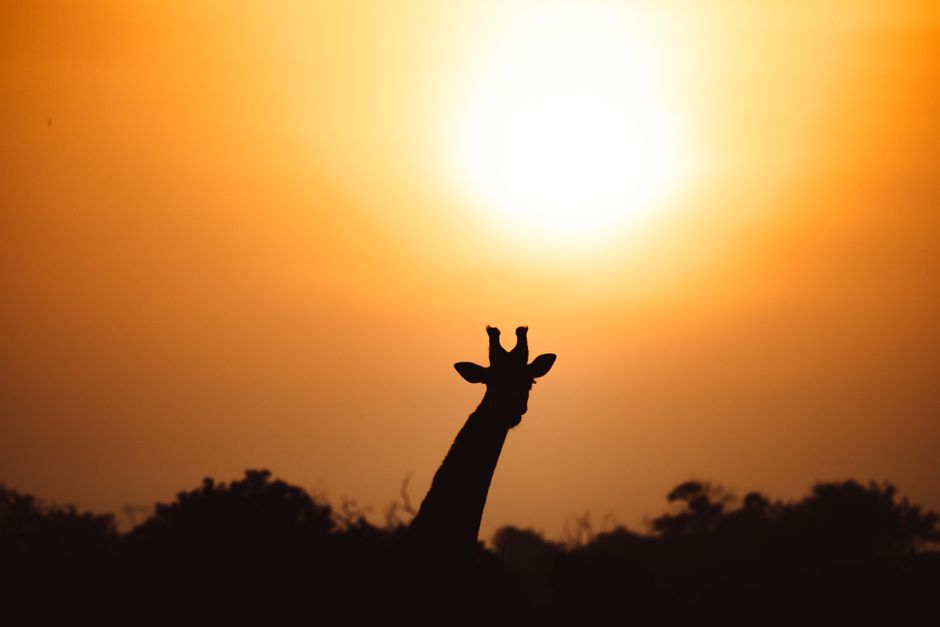
Dawn And Dusk Wildlife Photography: Exposure Without Harsh Contrast
Dawn and dusk can be magical for safari photos, but the low sun angle often creates harsh contrast and blown highlights. Learn metering and exposure basics, plus practical field settings to keep detail in both shadows and highlights.
-

Night-Time Big Cat Photography Without Flash: Settings, Low Light, and Safety
Photographing lions, leopards, and cheetahs after dark is possible without flash if you expose for action, focus confidently, and use the limited light from the safari vehicle and the environment. This guide walks you through practical camera settings and night-drive behavior.
-

Leopard Photography in Dense Bush: Sharp Focus in Low Light
Photographing leopards through tangled foliage is a focus-and-light challenge, but it’s manageable. Learn practical camera settings and field techniques to keep your images sharp as the cat moves and turns its head.
-
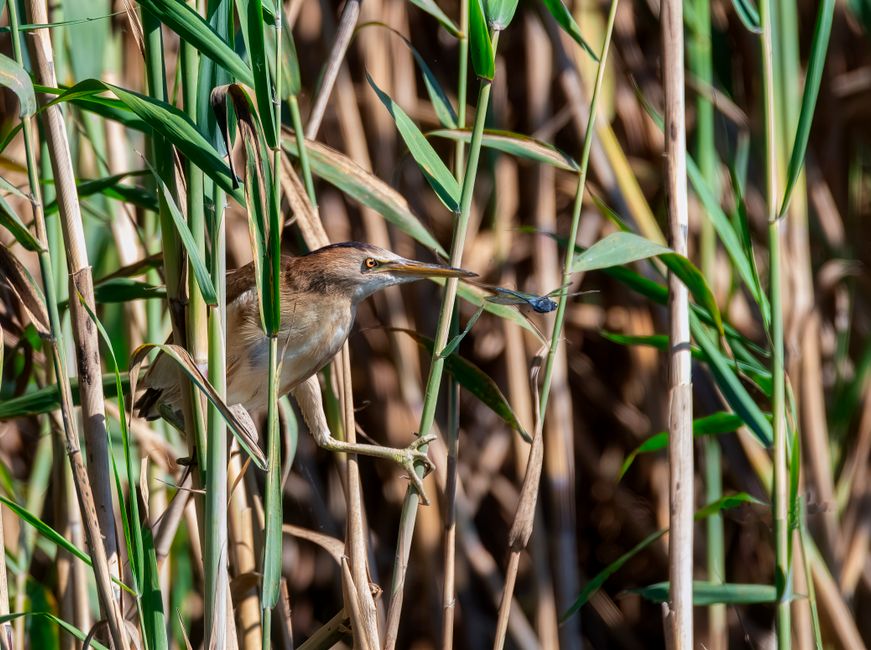
Safari Hide And Blind Etiquette: Filming Wetland Birds Without Disturbance
Learn dos and don’ts for filming and photographing birds from safari hides and blinds in African wetlands. Focus is on noise, movement, timing, and lens handling for waders, herons, and roosting raptors.
-

Wildlife Photography Through Safari Vehicle Windows: Glare-Free Techniques
Photograph wildlife from inside your safari vehicle while reducing window glare with smarter positioning, realistic camera settings, and timing shots to the vehicle’s movement.