
If you’re a birding enthusiast, then you know that Africa is a paradise for birdwatching.
When that birding happens from Uganda’s shores on Lake Victoria, the results can be especially rewarding: African fish eagles often perch and hunt over open water, while herons probe shallows and edges for food. This guide shows you where to go, when to go, and how to set up for repeatable, shore-based sightings.
You’ll find curated hotspots across the lake’s main Uganda-side viewing zones, along with what to pack so you can repeat the same routine and build real confidence in what you’re seeing.
Lake Victoria Shore Hotspots for Fish Eagles and Herons

What makes these birds easier from shore
African fish eagles tend to use prominent perches and tall dead trees along the shoreline, so you can often spot them first as silhouettes against the sky or as they launch low over water. Herons are more methodical: they feed at the waterline, in papyrus edges, and along sheltered bays where fish and invertebrates are easier to catch.
Because both bird groups connect strongly to food-rich shorelines, your best results come from staying near (but not crowding) the places where the lake meets vegetation, fishing activity, and sheltered shallows.
Curated Uganda-side viewpoints by shore access
Below are reliable, shore-based starting points. Each works best when you can pause long enough to let birds settle and begin foraging.
- Mabamba Bay (Entebbe area): papyrus-lined inlets and calm edges are ideal for patience watching; mornings are often productive.
- Entebbe waterfront and Kigungu shoreline: scan from stable land vantage points over the open water and across sheltered margins.
- Ggaba Landing (Kampala shoreline): busy lake-edge zones can attract both fish eagles and herons, especially when fish are near the surface.
- Bukakata Landing (Mukono side): look for heron feeding along shallows and for fish eagles that perch and sweep over the water.
- Jinja waterfront and the Nile outlet area: the meeting of lake and outflow can concentrate activity; plan for early and late sessions.
- Ssese Islands (Bugala Island shores, Kalangala): calmer bays and island edges often support steady heron foraging.
- Sango Bay (Masaka–Kalungu lakeshore): open-water views plus shoreline margins make it a strong all-rounder.
Typical activity times you can plan around
For repeatable viewing, build your day around two “birding windows” plus a flexible middle period:
- Early morning (about sunrise to mid-morning): fish eagles may be active in perching and hunting, and herons often start foraging in light, calm conditions.
- Late afternoon (about 2–3 hours before sunset): activity can shift again toward hunting and movement over open water.
- Midday (short, targeted checks): heat shimmer can reduce visibility, but the birds that are already settled near shoreline edges may still be visible if you’re positioned well and wait.
How to Set Up for Repeatable Shore-Based Sightings
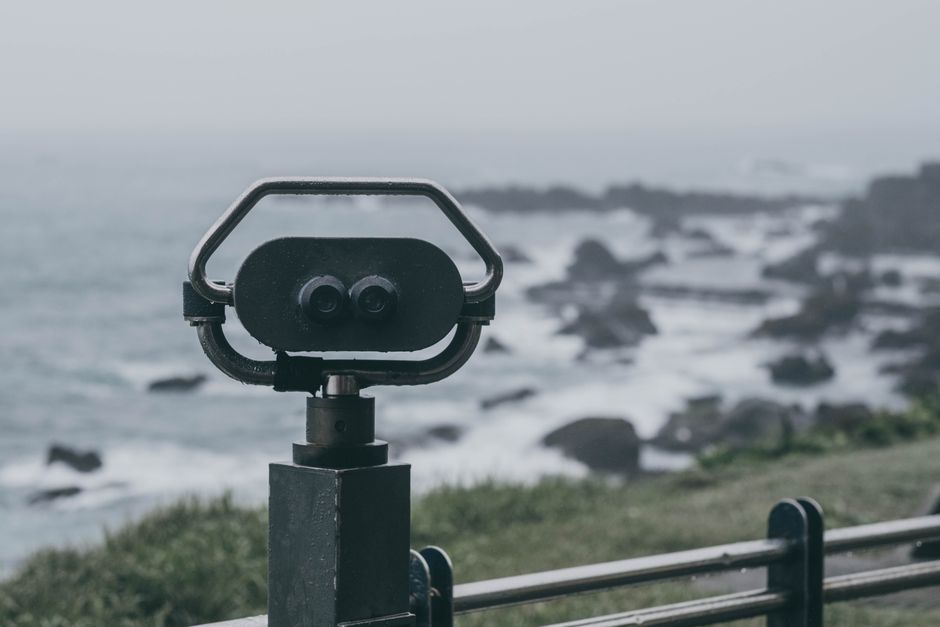
A simple routine that keeps your sightings consistent
A consistent routine helps you compare days and learn what the local birds do. Start with a broad scan, then narrow down:
- Before you zoom in: scan water and shoreline edges for movement and perching positions.
- After you find a target zone: keep your binoculars steady on the same sector for 10–20 minutes, even if there’s no immediate action.
- When a bird moves: track its route rather than only its body. Fish eagles often fly between perches and hunting stretches; herons may walk slowly along the edge.
If you’re visiting a hotspot more than once, try to arrive at roughly the same time of day so you’re matching bird behavior rather than luck.
Binocular and camera focus tips for ID confidence
From shore, African fish eagles may be far enough that you’re working with silhouettes and motion. Herons may appear as dark, upright shapes against pale water, with long necks and still-feeding posture.
To improve identification confidence without stressing birds:
- Use binoculars first to locate and confirm posture and direction of flight.
- If you photograph, favor bursts during predictable moments (takeoff, wing stretch, landing) rather than constant shooting.
- When perched birds are distant, avoid stepping closer unless you can do it without blocking shore access or forcing birds to relocate.
What to pack for these shore stops
A repeatable “shore kit” prevents last-minute improvisation when you’re waiting for birds to resume feeding or hunting.
- Binoculars (8x–10x is a common comfortable range)
- Optional scope (helpful for far perches over open water)
- Lens cloth and a small dry bag (shore humidity and dust happen)
- Sunscreen, hat, and sunglasses
- Insect repellent (especially near papyrus and calmer edges)
- Water and a simple snack (long waits are part of the process)
- Field guide or offline bird notes on your phone
- Lightweight chair or foldable seat for steady scanning
What to Look For at Each Lake Victoria Hotspot

Mabamba Bay and Entebbe waterfront
At Mabamba Bay, focus on sheltered margins and papyrus edges where herons can feed with minimal exposure. If fish eagles are present, watch for perches that sit slightly above the shoreline line; they often patrol low over the water before returning to a viewpoint.
Around the Entebbe waterfront and Kigungu shoreline, keep an eye on open-water sightlines. Fish eagles may be easier to detect in the sky’s contrast, while herons often show up as slow, deliberate movement near the waterline.
A good technique here is “scan, pause, confirm”: scan wider for 30–60 seconds, pause, then confirm with binoculars for posture and flight direction.
Ggaba and Bukakata landing areas
At Ggaba Landing, fishing activity can change how birds use the shoreline. Fish eagles may cruise and dive if they sense accessible prey, and herons may linger where shallow water meets shore structure.
At Bukakata Landing, prioritize shallow edges and any margin where the water looks calmer. Herons are often easiest when you can see the bird’s feeding rhythm—standing, then a brief forward strike—rather than only its shape at a distance.
Both locations reward patience more than “rushing between spots.” If you move, move with purpose: relocate when birds fly away for several minutes or when your viewing angle becomes blocked.
Jinja, Ssese Islands, and Sango Bay
In the Jinja waterfront and Nile outlet area, activity can intensify because lake and outflow influence where food gathers. Plan for early and late sessions, and watch the water surface for movement that draws birds toward a particular stretch.
On Ssese Islands (Bugala Island shores, Kalangala), settle into bays where the shoreline is less exposed. Herons can work the same margin repeatedly, so your job is to identify the most productive edge and keep watching.
At Sango Bay, use the combination of open-water views and shoreline margins. Fish eagles tend to show well when light is on your side of the water; herons tend to be most noticeable when the edge is visible at ground level and you can track their slow foraging steps.
Respect, Safety, and Conservation on Lake Victoria

Keep distance from nests, feeding birds, and fishing zones
Good birding is also good wildlife welfare. If a bird changes posture repeatedly because you’re too close, that’s your signal to increase distance. For herons, avoid crowding the shoreline edge where they may be feeding; for fish eagles, don’t force frequent takeoffs that interrupt hunting.
Whenever possible:
- Choose stable vantage points that don’t require stepping into vegetation.
- Keep boat and fishing lines in mind. Birds may react to sudden motion around people.
- Give local residents space to work. Respectful birding and working waterfronts can coexist when the priority stays on people’s routines.
Water safety and personal comfort
Lake shorelines can be uneven, slippery, and busy. Safe viewing is part of enjoying the experience and returning with everything intact.
- Wear closed shoes with good grip.
- Keep a firm distance from the waterline, especially near boat landings.
- Stay aware of traffic and boats moving close to shore.
- Bring water and take shade breaks if you’re there during strong sun.
Conservation-minded behavior that helps birds thrive
Your presence should never become a disturbance factor. The most conservation-positive behavior is usually also the most enjoyable: wait quietly, reduce unnecessary movement, and avoid handling or attracting wildlife.
If you’re photographing, remember that an endless stream of flash or constant repositioning can lead to birds moving away from feeding areas. Let birds come to their natural rhythm. When you do pack out, pack out everything, including small items like tissues and wipes.
Planning Your Uganda Lake Victoria Birding Trip
When to go for steady sightings
Bird activity follows daily patterns, but seasonal changes can affect visibility and shoreline conditions. For the best chance of repeatable sightings, plan around periods when shoreline edges are accessible and daylight is comfortable for long viewing sessions.
In practice, many birders find that drier, clearer stretches of weather make shore scanning easier, while wetter periods can limit access to some landings but may bring birds closer to the few visible edges.
How long to stay at each stop
Short “drive-bys” make it hard to see feeding cycles. A practical approach is to treat each hotspot as a session:
- Plan on at least 1–2 hours to allow birds to settle and repeat hunting or feeding behavior.
- If birds are active and you’re gaining sightings, extend the session rather than immediately changing location.
- If conditions are poor (heavy wind, extreme glare, or crowded shore access), switch early to a more comfortable angle.
Using local guidance without overcrowding birds
Local knowledge can help you choose safe shore access and avoid areas where birds are easily disturbed. A respectful approach means letting people guide your route while you keep viewing quiet and patient.
For practical planning of where to stay near the lake while you rotate shore stops, Booking.com can be useful for finding accommodation options in the main lake-access towns.
By following these shore-focused habits and respectful distances, you’ll turn Lake Victoria into a reliable birding circuit. Prioritise the same two daily windows, revisit the same shoreline edges when possible, and let African fish eagles and herons show their behavior naturally. That repeatable approach is what turns “seeing birds” into dependable, shore-based wildlife viewing.
Leave a Reply