
If you're planning a boat trip for manta rays and dolphins in the Bijagos Islands, then you know that responsible wildlife viewing makes all the difference. This guide walks you through what to look for before you board, how to judge behaviour during the trip, and how to choose an operator that genuinely monitors wildlife welfare.
You will also see how good practices connect directly to the wildlife you came to watch, from mantas circling near the surface to dolphins approaching a quiet, steady vessel. The goal is simple: better sightings for you, with less disturbance for the animals and respect for local communities.
What Responsible Manta and Dolphin Trips Look Like in the Bijagos
Know the protected-water context
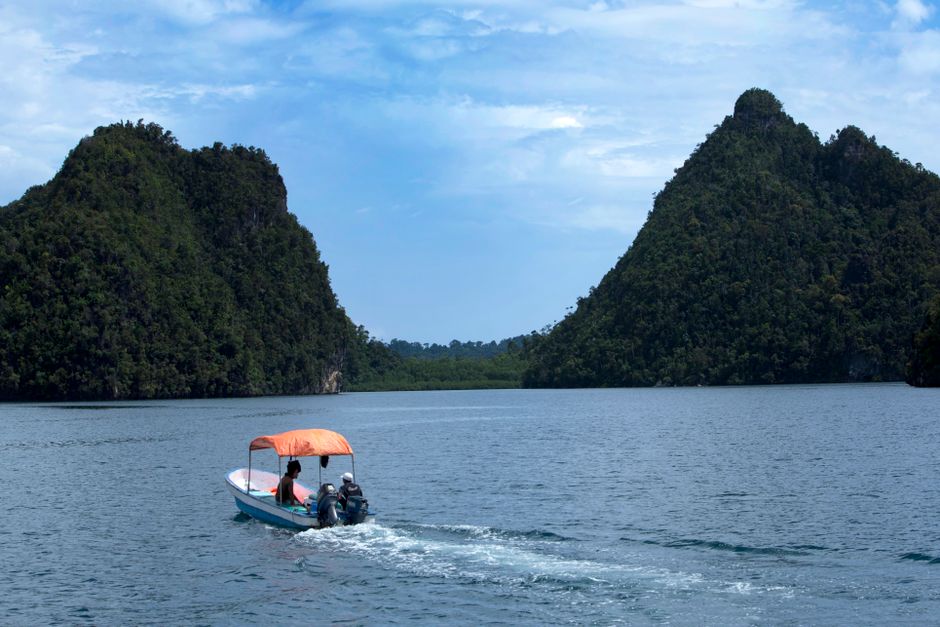
The Bijagos Islands (Guinea-Bissau) are made up of islands, channels, mangroves and sheltered bays that support rich marine life. Responsible operators plan trips with local rules and seasonal realities in mind, especially when boating near protected areas such as the Bijagos Archipelago, Orango National Park and the Bolama–Bijagos Biosphere Reserve.
If an operator cannot explain where they operate and why that area is appropriate for the encounter, that is a caution sign. A responsible trip is not just “where the animals are today”; it is also “where the animals can continue to use the habitat tomorrow.”
Match boat style to the encounter
Manta rays and dolphins often respond quickly to sound, speed and water turbulence. In the Bijagos, responsible trips generally rely on patience (tracking movements, maintaining a steady approach), rather than forcing an interaction.
Look for a boat setup and crew method that supports low disturbance: calm driving, controlled positioning, and a willingness to let animals decide how close they come. That choice matters because mantas can be sensitive to repeated circling, and dolphins may change direction or abandon an area if a vessel repeatedly closes distance.
Distance, Approach, and On-Water Behaviour Rules
Manta ray encounters: how to keep space
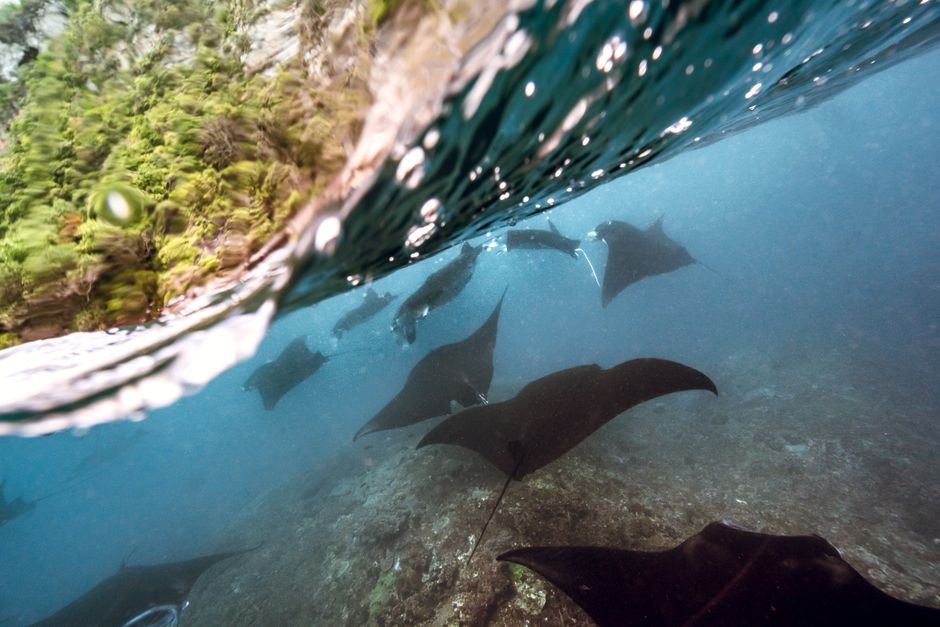
For mantas (often referred to as Mobula spp. in the field), the most responsible operators prioritise non-contact viewing and avoid “chasing” animals from one side of the channel to the other. Your best trips typically follow the animals’ pace, using drift or slow, minimal changes in direction.
Practical criteria you can request (and watch for) include:
- Maintain a clear, consistent viewing distance and reduce speed well before getting close.
- Avoid blocking the manta’s line of travel; keep the vessel positioned so the animal has an easy exit route.
- No touching, no guiding someone to swim into a manta’s path, and no feeding.
- If snorkeling or swimming is offered, swimmers should enter only when the guide can manage safe spacing and stop activities if the manta’s behaviour changes.
These rules connect to what you are likely to see: calm surface circling, smooth breathing/feeding rhythms, and the ability of the manta to move away without repeated interruptions.
Dolphins: pace, positioning, and no-chase tactics
With dolphins, “responsible” is often less about distance numbers and more about behaviour. A good operator aims for stable, respectful viewing rather than attempting to bring dolphins toward the bow.
Watch how the vessel interacts with the pod. Responsible operators typically:
- Approach slowly and avoid sudden turns that compress the group.
- Do not crowd dolphins into shallow areas or between the boat and a shoreline.
- Avoid blocking; keep a side-on viewing position that lets dolphins leave whenever they want.
- Stop tracking or reduce disturbance if dolphins show avoidance, rapid changes in heading, or a drop in social behaviour.
A common wildlife encounter pattern is dolphins surfacing near the boat and then deciding whether to stay. Your cue for responsibility is whether the crew treats that decision as something to respect, not something to control.
Common red flags to watch for
Even without perfect knowledge of marine biology, you can often spot poor practices quickly. Red flags include operators running at high speed toward “confirmed” sightings, repeated circling in tight loops, encouraging passengers to stand where they lean over water, or ignoring changing animal behaviour.
Other warning signs: conflicting instructions about entering the water, no mention of wildlife welfare, and a crew that looks more interested in “keeping everyone watching” than in maintaining a low-disturbance approach.
Operator Monitoring and Transparency: The Green Flags

Local knowledge and a clear pre-trip briefing
Responsible crews usually start with more than where the trip begins. They explain expected conditions, the type of wildlife likely to be encountered, and what they will do if animals are not behaving as expected.
Listen for a briefing that covers:
- how the crew searches (and when they stop searching),
- how they decide approach direction,
- and what behaviour change triggers a pause or withdrawal.
If the operator speaks in generalities only, or tells you not to worry about distance or animal reactions, that is not aligned with responsible viewing.
In-water guides and swimmer limits
If your trip includes swimming or snorkeling, the welfare standard should be higher, not lower. A credible operator manages swimmer numbers and spacing so animals are not surrounded.
Look for policies such as:
- qualified guidance (not just a “spotter” who points),
- clear stop rules if mantas or dolphins become tense or change direction rapidly,
- and a safety plan for currents, boat traffic and emergencies.
Even when the water seems calm, mantas and dolphins can move quickly and unpredictably. Good guiding keeps the water experience safe for people and non-invasive for wildlife.
Records, permits, and accountability
In the Bijagos, responsibility also means doing the basics correctly: operating legally in relevant waters, using permitted guides/boats where required, and ensuring the trip is accountable to local systems.
You do not need technical paperwork in your hands to judge this. You can simply ask direct questions:
- Who is responsible for the trip?
- Do they track sightings and behaviour changes?
- How do they handle reports of disturbance or near-misses?
A professional operator expects wildlife encounters to be dynamic and treats monitoring as part of the job, not as an optional extra.
How to Judge a Trip Once You're On Board

Use the 10-minute observation window
Before anyone settles into “this is going to be amazing,” observe. In the first 10 minutes, you can learn a lot about how the crew manages wildlife.
Ask yourself:
- Is the boat calm and controlled, or does it accelerate and swing sharply?
- Does the crew slow down early and maintain a stable position?
- Do they give passengers clear instructions about staying seated and not interfering with the water?
Good signs are consistent: steady driving, quiet communication, and a crew that watches animal behaviour as much as it watches the clock.
Handling refusals: what 'no' should sound like
Responsible operators will refuse certain requests, even from excited guests. If the crew prevents risky behaviour (too many swimmers, standing on unstable surfaces, swimming without proper spacing), that is usually a positive sign.
A responsible approach also means knowing when to stop. If mantas or dolphins move away, or if the crew keeps backing off whenever animals change behaviour, that is the standard to look for.
If instead the crew pressures guests to get closer, insists that “nothing can bother them,” or continues circling even as animals show avoidance, choose a different operator next time.
Respect for other wildlife and habitats
Manta rays and dolphins share the marine environment with other life and sensitive habitats, including birds along shorelines and the complex edges of mangroves and channels. Poor navigation can harm more than the target animals.
A responsible crew typically manages wake and anchor practices and avoids unnecessary disturbance near shorelines, nesting areas, or areas where small creatures concentrate. For your trip, this usually looks like gentle boating and a calm, deliberate approach rather than “maximum chase for maximum viewing.”
Safety also fits here. Watch whether the crew provides life jackets, sets sensible passenger positions, and follows a practical plan for returning through channels when light changes.
Planning Your Responsible Trip: Timing, Logistics, and Booking Checks
When conditions help (and when to pause)
Wildlife viewing quality in the Bijagos depends heavily on water conditions: wind, swell, visibility and current. Responsible operators adapt to conditions rather than forcing it.
Ask what happens if wildlife is present but conditions are unsafe for swimming, or if the sea state makes a calm approach impossible. A responsible trip may shorten, reschedule, or stay on the boat rather than increase risk.
Where trips usually run in the islands
Most manta and dolphin trips are organised around coastal channels and sheltered waters where boats can track movement and maintain a controlled approach. Your aim is to confirm that the operator operates in the right areas and understands local routes, tides and access points.
While you do not need to memorise maps, you should be able to ask:
- Are sightings more common in particular channels or near certain islands?
- How do you plan to avoid crowding the same spots repeatedly?
If the operator answers with specific, realistic local context (rather than vague claims), that is a good sign of monitoring and planning.
Questions to ask before paying
Before you commit, use these criteria to separate responsible boats from “wildlife in name only.” If the operator cannot answer clearly, it is reasonable to walk away.
- What is your planned approach method (speed, distance, and how you position the boat)?
- How do you decide when to stop approaching if animals change behaviour?
- Do you allow feeding, touching, or encouraging guests to swim into the animals’ path?
- If swimming is offered, how many swimmers go in at once and who manages spacing?
- Where will the trip operate in relation to protected areas (for example, Orango National Park or the Bijagos Archipelago)?
If you are comparing availability and dates, Viator can be a useful place to find operator options and then verify the responsible-watching questions above directly with the crew. The key is that “listed” does not automatically mean “responsible,” so the conversation matters.
By following these criteria, you make it more likely that manta rays and dolphins show natural behaviour while you watch from a respectful distance. You also support operators that treat wildlife monitoring, passenger safety and habitat care as part of the experience, not as an afterthought.
Leave a Reply