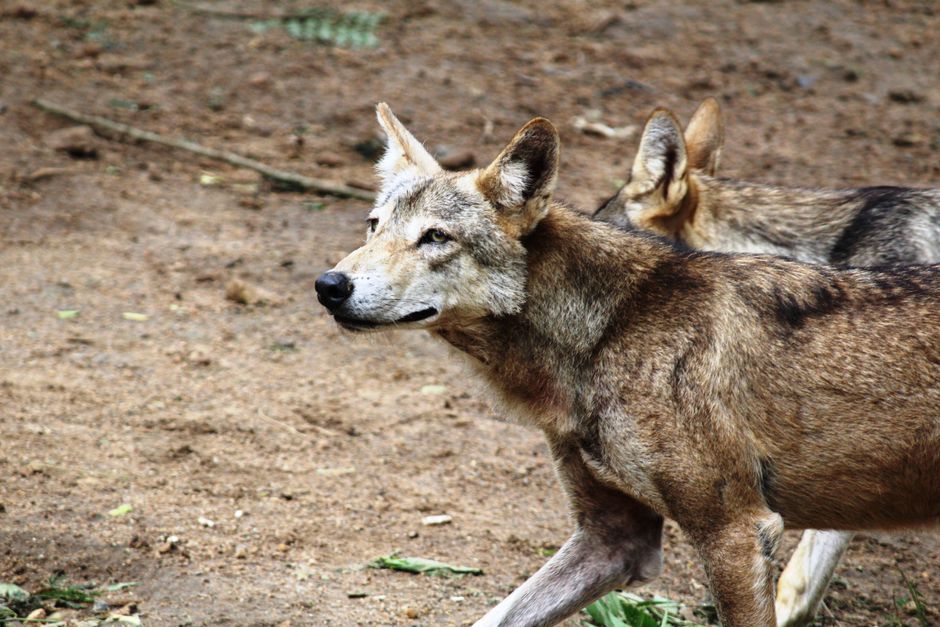
If you're planning Ethiopian wolf trekking and highland birding, then you know Bale Mountains National Park is a destination you’ll plan around the day’s light. This guide helps you choose the best places to stay by road access, then aligns your morning start times with when wolves and endemic highland birds are most active.
You’ll find practical base recommendations for the main entry points into Bale’s wolf country and afroalpine areas, plus how to balance open-plateau mornings with forest birding in the Harenna region. Throughout, the focus stays on safety, low-impact viewing, and respectful distances around wildlife.
Choosing a Base Near Bale Mountains National Park

Goba: the easy road hub
Goba is the most common starting point for travellers driving into Bale Mountains National Park. It’s typically where roads from the wider Ethiopian highlands connect best to local routes, making it a convenient place to arrange transport and park-linked logistics. Staying here works well if you want a comfortable first night (or two) before committing to early, long days in the high country.
For wolf trekking, Goba often acts as a practical staging base. The key is planning enough transfer time so you’re not rushing late into the start window for a morning drive and hike. When schedules are tight, it’s easy for trekking days to slip later than ideal, and wolves (and many birds) respond strongly to how quietly and calmly the hike begins.
For birds, Goba can be a good base if you plan mixed itineraries that include the plateau and forest sectors. That said, it usually means more time spent in vehicles each morning compared with staying closer to the Dinsho direction.
Dinsho: quickest access to wolf country
Dinsho is widely used as a staging point for reaching the Sanetti Plateau and surrounding afroalpine areas where Ethiopian wolves are sought. If wolf trekking is a priority, Dinsho is often the base that best supports an early start without burning the entire morning on driving.
Choose Dinsho especially if your goal includes timing the trek around first light and walking conditions on the high ground. In the Bale Mountains, the difference between “almost on time” and “actually early” can be significant for both wolf viewing opportunities and bird activity.
Even when your main target is wolves, Dinsho also supports highland birding because the afroalpine habitats are part of the same landscape puzzle: open grasslands, rocky patches, and wetlands that change character as temperatures rise.
Adaba and the Harenna side: for forest birds
If you’d like to add forest birding to your trip, staying toward the Adaba side (and planning access into the Harenna region) can make sense. The Harenna landscape is a different world from the afroalpine plateau: denser vegetation, more humidity, and bird communities that favour forest-edge and interior conditions.
This matters for “where to stay” because you’ll get the best results by reducing backtracking. If your itinerary includes forest-based birds in addition to wolves, decide which mornings you want to spend in each habitat type, then choose the base that reduces long, repeated road legs.
Harenna-focused plans also pair naturally with the reality that wolves are tied to specific high-elevation areas and walking routes, while forest birds can still offer strong early-morning activity in their own way.
One practical approach is to check accommodation availability in your chosen staging area using Booking.com and then confirm with your guide or lodge that the local transfer times still allow the earliest trek starts you want.
When to Start: Ethiopian Wolf Treks and Highland Bird Activity

Wolf trekking timing around sunrise
Ethiopian wolves are most realistically encountered during morning hours, often when visibility is clear and the terrain is cool enough for quiet movement. Many trekking teams aim to begin their hike in the period just before or around sunrise, because that’s when conditions are typically calm for both people and wildlife.
Instead of fixating on a single exact clock time, plan around a consistent rule: start early enough to be walking well before the day warms up and before crowds build on approaches. In practical terms, that often means morning starts in the ballpark of 05:30–06:30, adjusted to season, weather, and where you’re staying.
If you’re based in Goba, you’ll usually need to start earlier in the day overall (more time on the road). If you’re based in Dinsho, the morning can be more focused on hiking, and that often makes it easier to keep the trek steady and unhurried.
Afroalpine birds: why early walks matter
Endemic highland birds in the Bale Mountains often respond well to early, cool conditions. Many species are more active and more vocal at first light, and that’s when long views across open grasslands are also at their best.
For birding on the afroalpine plateau areas, a morning start window similar to wolf trekking is common. The difference is that birding can be more flexible within a morning: if weather turns or visibility changes, guides can sometimes adapt routes to follow calling birds and movement across wet grass, tussock, and rocky outcrops.
Aim to begin your birding session early, then allow time for slow scanning and quiet listening. If the day warms quickly, birds may reduce movement during the hottest hours, so a “front-loaded” schedule tends to pay off.
How daylight shifts by season (dry vs rainy)
Bale’s weather can alter travel conditions and trail comfort more than many travellers expect. In wetter periods, roads may become slower, and trails can feel heavier, which affects how early you can realistically begin. In drier periods, the ground may be more passable, but mornings can still be cold and windy.
Rather than planning by date alone, plan by feasibility: confirm your actual transfer times, then work backward from your guide’s recommended start window for wolves. If the forecast suggests rain or low cloud, treat “arrive early” as even more important, because mist can limit both visibility and the ability to track subtle movement.
What to Do From Each Area: Trails, Plateaus and Forest

Sanetti Plateau outings (open-country birding and wolves)
When your itinerary revolves around Ethiopian wolves and the most distinctive highland birds, your days will often orbit around Sanetti Plateau access points. Staying closer to Dinsho generally supports smoother logistics here, because it reduces the time you spend behind the wheel before you ever reach the open-country habitats.
On wolf-focused mornings, the best outcomes typically come from staying patient and consistent: slow travel where appropriate, quiet observation, and close collaboration with the guide and tracker who knows how the terrain and animals move.
On bird-focused mornings, the plateau can deliver strong results when you combine early scanning with careful listening. Many species show themselves briefly rather than remaining in one place, so it helps when the pace is steady and your group maintains enough spacing for others to see and hear.
Dinsho-led morning circuits
Dinsho often works as the launch point for morning circuits that blend trekking and birding. This is a strong fit for travellers who want to see wolves and also spend time looking for highland endemics without constantly changing bases.
Because you’re closer, you can be more flexible about how much time you allocate to the earliest bird activity before or after the wolf trek. The best planning uses the morning’s energy wisely: start early, pause often to observe, and leave buffer time so you’re not rushing through your most productive hours.
Harenna Forest for mixed songbird moments
If you include forest birding, treat it as a separate “mode” of the trip. Harenna mornings can feel fuller and more vocal, but visibility and sightlines are different from the plateau. Your guide may adjust routes to spend more time in listening posts and shorter walk segments rather than covering long distances.
This is also where you’ll appreciate staying near the right access point. When forest time is booked, keeping road days shorter means you can start birding sooner and spend more of the morning actually in habitat.
- Bale Mountains National Park (the overall region for wolves and highland birds)
- Ethiopian wolf trek in the Sanetti highlands
- Afroalpine bird walk on the Sanetti Plateau
- Dawn birding in the Harenna Forest
Viewing Etiquette, Safety and Wildlife Welfare
Keep distance and follow guide spacing
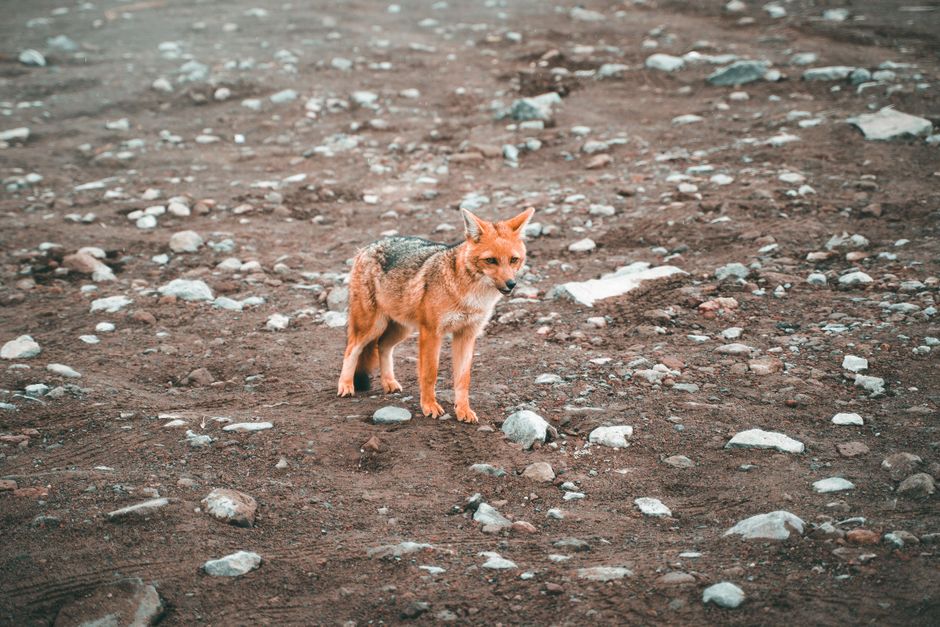
On wolf treks, the most helpful safety habit is to respect the spacing that your guide sets. That spacing protects you from slips and sudden terrain hazards, and it protects wolves from stress caused by crowding. If wolves approach a group, keep your movement minimal; if wolves are distant, avoid the temptation to close in.
For birds, a different kind of respect applies: scan carefully and use optics rather than pushing closer. Some species will tolerate observation at a distance, but repeatedly moving through fragile habitats can damage nesting areas and reduce the chance of re-sight later in the day.
Stay quiet on wolf ground and respect spoor
Wolves are quiet hunters and the ground can make footsteps carry differently than you expect. Keep voices low, silence phones when needed, and follow your guide’s instructions about where to pause and where to move.
Also remember that animal presence isn’t always about what you see. Spoor, tracks, and scent markers can indicate activity even when animals are out of view. A good guide uses that information to shape the walk, while you keep the group calm enough that the animals feel safe.
Reduce impact in fragile afroalpine habitats
Afroalpine areas can be sensitive to trampling, especially around wet patches and grazing zones. That means sticking to established routes, stepping carefully to avoid widening tracks, and never leaving the safety of the group to “just get a better view.”
If you’re combining wolves and birding in a single day, fatigue can make people careless. Plan rest stops, drink water regularly, and keep everyone aware of where the group is walking and why.
Finally, treat your guide’s welfare rules as part of the success plan rather than extra restrictions. Wildlife-focused trips work best when the goal is stable, respectful observation rather than chasing moments.
Planning for Smooth Mornings and Better Birding Results
Plan for vehicle transfers and buffer time
The Bale Mountains itinerary often involves early vehicle departures because the most productive trekking window arrives before the day fully warms. To avoid losing that window, plan buffer time for road variability: delays can come from road conditions, vehicle availability, or changing weather.
A common planning mistake is building the day so tightly that one slow stop forces everyone to rush the hike. Instead, aim for a schedule where reaching your start point is achievable even if the road leg takes longer than expected.
If your accommodation is in a more distant base (often Goba), it’s usually worth shifting your day earlier rather than relying on “on-time” optimism.
Choose guides and permits with clear priorities
Because wolf trekking depends on controlled access and local knowledge, your guide choice matters. Look for operators who can explain their approach to welfare and who plan around morning timing rather than treating the trek as a quick checkbox.
For birds, clarity helps too. Share which endemic highland species matter most and whether you care more about sightings, sound identification, or photographic opportunities. Guides in the Bale Mountains can often tailor routes to target habitats, wet grass edges, and rocky outcrops where birds move.
Pack for altitude, cold mornings and changing weather
Even in the same week, the Bale Mountains can feel dramatically different between early morning chill and warmer afternoon conditions. Layers are usually essential, and a rain-ready outer layer can make mornings more comfortable if clouds roll in.
Also plan for comfort that supports attention. When you’re warm and steady, you scan more effectively, listen longer for calls, and keep your group movements calm. That behaviour improves wildlife welfare and improves your results.
- Ethiopian Wolf
- Bale Mountain Siskin
- Bale Partridge
- Black-winged Lovebird
Overall, the best “where to stay” decision near Bale Mountains National Park comes down to which habitat you’ll visit first each morning: choose a road-access base like Goba for easier staging, pick Dinsho when you want to protect the earliest start for Ethiopian wolf trekking and afroalpine bird activity, and consider the Adaba/Harenna side when forest birding is a major goal. Start mornings early, keep a calm, respectful pace in both plateau and forest, and your days will feel both safer and more rewarding.
Leave a Reply