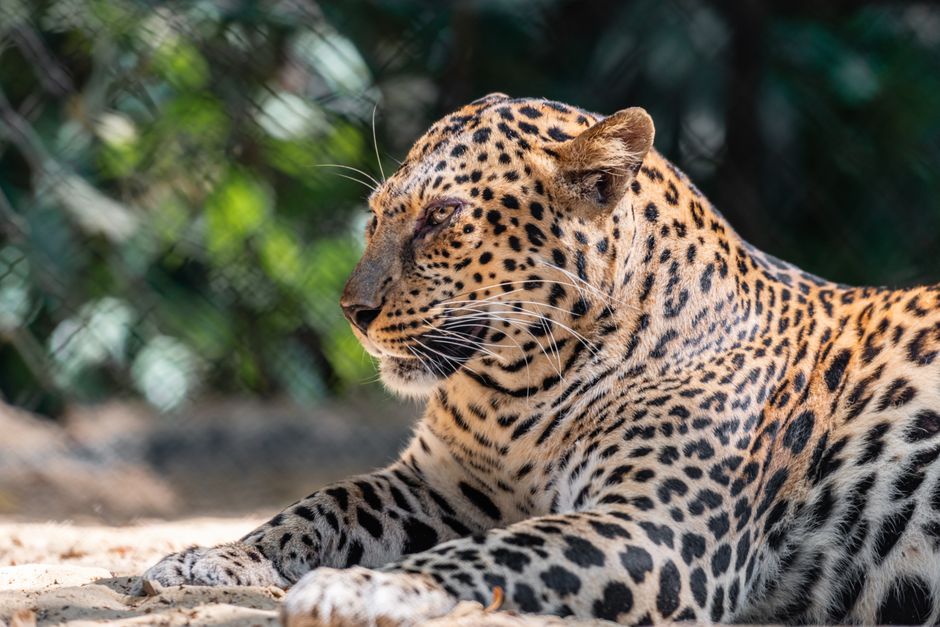
If you’re chasing leopard views at first light, South Luangwa delivers. This guide covers the best photography spots and safari hide options for early drives and walking routes, plus vehicle etiquette to avoid spooking.
South Luangwa leopards are often most visible in the low light hours when they move between resting cover and hunting routes. That means your success depends on choosing the right sightlines before the action begins, then maintaining calm, controlled behavior around any animal you spot.
Below, you’ll find reliable first-light viewing positions (focused on photography-friendly angles), how to approach leopard opportunities on foot, and the practical etiquette that keeps wildlife stress low while improving your odds of clear, steady sightings.
1) Why First Light Improves Leopard Sightings (and Your Photos)

For photography, first light also means softer contrast and more forgiving exposure. That matters when your subject is half-shaded under branches or partially obscured by reeds along the Luangwa River system.
Look for the edge: cover-to-open transitions
Leopards rarely “hunt in the open” the way some other cats do. Instead, they use habitat edges: riverine fringes, sand-river channels, and the boundary between dense cover and open ground. If you position yourself to see those transitions, you’re more likely to catch a leopard emerging, pausing, or moving across a predictable line.
2) Best Photography Spots and Hide Options for Early Drives

When you’re photographing from a hide or a vehicle stop, choose positions where you can keep your lens stable and your body movement minimal. Avoid stepping forward repeatedly or crowding the same narrow viewing gap.
Reliable first-light positions in South Luangwa
These are the types of locations that commonly produce leopard sighting opportunities at dawn, especially when your vehicle or hide placement matches the habitat edges leopards use:
- Mfuwe sector water-adjacent viewing: waterhole or river-edge areas where travel routes connect cover to drinking zones. A hide there often gives consistent, unobtrusive sightlines for long, patient observation.
- Nsefu sector sand-river crossing lines: drainage channels and sandy tracks where leopards may move between thicket refuges and hunting areas. The best view is usually from the side, not from directly in front of likely paths.
- Luangwa River fringe and oxbow-bend thickets: where the river’s vegetated edges create shaded corridors. Early light helps you see a leopard’s silhouette emerging from cover, then moving along a predictable boundary.
- Camp or lodge private hide viewing corridors: places where your accommodation overlooks an animal route to cover. If you have access to an on-site hide, early mornings are often ideal because the landscape is quiet and animals are more active.
- Dawn pull-off points chosen by your guide: short stops near likely habitat edges (not long, lingering laybys). For photography, the aim is a clean angle with enough space to keep the vehicle still.
Camera placement matters as much as the location
At dawn, even small changes in position can shift your composition from “clear face and paws” to “dark silhouette behind grass.” Once the leopard is spotted, keep your camera steady and avoid repeated refocusing attempts that create visible movement.
If you’re in a hide, prioritize comfort and stability: rest elbows, use a strap to prevent accidental drops, and frame so you can track smoothly without leaning forward.
3) Leopard Opportunities on Foot: Walking Routes That Respect the Cat

On foot, the leopard may approach differently than it would from a vehicle perspective. Some sightings become more intimate because your height and distance can be natural for observing behavior, but only if your group stays controlled and your guide manages spacing.
The guide’s route is part of the strategy
The most productive walking opportunities are usually the ones your guide chooses based on fresh signs, recent observations, and wind direction. When a leopard is nearby, your guide will often steer you toward the safest observation stance rather than the “closest possible” point.
A useful rule of thumb for leopard viewing on foot: treat every choice like it’s about reducing surprises. That means fewer quick position changes, quieter footsteps, and a steady group formation so the leopard sees consistent shapes rather than sudden movement.
What to look for during the approach
As the walk starts and light improves, watch for clues that a leopard is active nearby: altered bird behavior, fresh scratch marks on bark, and the way prey animals react (without assuming every alarm call signals a leopard at that exact moment).
For photography, be prepared for moment-to-moment decisions. If your guide asks the group to freeze or shift back, follow immediately. Trying to “grab one more frame” at the cost of the group’s safety and the leopard’s comfort is not worth it.
4) Vehicle and Hide Etiquette to Avoid Spooking Leopards

Practical behaviors that typically support a calm setup include: turning off unnecessary distractions, keeping voices low, avoiding sudden revs or rapid gear changes, and limiting how many people shift position inside the vehicle or hide.
Follow distance and positioning instructions from your guide
There’s no single universal distance that works everywhere because terrain varies in sightlines and how vegetation affects the leopard’s perception. Instead, treat your guide’s instructions as the standard: if the guide tells you to hold position, do so; if asked to move back, shift without lingering.
For photography, position the camera so you’re ready before your guide says the animal is safe to shoot. That way, you don’t need to shuffle forward the moment the leopard turns.
Avoid blocking sightlines and creating a “traffic jam”
Multiple vehicles in one spot can interrupt a leopard’s natural routine. Even when everyone is quiet, stacking up near the same viewing line can increase disturbance and limit the leopard’s comfort.
Where possible, keep your viewpoint from narrowing the path of the leopard. If the leopard is oriented toward a potential line of travel, don’t place people in a way that makes that line feel obstructed.
5) Making the Most of Your Leopard Images Without Disturbing Wildlife
Settings for low light and fast changes
First light often means changing light levels every minute. To get sharp images of a leopard moving from shade to sunlit edges, consider a shutter speed that can handle walking motion (especially for paws and faces). Keep an eye on your exposure so the cat’s face doesn’t go too dark under thick cover.
If your camera supports it, continuous autofocus with careful tracking can help when the leopard turns its head or steps into reeds. Also be ready for partial obstruction: plan for compositions that include the leopard’s face and at least part of the body even when grass or branches cross the frame.
Composition: prioritize eye line and predictable habitat edges
Your best chances often come when the leopard uses the habitat edge you’ve positioned for. Frame so the leopard’s eye line is either clearly visible or about to be, and leave a little headroom so that a sudden turn doesn’t cut the subject off.
When photographing from a hide, aim to reduce visual clutter: a clean background makes it easier to separate the cat from mixed greens and browns. That usually means choosing a viewing stance that looks slightly “through” a gap rather than directly at the densest foreground vegetation.
Planning your dawn routine around the hide and the walk
To maximize first-light results, align your schedule with the habitat edge logic: get to the chosen viewing position early enough to settle, and keep your group calm so the leopard can continue its routine.
If you’re tying together accommodation with early access to hides or organized morning walks, Booking.com can be a practical place to check availability and read recent guest notes about whether your camp offers on-site hide time during morning hours.
Overall, the best leopard photography in South Luangwa at first light comes from choosing habitat edges in advance, using hides or guides’ sightlines that reduce disturbance, and following strict vehicle and walking etiquette. When your positioning is steady and your behavior stays predictable, you give yourself a higher chance of clear sightings, better composition, and a respectful experience for both wildlife and local communities.
Leave a Reply