
If you're planning a safari trip, you might be wondering how you can make your experience more sustainable. This guide shows you where to look for African rock pythons in the Garamba region and how to watch them in a way that respects wildlife welfare and local communities.
You’ll also learn what “dry-season terrain” changes on the ground, why some parts of Garamba National Park are more reliable than others, and which guide techniques help you observe pythons closely without blocking their escape routes or disturbing their habitats.
Why Garamba Is a Good Bet for African Rock Pythons
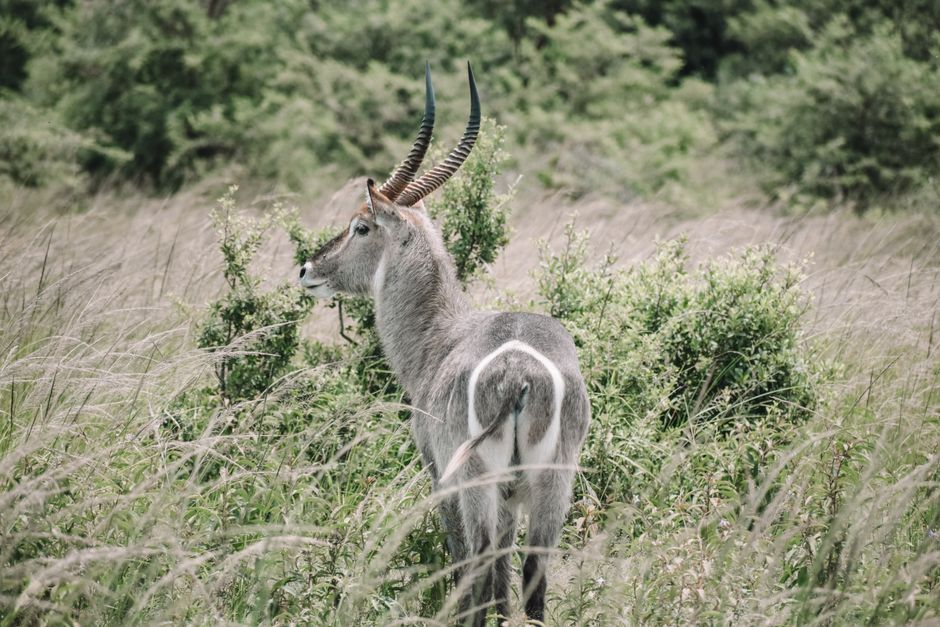
The habitats that bring pythons into view
African rock pythons (a large, non-venomous species) spend time in areas that offer cover, prey availability, and secure retreats. In the Garamba region, you’re most likely to find them where savanna meets wooded cover, where animals concentrate around water and burrows, and where natural structure offers hiding places.
As you search, focus on the transitions: grassland edges near woodland, riparian corridors with seasonal moisture, and rocky or uneven ground that creates “edge effects” for small mammals and birds. Pythons hunt primarily by ambush, so they tend to linger in places that allow repeated access to prey trails.
Dry-season visibility and behavior
The dry season changes the landscape in ways that can improve your odds. Vegetation thins, water becomes less widespread, and prey movements often compress toward remaining resources. That makes python activity easier to predict from the ground, especially when your guide uses animal sign and repeated checks rather than chasing movement.
Because pythons are ectothermic, they also rely on environmental warmth. During cooler morning hours, they may position themselves where they can warm up safely, while late-afternoon conditions can encourage movement along hunting routes.
What a “good sighting” really looks like
A reliable sighting isn’t just “seeing a snake.” It’s observing normal, unforced behavior: the python resting, moving calmly along a predictable route, or watching its surroundings without appearing startled. If a python repeatedly changes direction, disappears suddenly, or seems to “freeze” in place in response to pressure, that’s a sign you’re too close or the viewing approach is too intrusive.
Best Viewing Zones in the Garamba Region (Dry Season)
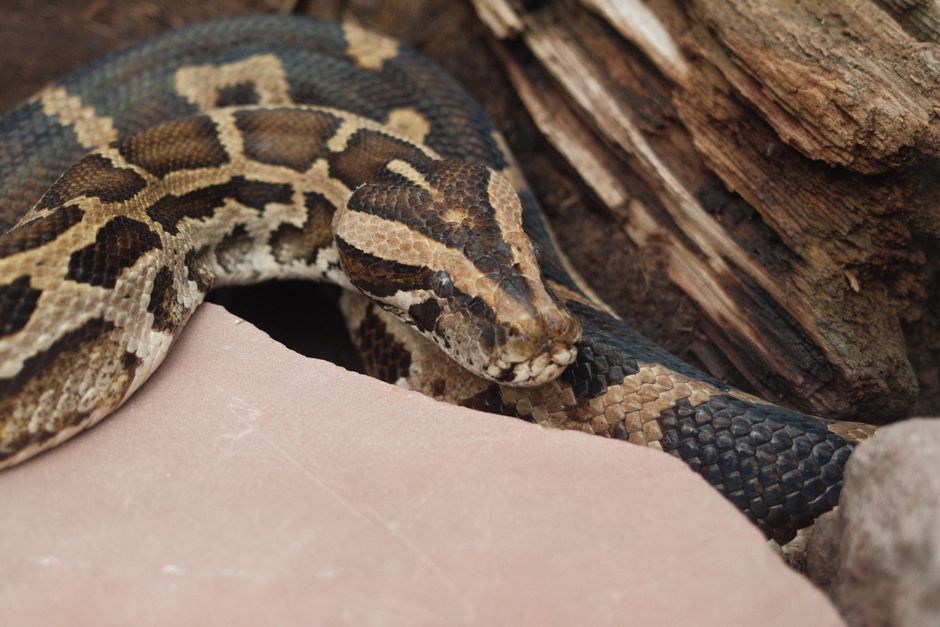
Use zones, not luck
Rock pythons can be hard to spot, even in strong habitat. The most useful approach is to work in defined viewing zones where food, cover, and retreats overlap. Your goal is to reduce disturbance while increasing the time spent in the right micro-habitats.
Ask your guide to target these zones within Garamba National Park, then plan to re-check them across the day as conditions change.
- Riparian corridors and river-edge routes: Watch sheltered margins and crossing points where wildlife funnels toward remaining water.
- Savanna waterhole and pan edges: Look for motion or resting positions near the boundary between open ground and cover.
- Rocky ground and inselberg-like structure: Scan uneven terrain where concealment and warmth can occur close together.
- Woodland–grassland ecotones and gallery-forest edges: Target the “meeting line” where prey activity is concentrated and escape routes are natural.
Why each zone increases your odds
Riparian corridors often concentrate prey and create consistent paths, which encourages hunting efficiency. Waterhole and pan edges concentrate small mammals and birds during the hottest and driest parts of the day, improving the chance of finding a predator that has learned a reliable feeding route.
Rocky ground offers more than concealment: it provides varied temperature pockets and secure retreats. Ecotones can be especially promising because they blend open hunting access with cover for quick ambushes and rapid retreat.
The most reliable times to check
In dry-season conditions, many sightings come from systematic timing rather than searching randomly. Early morning can bring warmer “resting positions” after cooler nights, while late afternoon often produces movement as the temperature shifts. Midday can still be productive in sheltered structure or shaded edges, but it’s usually harder to find the animal without pushing closer.
If the first pass through a zone doesn’t produce a sighting, stay flexible. A patient second look after a few hours can matter more than moving immediately to a new location.
How Guides Find Rock Pythons Without Disturbing Them
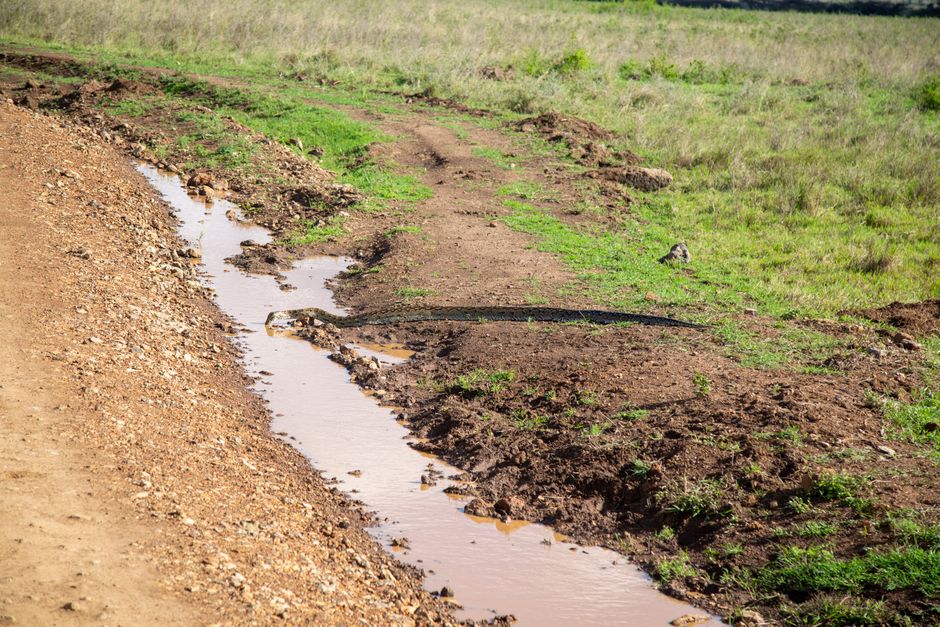
Scouting with sign and pattern recognition
Ethical python viewing starts long before you see the snake. Skilled guides read the landscape: likely prey paths, fresh wildlife tracks near cover, and repeated signs that indicate where animals have been moving consistently. Instead of “tracking the python” directly, this approach focuses on the ecosystem signals that draw predators.
You may also see guides check for recent sheds, subtle ground disturbance near retreats, and signs of repeated visits by small mammals. Even when the python isn’t visible, these cues help your guide decide whether a zone is worth extended time.
Slow approaches and controlled positioning
Once a python is present, non-invasive technique matters. The most reliable (and respectful) method is to approach slowly, keep viewing angles broad, and avoid blocking the route the python is using.
Practically, that means:
- maintaining enough distance for the python to continue normal behavior
- stopping well before the closest point, then using binoculars or a long lens
- positioning to minimize scent disruption (for example, avoiding strong wind toward the animal)
Good guides also avoid crowding: fewer heads, fewer voices, fewer sudden movements. The aim is quiet observation, not a “group around the snake” moment.
Day vs night strategies in dry terrain
Some safaris include evening or night drives on selected routes, using careful lighting protocols and strict vehicle discipline. If night viewing is part of your plan, reputable guides generally rely on already-known safer viewing locations and use light briefly and thoughtfully to avoid stressing wildlife.
For many travellers, dry-season daytime is a strong balance of visibility and comfort. Daytime viewing also tends to reduce the urge to rush closer, because the snake’s position can often be assessed from a respectful distance.
Ethical, Non-Invasive Observation: Safety and Welfare First
Keep distance and protect the animal’s escape
African rock pythons may look calm, but they are still wild animals managing their own risk. Ethical viewing means never forcing proximity. If the python is attempting to move away, the correct response is to stop, hold position from a distance, and let the snake use its natural route.
Avoid steps that increase stress: approaching from behind, cornering the animal against terrain, handling, or encouraging people to crowd in for a better look. Even “gentle” interference can change the animal’s behavior and increase vulnerability to predation or habitat abandonment.
Don’t interfere with nests, retreats, or shelter
Pythons often rest in cover or near structural hiding places. Treat those retreats as off-limits to close inspection. If the snake disappears into rocky crevices, thick cover, or under a natural platform, the ethically sound move is to pause and wait quietly rather than attempting to locate it by pushing vegetation or changing the ground.
Also be cautious around concentrated prey areas, such as dens or burrow systems. Disturbance that frightens prey can indirectly harm the predator’s hunting success and the broader ecosystem balance.
Safety rules for you and the people around you
Wildlife encounters require discipline from the start. Non-invasive doesn’t mean casual. Keep your group calm, follow your guide’s instructions on where to stand, and use vehicles only where permitted and safe.
If you’re photographing, avoid shining lights into eyes, avoid stepping into tall cover, and avoid moving suddenly toward the animal for focus. The safest ethical photography is that which never requires you to close distance or obstruct the python’s movement.
Just as important is respect for local communities. Guides in the Garamba region may build relationships through work, conservation education, and shared land stewardship. Listening to local guidance and supporting responsible operations helps protect both people and wildlife.
Planning Your Garamba Rock Python Safari (What to Ask and How to Maximize Chances)
Choose a guide who prioritizes discipline, not speed
When arranging your safari, ask how the operation handles wildlife viewing etiquette. A strong answer usually includes clear rules: minimal disruption, strict vehicle and walking boundaries, and a process for choosing spots based on sign and habitat rather than chasing.
You can also ask how your guide decides when to stay put versus when to move on. Ethical python viewing should look deliberate: enough time in a promising zone, repeated checks, and a willingness to accept that a sighting may not happen.
Set realistic expectations and build time into the plan
Even with the best zones, rock pythons are not guaranteed. The planning goal is to maximize observation opportunities without increasing disturbance. That means scheduling multiple sighting windows, not a single frantic search.
If your itinerary includes both river-edge time and savanna edge checks, you’re covering the core overlap of cover and prey availability. The dry season can be more forgiving for searching, but it still rewards patience.
How to make the most of each encounter
Once a python is found, your best “maximizing” strategy is to observe rather than intervene. Watch for normal behavior signals: posture changes that look like thermoregulation, slow movement along familiar paths, and calm resting in secure cover.
If the animal starts moving out of a zone, follow the guide’s direction promptly and quietly. A good ethical safari doesn’t try to freeze an animal in place for a perfect photo; it adjusts so the wildlife can continue its natural routine.
Overall, the best places to see African rock pythons in the Garamba region are the dry-season zones where prey funnels into cover: riparian corridors, waterhole edges, rocky terrain, and woodland–grassland borders. With a disciplined, experienced guide and a viewing approach that keeps distance and never blocks escape routes, you get both better odds and a more respectful safari experience.
Leave a Reply