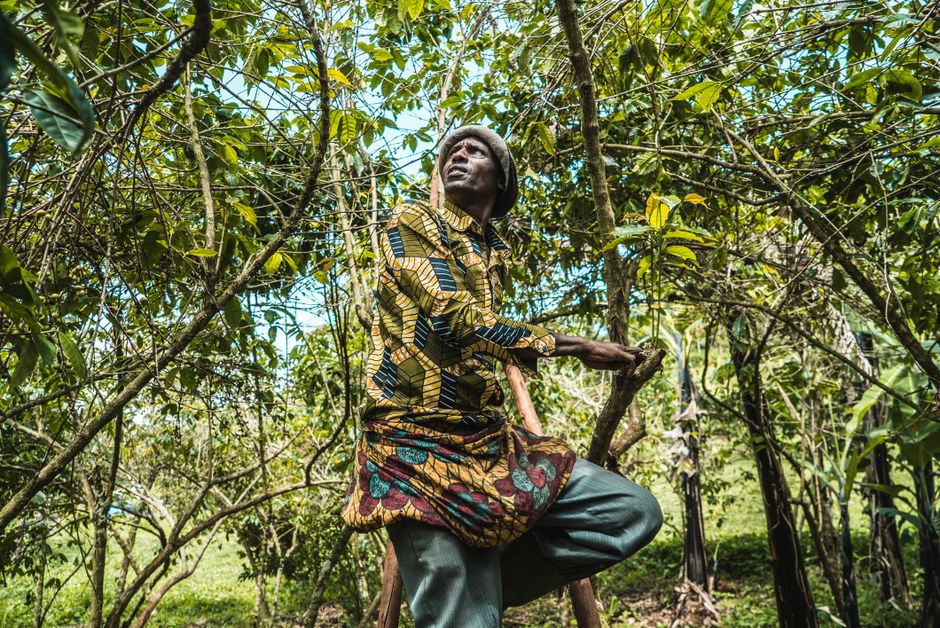
If you're planning a Nyungwe chimpanzee or canopy day, you might be wondering what to do with a pre-trek morning in Rwanda.
You need something that starts and ends on time, feels authentic, supports local livelihoods, and does not leave you too tired to enjoy the forest experience.
This guide curates small-batch coffee tours and artisan workshops that fit a typical pre-trek half day, with practical advice on where they work best (Kigali vs. the Nyungwe route), what to ask when booking, and how to keep things respectful for people and the environment.
Why Coffee And Craft Fit A Pre-Nyungwe Morning

Aim for experiences that are structured and time-bound: a scheduled pick-up, a short welcome briefing, a guided walk or demonstration, and a tasting or buy-in opportunity that does not drag into late afternoon.
Where “on the way” matters more than where you start
Many travellers drive into Nyungwe from Kigali, or they base in towns along the way. If your trek is early, it often works better to book closer to your overnight stop rather than far away.
As a general approach, choose either:
- A morning plan in Kigali if your departure timing allows and traffic/transfers are predictable.
- A coffee or craft activity in the Huye/Nyamagabe side of the route if you are already staying en route to Nyungwe.
What “small-batch” should mean in Rwanda
Small-batch coffee is usually about traceability and care: lots processed separately, attention to fermentation and drying, and a tasting process that treats coffee as a product of place. On a tour, you should be able to understand what happens between cherry and cup, not just watch a generic roasting demo.
Half-Day Coffee Tours That Pair Well With Nyungwe

Also check that the experience is comfortable for visitors: clean restrooms, shade and seating options, and a plan for what happens if it rains.
5 coffee experiences you can book before your Nyungwe day
These are the kinds of experiences that reliably fit a pre-trek half day, especially when booked near your overnight stop.
- Coffee wash-station walk-through with seasonal explanation: Guided viewing of how cherries are washed and sorted, with a clear explanation of the steps leading to the finished dry parchment/beans.
- Cooperative cupping session: A short, structured tasting where you compare different lots and learn simple tasting vocabulary (acidity, body, aroma) without needing prior coffee knowledge.
- Micro-lot processing demo (fermentation to drying): A guided look at how separate lots are handled, focusing on the steps that influence flavour, then a tasting of the final cup.
- Roast-to-brew workshop with a take-home brewing tip: A visit that includes roasting basics and finishes with a simple brew method you can replicate back at your lodge (often as a guided pour-over or similar).
- Women’s cooperative coffee craft-and-cup experience: A socially grounded option that pairs a brief look at coffee handling roles with a tasting, often emphasising fair work, training, and community ownership.
For any of these, confirm the time window in advance and ask whether you can skip optional upgrades (like longer roasting classes) if your chimp or canopy start time is strict.
Artisan Workshops To Add Culture Without Taking Over Your Day

If your chimp trek is next day, consider workshops that finish cleanly and offer a chance to store items safely.
3 craft experiences that work well before Nyungwe
These workshop styles are especially practical when you want something meaningful but time-efficient.
- Basketry or weaving technique lesson: Learning to coiling/plait a small piece, with an explanation of the local fibres and how patterns relate to everyday use.
- Pottery shaping and finishing demo: A guided introduction to forming a simple vessel or decorative piece, plus a discussion of firing/finishing steps (some stages may be handled by artisans after your session).
- Woodcarving or decorative crafts workshop with ethical sourcing focus: A short session on basic carving or finishing, paired with clarity on material sourcing and how artisans maintain sustainable supply.
When booking, it helps to ask whether your completed item can be collected later or kept securely, so you are not juggling fragile pieces in the vehicle.
Staying Safe And Respectful On People-First Visits

Keep the pace in line with the host’s rhythm. If there is a moment for learning, listen first; if there is a task happening, wait for the right pause rather than stepping in.
Safety basics for farms, studios, and shared spaces
Even though these activities are not “extreme,” basic safety still matters.
- Wear comfortable shoes with grip for uneven ground, especially at processing sites.
- Expect dust or light mess at workshops; bring a small towel and consider modest clothing.
- If you have allergies (coffee aromas, natural fibres, resins/finishes), mention it at the start.
For a pre-trek day, you also want to avoid anything that causes you to feel unwell: skip overly spicy lunches, carry water, and plan to return to your accommodation to freshen up.
Wildlife-day considerations: cleanliness and timing
A chimpanzee trek day is sensitive to hygiene and timing. Before heading to the forest, prioritize cleanliness and comfort: wash hands after farm/studio handling, avoid strong fragrances right before the start, and do not schedule anything that delays your transfer.
If your itinerary includes a canopy walk, energy levels matter too. Coffee tours and craft workshops should help you feel prepared, not drained, so choose activities that are mainly guided and seated or walking, with minimal physical strain.
How To Book, Time, And Make The Most Of Your Morning
Best scheduling windows before your Nyungwe chimp or canopy day
The simplest strategy is to align your coffee or craft booking with your sleep schedule. If your trek starts early, schedule the experience on the morning before your departure to the park area, or the morning of your arrival the day before.
As a rule of thumb, keep buffer time for transfer delays, restroom breaks, and the small frictions that always appear in real travel days.
Questions to ask before you confirm
A quick call or message can prevent disappointment. Ask:
- How long the walk-through and tasting lasts, and what the start/end time looks like.
- Whether the session includes hands-on work, and how long the materials take to dry or finish.
- What is included (tasting, brewing demo, tea/water, transport within a set radius).
- How the experience supports local producers (cooperative structure, fair pricing approach, or community-led ownership).
For coffee in particular, ask what you will be tasting and whether you can compare at least two lots.
A simple half-day itinerary you can copy
Use this structure when you want a calm morning before Nyungwe:
- Arrive at your coffee or craft venue about an hour after breakfast.
- Follow the guided walk/demonstration, keeping questions focused on process and community impact.
- Finish with a tasting or short making activity, then buy one practical take-home item (beans or a small craft piece) that you can transport easily.
- Return to your lodge for a shower, light lunch, and rest before the next day’s start.
Overall, the best pre-Nyungwe plan in Rwanda is one that combines traceable small-batch coffee or a well-timed artisan workshop with enough buffer for transfers and downtime. By choosing experiences that are guided, time-bound, and community-led, you protect your energy for chimpanzees or the canopy walk while also turning a short morning into a respectful cultural highlight.
Leave a Reply