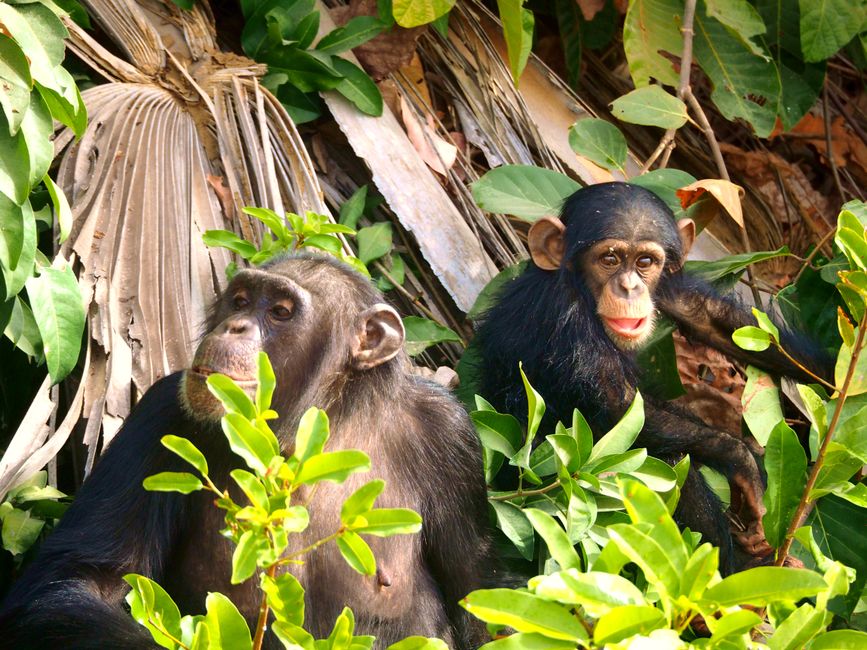
If you're planning a safari trip, you might be wondering how you can make your experience more sustainable.
Chimpanzee trekking in Taï National Park is one of Côte d’Ivoire’s most memorable wildlife experiences, but it only works well when permits are arranged properly, guidance is followed closely, and chimpanzees remain undisturbed in their habitat. This article shows you how to plan end-to-end, with a focus on permits and guides, the pre-trek briefing, typical forest conditions, and responsible visitor behaviour.
You’ll also find practical, realistic expectations for trekking in humid rainforest, so you can arrive ready, move safely, and contribute to conservation—rather than disrupt a fragile wildlife moment.
Permits and Scheduling: Getting Your Chimp Trek Dates Right
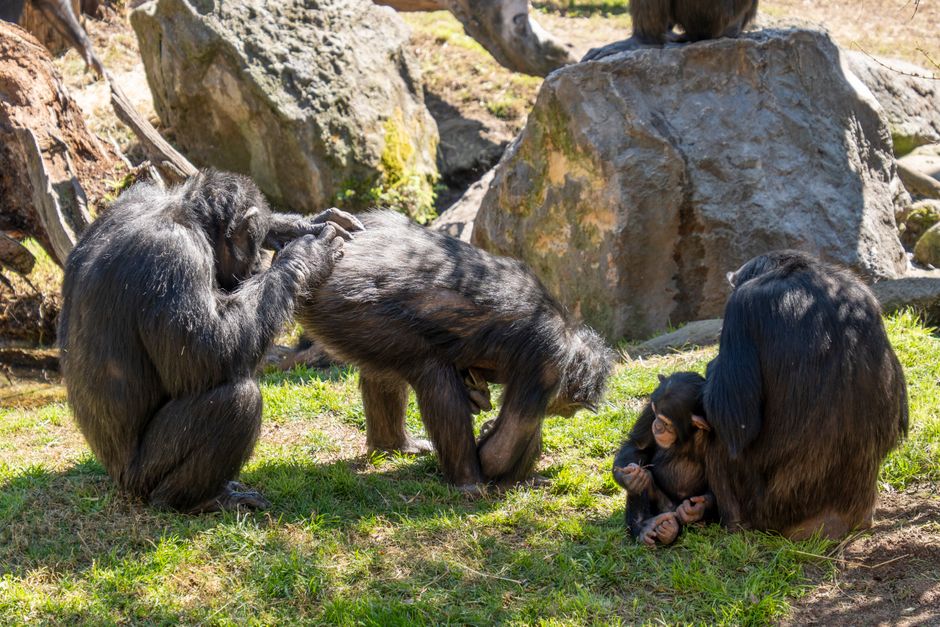
How permits work in Taï National Park
Chimpanzee trekking is typically run through the park’s authorised system, where permits are limited to help control numbers and reduce stress on chimpanzees. In practice, this means your day is tied to an allocated trek session, with an official guide or a guide operating under park direction.
Because permission is part of wildlife welfare, treat your permit as a wildlife-management tool, not just a ticket. If plans change (flight delays, illness, transport issues), communicate quickly with whoever arranged your trekking session so the park can adjust safely for both visitors and chimpanzees.
Timing your booking and choosing trekking days
Permits in popular primate destinations can sell out or be constrained by logistics such as ranger availability and the time needed to locate chimpanzees. To plan well, start early enough that you can still select dates, rather than only one fixed day.
When choosing between trekking dates, consider that the forest experience depends on seasonal conditions, river crossings, trail firmness, and visibility for trackers. Even with a fixed permission to trek, your exact start time and route can shift based on where chimpanzees are that morning.
Guide allocation and group formation
A good chimp trek is not “self-led”. Your guide matters because they manage distance, noise level, walking order, and how long the group remains in one area while chimpanzees move. Group size and member distribution are often set to keep control on the ground and avoid crowding around a chimpanzee party.
If you’re travelling with others, make sure you arrive together and stay together at all times. In thick rainforest, getting separated can increase safety risk and also adds pressure to the tracking team.
Before You Go: The Briefing That Shapes a Good Trek
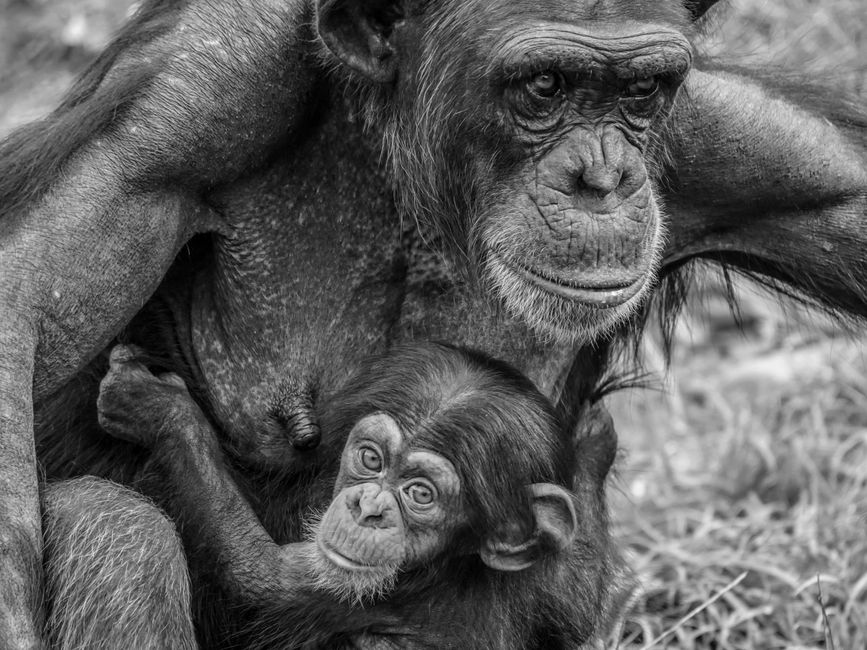
What to expect at the check-in and briefing
Your trek day usually begins with an organised check-in and a briefing led by your guide and/or park staff. This is where the rules become clear for your specific trek group and conditions.
Expect the briefing to cover where you’ll start, how you’ll move through the forest, what behaviour is considered safe and respectful, and how to respond if chimpanzees approach or if the group loses sign and needs to pause or backtrack. If anything is unclear, this is the moment to ask—once you’re moving, decision-making should stay with your guide.
Health and safety rules (you, others, and chimpanzees)
Chimpanzees are vulnerable to disease transmission, and visitor health can matter. Your guide should remind you about staying home or postponing if you’re unwell, and about basic hygiene practices before and during the trek.
Because you can’t disinfect the rainforest, your role is to reduce risk: follow guidance on hand sanitising, avoid unnecessary close contact, and keep your behaviour calm and predictable. If your guide provides additional disease-prevention steps for your group, treat them as non-negotiable.
Gear checks and communication in the rainforest
In rainforest, the “right gear” is less about comfort gadgets and more about enabling you to follow instructions. Your guide may check for items that could fall, create noise, or tempt you to act too quickly.
Good communication also matters. You’ll be taught how to respond when trackers stop to listen, how to move quietly, and how to signal instead of calling out. If you’re carrying a camera, ask how to handle it while moving, because stopping suddenly can disrupt both the tracking line and the chimpanzees’ path.
In the Forest: What Typical Trekking Conditions Feel Like

Trail conditions, weather, and pace
Taï’s rainforest environment can be challenging, particularly after rain. Trails may be muddy, uneven, and narrow, with roots and occasional water crossings. Even when the walk is not extremely long, the terrain can slow your pace and require steady footing.
A key mindset helps here: aim for slow, controlled movement. If you rush, you’re more likely to trip, make noise, or drift away from the group. Trekking is usually a combination of quiet walking and short stops while trackers read signs.
Tracking signs and staying with your group
Chimpanzee trekking depends on tracking—interpreting sounds, visual cues in the canopy, and signs on the forest floor. Your guide should keep the group moving only when it’s safe and appropriate.
When trackers pause, it’s important to stop with them. Talking, coughing loudly, or using bright light can travel farther than you expect under the canopy. Sticking together also reduces the risk of leaving someone behind if visibility drops.
Time with chimpanzees and how sightings are managed
Once chimpanzees are located, your guide will manage the encounter window to keep it safe and respectful. Chimpanzees move unpredictably, so the “plan” can shift quickly.
Rather than chasing them, you should follow your guide’s lead: pause where instructed, keep your distance, and maintain a calm, stationary posture as required. If chimpanzees move toward your side, the most responsible action is still restraint—your guide will tell you how the group should adjust.
Responsible Visitor Behaviour in Taï’s Chimpanzee Habitat
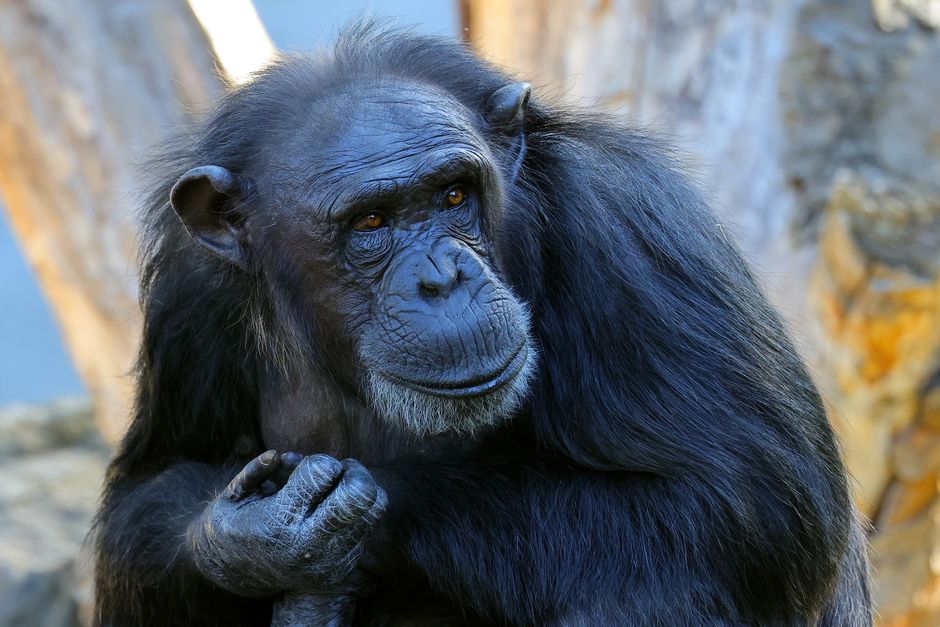
Distance, movement, and noise control
Responsible chimp trekking means understanding that you are entering the chimpanzees’ space, even if only briefly and respectfully. Your guide should set rules for how close you can approach, and the group should follow them consistently.
Move slowly, keep voices low, and avoid sudden gestures. If chimpanzees react to the group—by moving away, becoming agitated, or changing behaviour—your guide may ask everyone to increase distance or stop moving. That reaction is information, not a challenge to “try harder”.
Photography, flash, and what not to do
Photos are part of the appeal, but they can also become a problem if they lead to unsafe behaviour. A good rule is to focus on capturing moments without changing the group’s behaviour: don’t surge forward, don’t climb over obstacles, and don’t disrupt the line of approach.
If your guide prohibits flash or anything that creates glare, follow it. In rainforest, light and noise carry. Likewise, avoid actions that could be interpreted as harassment, such as waving, calling, or trying to lure chimpanzees for a “better shot”.
Quick behaviour checklist for the trek
- Stay behind your guide and keep the group together.
- Keep voices low; stop and listen when trackers pause.
- Maintain the distance your guide sets and avoid stepping off-trail.
- Do not feed wildlife or offer objects to chimpanzees.
Supporting conservation and local livelihoods
Responsible behaviour isn’t only about what you do in the forest. It also includes how you prepare and how you engage with the people who make the trekking possible.
When trekking is organised through authorised channels, permits and guide services help fund monitoring, enforcement, and habitat protection. Respect for local staff, patience with schedule changes, and careful use of resources (like water and waste management) reinforce the idea that your presence should support conservation rather than create burdens.
Making the Most of Your Trek: Practical Planning for the Day
Choosing an operator and working with your guide
If you’re arranging your trip through a safari operator or local coordinator, make sure chimp trekking is genuinely organised through authorised systems. Your permit should be secured and your guide plan should be clear before you travel.
Ask practical questions in advance: what the briefing will cover, how long you should allow for the trek window, what happens if chimpanzees are not located immediately, and whether the trek can be postponed due to conditions. Clear communication reduces stress on the morning of the trek, and calm groups are easier to manage responsibly.
Where to base yourself and how to plan transport
Transport logistics in and around Taï can affect whether you arrive in time for check-in and briefing. Build in enough buffer for road conditions and any transfers between accommodation and the trail start point.
On trek day, the most valuable thing you can do for safety and welfare is punctuality. If your group is late, it can disrupt ranger planning and may reduce the flexibility needed to track chimpanzees that morning.
Post-trek recovery and staying respectful afterwards
After the trek, avoid treating the experience like “all done” in terms of responsibility. Let your guide debrief naturally, follow any hygiene advice, and handle your equipment carefully to avoid introducing contaminants to other parts of your trip.
If you’re tired or sore, choose recovery actions that keep you quiet and respectful, particularly if you’re staying near community areas connected to conservation work. The best safari days end with calm, low-impact behaviour that matches the standards used in the forest.
Overall, planning chimpanzee trekking in Taï National Park comes down to preparation and discipline: arrange permits early enough to secure your session, attend and follow the briefing exactly, expect muddy humid conditions and a pace set by trackers, and practise quiet distance-based behaviour that protects both your safety and the wellbeing of western chimpanzees in their habitat.
Leave a Reply