
If you're a birding enthusiast, then you know that Africa is a paradise for birdwatching.
Choosing where to stay near Lake Kariba can make a big difference to your houseboat safari and to the time you actually spend watching birds. The right base keeps your transfers smooth, helps you plan shoreline drives, and makes it easy to be out early when raptors and waders are most active.
This guide focuses on practical stay areas on both the Zimbabwe and Zambia sides of Lake Kariba, with a birding-first approach that suits houseboat departures and calm, respectful viewing.
Before booking anything, treat your accommodation like part of the itinerary: you want a place that matches your morning routine and reduces back-and-forth on the day the boat leaves.
Kariba Town and the Waterfront: Your Houseboat Launch Pad
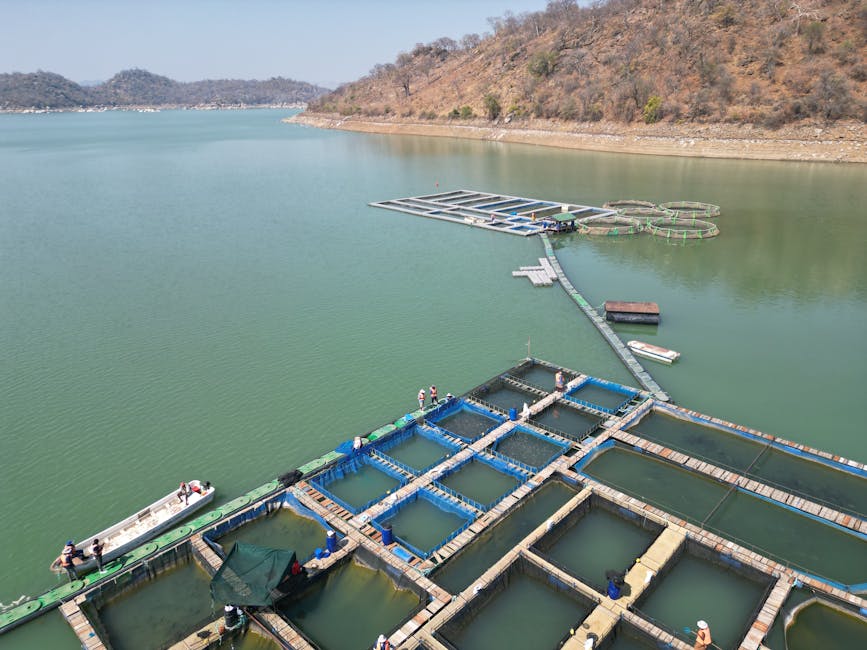
How to plan shoreline drives from town
From central Kariba, it’s straightforward to build a simple loop: a short drive to the nearest accessible wetlands or shoreline edges, a lookout-style stop for birds, then back for breakfast and boarding. You’ll also find it easier to return for a midday break, especially if your houseboat itinerary includes time on the water rather than constant cruising.
Early-morning birding workflow that doesn’t disrupt your safari
Aim to start quietly: birds settle into feeding and hunting patterns early, and the calmest viewing is often along waterlines and sheltered reed areas. If your boat leaves soon after dawn, use the first hour for quick scans from a safe, legal viewing point rather than trying to cover too many places.
Matusadona National Park Shore: Combine Park Drives with Boat Days

Best rhythm for departures and birding
A helpful approach is to keep your morning birding focused: choose one route or one shoreline section rather than trying to ‘cover’ the whole lake. When you’re close to the park edge, you can often compress logistics into a short drive, leaving more energy for patient viewing once you reach the best waterline habitat.
What to expect for raptors and waders
Matusadona’s lake-adjacent areas suit birds that feed along shorelines and hunt over open water. You’ll generally find more consistent sightings when you watch from slightly elevated viewpoints when possible, since you can scan both the water and the reed edges.
Zambia’s Siavonga Lakeside: A Calm Shore for Birdwatching

Shoreline drives that fit an early start
With the lake on your doorstep, you can structure your day around short, repeatable viewing segments. Choose a shoreline route that lets you stop frequently at safe pull-offs, then save longer drives for times when bird activity is lower and it’s less likely you’ll be “chasing” sightings.
Species targets that match lake-edge habitat
If your focus is raptors and waders, Siavonga’s wetland edges are a good match for the kinds of birds that hunt along shorelines and feed in shallows.
A short list of bird species commonly targeted by birders in the Lake Kariba region includes:
- African Fish Eagle
- Goliath Heron
- African Spoonbill
- Great Egret
- Reed Cormorant
- Pied Kingfisher
Houseboat-Friendly Lodges and Camps: What to Look For

Shoreline access for low-effort birding
A birding-friendly base often has two practical features: somewhere you can stand quietly to watch water movement, and easy access to a safe shoreline path or viewing point. That way, you can fit in brief sessions between meals, before and after boat time, without spending the whole day driving.
Booking considerations that help with matching your routine
It’s worth checking details like whether breakfast is ready early enough for your plan and whether staff understand you want to go out at first light for birding. For comparing availability and recent reviews, Booking.com can be a practical tool when you’re shortlisting stays.
Raptor and Wader Timing: Build Your Birding Plan Around Lake Conditions
Morning light for hunting and feeding
Early mornings are often when raptors show the clearest “searching” behaviour and when waders are most likely to be actively foraging along shore edges. If you’re planning around a houseboat departure, treat the first hour as your high-value slot: scan broadly from a stable viewing area, then focus on a few likely spots such as reed margins and shallow inlets.
Winds, water levels, and how they change where birds feed
Lake conditions can shift where birds choose to feed. On calmer mornings, you may see more activity close to the shoreline as birds hunt in predictable lanes. If wind picks up later, birds can move to different waterline sections, so it helps to have a base route you can repeat without burning daylight.
Respectful viewing habits that protect birds and keep the lake peaceful
To keep wildlife welfare at the centre of your trip, maintain distance and avoid blocking shoreline paths or nesting-reed areas. Keep noise low, use binoculars and a zoom lens for long looks, and follow any local guidance about where boats and people can go. If a species is clearly feeding or resting, give it time and avoid sudden movements that can cause birds to flush.
Overall, the best places to stay near Lake Kariba for houseboat safaris and birding are the bases that reduce transfer stress and make early-morning viewing easy: prioritise the waterfront areas around Kariba, the park-linked shoreline near Matusadona, and Zambia’s Siavonga lakeside options. With a repeatable morning routine, you’ll spend more of your day watching raptors and waders, and less of it travelling between them.
Leave a Reply