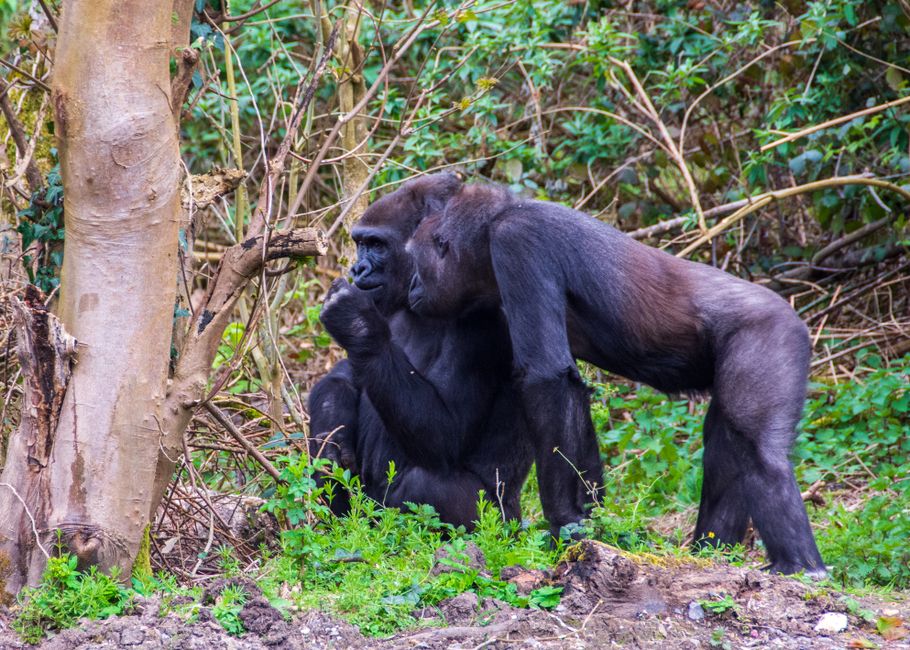
If you're planning a gorilla-focused safari in the Republic of the Congo, you know that every detour steals time from gorilla tracking.
This guide covers the most practical parks and entry points for western lowland gorillas, how to choose a base that keeps transfers efficient, what the tracking experience typically involves, and the welfare and safety rules that help both gorillas and people.
The goal is simple: help you plan a trip where the effort goes into seeing gorillas, not getting stuck in long, avoidable travel days.
Where Western Lowland Gorillas Are Most Practical in the Republic of the Congo
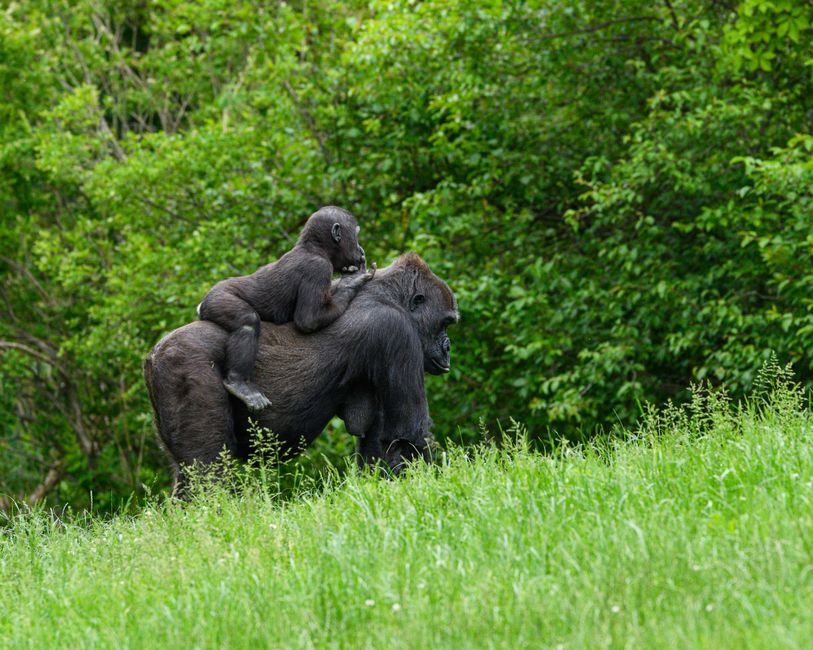
- Nouabalé-Ndoki National Park (Sangha forest block, western edges of the Congo Basin)
- Odzala-Kokoua National Park (southern forest block, often combined with other conservation areas in itineraries)
Why these parks tend to work for time-conscious travellers
Both parks are managed for wildlife viewing with ranger-led tracking and clear guest procedures. That matters because gorilla trips are schedule-led: permits and tracking days are planned around where habituated groups can be located and around safe daily movement. When the park operations are well established, the logistics around lodging transfers, briefing times, and route planning are typically smoother.
How to choose your base without getting stuck mid-route
Your biggest time-saving decision is choosing the region (north versus south) that best matches your arrival connections and the ground transfers you are willing to accept. If your travel plan has tight connections, the key is to avoid itineraries that require changing bases inside the same tracking window. Ideally, pick one park region and build the trip around it.
Practical Entry Points and Transfer Routes to Save Travel Time

Plan transfers as “permit-day protection,” not sightseeing days
To reduce wasted travel time, treat transfers like a safety-critical part of the schedule. The most efficient itineraries usually:
- get you into the park region with enough buffer for weather or operational delays
- minimise the number of base changes during the gorilla tracking window
- keep briefing and tracking start times realistic for your arrival day
Even when a park is close on a map, forest access can be slow. Efficient trips therefore focus on arriving early enough for the park’s day structure, rather than squeezing in an extra night far away from tracking operations.
Know what “local transport” will feel like
Inside the Republic of the Congo, the “last mile” to tracking areas commonly involves a mix of vehicle travel, boat travel where waterways are used, and walking to reach the team starting points. Expect variation by season and by where the gorilla team travels that day. The best way to protect your time is to confirm that your lodge pickup and park briefing times align, and to ask whether your itinerary includes contingency time if a transfer runs later than planned.
How the Gorilla Tracking Experience Typically Works

If the lodge is in a remote area, there may be an early departure. That’s normal for gorilla tracking. The time-saving benefit is that, once you are already based in the right park region, you do not lose your best hours to long transfers.
During tracking: patience, guided direction, and controlled movement
Tracking is not a walk-through of a trail. Rangers and guides follow signs and locate the gorilla group, often moving at a steady but flexible pace. The practical goal for you is to keep your group quiet, stay close to your guide, and avoid sudden changes in direction.
When the gorillas are found, the encounter usually has a limited time window set by the park rules. That limit helps reduce stress on habituated groups and keeps the programme sustainable.
After the encounter: follow instructions for spacing and exit
Once the viewing time ends, your job is to respect spacing and follow the ranger’s instructions on when and how to leave the area. Exiting in an orderly way protects both the gorillas and other groups on foot. Your viewing counts most when the encounter ends safely and calmly, even if the gorillas are still nearby.
Respect, Safety, and Welfare Rules That Actually Matter

At close range, the rainforest environment can change quickly—mud, roots, and uneven ground. The safest approach is simple: move only when instructed, and do not drift away from your guide to “get a better view.”
Health precautions and biosecurity
Respiratory illness and other infections can be a welfare risk for great apes. That’s why programmes usually include strict screening and biosecurity rules before tracking, such as cancelling tracking if you’re unwell and following hygiene requirements before and during the visit.
If you are required to wear a face mask, it’s for a reason: keep to the park’s instructions and do not improvise. Your goal is to reduce your biological risk while still staying present and attentive.
Community responsibility and respectful support
Conservation in the Congo Basin depends on local rangers, guides, and community structures. The most helpful behaviour is to engage respectfully, ask questions that support understanding, and follow rules for where photography is allowed and how you treat facilities. If tipping is permitted, it should reflect local guidance rather than an assumption.
- Keep quiet and follow guide commands exactly
- Maintain the distance set at briefing (and never “close in” for photos)
- Do not leave the group or point/gesture at gorillas
Building an Efficient Gorilla-Focused Itinerary
Choose one park region and build your days around it
The fastest gorilla itineraries usually use a simple structure: arrive, settle into one park region, track, and then use the remaining days for a second track (or for other wildlife activities that don’t require base changes). Constant moving between regions costs time and increases the chance of missing a tracking opportunity.
Match your base to the transfer reality
When choosing where to sleep, focus less on luxury and more on logistics: how quickly can your team reach the ranger briefing point, how early can you depart, and what happens if a transfer takes longer than expected? If you’re planning through a platform such as Trip.com, use it to check route options and arrival times that minimise the number of same-day connections.
If you’re comparing lodge availability near the park area, Booking.com can help you see what’s offered for the nights that align with your intended tracking schedule, though it’s still essential to confirm transfer arrangements directly with the operator.
Ask the right questions before you lock in dates
Even with the right park, wasted travel time usually comes from unclear timing. Before confirming an itinerary, verify the details that control your day-to-day movement:
- How many transfer legs are included on tracking day, and what time do you need to be ready?
- Is your first night already in the park region (not en route), so you can attend a briefing without stress?
- If weather or access changes, what contingency plan keeps gorilla tracking possible?
Timing considerations: reduce delays by planning buffers
Seasonal conditions affect both walking pace and vehicle/boat access. During wetter periods, paths can be slower and travel can take longer, even if gorilla activity remains strong. The practical way to handle this is to build in at least one buffer day in the park region, especially if your trip has a short tracking window.
Make the most of the encounter without rushing everything else
Once you’re properly based, the “best use of time” is allowing tracking days to be tracking days. Keep your schedule light around permit days and avoid stacking long drives on either side of your gorilla encounter window. If you plan additional activities, choose options that operate from the same base and do not demand early morning departures followed by late pickups.
Overall, the most time-efficient western lowland gorilla trip in the Republic of the Congo comes down to two practical choices: prioritise Nouabalé-Ndoki or Odzala-Kokoua, then build your itinerary around a single park region with clear, realistic transfer timing and proper welfare rules. By following these… you protect your trekking hours, reduce the risk of missing a tracking window, and support a gorilla programme designed for long-term conservation.
Leave a Reply