
If you're planning a wildlife-focused trip for wild primates, then you know Morocco’s Atlas Mountains are a special place for Barbary macaques.
This practical guide covers the best time to visit based on seasonal troop behaviour, how cooler mornings shape activity, when tourist pressure matters, and exactly where to base yourself for efficient medina-to-trail transfers.
When to Go: Seasonal Troop Behaviour and Daily Timing

Cooler mornings bring the most active feeding
In the Atlas cedar forests, troop movement often follows temperature. When mornings are cooler, macaques tend to be more willing to travel between feeding areas and to spend more time in visible, ground-adjacent clearings.
Plan for a shorter first viewing window soon after sunrise, when troop spacing is usually more natural and the forest is quieter. You’ll also have better light for spotting infants, juveniles, and the adults that watch for movement.
Midday heat changes the pattern (and crowds can add stress)
As the day warms, groups commonly spend more time in shade and may become less predictable about where they’ll be seen from. Add peak visitor hours and the result can be a troop that “moves past” your viewing point more quickly.
To avoid turning a wildlife watch into a chase, aim to be on-site before crowds build. If macaques retreat higher into the canopy or move steadily away from people, treat that as a signal to shift position or, if needed, leave them undisturbed.
Best months: aim for mild weather and early starts
For most visitors, the most comfortable and consistent viewing tends to fall in the cooler part of the year, when weather supports more active foraging. That generally means late autumn through early spring, with spring often offering good conditions and clear visibility.
During warmer months, sightings are still possible, but the “window” can be narrower. Expect less daytime movement and plan for a very early departure and a patient, shade-based strategy rather than an all-day vigil.
Where to Base Yourself: Fez, Ifrane, or Azrou
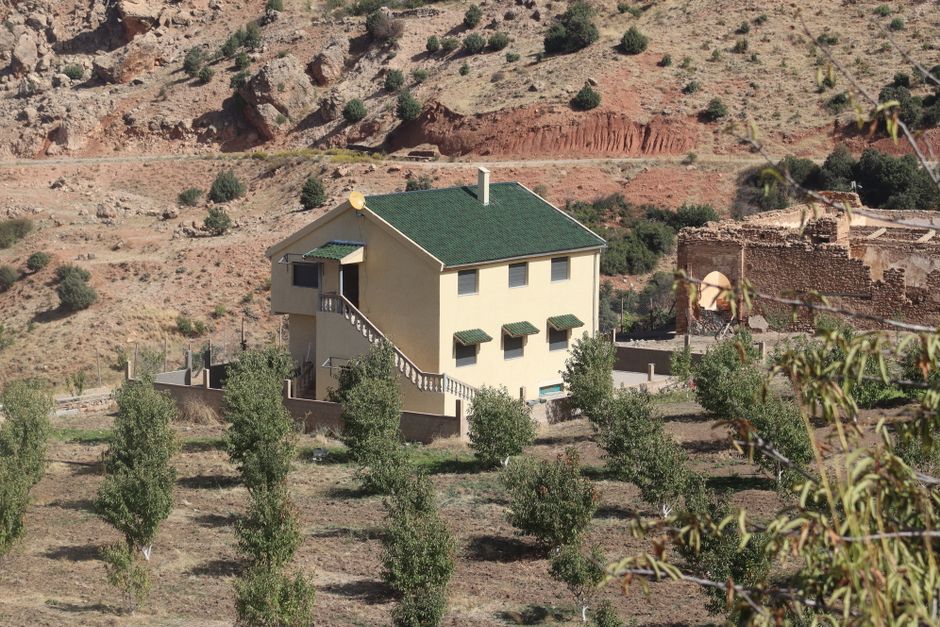
Fez as the medina hub (with the longest transfer)
Fez is the most practical base if your itinerary already includes the medina and you want flexibility for day trips. It’s also the easiest place to arrange transport that gets you moving early, which matters because macaques often show best before visitor crowds peak.
The trade-off is time: you’ll spend longer travelling between the city and the cedar forests. If you choose Fez, prioritize starting early enough to arrive before the busiest hours and schedule at least one rest period during the trip.
Ifrane for easier early access
If you want the simplest rhythm—sleep, wake early, arrive in the forest while it’s quiet—staying in or near Ifrane usually helps. It reduces transfer time and makes it easier to return to your accommodation for a break if conditions change.
For many travellers, this is the best compromise between “being close to the action” and still enjoying a comfortable base.
Azrou for the most direct cedar-forest time
Azrou is often the most straightforward choice when the goal is simply time in the cedars. Being closer to the viewing areas can mean you’re not rushing at the start of the day, and you’re more likely to catch troops during that cooler-morning activity.
This also gives you flexibility: if the first outing is quiet, you can regroup and try again without losing half the day to transit.
Getting from the Medina to the Trails: A Practical Transfer Plan

Choose a reliable driver or guide and keep meeting points simple
The most important rule for medina-to-trail transfers is to make the start and end points unambiguous. Medinas are busy, streets can be narrow, and last-minute route changes can create delays that affect your prime viewing time.
A local driver or guide can help plan the route, interpret timing with traffic, and advise on where to park or meet so you spend less time waiting and more time watching.
Time departures around troop-friendly viewing hours
Regardless of where you base, departures should be built around the cooler part of the day and your ability to arrive before crowds. A “late start” doesn’t just reduce your chances of seeing movement; it also increases the likelihood that you’ll arrive when troops are already responding to earlier human presence.
For most trips, that means planning for an early start even if it feels like a smaller part of your overall day.
Plan the return before streets get complicated
After your forest session, keep your return timing practical. Late afternoon can mean thicker traffic and tougher navigation when you’re heading back into medina areas.
If your plan includes an evening in the city, schedule the forest visit earlier so you don’t have to rush. That protects both your safety and the welfare of the macaques, because it reduces the temptation to linger insistently at a single spot.
The Viewing Experience: How to Watch Barbary Macaques Responsibly
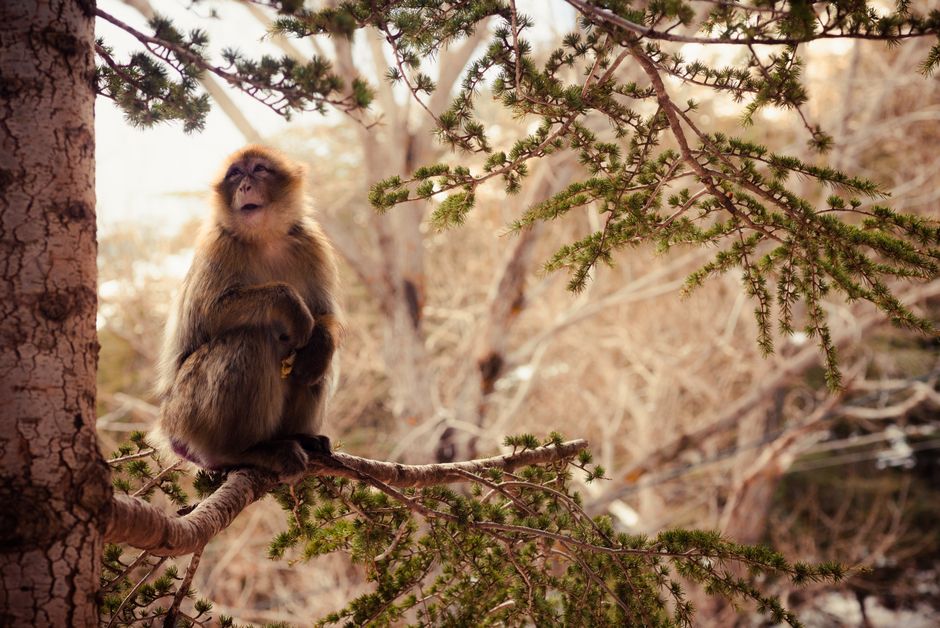
Read the troop, not your checklist
Good watching starts with behavioural awareness. If the troop is calm—moving steadily, pausing to forage, maintaining typical spacing—stay patient and observe from a respectful distance.
If you notice changes like sudden stillness, rapid movement, or people clustering closer than others, treat it as a disturbance sign. The right response is usually not to “try harder” to get closer, but to step back, find a better angle, or leave the area so the troop can settle again.
Keep distance and avoid feeding—your goal is observation
Feeding or encouraging closer approaches can change how macaques behave around humans, which increases stress and can create long-term dependency. It also increases the risk of bites, scratches, and disease transmission.
Instead, use binoculars or a zoom lens. The best viewpoint is the one that lets you watch without pressing in.
Photo etiquette: don’t block paths or crowd the group
Photography can be done well and responsibly by staying off narrow tracks when possible, not positioning yourself to herd people toward the macaques, and avoiding sudden movements that can startle a troop.
If a macaque approaches closely on its own, keep your actions minimal: don’t reach out, don’t try to touch, and give it a clear escape route.
- Keep noise low and avoid flash after dark (if you’re there early or later in the day)
- Stay behind natural boundaries such as paths and sight-line openings—don’t “create” new routes
- Never feed, lure, or attempt hand contact, even briefly
Ethics, Safety, and Conservation in the Cedar Forests
Wildlife welfare comes first in close environments
Cedar forests can concentrate people and wildlife at the same time, which is exactly why rules need to be consistent. Your presence should be a low-impact one: watch, don’t interfere, and allow the troop to choose its own movement.
When troops move away, don’t pursue. Instead, shift to a new viewpoint that doesn’t funnel them toward more human attention.
Health and safety: reduce risk without fuss
Wild primates can carry pathogens like any animal in the wild. Washing hands after your visit, avoiding face contact with bare hands, and keeping food and drinks secured away from wildlife reduces the chance of problems.
If an animal shows signs of agitation—baring teeth, rapid head movements, lunging, or frantic agitation—create distance immediately. If you’re with children, keep them close and supervised at all times.
When to leave: signs the troop is too stressed to watch
Sometimes the most ethical choice is to end your viewing session early. Leave if macaques are being actively chased by people, if the group is breaking into frantic movement, or if you can’t maintain a safe distance due to crowd density.
By following these guidelines, you’ll improve your odds of seeing Barbary macaques naturally active in cooler hours, while also protecting their welfare and supporting responsible tourism in Morocco’s Atlas cedar landscapes.
Leave a Reply