
If you’re planning a Victoria Falls safari, Livingstone is one of the smartest bases for balancing comfort with wildlife time. This guide helps you choose the best areas to stay for getting close to the falls, enjoying Zambezi sunset cruises, and joining day drives into nearby reserves.
You’ll find practical pointers on what each base is like, what a realistic day schedule looks like, and how to keep your wildlife viewing responsible and safe. By the end, you’ll be able to match your accommodation choice to your priorities, whether that’s early mornings, big-game sightings, or simple convenience.
Choosing the Right Base in Livingstone

The “Near the Falls” zone (best for minimal travel time)
Staying closest to Victoria Falls is ideal when you want flexible timing around the mist, want to beat the crowds, or prefer short transfers to viewpoints. This area suits travellers who plan to do the falls on a morning or late afternoon slot, then return to rest before dinner.
Because the falls are a focal point, you can usually arrange guided activities and transfers efficiently from this side of town. It also makes sense if you’re pairing the falls with a quick wildlife drive in the afternoon, as long as you keep buffers for timing.
Riverfront and town-centre convenience (best all-round comfort)
If you want a balance of comfort, meal options, and easy access to safaris, choose a base in the riverfront/town-centre belt. The key advantage is that you can step into your day plan without rushing, then slow down for an evening cruise or a relaxed meal.
This is also a strong choice for first-time visitors, because you’ll often find a smoother mix of arrival logistics, staff who know local routes, and pick-up points that make day drives simpler.
Budget-friendly town stays (best for travellers who value value)
Lower-cost guesthouses and budget hotels in and around Livingstone can work well if you’re comfortable with slightly longer drives to the falls and reserves. To make this approach painless, aim for places with reliable transport arrangements and clear pick-up times for sunrise or mid-morning activities.
Budget bases can still deliver a memorable trip, as long as your schedule is realistic. It’s usually more frustrating to lose time to transfers than to save a bit on accommodation.
How Proximity Shapes Your Days (Falls, Cruises, Drives)
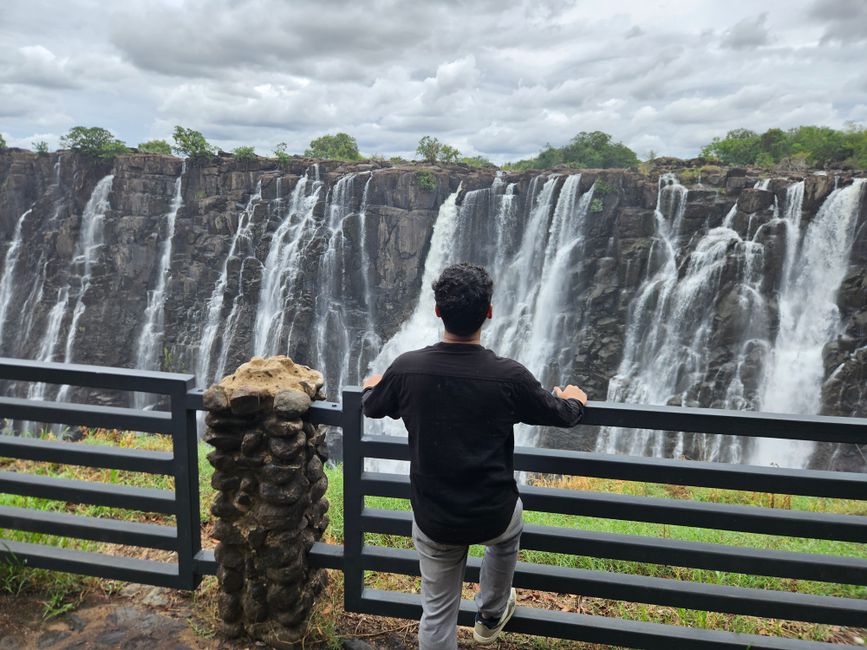
Timing the falls: mornings, mist, and pace
Most people experience Victoria Falls best when they plan for an early start or a late-afternoon visit. That’s not only for crowd control; it’s also for the way light and mist can change the feel of the viewpoints.
If you’re staying near the falls, you can structure a full day without feeling rushed. If you’re further out, plan your transfers the night before, confirm start times in the morning, and build in time for ticketing, gates, and guided interpretation.
Zambezi sunset cruises: when to go and what to prioritise
A Zambezi sunset cruise fits naturally between a daytime activity and an evening meal. The main benefit of cruising from your Livingstone base is that it reduces friction: you can return to your accommodation afterward without a long drive.
When choosing the experience, prioritise safety briefings, stable boat operations, and staff who clearly explain how to behave around water and wildlife. Wildlife viewing on the river can be excellent, but it must stay respectful and calm, with no chasing animals closer for a photo.
Day drives: building a realistic schedule
Day drives into nearby wildlife areas often work best when you choose one main destination and treat everything else as supportive. For example, if you’re focusing on a safari drive, keep the day’s second activity simple, such as a short riverfront stop or an early dinner.
A common pattern is: falls in the morning, a relaxed lunch, then an afternoon game drive or a river cruise later. If you’re aiming for both big wildlife sightings and the falls, staying closer to town reduces the chance of late starts.
Where Your Wildlife Drives Go from Livingstone

Mosi-oa-Tunya National Park: river life and close-to-town game viewing
Mosi-oa-Tunya National Park is the most natural option if your priority is wildlife without a long travel day. It connects directly to the Livingstone area and often pairs well with a trip to Victoria Falls.
On drives here, you’re likely to spend more time looking out over the river system and the edges of seasonal habitat. This is a strong setting to encounter African elephants, hippopotamus, and Nile crocodiles, with Cape buffalo also appearing in the broader landscape.
Zambezi National Park: longer drives and big-safari energy
If you want day drives with more “true safari” feel, Zambezi National Park is the big draw for many travellers. Expect a more expansive off-road or track-based experience (depending on vehicle access and route conditions), and plan for more time dedicated to wildlife searching.
This is also where visitors more often connect with larger predators such as lions, alongside the herbivores and river-linked wildlife that define the Zambezi ecosystem.
Cross-border day options: Chobe National Park (only if your route is set)
Some itineraries extend to Chobe National Park for a different safari flavor, but it works only if your paperwork, timing, and transfer arrangements are secure. Treat this as an add-on rather than a requirement, especially if you’re travelling with limited time.
If you do consider it, choose a base that gives you enough buffer for border processing and early starts. Safety and smooth logistics matter here, because rushed journeys can push you into missed activities or less controlled viewing.
What You’ll See and How to View It Respectfully

The river-and-woodland mix: elephants, hippos, and buffalo
Livingstone’s safari drives often revolve around the relationship between water and habitat. In practice, that means watching for wildlife along river edges, in open floodplain areas, and at the interface between woodland and grass.
African elephants, Cape buffalo, hippopotamus, and Nile crocodiles are all closely tied to this kind of environment. Because these animals can be powerful and unpredictable, the viewing approach should be steady: keep within vehicle rules, avoid blocking paths, and never attempt to bait or lure wildlife for a better shot.
Predators and patience: lions and the value of calm tracking
Predator sightings depend on timing and movement, so the real skill is patient observation rather than constant repositioning. If you’re chasing lions, plan to spend time scanning from a safe stop and letting your guide choose when to drive and when to wait.
A respectful approach also protects animals from stress. If the crew indicates that the animals are changing direction or becoming alert, the best response is to allow space and let the encounter be what it is.
Birdlife and smaller moments: add variety without rushing
Even if you’re mainly focused on large mammals, a good safari mindset includes birdlife and quieter behaviours. Use your time to notice motion in the treetops, watch how animals use shade, and listen for calls during stops.
This kind of viewing supports better wildlife welfare because it reduces the urge to chase big moments. It also helps you get more out of shorter stops when a guide is positioning the vehicle for safety and viewing quality.
Planning Your Stay for Comfort, Safety, and Smooth Transfers
Choosing rooms that match your activity style
When comparing places to stay, match room features to your routine. If you’re doing early falls visits, prioritise easy access to breakfast, clear wake-up procedures, and reliable lighting on pathways. If you’re returning after a sunset cruise, think about quiet rooms and comfortable bedding so you can recover properly.
If you’re on a budget, you can still plan for comfort by choosing places that offer dependable charging, good water access, and staff who can coordinate pick-ups without last-minute confusion.
Safety basics for falls visits and river time
Close to water, conditions change quickly. Victoria Falls can mean slippery ground, misty paths, and strong currents in nearby areas. On the Zambezi, even when the atmosphere feels relaxed, wildlife and water safety should remain front and centre.
A short checklist helps:
- Wear grippy footwear and follow guide instructions on wet or uneven ground.
- Keep a respectful distance from wildlife, especially around the river edge.
- Confirm start times and pick-up points the evening before any big activity.
Making it easy: building your itinerary around pick-ups
The most enjoyable stays are the ones where travel doesn’t dominate the day. Choose a base area that keeps transfers short enough that you can arrive calm and unhurried. Then, schedule one major wildlife activity per day, and use additional items such as Zambezi sunset cruises as planned “anchors” rather than last-minute adds.
If you want to cross-check availability and read recent traveller notes for properties around your preferred area, Booking.com can be useful for narrowing down options near the falls, the riverfront, or central Livingstone.
Overall, choosing where to stay in Livingstone is mainly about aligning distance with your daily rhythm: closer bases reduce stress for Victoria Falls, riverfront and town-centre areas make cruises and day drives simpler, and budget town stays work best when transfers and pick-up times are handled carefully. When you pair that with calm, respectful wildlife viewing, your Victoria Falls and Zambia safari drives can feel both comfortable and genuinely rewarding.
Leave a Reply